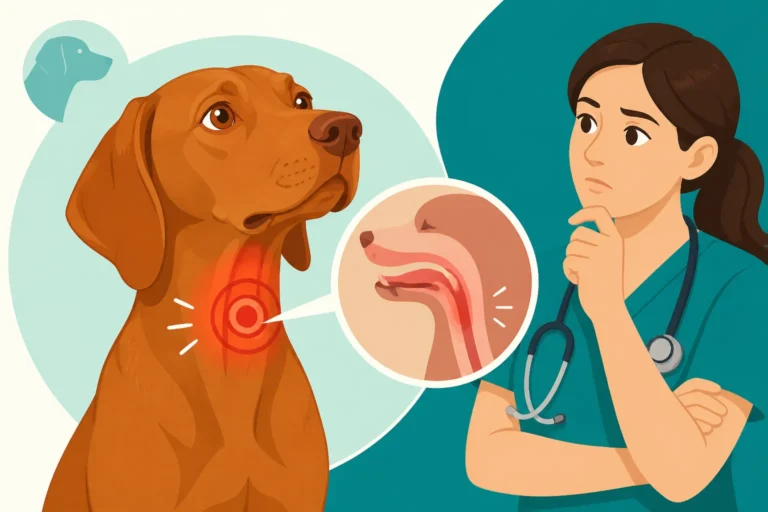
Whether a Vizsla Gets Lymphoma
It’s a truly frightening moment when you feel an unexpected lump on your beloved Vizsla, or notice a subtle change in their energy that just doesn't feel right. As Vizsla owners, we're keenly aware of the breed's energetic nature and deep connection to us, so any deviation from their usual vibrant selves can send our minds racing. This comprehensive guide aims to shed light on lymphoma in Vizslas, helping you understand what it is, how to recognize its signs, and what steps you can take should this challenging diagnosis ever arise.
Understanding Lymphoma and Why Vizslas Are at Risk
Lymphoma is a type of cancer that originates from lymphocytes, which are a type of white blood cell crucial to the immune system. These cells are found throughout the body, in places like lymph nodes, spleen, bone marrow, and other organs. When these lymphocytes become cancerous, they can multiply uncontrollably, forming tumors and disrupting normal bodily functions. It's a disease that can manifest in various ways, making it particularly insidious and often hard to detect in its early stages without close attention.
The Basics of Lymphoma in Dogs
Lymphoma in dogs is not a single disease but a collection of cancers arising from the lymphoid tissues. Think of your dog's immune system as a sprawling network, with lymph nodes acting as little command centers distributed strategically throughout the body. These nodes, along with the spleen, bone marrow, and other lymphoid organs, are designed to filter out pathogens and produce immune cells. When lymphoma strikes, it essentially hijacks this system, turning the very cells meant to protect your dog into agents of disease.
There are several forms of lymphoma, categorized by where they primarily occur in the body. Multicentric lymphoma, affecting external and internal lymph nodes, is the most common form, accounting for about 80-85% of cases. Alimentary (gastrointestinal) lymphoma affects the digestive tract, often leading to stomach upset, weight loss, and vomiting. Mediastinal lymphoma impacts the lymph nodes in the chest, potentially causing breathing difficulties. Cutaneous lymphoma is rarer, appearing as skin lesions. Each type presents its own set of challenges and diagnostic pathways, but all stem from the same cancerous transformation of lymphocytes.
Is the Vizsla Predisposed to Lymphoma?
Unfortunately, Vizslas, like several other purebred dogs, do seem to have a higher incidence of certain cancers, including lymphoma, compared to the general dog population. While the exact genetic mechanisms aren't fully understood, a combination of genetic factors, environmental influences, and potentially a relatively small founding population for the breed may contribute to this heightened risk. It's a sad reality that sometimes, our beloved breeds, cherished for their distinct traits and temperaments, can also carry predispositions to specific health issues.
Research into breed-specific cancer risks is ongoing, but observational data from veterinary oncologists and breed health surveys suggest Vizslas are indeed on the list of breeds with an elevated lymphoma risk. This doesn't mean every Vizsla will get lymphoma, but it does underscore the importance of vigilant care and early detection for owners. Understanding this predisposition helps us be more proactive, perhaps leading to more frequent check-ups, being more attuned to subtle changes in our dogs, and considering things like regular blood work as our Vizslas age. For many owners, the question of whether a Vizsla gets cancer younger than most is a very real concern, and lymphoma is one of those conditions that can appear prematurely.
Recognizing the Signs of Lymphoma in Your Vizsla
Spotting cancer in its early stages can be incredibly challenging, especially with a breed as stoic and energetic as a Vizsla. They're masters at masking discomfort, driven by their strong prey drive and desire to please. However, becoming intimately familiar with your Vizsla's normal behavior and body allows you to notice even subtle shifts that might signal trouble.
Swollen Lymph Nodes: The Most Common Indicator
For multicentric lymphoma, which is the most prevalent form, the most common and often the first noticeable sign is enlarged lymph nodes. These nodes are located in several key areas that you can easily feel on your dog:
- Under the Jaw (Mandibular): Feel along the underside of their jawline, just behind where their jawbone curves up towards their ear. Normally, you might feel small, bean-like structures. If they're swollen, they'll feel much larger, like grapes or even walnuts.
- In Front of the Shoulders (Prescapular): These are located just above and in front of your dog's shoulder blades.
- Behind the Knees (Popliteal): These are found on the back of your dog's hind legs, behind the knee joint.
When these lymph nodes are enlarged due to lymphoma, they typically feel firm, non-painful, and mobile. It's a good practice to regularly check these areas during your daily cuddles or grooming sessions. Getting into a routine of feeling these spots on your Vizsla every week or two means you'll quickly learn what's normal for them. Any change in size, especially if it persists or grows, warrants an immediate veterinary visit. While swollen lymph nodes can indicate other things like infection, in a Vizsla, given the breed's predisposition, lymphoma should always be a primary concern until proven otherwise.
Non-Specific Symptoms That Can Signal Trouble
Beyond the obvious swollen lymph nodes, lymphoma can present with a variety of non-specific symptoms that can easily be mistaken for other, less serious conditions. This is where a Vizsla owner's keen observation skills truly come into play. These symptoms are often subtle at first and might progress slowly, making them easy to dismiss until they become more pronounced.
Keep an eye out for changes such as unexplained weight loss, even if your Vizsla is still eating well. A decrease in appetite, or refusing food they normally love, is another red flag. You might notice a general lethargy or reduced stamina; your Vizsla, normally ready for hours of activity, may tire more quickly on walks or seem less enthusiastic about playtime. Vomiting or diarrhea, especially if persistent, could point towards alimentary lymphoma. Increased thirst or urination, difficulty breathing, or a persistent cough could indicate lymphoma affecting other internal organs. Any combination of these symptoms, or a noticeable change in your Vizsla's overall demeanor, should prompt a call to your vet. It's better to be overly cautious than to delay diagnosis when dealing with something as serious as cancer.
Different Forms of Lymphoma and Their Presentation
While multicentric lymphoma with its characteristic swollen lymph nodes is the most frequently seen form, it's vital to be aware of the other manifestations, as their symptoms can be even more deceptive. Alimentary lymphoma, for instance, focuses its attack on the gastrointestinal tract. A Vizsla with this type might experience chronic vomiting, persistent diarrhea, and significant weight loss, often accompanied by a general "poor-doing" appearance. Their abdomen might feel tender or distended. Because Vizslas can have sensitive stomachs, distinguishing these symptoms from a simple dietary upset can be tricky, emphasizing the need for thorough veterinary investigation when such issues persist.
Cutaneous lymphoma, while rarer, presents as skin lesions. These can range from red, flaky patches to raised nodules or ulcerated areas. They might appear anywhere on the skin, including the mouth, and can be easily confused with allergies, infections, or other dermatological problems. Mediastinal lymphoma affects structures within the chest cavity, often leading to respiratory distress, a cough, or difficulty swallowing. Sometimes, a general feeling of malaise, fever, or excessive thirst can also be present, regardless of the lymphoma type. Understanding these varied presentations helps us recognize that lymphoma isn't a one-size-fits-all disease and requires a broad awareness of potential symptoms.
Diagnosing Lymphoma: What to Expect at the Vet
If you suspect your Vizsla might have lymphoma, the trip to the vet can be filled with anxiety. Knowing what to expect during the diagnostic process can help you feel more prepared and allow you to ask informed questions. The diagnostic journey typically moves from initial examination to more specific tests designed to confirm the presence of cancer and determine its extent.
Initial Veterinary Examination and Bloodwork
Your veterinarian will start with a thorough physical examination, paying close attention to palpating all peripheral lymph nodes, the abdomen, and listening to your Vizsla's heart and lungs. They'll assess your dog's overall condition, looking for signs of weight loss, lethargy, or other general malaise. This initial physical exam is crucial for identifying any obvious enlarged lymph nodes or other abnormalities.
Following the physical exam, blood tests are usually the next step. A complete blood count (CBC) can reveal abnormalities in white blood cell counts, although these are not always definitive for lymphoma. A chemistry panel assesses organ function, which is important for understanding your Vizsla's overall health and for planning potential treatments, as certain organs might be affected by the disease or impact treatment tolerability. While blood tests can sometimes show an elevated lymphocyte count or other suspicious findings, they cannot definitively diagnose lymphoma. They primarily serve to provide a broader picture of your dog's health and to rule out other conditions that might mimic lymphoma symptoms, or to identify other health issues, such as whether a Vizsla gets immune mediated anemia, which can sometimes co-occur or present similarly.
Biopsy and Cytology: Confirming the Diagnosis
The definitive diagnosis of lymphoma almost always requires a tissue sample for analysis. This can be done through either cytology or biopsy.
- Cytology (Fine Needle Aspirate – FNA): This is a less invasive procedure where a fine needle is used to collect cells from an enlarged lymph node or suspected mass. The collected cells are then spread onto a slide and examined under a microscope by a veterinary pathologist. FNAs are quick, often performed with minimal to no sedation, and can provide a strong presumptive diagnosis. However, sometimes the sample might not be representative, or the cells might be too few to give a definitive answer.
- Biopsy: If an FNA is inconclusive, or if a more comprehensive diagnosis is needed (e.g., to determine the specific type of lymphoma, which can influence treatment), a surgical biopsy might be recommended. This involves removing a larger piece of tissue, usually a whole lymph node, under general anesthesia. The tissue is then sent to a specialized lab for histopathology. A biopsy provides a more definitive diagnosis and can offer critical information about the lymphoma's characteristics, which is vital for tailoring an effective treatment plan.
Your vet will discuss which approach is best for your Vizsla, weighing the invasiveness of the procedure against the need for a precise diagnosis. For many owners, the anxiety of waiting for results is immense, but this step is non-negotiable for an accurate diagnosis and subsequent treatment planning.
Staging the Disease: Why It Matters
Once lymphoma is confirmed, the next crucial step is staging the disease. Staging helps determine how far the cancer has spread throughout the body. This information is critical for guiding treatment recommendations, providing a prognosis, and helping you make informed decisions about your Vizsla's care. Staging involves a series of tests, which may include:
- Imaging: X-rays of the chest and abdomen can reveal enlarged lymph nodes within the chest or abdomen, or evidence of masses in organs like the spleen or liver. An ultrasound of the abdomen provides more detailed images of internal organs and lymph nodes.
- Bone Marrow Biopsy: A sample of bone marrow may be taken to see if the cancer has spread to this critical blood-forming tissue.
- Immunophenotyping: This is a specialized test performed on the biopsy sample to determine the type of lymphocyte involved (B-cell or T-cell lymphoma). B-cell lymphoma generally has a better prognosis and response to chemotherapy than T-cell lymphoma.
- PCR for Antigen Receptor Rearrangements (PARR): This is a genetic test that can differentiate between reactive (non-cancerous) lymph node enlargement and true lymphoma, especially when cytology or biopsy results are ambiguous.
The information gathered from staging allows the veterinary oncologist to assign a stage (typically I to V, with substages A or B indicating absence or presence of systemic signs like lethargy or weight loss). For instance, a Vizsla with only one affected lymph node (very rare) would be Stage I, while one with widespread involvement of multiple lymph nodes, bone marrow, and other organs would be Stage V. This detailed understanding of the disease's extent is paramount for predicting outcomes and choosing the most appropriate, aggressive, or palliative approach.
Treatment Options for Vizsla Lymphoma
Receiving a lymphoma diagnosis for your Vizsla is devastating, but it's important to remember that lymphoma is often a treatable cancer, and many dogs can achieve remission and maintain a good quality of life for an extended period. The choice of treatment depends heavily on the type and stage of lymphoma, as well as your Vizsla's overall health and your family's preferences and resources.
Chemotherapy Protocols for Vizslas
Chemotherapy is the cornerstone of lymphoma treatment in dogs. Unlike in humans, the goal of canine chemotherapy is primarily to achieve remission and improve quality of life, rather than outright cure, though prolonged remissions are certainly possible. The drugs and dosages are generally designed to be less aggressive, minimizing severe side effects and allowing dogs to maintain a good quality of life during treatment.
The most common chemotherapy protocol for multicentric lymphoma is the CHOP protocol, a multi-agent regimen that typically involves weekly intravenous treatments for several months. CHOP stands for Cyclophosphamide, Hydroxydaunorubicin (Doxorubicin), Oncovin (Vincristine), and Prednisone. Each drug targets cancer cells at different stages of their life cycle, increasing the effectiveness of the treatment. While many Vizslas tolerate chemotherapy well, side effects can occur, including nausea, vomiting, diarrhea, and temporary suppression of the bone marrow, leading to low white blood cell counts. Regular blood tests are performed to monitor these side effects, and adjustments to dosages or supportive medications are made as needed. For owners worried about the financial aspect, it's good to know that reputable pet insurance providers like Healthy Paws often cover a significant portion of cancer treatments, including chemotherapy. Knowing whether cancer is covered on a Vizsla policy beforehand can offer immense peace of mind.
Radiation Therapy and Other Approaches
While chemotherapy is the primary treatment for systemic lymphoma, other therapies may be considered, particularly for localized forms or in specific circumstances. Radiation therapy uses high-energy beams to destroy cancer cells and is often used for localized lymphoma, such as in nasal lymphoma or sometimes for a single, large tumor that hasn't responded well to chemotherapy. It's also used to target specific areas where a tumor is causing pain or obstruction. Radiation usually requires multiple short sessions, and dogs need to be anesthetized for each treatment to ensure precise targeting.
Beyond conventional chemotherapy and radiation, other approaches might be explored. These include novel targeted therapies, such as tyrosine kinase inhibitors (e.g., Palladia), which target specific pathways involved in cancer cell growth. Immunotherapy, which aims to boost the dog's own immune system to fight cancer, is also an area of ongoing research and development, with some options becoming available for certain types of canine cancer. These advanced treatments are often administered by veterinary oncologists in specialized facilities, highlighting the importance of seeking expert advice for a lymphoma diagnosis. Sometimes, for very early, localized disease (e.g., a single lymph node tumor without evidence of spread), surgical removal of the affected node may be considered in conjunction with or followed by chemotherapy.
Managing Side Effects and Maintaining Quality of Life
The overarching goal of lymphoma treatment for your Vizsla is not just to kill cancer cells, but to ensure they maintain the best possible quality of life throughout the process. Managing side effects is a crucial part of this. Your veterinary oncologist will work closely with you to anticipate and address any issues that arise. Medications to prevent nausea (antiemetics), probiotics to support gut health, and appetite stimulants are commonly used. During periods of low white blood cell counts, antibiotics might be prescribed to prevent infections, as a Vizsla's immune system is often already considered a weak point.
It's also essential to continue providing emotional support and a stable environment. Keep their routine as normal as possible, offer favorite foods (even if it's a little bland chicken and rice), and ensure they have a comfortable, warm place to rest. Communication with your vet team is key; report any changes in your Vizsla's behavior, appetite, or energy levels immediately. Adjustments can often be made quickly to keep them feeling their best. Remember, your Vizsla's resilience is incredible, and with careful management, many dogs can enjoy significant periods of remission with minimal impact on their day-to-day happiness.
Prognosis and Living with a Vizsla with Lymphoma
A lymphoma diagnosis is a long and winding road, but it doesn't mean the end of your Vizsla's story. Understanding the typical prognosis, focusing on supportive care, and acknowledging the emotional toll this journey takes on owners are all vital aspects of navigating this challenging time.
Understanding Survival Times
It's natural to immediately ask, "How long does my Vizsla have?" While no vet can give you an exact answer, they can provide statistics and general expectations based on the type and stage of lymphoma, and how your Vizsla responds to treatment. For multicentric lymphoma, with aggressive multi-agent chemotherapy like CHOP, median survival times typically range from 6 to 12 months. Some dogs, especially those with B-cell lymphoma and in earlier stages, can achieve remission for 18 months or even longer. Unfortunately, without treatment, the prognosis is often grim, with survival times typically measured in weeks.
Factors that influence prognosis include:
- Immunophenotype: B-cell lymphoma generally has a better prognosis than T-cell lymphoma.
- Stage: Earlier stages (I or II) tend to have longer remission times than advanced stages (IV or V).
- Substage: Dogs without systemic signs (substage A) usually do better than those with signs like fever, weight loss, or lethargy (substage B).
- Response to treatment: How quickly and completely your Vizsla goes into remission is a significant predictor.
- Overall health: Other underlying health conditions can impact treatment tolerance and prognosis.
It's important to have an open and honest conversation with your veterinary oncologist about realistic expectations for your individual Vizsla. While statistics provide a general framework, every dog is unique, and some defy the odds. Don't hesitate to ask your vet or oncologist about what you can expect, and consider getting a second opinion if you feel it would help you make peace with the path forward.
Supportive Care at Home
Even with aggressive treatment, supportive care at home is paramount for your Vizsla's comfort and well-being. This involves a holistic approach to their daily life, focusing on nutrition, comfort, and emotional stability. Feeding a Vizsla that is undergoing chemotherapy can be tricky, as their appetite might fluctuate. Offer palatable, high-quality foods, and don't be afraid to try novel proteins or warmed food to entice them. Ensure they always have access to fresh water, especially if they are experiencing vomiting or diarrhea. Many Vizslas have sensitive guts, so dietary consistency is often important. If they're struggling to keep weight on, your vet might recommend a high-calorie supplement.
Beyond food, create a comfortable environment. A soft, orthopedic bed can ease any discomfort, and a quiet space away from household hustle can be beneficial. Continue with gentle exercise, but don't push them if they're tired. Regular, gentle grooming can help you monitor their skin and coat for any changes. Most importantly, continue showering them with love and affection. Your presence and comfort are immeasurable to a dog facing illness. Even if your Vizsla is insured with a company like Healthy Paws, which covers significant portions of cancer care, the day-to-day emotional and physical support you provide is irreplaceable.
Emotional Impact on Owners
Caring for a Vizsla with lymphoma is an emotionally draining experience. The rollercoaster of hope and fear, the financial burden of treatment, and the daily commitment to their care can take a significant toll. It's crucial to acknowledge your feelings and seek support when needed. Many veterinary hospitals offer grief counseling or support groups, and online communities for owners of dogs with cancer can provide a sense of camaraderie and shared understanding.
It's also important to practice self-care. You cannot pour from an empty cup, and your Vizsla needs you to be strong and present. Take breaks when you need them, lean on your support network of family and friends, and don't feel guilty about prioritizing your own well-being. Making difficult decisions, such as when to pursue more aggressive treatment or when to consider palliative care, is one of the hardest parts of pet ownership. Your veterinary team will be there to guide you, but ultimately, these choices rest with you. Knowing that you've done everything you can, driven by love, is what ultimately brings peace.
Proactive Health Management for Vizslas
While we can't completely prevent diseases like lymphoma, being proactive about your Vizsla's health can significantly improve their chances of early detection and successful management. A well-rounded approach focusing on regular veterinary care, a healthy lifestyle, and responsible breeding practices plays a vital role.
Regular Vet Checks and Early Detection
Consistent veterinary care is your best defense against serious diseases. Annual, and for older Vizslas, biannual check-ups are non-negotiable. These visits allow your vet to perform thorough physical examinations, potentially catching subtle changes like enlarged lymph nodes before they become obvious to you. Discussions about whether a Vizsla needs a yearly blood panel are crucial, as routine blood work can sometimes flag abnormalities that warrant further investigation, even before symptoms appear.
Don't hesitate to bring your Vizsla in if you notice any change in their behavior, appetite, or physical condition, no matter how small. As we've discussed, Vizslas are masters of hiding pain or discomfort, so a slight dip in energy or a barely noticeable lump should never be ignored. Early detection is often the most critical factor in improving outcomes for diseases like lymphoma. Establishing a good relationship with your veterinarian and fostering open communication ensures that you have a trusted partner in your Vizsla's health journey.
The Role of Diet and Lifestyle
While there's no magic diet to prevent cancer, a high-quality, balanced diet supports a strong immune system and overall vitality. Ensure your Vizsla is receiving appropriate nutrition for their life stage and activity level. Some owners explore diets with specific immune-boosting ingredients or antioxidants, but always consult with your vet or a veterinary nutritionist before making significant dietary changes. Avoiding excessive weight gain is also important, as obesity can be a risk factor for various health issues, though a lean Vizsla generally burns everything it eats, making weight management usually less of a concern than for other breeds.
An active lifestyle, characteristic of the breed, is also beneficial. Regular, appropriate exercise helps maintain muscle mass, supports cardiovascular health, and reduces stress, all contributing to a robust immune system. However, ensure exercise is appropriate for your Vizsla's age and physical condition, avoiding overexertion in extreme weather. Minimizing exposure to environmental toxins, like certain lawn chemicals or secondhand smoke, is another practical step. While the direct link to lymphoma is not always clear, a generally healthy environment can only benefit your dog.
Breeding Considerations for Future Health
Responsible breeding practices are fundamental to reducing the incidence of inherited diseases within the Vizsla breed. While lymphoma is complex and not purely a Mendelian inherited trait, a genetic predisposition is suspected. Therefore, breeders should be transparent about the health history of their lines, particularly regarding cancer. Prospective puppy buyers should research pedigrees and ask breeders about instances of lymphoma or other immune diseases in the sire and dam's family trees.
Supporting breeders who prioritize health testing and make informed breeding decisions based on the health and longevity of their dogs is crucial. While there isn't a specific genetic test for lymphoma in Vizslas yet, ethical breeders aim to produce healthy, long-lived dogs through careful selection. If considering breeding, discussions about whether an affected Vizsla should be bred are paramount, as passing on predispositions could exacerbate these challenges for future generations. Our collective effort to support responsible breeding can slowly but surely improve the health landscape for the Vizsla breed as a whole.
Disclaimer
The information provided in this article is for educational purposes only and should not be considered a substitute for professional veterinary advice. If you have concerns about your Vizsla's health, please consult with a qualified veterinarian immediately. Early diagnosis and treatment are crucial for the best possible outcome.