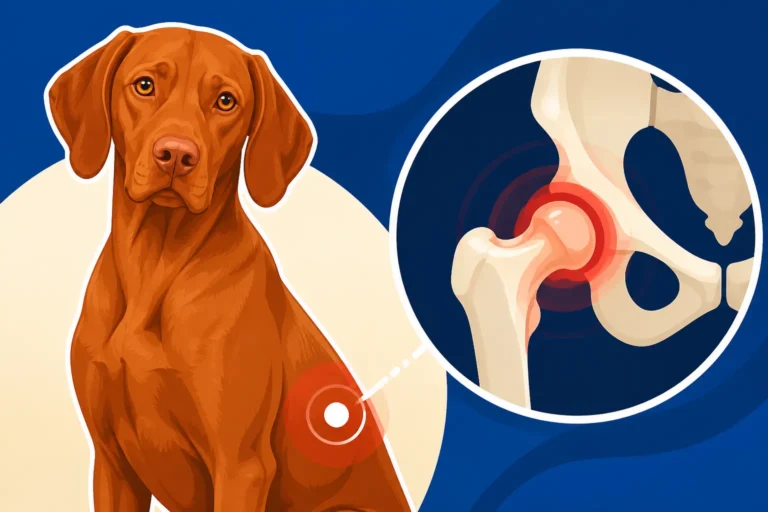
Whether a Vizsla Puppy Should Run on Hard Ground
It's a classic Vizsla owner dilemma: you've got this boundless, red rocket of a puppy, bursting with energy, and all they want to do is run, run, run. But then that little voice of caution whispers, "Is running on pavement or concrete safe for those growing joints?" It’s a completely valid concern, and one that many new Vizsla families grapple with, trying to balance their dog's incredible drive with the need to protect their delicate, developing bodies. The truth is, while your Vizsla puppy is undoubtedly built for speed and endurance, high-impact activities on unforgiving surfaces can do more harm than good during their critical growth phases. This guide will walk you through why caution is key and how to keep your energetic pup healthy and happy without risking long-term damage.
Understanding Vizsla Puppy Growth and Joint Development
Bringing home a Vizsla puppy is an exhilarating experience, filled with boundless energy and adorable antics. However, beneath all that playful exuberance, a crucial developmental process is underway: the formation of their musculoskeletal system. Understanding this process is paramount to making informed decisions about their exercise routine, especially when it comes to surfaces like hard ground.
The Delicate Growth Plates
Every long bone in your Vizsla puppy's body has areas known as growth plates, or physes. These are layers of cartilage located near the ends of the bones, responsible for producing new bone tissue and thus, the lengthening of the bones as your puppy grows. Think of them as the engine room of bone development. Unlike mature bone, which is strong and rigid, growth plates are soft and vulnerable. They're actually weaker than the surrounding ligaments, tendons, and even the rest of the bone itself. This makes them susceptible to injury from trauma, repetitive stress, or excessive force.
For a Vizsla, a breed known for its incredible athleticism and lean build, these growth plates are particularly important because they are designed for sustained activity. Any damage to these plates can lead to premature closure, angular limb deformities, or a host of other orthopedic issues that can impact their gait, their ability to perform, and their comfort for the rest of their lives. It's a silent threat because often, the damage isn't immediately obvious, only manifesting months or even years down the line.
The Impact of High-Impact Exercise on Immature Joints
When a Vizsla puppy runs on hard surfaces like concrete, asphalt, or even heavily packed dirt, their growing bodies absorb repetitive, high-impact forces. Imagine the shock waves traveling up their legs with every stride. This constant pounding can put undue strain on their still-developing joints and the aforementioned growth plates. While adult bones and joints are designed to handle a certain amount of this stress, a puppy's aren't. Their ligaments and tendons are also less mature, making them less capable of stabilizing the joints under such conditions.
This isn't just about sharp, sudden injuries; it's about the cumulative effect. Each time a young Vizsla puppy is allowed to engage in prolonged, high-impact running on hard ground, microscopic trauma can occur. Over time, this can inflame the growth plates (physeal injuries), strain soft tissues, and contribute to the accelerated wear and tear on cartilage that can predispose them to conditions like arthritis later in life. It's a bit like driving a brand-new car off-road before it's even had its first oil change – it might seem fine at first, but you’re setting it up for problems down the road.
When Growth Plates Close in Vizslas
The timing of growth plate closure is not an exact science, but it generally occurs between 12 and 18 months of age for most large and active breeds, including Vizslas. Some plates might close earlier, others later, with the last ones usually being in the elbow and knee regions. Female Vizslas often mature a little faster than males. Until these growth plates have fully ossified (turned from cartilage into bone), they remain a weak point in the skeletal structure.
This is why many veterinarians and experienced breeders strongly recommend avoiding high-impact activities until your Vizsla is at least 12-18 months old, or even closer to two years for very active individuals or those with a history of orthopedic concerns in their lines. X-rays can sometimes confirm whether growth plates have closed, offering a definitive answer for those particularly anxious about their pup's development. Delaying strenuous, repetitive activity on hard surfaces during this critical window is one of the kindest things you can do for your Vizsla's long-term joint health, helping to prevent issues like Hip Dysplasia in a Vizsla and Elbow Dysplasia in a Vizsla.
The Risks of Running Vizsla Puppies on Hard Surfaces
The desire to let your Vizsla puppy run free and burn off that incredible energy is completely understandable. They are, after all, born athletes. However, ignoring the risks associated with hard surfaces during their formative months can have serious and lasting consequences for their health and athleticism.
Potential for Injury and Long-Term Damage
The most immediate concern with running Vizsla puppies on hard ground is the increased risk of acute injury. A puppy’s bones are still relatively soft, and their ligaments and tendons are not yet fully developed or strengthened. A misstep, a sudden stop, or even just repeated jarring on an unforgiving surface can lead to a variety of problems:
- Growth Plate Fractures: As discussed, these delicate areas are prone to injury. A fracture to a growth plate can disrupt normal bone growth, potentially leading to a limb that is shorter or grows at an abnormal angle. This isn't just a temporary setback; it can cause lifelong lameness and pain.
- Sprains and Strains: The soft tissues – ligaments connecting bones and tendons connecting muscles to bones – are easily overstretched or torn in a young, active pup. A Vizsla's enthusiasm often outweighs their physical maturity, making them prone to these types of injuries during vigorous play or running on hard, uneven ground.
- Microtrauma and Inflammation: Even if there isn't an acute injury, the constant microtrauma from impact can cause inflammation in the joints (arthritis) and surrounding tissues. This chronic inflammation can lead to pain, stiffness, and accelerate degenerative changes in the joints, setting the stage for early-onset arthritis. This is often the precursor to what some owners might misinterpret as Whether a Vizsla Puppy Outgrows Growing Pains.
These injuries, whether acute or cumulative, can result in significant veterinary bills, prolonged recovery times, and, most importantly, chronic pain and reduced quality of life for your beloved Vizsla.
Exacerbating Genetic Predispositions
Vizslas, like many purebred dogs, have certain genetic predispositions to orthopedic conditions. While responsible breeders work hard to minimize these risks through health testing, no lineage is entirely immune. Two of the most common concerns in active breeds are hip and elbow dysplasia.
- Hip Dysplasia: This is a condition where the hip joint doesn't form properly, leading to looseness and eventual degenerative joint disease. While genetics play a significant role, environmental factors, especially excessive or inappropriate exercise during puppyhood, can greatly influence the severity and onset of symptoms. High-impact activities on hard surfaces can worsen the laxity in the joint capsule, accelerating the damage to the cartilage and bone.
- Elbow Dysplasia: Similar to hip dysplasia, this term encompasses several developmental abnormalities of the elbow joint. Again, genetics are foundational, but the stress placed on developing joints by hard running can exacerbate any underlying issues, leading to pain, lameness, and early arthritis.
Even if your Vizsla comes from parents with excellent health clearances – and you should always ask to see the results of The Health Tests Both Vizsla Parents Should Have – subjecting a young puppy to jarring exercise can bring out the worst in these genetic tendencies. Protecting their joints in puppyhood is a critical step in giving them the best chance at a long, active life free from debilitating joint pain.
Signs of Over-Exercise or Injury in a Puppy
It can be difficult to tell if your high-energy Vizsla is simply tired or if they've pushed themselves too hard and sustained an injury. They are, after all, notoriously stoic dogs, often attempting to hide discomfort. However, there are some key signs to watch for:
- Limping or Lameness: This is the most obvious sign. Any persistent limp, even a subtle one, after exercise should warrant immediate attention.
- Stiffness or Reluctance to Move: If your puppy is stiff after resting, struggles to get up, or is reluctant to jump, run, or climb stairs, it could indicate joint pain or muscle soreness beyond normal puppy fatigue.
- Changes in Gait: Observe their normal walking and running patterns. Is one leg favoring another? Is their stride shorter? Are they holding their head or tail differently to compensate?
- Swelling or Tenderness: Gently check their joints (hips, elbows, knees) for any swelling, warmth, or signs of pain when touched.
- Excessive Licking: Pups often lick at painful areas. If your Vizsla is constantly licking a paw, leg, or joint, it could be a sign of discomfort.
- Reduced Appetite or Energy: While sometimes just signs of general fatigue, persistent changes in appetite or a marked decrease in their usual energy levels can indicate underlying pain or injury.
- Behavioral Changes: Whining, uncharacteristic grumpiness, or a reluctance to engage in play can also be subtle indicators that something is wrong.
If you observe any of these signs, especially after a period of activity on hard surfaces, it’s crucial to contact your veterinarian. Early diagnosis and intervention can make a huge difference in the prognosis and management of these conditions. What might seem like a minor issue could escalate without proper care.
Safe Exercise Alternatives for Growing Vizslas
Given their boundless energy and athletic build, it's easy to feel like you're depriving your Vizsla puppy if you're not letting them run full-tilt. But the key is smart, appropriate exercise that nourishes their physical and mental well-being without jeopardizing their long-term health. The good news is there are plenty of wonderful ways to exercise a growing Vizsla safely!
Prioritizing Low-Impact Activities
The goal during puppyhood is to provide exercise that supports healthy development without excessive impact. Think about surfaces that offer natural cushioning:
- Grass and Soft Earth Trails: These are your best friends. Running and playing on grass, dirt paths, or soft forest trails provides excellent traction while absorbing much of the impact that would otherwise jar their joints. These surfaces also offer varied terrain, which helps build proprioception (awareness of body position) and strengthens supporting muscles and ligaments in a gentle way. Explore local parks, open fields, or nature preserves for ideal spots.
- Sand: A sandy beach or a sand pit can be a fantastic place for a Vizsla to run and play. The soft, shifting surface provides resistance, building muscle without high impact. Just be mindful of heat on paws and potential for ingesting too much sand.
- Swimming: This is arguably one of the best forms of exercise for a growing Vizsla. Swimming is completely non-weight-bearing, meaning zero impact on joints. It builds cardiovascular fitness, strengthens core muscles, and tires them out wonderfully. Always introduce swimming safely, in calm, clean water, and supervise closely. Many Vizslas take to water naturally, showcasing their versatile heritage, and it's a skill that will serve them well if they ever join you for a day of Whether a Vizsla Works Waterfowl.
- Short, Controlled Leash Walks: Regular, shorter walks on varied, soft terrain are excellent for socialization, exploring new sights and smells, and building stamina gradually. Avoid long, forced marches or jogging on pavement.
Remember, the goal is natural, self-regulated movement. Let your puppy dictate the pace and duration, and always err on the side of caution.
The Importance of Structured Play and Mental Stimulation
Vizslas are intelligent and easily bored. If their minds aren't engaged, they'll find their own entertainment – and that often involves chewing furniture, digging craters in the yard, or demonstrating What an Anxious Vizsla Destroys. Structured play and mental stimulation are just as crucial as physical exercise, especially for a puppy whose body isn't ready for intense physical exertion.
- Interactive Games: Fetch (on soft surfaces!), tug-of-war, and hide-and-seek are fantastic ways to burn energy and strengthen your bond. Keep fetch sessions short and sweet to avoid overheating or over-exertion, and always on grass or dirt. These games also help teach impulse control and reinforce commands like "drop it."
- Puzzle Toys and Treat-Dispensing Toys: These are invaluable for mental enrichment. Filling a Kong with peanut butter or placing kibble in a snuffle mat can keep your Vizsla puppy engaged and thinking for considerable periods, tiring their minds even if their bodies are resting.
- Training Sessions: Short, frequent training sessions (5-10 minutes, several times a day) are perfect for a Vizsla puppy. They love to learn and thrive on having a job. Work on basic obedience like sit, stay, recall, or even start introducing more advanced concepts. This mental effort is incredibly tiring for them. Learning a solid Building a Recall on a Vizsla That Ranges from an early age is vital for their safety later on.
- Scent Work: Vizslas have incredible noses. Scent games, where you hide treats or toys and encourage them to find them, tap into their natural instincts and provide immense mental satisfaction. This can be done indoors or in a secure, soft-surfaced outdoor area.
By focusing on a blend of low-impact physical activity and robust mental stimulation, you can meet your Vizsla puppy's developmental needs without putting their joints at risk.
Monitoring Exercise Duration and Intensity
One of the biggest mistakes new Vizsla owners make is thinking "more is always better" when it comes to exercise. For a puppy, this couldn't be further from the truth. Their bodies need ample rest for growth and recovery.
A good rule of thumb for structured exercise (like walks) is five minutes per month of age, twice a day. So, a four-month-old Vizsla puppy would get about 20 minutes of walking twice a day. This doesn't include free play in the yard on soft ground, which is generally fine as long as the puppy is self-regulating and not forced to keep going.
Key considerations:
- Listen to your puppy: Pay attention to their cues. Are they lagging behind? Lying down? Panting excessively? These are signs they're tired and need a break. Don't push them to continue.
- Avoid forced exercise: This means no long-distance jogging, running alongside a bike, or intense agility training until they are fully mature. Activities where the puppy can stop and rest when they choose are ideal.
- Short, frequent bursts: Instead of one long, exhausting session, aim for several shorter bursts of activity throughout the day. This aligns better with a puppy's natural play patterns and allows for recovery.
- Weather conditions: Vizslas are sensitive to extreme temperatures due to their single coat. Be mindful of very hot or very cold weather, which can add additional stress to their bodies.
- Adequate rest: Puppies need a lot of sleep – 18-20 hours a day is not uncommon. Ensure they have a comfortable, quiet place to rest and recover.
By carefully managing the duration and intensity of their exercise, you'll ensure your Vizsla puppy grows into a strong, healthy adult, ready for all the adventures you have planned together. It's a testament to good puppy care, much like ensuring they follow the right schedule for How Many Meals a Vizsla Puppy Needs.
Transitioning to Higher-Impact Activities as Your Vizsla Matures
Once your Vizsla has passed that critical 12-18 month mark, and ideally after a veterinary check-up confirms their growth plates are closed, you can slowly begin to introduce them to more strenuous, higher-impact activities. This transition, however, should be a gradual and mindful process, not a sudden leap. Remember, even though their bones are fully formed, their bodies still need time to adapt and strengthen for increased demands.
Gradual Introduction to Harder Surfaces
You wouldn't run a marathon without training, and neither should your Vizsla. The key is to slowly acclimate their bodies to the new demands of running on harder ground.
- Start with short intervals: When you first introduce running on pavement or concrete, do it in very short bursts. For example, during a regular walk on grass, incorporate a few minutes of trotting on a paved path, then return to softer ground.
- Increase duration slowly: Over weeks and months, gradually increase the time spent on harder surfaces. A good rule of thumb is to increase the duration by no more than 10-15% per week. This allows their tendons, ligaments, and paw pads to toughen and adapt.
- Observe their paws: Vizslas have relatively thin skin, and their paw pads can be sensitive. Running on hard, abrasive surfaces can cause wear, cracking, or even blistering. Regularly check their paws for any signs of irritation, and consider using paw wax or boots if you plan extended runs on rough terrain.
- Mix it up: Even when your Vizsla is fully mature, it's always best to vary their running surfaces. Don't exclusively run on pavement. Incorporate grass, dirt trails, and even sand to provide a mix of cushioning and resistance, which promotes overall musculoskeletal health.
A gradual approach minimizes the risk of sudden injuries like strains, sprains, or even stress fractures that can occur if their bodies aren't properly conditioned.
Listening to Your Dog's Body
This is perhaps the most crucial aspect of exercising an adult Vizsla, especially as they get older or engage in demanding activities like field trials or long-distance running. While they might appear tireless, Vizslas are incredibly driven and will often push themselves beyond their limits to please you or chase game. It's your responsibility to recognize when they need to stop.
- Watch for subtle changes: A slight change in gait, a hesitant jump, a delayed response, or a tendency to sit or lie down more frequently can all be early indicators of discomfort.
- Monitor post-exercise recovery: How quickly do they recover their breathing? Are they stiff or sore the next day? If your Vizsla is consistently stiff or slow to get going after exercise, it’s a sign you’re doing too much, too soon, or need to re-evaluate the intensity.
- Know their baseline: Spend enough time with your Vizsla to understand their normal energy levels, movements, and body language. This will make it easier to spot deviations that might signal a problem.
- Factor in age and condition: An Arthritis in a Vizsla at Ten will have different exercise needs than a two-year-old. Adjust activities based on their current health, weight, and fitness level.
Never force your Vizsla to continue if they show signs of fatigue or pain. A five-minute break could prevent weeks of recovery from injury.
Incorporating Preventative Care
As your Vizsla transitions to more intense activity, preventative care becomes an even more vital part of their health regimen. This proactive approach helps support their joints, muscles, and overall well-being, allowing them to enjoy their active lifestyle for as long as possible.
- Quality Nutrition: A high-quality diet specifically formulated for active dogs provides the necessary nutrients for muscle repair, energy, and joint health. If your Vizsla is particularly active, especially during hunting season, they might benefit from a performance formula to help with Keeping Weight On a Working Vizsla.
- Joint Supplements: Many active Vizslas, even younger adults, can benefit from joint supplements containing ingredients like glucosamine, chondroitin, and MSM. These can help support cartilage health and reduce inflammation. Discuss with your vet whether Whether Joint Supplements Help a Vizsla is right for your dog and which specific products they recommend.
- Regular Veterinary Check-ups: Annual check-ups are essential for monitoring overall health, discussing exercise routines, and catching any subtle signs of joint issues early. Your vet can assess their gait, palpate joints, and recommend further diagnostics if needed.
- Weight Management: Keeping your Vizsla at a lean, healthy weight is critical for joint health. Every extra pound puts additional stress on their joints, accelerating wear and tear. Your vet can help you determine the ideal weight for your individual dog.
- Pet Insurance: While you hope for the best, accidents and illnesses can happen, especially with an active dog. Having pet insurance, like a plan from Healthy Paws, can provide immense peace of mind. Should your Vizsla suffer an injury or develop a condition like arthritis later in life, knowing you're financially prepared for the veterinary costs can make a world of difference. Comprehensive coverage from providers like Healthy Paws can help manage the expenses associated with unexpected injuries or chronic conditions, ensuring your dog gets the best care without financial strain.
- Warm-up and Cool-down: Just like human athletes, Vizslas benefit from a proper warm-up before intense exercise and a cool-down afterward. A brisk walk for 5-10 minutes before and after a run helps prepare muscles and joints and aids in recovery.
By thoughtfully managing their exercise, being attentive to their physical cues, and integrating comprehensive preventative care, you can help your Vizsla enjoy a lifetime of adventure and good health.
Comparing Safe vs. Risky Exercise Surfaces for Vizsla Puppies
When it comes to exercising your growing Vizsla, the surface they run on makes a significant difference. Here's a quick comparison to help you make the best choices for your energetic pup:
| Feature | Safe Surfaces (Ideal for Puppies) | Risky Surfaces (Avoid for Puppies) |
|---|---|---|
| Examples | Grass, soft earth trails, sand, loose dirt, shallow water | Concrete, asphalt, pavement, hard-packed gravel, slick indoor floors |
| Impact Absorption | High – naturally cushions joints, reduces jarring forces | Low – little to no shock absorption, high jarring forces |
| Joint Stress | Low – supports healthy development of bones, ligaments, tendons | High – strains growth plates, promotes microtrauma and inflammation |
| Paw Pad Health | Gentle – less abrasive, lower risk of wear, tears, or blisters | Abrasive – high risk of wear, cracking, blistering, and injury |
| Muscle Development | Good – varied terrain builds supporting muscles and proprioception | Uneven – repetitive motion builds muscles unevenly, potentially causing strain |
| Risk of Injury | Low – reduces likelihood of growth plate fractures, sprains | High – increases risk of acute and chronic orthopedic injuries |
| Long-term Health Impact | Promotes strong, healthy joints and reduces arthritis risk | Contributes to early-onset arthritis, hip/elbow dysplasia severity |
| Recommended Activity | Free play, short walks, swimming, scent work, training | Forced running, long jogs, repetitive high-impact games |
Ultimately, prioritizing soft, natural surfaces for your Vizsla puppy's exercise needs is one of the most impactful decisions you can make for their lifelong health.
Disclaimer
The information provided in this article is for general informational purposes only and does not constitute veterinary advice. Always consult with a qualified veterinarian for any health concerns or before making any decisions related to your pet's health and medical care. Individual Vizslas may have unique health needs and growth rates.