Whether a Limping Vizsla Has a Cruciate Tear
That moment your energetic Vizsla, usually a blur of golden rust, suddenly falters, holding up a paw or limping unevenly, sends a jolt of panic through you. It's a gut-wrenching sight, especially when you know how much they love to run and explore. While many things can cause a limp, from a simple paw injury to something more serious, a cruciate ligament tear is a very real and unfortunately common concern for our athletic, active Vizslas. This guide will walk you through understanding what a cruciate tear is, how to spot the signs, and what steps to take next.
Understanding the Vizsla's Predisposition to Ligament Injuries
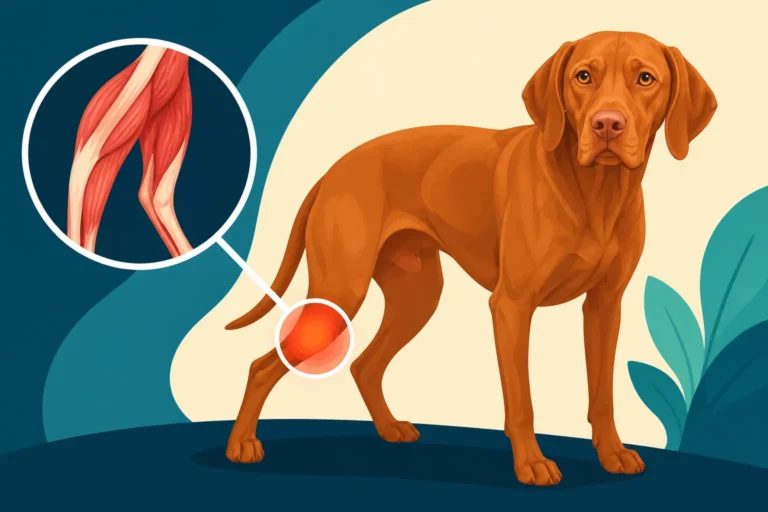
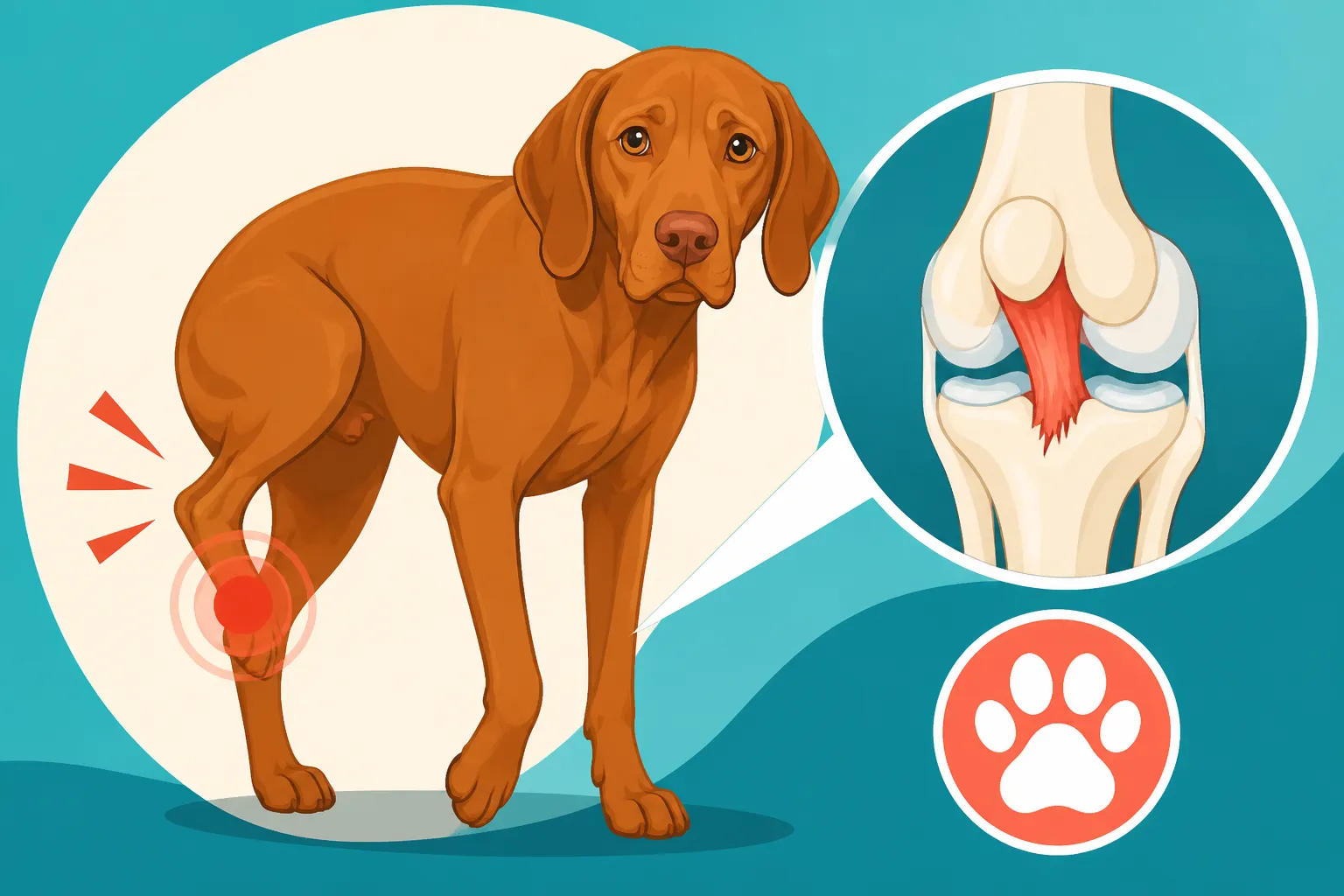
Our Vizslas are built for action, lean and muscular, with an innate drive to run, jump, and pivot. This incredible athleticism, while beautiful to behold, also places significant stress on their joints, particularly the knees (stifles). The cranial cruciate ligament (CCL) in a dog's knee is analogous to the anterior cruciate ligament (ACL) in humans and is vital for stabilizing the joint. When this ligament tears, it can lead to instability, pain, and eventually, debilitating arthritis.
Why Vizslas Are Prone to Cruciate Issues
It often feels unfair that such a vibrant breed can be susceptible to such a painful and performance-limiting injury. The truth is, their very nature contributes. Vizslas are powerful jumpers and quick turners, frequently stopping on a dime or launching themselves into a full sprint. These sudden, explosive movements, coupled with their moderate size and deep chests, can put immense strain on the knee. Unlike a sudden, traumatic injury often seen in humans, canine cruciate tears are frequently degenerative, meaning the ligament weakens over time before a seemingly minor misstep causes it to rupture completely. This can feel particularly frustrating because it's not always a dramatic event you can pinpoint; sometimes it’s just a normal play session that ends in a yelp. For a deeper dive into common joint issues, you might find information on why our dogs get problems with their hips and elbows on a Vizsla That Runs All Day especially useful.
The Difference Between a Partial and Complete Tear
It's not always an all-or-nothing situation, which can make diagnosis even trickier. A partial cruciate tear means only some of the ligament fibers are damaged. This can cause intermittent lameness or a subtle limp that seems to come and go, making you wonder if you're imagining things. Your Vizsla might seem fine after rest, only for the limp to return with activity. This can be incredibly frustrating for owners, as the inconsistency makes it hard to know if it's serious. A complete tear, on the other hand, usually results in immediate, non-weight-bearing lameness, though some dogs might still try to put a little weight on the leg, holding it bent. The knee becomes very unstable, often described as a "drawer motion" by vets, where the tibia can slide forward relative to the femur. Both types of tears are serious and require veterinary attention. You might be interested in learning more specific details about Cruciate Tears in a Working Vizsla to understand the full scope of this injury.
Recognizing the Subtle and Obvious Signs of a Cruciate Tear
Spotting a cruciate tear can sometimes be straightforward, but often, with our stoic Vizslas, it can be a bit more challenging. They are masters at masking pain, driven by their incredible desire to please and their high prey drive. You might first notice something is wrong not when they're running, but when they're trying to get up from a nap, or after a long day in the field.
The Classic Signs of Acute Injury
When a cruciate ligament tears completely, the signs are usually quite dramatic and hard to miss. You might hear a yelp or see your Vizsla suddenly stop mid-stride, holding their back leg completely off the ground.
- Sudden, Severe Lameness: This is the most common presentation. Your dog will be unwilling to put weight on the affected leg, holding it up, or barely touching their toes to the ground. They might hop on three legs.
- Reluctance to Move: Getting up, lying down, or jumping into the car becomes a struggle. They might hesitate before taking stairs or avoid them altogether.
- Swelling: While not always visible due to the muscle coverage, sometimes you might feel a subtle swelling around the knee joint.
- Pain Response: When you gently touch or try to extend the knee, your Vizsla might flinch, whine, or even try to snap – a clear sign of significant pain. Remember that a Vizsla Hides Its Pain remarkably well, so any overt sign is a big red flag.
More Gradual Onset: The Partial Tear Clues
This is where it gets tricky. Partial tears don't always announce themselves with a dramatic yelp. Instead, they present with more insidious, intermittent symptoms that can be easy to dismiss or attribute to something less serious.
- Intermittent or Shifting Lameness: Your Vizsla might limp after exercise, but then seem fine after a good night's rest. The limp might reappear after another burst of activity. This on-again, off-again pattern is a classic sign of a partial tear progressing.
- Stiffness After Rest: You might notice your Vizsla is stiff when they first get up in the morning or after a long nap. They might "warm out of it" after a few minutes of walking, only for the stiffness to return later.
- Decreased Activity Levels: Perhaps they're not as enthusiastic about their usual run, or they tire more quickly. They might avoid jumping or refuse to play fetch as long as they used to.
- Muscle Atrophy: Over time, if the leg isn't being used properly, you might notice the muscles in the affected thigh start to thin compared to the healthy leg. This is a subtle but telling sign of chronic instability.
- "Sitting Sideways" or "Toe-Touching": Instead of sitting squarely on their haunches, they might sit with the affected leg extended out to the side to avoid bending the painful knee. When standing, they might only lightly touch their toes to the ground on the injured side.
It's crucial to pay close attention to these subtle cues, especially with an active breed like the Vizsla. Any persistent lameness, no matter how mild, warrants a trip to the vet. Ignoring these signs can lead to further damage and more severe arthritis down the line.
The Diagnostic Journey: Confirming a Cruciate Injury
When your Vizsla is limping, getting an accurate diagnosis is the first and most critical step. Your veterinarian will be your best ally in navigating this process. They have the knowledge and tools to differentiate between a cruciate tear and other common causes of lameness.
Initial Veterinary Examination and Palpation
Your vet will start with a thorough physical examination. They'll observe your Vizsla's gait, how they stand, and how they move. Then comes the palpation – feeling the joint. This is where a skilled vet can often detect the classic "cranial drawer sign" or "tibial thrust."
- Cranial Drawer Test: This is the hallmark test for a cruciate tear. The vet will stabilize the femur with one hand and try to push the tibia forward with the other. If the cruciate ligament is torn, the tibia will move excessively forward, much like a drawer opening. It requires skill and experience, and sometimes sedation is needed, especially if the dog is tense or in pain, as muscle guarding can mask the instability.
- Tibial Thrust Test: This test involves flexing the ankle joint while holding the knee. A forward thrust of the tibia can also indicate a torn ligament.
- Other Joint Checks: Your vet will also examine other joints like the hips and hocks to rule out other issues, such as Hip Dysplasia in a Vizsla or other ligament strains. They'll also check for swelling, warmth, and range of motion in the affected knee.
The Role of Sedation and Imaging
Sometimes, particularly with partial tears or very muscular, tense Vizslas, the "drawer sign" might not be obvious during an awake examination. This is where sedation comes in.
- Sedation for a More Accurate Exam: Under light sedation, the muscles relax, allowing the vet to perform the drawer and tibial thrust tests much more accurately without the dog bracing against the discomfort.
- X-rays (Radiographs): While X-rays don't directly show the ligament (ligaments are soft tissue), they are incredibly valuable. They help rule out other bone-related issues like fractures or bone cancer. They can also show secondary signs of a cruciate tear, such as fluid in the joint, early signs of arthritis, or a "fat pad sign" which indicates inflammation around the joint. They are also crucial for surgical planning.
- Advanced Imaging (MRI/CT): In rare, complicated cases, or when a partial tear is strongly suspected but not confirmed by other means, your vet might recommend an MRI or CT scan. These provide detailed images of soft tissues, allowing for a definitive diagnosis of even minor ligament damage. However, these are specialized and costly procedures not typically needed for most cruciate diagnoses.
Differentiating from Other Causes of Lameness
It’s important to remember that a limp isn't always a cruciate tear, though it's high on the list for Vizslas. Your vet will consider other possibilities:
- Patellar Luxation: Where the kneecap slips out of place. This can cause intermittent hopping or skipping.
- Meniscal Injury: The meniscus is cartilage in the knee, often damaged in conjunction with a cruciate tear.
- Soft Tissue Strains: Muscle pulls or sprains can also cause lameness.
- Paw Injuries: A thorn, cut, or even a grass seed stuck between the toes can cause a severe limp. It's always worth checking a Vizsla for Grass Seeds in Its Feet after a day out.
- Arthritis: Degenerative joint disease, especially in older Vizslas, can lead to chronic lameness. If your Vizsla is ten years old, Arthritis in a Vizsla at Ten becomes a more common concern.
A comprehensive examination will help pinpoint the exact cause of your Vizsla's limp.
Management and Treatment Options for a Cruciate Tear
Once a cruciate tear is diagnosed, the conversation turns to treatment. For a breed as active as a Vizsla, surgery is almost always the recommended course of action for a full return to function and to prevent long-term complications.
Conservative Management: When is it an Option?
Conservative management, which involves rest, anti-inflammatory medications, and physical therapy, is generally not the primary recommendation for most Vizslas with a cruciate tear.
- Limited Efficacy for Active Dogs: For larger, more active dogs like Vizslas, conservative management rarely provides long-term stability or comfort. The knee remains unstable, leading to progressive arthritis, ongoing pain, and a high risk of tearing the meniscus or the cruciate ligament in the other knee due to compensatory stress.
- Strict Confinement: If conservative management is attempted, it requires extremely strict crate rest for weeks to months, often followed by controlled leash walks. This can be incredibly challenging for a high-energy Vizsla and often leads to behavioral issues due to unmet exercise needs.
- Small, Sedentary Dogs: Conservative management might be considered for very small, very old, or extremely sedentary dogs, but this typically doesn't describe a Vizsla.
Surgical Interventions: Restoring Stability
Surgery aims to stabilize the knee joint, reduce pain, and slow the progression of arthritis. There are several surgical techniques, each with its pros and cons. Your veterinary surgeon will discuss the best option for your Vizsla based on their size, age, activity level, and the extent of the injury.
- Tibial Plateau Leveling Osteotomy (TPLO): This is one of the most common and successful surgical procedures for larger, active dogs. It involves cutting the top of the tibia (the tibial plateau), rotating it, and securing it with a plate and screws. This changes the biomechanics of the knee so that the instability caused by the torn ligament is negated when the dog bears weight. This allows the dog to use the leg more comfortably and often leads to a quicker return to full function.
- Tibial Tuberosity Advancement (TTA): Similar to TPLO, TTA also alters the biomechanics of the knee. It involves cutting a part of the tibia (the tibial tuberosity) and advancing it forward, then securing it with a cage and plate. This changes the angle of the patellar ligament, reducing the tibial thrust force.
- Extracapsular Repair (Lateral Suture): This older technique involves placing a strong suture material outside the joint to mimic the function of the torn ligament. It is generally less expensive than TPLO or TTA but may not provide the same long-term stability for large, active dogs like Vizslas, especially those that want to return to high-impact activities. It's often reserved for smaller, less active dogs or specific cases.
Recovery from any of these surgeries is a significant commitment. It involves strict confinement, medication, and a comprehensive physical rehabilitation program. Most Vizslas can return to a good quality of life, and many can even return to hunting or sports, but it requires patience and dedication. For more details on the journey back to activity, read Whether a Vizsla Returns to the Field After Surgery.
Post-Surgical Rehabilitation and Long-Term Care
Surgery is just the first step. The success of the outcome heavily relies on dedicated post-operative care and rehabilitation.
- Strict Rest and Controlled Exercise: For several weeks, your Vizsla will need strict crate rest, followed by very short, controlled leash walks. This gradual increase in activity prevents re-injury and allows the bone to heal.
- Physical Therapy (Rehabilitation): This is critical. A certified canine rehabilitation therapist can guide you through exercises to rebuild muscle, improve range of motion, and restore proprioception (awareness of limb position). This might include underwater treadmill therapy, therapeutic exercises, and massage.
- Pain Management: Your vet will prescribe pain medications and anti-inflammatories to keep your Vizsla comfortable during recovery.
- Joint Supplements: Many vets recommend joint supplements containing glucosamine, chondroitin, and MSM to support joint health long-term and help manage arthritis, which will inevitably develop to some degree after a cruciate injury. Consider whether a Vizsla Needs Joint Supplements Early to support their joints even before issues arise.
- Weight Management: Keeping your Vizsla at a lean, healthy weight is paramount to reducing stress on their recovering and healthy joints.
- Pet Insurance: The cost of cruciate surgery and subsequent rehabilitation can be substantial. This is where pet insurance like Healthy Paws can be a lifesaver, helping to cover a significant portion of these expenses and allowing you to focus on your Vizsla's recovery without the added financial strain. Many Vizsla owners wisely invest in insurance like Healthy Paws to mitigate the costs of unexpected health issues. Understanding What Cruciate Surgery Costs a Vizsla Owner can help you prepare for this potential expense. With the financial support from pet insurance like Healthy Paws, owners can often afford the best surgical options and follow-up care for their beloved companions.
Caring for a Vizsla with a cruciate tear is a challenging journey, but with prompt veterinary attention, appropriate surgical intervention, and dedicated rehabilitation, most Vizslas go on to live full, happy, and active lives. It’s a testament to their resilient spirit and your unwavering commitment as an owner.
| Sign / Symptom | Common Causes of Limping (Other than Cruciate Tear) | Classic Cruciate Tear Signs |
|---|---|---|
| Sudden Lameness | Paw injury (cut, thorn), muscle strain, fracture | Very common for complete tear. Dog often holds leg up completely, refuses to bear weight. May yelp at time of injury. |
| Intermittent Limp | Mild strain, early arthritis, patellar luxation | Common for partial tear. Limp appears after exercise, improves with rest, then reappears. Dog might "skip" or favor the leg intermittently. |
| Stiffness After Rest | Arthritis, muscle soreness | Common. Dog struggles to get up after lying down, "warms out of it" after a few steps, but stiffness returns. |
| Swelling of Joint | Infection, acute trauma, severe arthritis | Possible, but often subtle. May feel warmth or slight puffiness around the knee joint. |
| Reluctance to Jump/Stairs | Any painful joint condition | Very common. Dog hesitates, avoids jumping, struggles with stairs or getting into car. |
| Sitting Sideways | Hip pain, general stiffness | Distinctive sign. Dog extends affected leg out to the side rather than sitting squarely, avoiding full flexion of the knee. |
| Muscle Atrophy | Chronic pain, disuse of limb | Common for chronic cases. Thigh muscles on affected leg visibly thinner than the healthy leg due to disuse and pain avoidance. |
| Pain on Palpation | Localized injury, infection, tumor | Highly indicative. Dog reacts with pain when the knee joint is manipulated, especially during cranial drawer or tibial thrust tests (best performed by a vet, often with sedation). |
| Audible Click/Pop | Meniscal tear (often accompanies CCL rupture) | Possible secondary sign. If the meniscus is also torn, a distinct "click" might be felt or heard when the joint moves. This click usually indicates meniscal damage that requires surgical intervention alongside the ligament repair. |
Disclaimer
The information provided in this article is for educational purposes only and is not a substitute for professional veterinary advice. If your Vizsla is limping or showing any signs of pain or discomfort, please consult with your veterinarian immediately for a proper diagnosis and treatment plan.