What Actually Kills Most Vizslas
It's a tough truth that as Vizsla owners, we often grapple with the anxiety of their health. These magnificent dogs are brimming with life, boundless energy, and an incredible desire to be by our side, which makes the thought of losing them particularly painful. While we all hope our beloved 'Velcro dogs' will live a long, full life into their senior years, it's a stark reality that certain health challenges are more prevalent in the breed and, unfortunately, often lead to their untimely passing. This guide aims to shed light on the primary causes of death in Vizslas, not to instill fear, but to empower you with knowledge for proactive care and early intervention.
The Heartbreaking Reality of Vizsla Lifespan
Bringing a Vizsla into your home is an investment of love, time, and often, a good chunk of change. We cherish every moment with their warm, golden-rust presence. When we talk about their lifespan, the general expectation is that The Twelve to Fourteen Years a Vizsla Lives, which feels like a good, solid stretch. However, sometimes their time with us is cut tragically short, and understanding why can help us prepare, or even prevent, some of these heartbreaking scenarios. It's a heavy topic, but one that every Vizsla owner needs to confront.
Common Causes of Early Loss
It’s easy to feel overwhelmed by the sheer number of potential health issues that can affect any dog, let alone a breed with specific predispositions like the Vizsla. When looking at the statistics, particularly from health surveys and veterinary records, a few conditions consistently rise to the top as leading causes of death. This isn't to say your Vizsla will succumb to these, but rather that they are more common battlegrounds for our beloved companions. It's about recognizing the pattern, not predicting the individual fate.
For many Vizslas, the journey often ends due to ailments that have a strong genetic component, or those that arise from their unique physiology and active lifestyle. We pour our hearts into these dogs, and the frustration of watching them struggle with something we feel powerless against is immense. Knowing the primary threats allows us to focus our attention and resources on prevention and early detection, which can make all the difference. Sometimes, it feels like we're always bracing for the next challenge with their sensitive systems, but knowledge truly is power here.
Understanding the Breed's Genetic Predispositions
The Vizsla breed, like many purebreds, carries certain genetic predispositions that unfortunately contribute to their health challenges. This isn't a fault of the dogs themselves, but a consequence of selective breeding practices throughout history, including the times the breed nearly went extinct and was rebuilt from a very small gene pool. This history has left them with a somewhat narrower genetic diversity, which can concentrate certain health risks. It's a double-edged sword: we get the distinctive Vizsla traits we adore, but also an increased vulnerability to specific diseases.
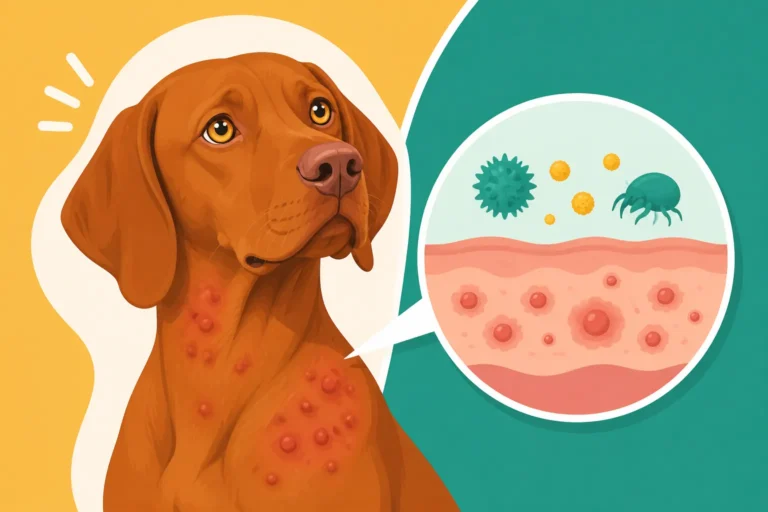
One of the major areas of concern that often ties into early loss is their immune system. Many Vizsla owners will tell you that their dogs seem to have a more sensitive system overall, and research backs this up. This predisposition manifests in various ways, from allergies to more severe autoimmune conditions. It’s Why a Vizsla's Immune System Is the Breed's Weak Point, making them susceptible to a range of diseases that can significantly impact their quality of life and longevity. Being aware of these inherent vulnerabilities allows us to work closely with our veterinarians, often advocating for more frequent screenings or specific diagnostic tests that might not be standard for other breeds.
Cancer: The Silent Threat to Our Red Dogs
If there’s one word that strikes fear into the heart of almost any dog owner, it’s cancer. And for Vizsla owners, this fear is often amplified, as cancer unfortunately claims a significant number of these dogs, often at what feels like far too young an age. It's a devastating reality to face, watching your vibrant, energetic companion slowly lose their spark to a disease that can be relentless. The Cancers That Take a Vizsla Early are a major concern for the breed, leaving many owners searching for answers and wishing they had more time.
Identifying Common Cancers in Vizslas
When we talk about cancer in Vizslas, it’s not a single entity; it encompasses a variety of malignant growths that can affect different organs and systems. While any dog can get cancer, certain types appear to be more prevalent in Vizslas. For instance, lymphoma, a cancer of the lymphatic system, is sadly common. Learning Whether a Vizsla Gets Lymphoma and how it presents can be crucial. This can often appear as enlarged lymph nodes, lethargy, or loss of appetite, and unfortunately, it can progress quite rapidly.
Another particularly aggressive cancer that Vizslas are unfortunately prone to is hemangiosarcoma. This is a cruel disease that primarily affects the blood vessel lining, often striking the spleen, heart, or liver. Learning Whether a Vizsla Gets Hemangiosarcoma is important because it can be insidious, with few outward symptoms until it's very advanced, often presenting as a sudden collapse due to internal bleeding. Then there are mast cell tumors, which can appear as innocent-looking skin lumps but can be very aggressive depending on their grade and location. Knowing Lumps Worth Checking on a Vizsla is essential because these can metastasize quickly if not addressed. The unpredictable nature of these cancers is what makes them so terrifying for us.
The Aggressive Nature of Vizsla Cancers
What makes cancer in Vizslas particularly heartbreaking is not just its frequency, but often its aggressive nature. Many of the cancers common in the breed, such as lymphoma and hemangiosarcoma, are known for their rapid progression and tendency to metastasize quickly, meaning they spread to other parts of the body. This leaves a very narrow window for effective intervention and can make treatment challenging, both emotionally and financially. It’s a race against time, and sometimes, despite our best efforts, the disease simply outpaces us.
The impact of aggressive cancers on a Vizsla's vibrant personality can be profound. These are dogs that thrive on activity and connection, and to see them weakened, in pain, or simply losing their zest for life due to illness is truly gut-wrenching. The medical journey can involve numerous vet visits, diagnostic tests like ultrasounds and biopsies, chemotherapy, and sometimes surgery, all of which take a toll on both the dog and their human family. It's a testament to their incredible spirit that many Vizslas face these battles with courage, but the physical and emotional toll remains heavy.
Early Detection and Treatment Options
Given the aggressive nature of these cancers, early detection is absolutely paramount. Regular veterinary check-ups are non-negotiable, but as owners, we also need to be vigilant at home. This means routinely checking your Vizsla for any new lumps or bumps, paying attention to subtle changes in appetite, energy levels, breathing, or any unexplained weight loss. If you notice anything unusual, don't hesitate to contact your vet. It's always better to be overly cautious than to regret waiting.
When a cancer diagnosis is made, your veterinarian will discuss various treatment options, which might include surgery, chemotherapy, radiation, or palliative care. The specific approach will depend on the type and stage of cancer, as well as your Vizsla's overall health and your family's circumstances. Many owners find themselves grappling with difficult decisions, balancing quality of life with the intensity and cost of treatment. This is where having pet insurance like Healthy Paws can be an absolute lifeline, helping to alleviate some of the financial burden associated with extensive cancer treatments and allowing you to make decisions based on what's best for your dog, rather than your wallet.
Autoimmune Diseases: When Their Own Body Turns Against Them
Beyond cancer, autoimmune diseases represent another significant cause of concern and, sadly, sometimes death for our Vizslas. These conditions are particularly cruel because they involve the dog's own immune system mistakenly attacking healthy cells, tissues, or organs. It's as if their own body turns against them, creating chronic inflammation and damage. Given that Why Vizslas Carry So Much Immune Disease, it's no surprise these conditions often land them on the list of common causes of death or lead to a severely diminished quality of life.
The Pervasive Impact of Immune-Mediated Conditions
The range of autoimmune diseases that can affect Vizslas is broad, and their impact can be pervasive, touching almost every system in the body. One well-known example is Vizsla Inflammatory Polymyopathy (VIP), also known as masticatory myositis. This devastating condition primarily affects the muscles of the head, causing them to waste away, making it incredibly difficult for the dog to chew and swallow. The Muscle Disease Named After the Vizsla is a testament to how specific and severe some of these breed-specific conditions can be, ultimately leading to a decline in health and quality of life if not managed aggressively.
Beyond VIP, Vizslas can suffer from other immune-mediated conditions such as immune-mediated hemolytic anemia (IMHA) where the body destroys its own red blood cells, or immune-mediated thrombocytopenia (ITP) where platelets are attacked, leading to bleeding disorders. There's also Sebaceous Adenitis and the Vizsla That Loses Its Coat, a chronic inflammatory skin disease that, while not typically fatal on its own, severely impacts skin health and can lead to secondary infections and a reduced quality of life, requiring intensive management. These conditions demand a heightened level of awareness and often lifelong commitment to their care.
Recognizing the Subtle Signs of Autoimmune Issues
Autoimmune diseases can be tricky to diagnose because their initial symptoms are often subtle and can mimic other, less serious conditions. This makes recognizing the early signs incredibly important. For conditions like VIP, you might notice a gradual inability to open the mouth wide, difficulty eating kibble, or even a change in facial expression as muscles begin to atrophy. Spotting Swallowing Trouble in a Vizsla is a critical step, as aspiration pneumonia can be a fatal complication.
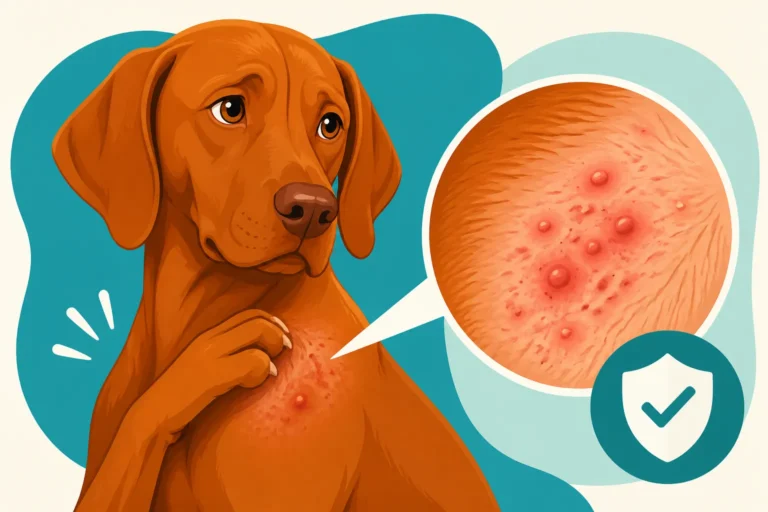
For systemic autoimmune diseases like IMHA or ITP, symptoms can be more generalized: lethargy, weakness, pale gums, easy bruising, or red spots on the skin. Skin conditions like Sebaceous Adenitis often start with dry, flaky skin, dull coat, and hair loss, often mistaken for allergies initially. The key is to pay attention to any persistent or recurring symptoms, even if they seem minor. Vizslas are stoic and will often try to hide discomfort, so a keen eye and a good relationship with your vet are your best assets. Never dismiss a gut feeling that something isn't quite right with your dog.
Managing Chronic Autoimmune Illnesses
Once diagnosed, managing chronic autoimmune illnesses in Vizslas often involves immunosuppressive medications, such as corticosteroids or cyclosporine, to calm the overactive immune system. The goal is to reduce inflammation, alleviate symptoms, and prevent further damage. This can be a delicate balancing act, as these medications have side effects and require careful monitoring. Owners often face the challenge of long-term medication administration, dietary adjustments, and specialized care routines.
For conditions like Sebaceous Adenitis, managing a Vizsla's Skin for Life involves regular medicated baths, oil soaks, and sometimes oral medications to keep the skin barrier healthy and prevent secondary infections. For more severe conditions like IMHA or VIP, the focus might be on aggressive initial treatment to stabilize the dog, followed by long-term maintenance. The financial strain of these chronic conditions can be considerable, covering medications, special diets, and frequent vet visits. This is another area where a comprehensive pet insurance plan, such as one from Healthy Paws, can be invaluable, offering coverage that helps offset the ongoing costs of these lifelong conditions.
Accidents and Acute Events: The Unpredictable Dangers
While chronic diseases account for a large percentage of Vizsla deaths, we cannot overlook the sudden, often unpredictable acute events and accidents that can also claim their lives. Vizslas are naturally athletic, driven, and often fearless dogs, especially when engaged in their beloved activities. This zest for life, while endearing, can sometimes put them in harm's way, leading to injuries or emergencies that require immediate and often costly veterinary intervention.
Field Injuries and Their Consequences
Vizslas were bred to be superb hunting partners, covering vast expanses of challenging terrain with incredible speed and endurance. This working heritage means many Vizslas spend significant time in fields, woods, and brush, which, unfortunately, comes with inherent risks. Cruciate Tears in a Working Vizsla are common, but more acutely dangerous are deep cuts from sharp branches, barbed wire, or encounters with wildlife. A simple run through thick cover can result in a severe laceration, a puncture wound, or even a broken bone.
These injuries, while treatable, can become life-threatening if they lead to significant blood loss, infection, or if they occur in a remote location far from veterinary care. A Vizsla's thin skin tears easily, and what might be a minor scrape for a heavier-coated dog can be a significant wound for them. The adrenaline of the hunt can also mask pain, making it difficult for owners to spot an injury immediately. Post-hunt checks are critical to catch issues like embedded grass seeds or minor cuts before they escalate into serious problems that could lead to sepsis or other severe complications.
The Risk of Bloat in Deep-Chested Breeds
Gastric Dilatation-Volvulus (GDV), commonly known as bloat, is a terrifying and rapidly fatal condition that disproportionately affects deep-chested breeds like the Vizsla. It occurs when the stomach fills with gas and then twists upon itself, trapping the gas and cutting off blood supply. This is an excruciating emergency that can kill a dog within hours if not treated surgically. Learning Whether a Vizsla Bloats is a sobering lesson for any owner of this breed.
The signs of bloat can appear suddenly: retching without vomiting, distended abdomen, restlessness, pain, and collapse. It's a true race against time, and immediate veterinary attention is crucial for survival. Because of this heightened risk, many Vizsla owners opt for a prophylactic gastropexy, a surgical procedure that permanently tacks the stomach to the abdominal wall, preventing it from twisting. Learning Whether a Vizsla Needs a Gastropexy is a discussion every Vizsla owner should have with their vet, especially if their dog is intact or engages in high-intensity exercise around meal times. This preventative surgery can literally be a lifesaver.
Everyday Hazards and Prevention
Beyond hunting and breed-specific emergencies, Vizslas, like all dogs, are susceptible to common household and environmental hazards that can lead to acute health crises or even death. Ingesting toxic substances, being hit by a car, or suffering from heatstroke are all tragic, preventable incidents. Because Vizslas are so curious, mouthy, and driven, they can be particularly prone to investigating anything that smells interesting. Whether a Vizsla Eats Things in the Field is a common concern for hunters, but it's just as relevant in a suburban backyard.
To prevent these tragedies, vigilance is key. Secure your yard, supervise your Vizsla closely when off-leash, and be mindful of what they can access both inside and outside the home. Know common household toxins (chocolate, certain plants, medications, cleaning supplies) and keep them well out of reach. In hot weather, always prioritize hydration and avoid strenuous exercise during the hottest parts of the day, as Vizslas can overheat quickly. Preparing for emergencies, knowing the location of your nearest emergency vet, and understanding basic first aid can also buy precious time. No one wants to imagine these scenarios, but a proactive approach is the best defense against the unpredictable.
Understanding Common Vizsla Health Challenges at a Glance
To help you keep track of the main health issues that can impact a Vizsla's lifespan, here's a quick overview of common causes of illness and mortality. Remember, this information is for awareness and not a diagnosis.
| Condition Category | Specific Conditions (Examples) | Typical Impact on Vizsla | Potential for Fatal Outcome | Common Age of Onset |
|---|---|---|---|---|
| Cancers | Lymphoma, Hemangiosarcoma, Mast Cell Tumors | Tumors, organ dysfunction, lethargy, weight loss, internal bleeding | High | Middle to Senior (can be younger for aggressive types) |
| Autoimmune Diseases | Vizsla Inflammatory Polymyopathy (VIP), IMHA, ITP, Sebaceous Adenitis | Muscle wasting, difficulty eating, anemia, bleeding disorders, skin issues | Moderate to High | Young adult to Senior (VIP often in young adults) |
| Acute Emergencies | Gastric Dilatation-Volvulus (Bloat), Severe Field Injuries | Acute abdominal pain, collapse, internal bleeding, sepsis, shock | Very High | All ages, especially active adults for injuries, middle-aged for bloat |
| Genetic/Developmental | Epilepsy, Hip/Elbow Dysplasia (less common direct cause of death, but impacts QOL) | Seizures, mobility issues, pain (indirectly contributes to other health problems) | Low to Moderate (Epilepsy complications) | Puppy to Young Adult |
| Organ Failure | Kidney Disease, Heart Conditions | Gradual decline, lethargy, vomiting, weight loss, fluid accumulation, sudden collapse | High | Senior |
This table highlights some of the critical areas to be aware of. While it's not exhaustive, it covers many of What Vizslas Are Most Often Treated For and those conditions that sadly lead to the loss of our cherished companions. Regular vet visits and a close eye on your Vizsla's behavior can make a world of difference.
Disclaimer
The information provided in this article is for general educational purposes only and is not intended as a substitute for professional veterinary advice. Always consult with a qualified veterinarian for any health concerns or before making any decisions about your Vizsla's care.