What a Gastropexy Costs on a Vizsla
It's one of the most terrifying things a Vizsla owner can face: the sudden, acute distress that signals bloat, or Gastric Dilatation-Volvulus (GDV). The rapid onset, the panicked trips to the emergency vet, and the harrowing thought of losing your beloved companion can leave you reeling. This guide aims to demystify one of the most crucial preventative measures against this silent killer—the gastropexy—and help you understand the potential costs involved, both for proactive care and in an emergency situation, so you can make informed decisions for your Vizsla's health and your peace of mind.
Understanding Bloat Risk in Vizslas and the Role of Gastropexy
Vizslas are magnificent dogs, full of energy and grace, but their unique physical build and high activity levels unfortunately place them at a higher risk for a life-threatening condition known as Gastric Dilatation-Volvulus (GDV), or bloat. This isn't just an upset stomach; it's a critical emergency where time is literally of the essence.
Why Vizslas Are Prone to Bloat
Anyone who lives with a Vizsla knows they are deep-chested, athletic dogs. This particular body type—a deep, narrow chest—is a significant predisposing factor for bloat. The stomach, suspended relatively freely within the abdominal cavity, has more room to swing and twist. Couple that with their energetic nature, their tendency to gulp food and water, and their propensity for vigorous exercise immediately after eating, and you have a recipe for potential disaster. Whether a deep chested Vizsla bloats is a real concern, and it's a fear that weighs heavily on many Vizsla parents. Bloat happens when the stomach fills with gas and then twists on itself, cutting off blood supply and trapping the gas. This causes immense pain and, without immediate surgical intervention, is almost always fatal. The pressure can also impede breathing and affect blood flow to other organs, rapidly leading to shock.
What a Gastropexy Does
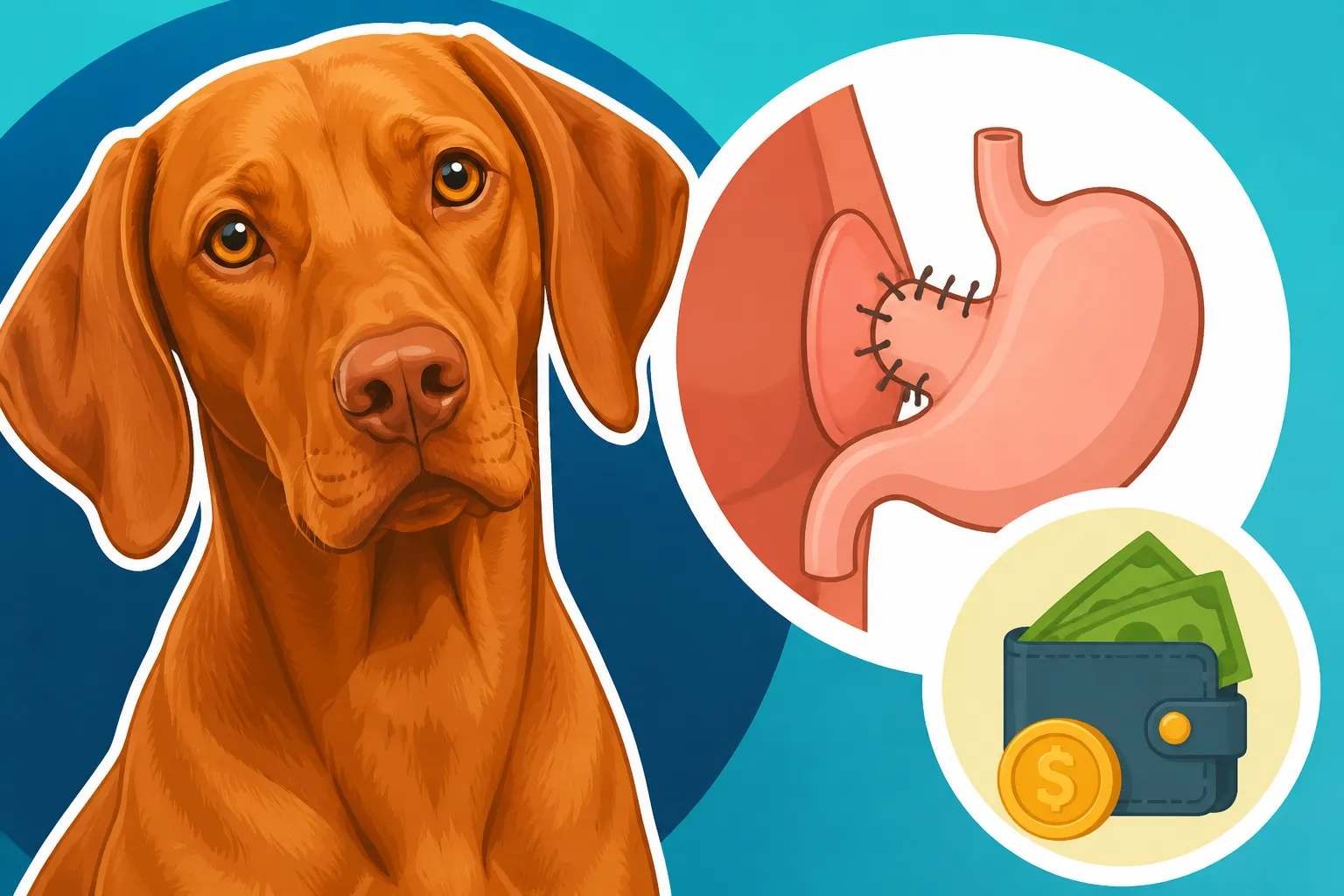
A gastropexy is a surgical procedure designed to prevent the stomach from twisting in the event of bloat. It essentially tacks, or permanently attaches, a portion of the stomach wall to the abdominal wall. Think of it like securing a loose sail to prevent it from flapping wildly in a storm. While a gastropexy doesn't prevent the stomach from dilating (filling with gas), it critically prevents the second, more dangerous stage: the volvulus, or twisting. This means that if your Vizsla still bloats, it will be a much less severe, and often treatable, condition because the stomach cannot twist and cut off its own blood supply. It transforms a deadly emergency into a manageable, albeit still serious, situation. This preventative measure gives owners and veterinarians precious time that otherwise wouldn't exist.
Prophylactic vs. Emergency Gastropexy
There's a significant difference between a planned, prophylactic gastropexy and an emergency gastropexy performed during an active bloat episode. A prophylactic gastropexy is typically performed electively, often at the same time as spaying or neutering, when your Vizsla is healthy and stable. Because it's a planned surgery, the veterinary team can be fully prepared, your dog's health can be optimized, and the procedure is generally less complex and shorter.
An emergency gastropexy, on the other hand, occurs when your Vizsla is already in crisis, actively bloated and potentially in shock. This surgery is much more complicated, more time-sensitive, and carries significantly higher risks due to the dog's compromised state. The stomach often needs to be decompressed and untwisted before it can be tacked, and there may be damage to the stomach wall or other organs. The choice between these two scenarios isn't just about cost; it's about life or death, and often, the long-term recovery and prognosis for your beloved Vizsla.
Factors Influencing Gastropexy Costs for Your Vizsla
When considering a gastropexy for your Vizsla, the cost isn't a single, fixed number. It's a spectrum influenced by several key factors. Understanding these elements can help you prepare financially and make informed decisions.
Geographic Location and Veterinary Practice
Just like human medical procedures, veterinary costs can vary significantly based on where you live and the type of clinic you choose. A prophylactic gastropexy in a rural area, where overheads are generally lower, might be less expensive than the same procedure in a bustling urban center or a high-cost-of-living region. Similarly, a general veterinary practice might charge differently than a large veterinary hospital with specialist surgeons and state-of-the-art equipment. If your Vizsla requires an emergency gastropexy, the cost will almost certainly be higher due to the urgent nature, potential for after-hours care, and the necessary stabilization before and during surgery. Emergency vet clinics, open 24/7, typically have higher operating costs which are reflected in their service fees.
Surgical Technique and Technology
The method used for the gastropexy can also influence the overall cost. Traditionally, gastropexy is performed via open abdominal surgery, which involves a larger incision. This method is effective but typically has a longer recovery time. A less invasive option, laparoscopic gastropexy, uses small incisions and a camera to guide the surgeon. This technique often leads to less pain, faster recovery, and reduced scarring. However, laparoscopic equipment is specialized and expensive, and not all clinics offer this service. If they do, the cost for a laparoscopic procedure might be higher upfront due to the technology and specialized training required. Discussing the pros and cons of each technique with your veterinarian, including recovery times and potential complications, will help you decide which is best for your Vizsla and your budget.
Pre-surgical Workup and Post-operative Care
A gastropexy, whether prophylactic or emergency, isn't just the surgery itself. It involves a range of services before and after the main event that contribute to the total cost. For a prophylactic procedure, your Vizsla will need a thorough pre-surgical workup, which typically includes blood tests to assess organ function and ensure they are healthy enough for anesthesia. Whether a Vizsla needs a yearly blood panel is a good question to ask your vet, as regular screening can catch issues early. There might also be a physical exam, and sometimes chest X-rays to check heart and lung health. These diagnostic steps are crucial for minimizing anesthetic risks.
Post-operatively, your Vizsla will need pain medication, antibiotics (sometimes), and follow-up visits to ensure proper healing. They'll likely wear an E-collar to prevent licking the incision site. For emergency bloat surgery, the pre-surgical stabilization can be extensive, involving IV fluids, pain management, and addressing shock. Post-operative care is also much more intensive, often requiring several days of hospitalization, continuous monitoring, and more advanced pain protocols. All these components, from the initial consultation to the final suture removal, are integral parts of the overall cost and should be factored into your financial planning.
Navigating the Financial Aspect of Gastropexy
The cost of veterinary care, especially surgical procedures, can be a significant concern for pet parents. However, there are ways to manage these expenses, particularly when it comes to preventative measures like a gastropexy.
Pet Insurance Coverage
Pet insurance can be a literal lifesaver when unexpected veterinary bills arise, and it can also help cover the cost of a prophylactic gastropexy if your policy includes it. Many reputable providers, such as Healthy Paws, offer different levels of coverage. It's crucial to thoroughly review policy details, as preventative or elective surgeries might be covered differently than emergency procedures. Some policies may cover prophylactic gastropexy if it's considered medically necessary due to breed predisposition, while others might only cover it if performed in conjunction with another covered procedure like spaying or neutering.
If your Vizsla ends up needing an emergency gastropexy for bloat, pet insurance can make a monumental difference. The costs for emergency surgery, hospitalization, and intensive care can quickly climb, reaching figures that are challenging for most families to manage out of pocket. Be aware of waiting periods—most policies have them before coverage kicks in, so don't wait until an emergency strikes to consider insurance. Also, understand that pre-existing conditions are typically not covered. Insuring a Vizsla Against Immune Disease is also a smart move, given the breed's predispositions. Always clarify with your insurance provider what is covered and what isn't, especially concerning hereditary or breed-specific conditions like bloat. Also confirm Whether hunting injuries are covered on a Vizsla if your dog is actively working, as this can be a separate consideration for field-bred dogs.
Payment Options and Financial Planning
Even with insurance, there can be deductibles, co-pays, or procedures not fully covered. It's wise to discuss payment options with your veterinary clinic. Many practices offer payment plans or work with third-party financing companies that provide deferred interest payment options. Setting aside an emergency fund specifically for your Vizsla's health needs is another proactive step. Just a small amount saved regularly can accumulate into a substantial cushion for unforeseen circumstances. Consider creating a dedicated savings account or using a flexible spending account if your workplace offers one. Proactive planning helps alleviate the stress of making tough medical decisions under financial pressure.
The Cost Comparison: Prophylactic vs. Emergency
To give you a clearer picture, here's a general comparison of the cost components involved in both types of gastropexy. Remember, these are broad categories, and specific prices will vary wildly.
| Cost Component | Prophylactic Gastropexy (Planned) | Emergency Gastropexy (Crisis) |
|---|---|---|
| Pre-surgical Care | Standard blood work, physical exam. Generally minimal. | Extensive blood work, IV fluids, shock treatment, pain management. Intensive. |
| Anesthesia | Routine anesthesia, often combined with spay/neuter. | Extended anesthesia, higher risk monitoring due to patient instability. |
| Surgical Procedure | Tacking stomach to abdominal wall. Shorter, less complex. | Decompressing/untwisting stomach, checking for tissue damage, then tacking. Longer, complex, high-risk. |
| Post-operative Care | Pain medication, light monitoring, discharge often same day or next. | Multiple days hospitalization, 24/7 monitoring, intensive care, advanced pain meds. |
| Medications | Oral pain meds for home. | IV pain meds, antibiotics, anti-nausea, shock medications. |
| Facility Fees | Standard operating room time. | Emergency room fees, after-hours surcharge, extended hospitalization. |
| Specialist Fees | May involve a board-certified surgeon for laparoscopic. | Often involves emergency and critical care specialists. |
This table illustrates why an emergency procedure is almost always significantly more expensive. The urgency, the dog's compromised health, and the need for immediate, intensive care drive up the costs dramatically compared to a planned, elective surgery.
Beyond the Surgery: Long-term Care and Prevention
While a gastropexy is an incredible preventative measure against the most severe consequence of bloat, it's not a magic bullet that negates all digestive worries. Continuing with thoughtful care and management for your Vizsla is essential for their overall well-being.
Lifestyle Adjustments for a Gastropexied Vizsla
Even after a gastropexy, mindful feeding and activity habits are important to promote overall digestive health and prevent the stomach from dilating excessively. One of the primary recommendations is to feed smaller, more frequent meals throughout the day rather than one or two large ones. This can reduce the amount of food and gas in the stomach at any given time. Many Vizsla owners also find success with slow feeder bowls, which encourage dogs to eat at a more measured pace, reducing the amount of air they gulp down with their kibble. You can find excellent slow feeder options at retailers like Chewy.
Another critical adjustment involves exercise. It's generally advised to avoid vigorous exercise or excessive drinking immediately before or after meals. A good rule of thumb is to allow your Vizsla to rest for at least an hour before and after eating. This prevents the stomach from bouncing around too much while full. Whether a Vizsla should rest after eating is an important consideration for preventing bloat even after a gastropexy, as the stomach can still fill with gas and cause discomfort, even if it can't twist. Monitor your Vizsla for any signs of discomfort or abdominal distention, and always know your emergency vet's number.
Monitoring for Other Digestive Issues
While a gastropexy addresses the twisting of the stomach, Vizslas can still be prone to other digestive sensitivities. They are known for having somewhat sensitive stomachs, and various factors, from food intolerances to stress, can manifest as gastrointestinal upset. Whether a Vizsla has a sensitive stomach is a common concern among owners. Keep an eye out for signs like chronic vomiting, diarrhea, loss of appetite, or excessive gas. These aren't related to bloat, but they indicate other digestive issues that need attention. Whether a Vizsla gets colitis, an inflammation of the colon, is another condition some Vizslas may experience, leading to symptoms like mucousy or bloody diarrhea. Regular check-ups with your vet are crucial to catch these issues early and manage them effectively, ensuring your Vizsla stays comfortable and healthy.
Nutritional Considerations
The right diet plays a vital role in your Vizsla's overall digestive health, especially for these high-energy dogs. Given their active lifestyle, some Vizslas, particularly those who hunt or compete, may benefit from a performance-oriented diet. Whether a Vizsla needs a performance formula depends on their individual energy output and metabolism. These formulas are often higher in calories and specific nutrients to support sustained activity. For Vizslas with sensitive stomachs, a diet with easily digestible ingredients or novel proteins might be recommended by your vet.
Exploring different food types, such as fresh food diets, can also be beneficial. Companies like Ollie offer fresh, human-grade food options that some owners find improve their Vizsla's digestion and coat health. Whatever food you choose, ensure it's a high-quality, balanced diet that meets your Vizsla's specific needs. Always introduce new foods gradually to avoid upsetting their system. Good nutrition is the foundation of a healthy gut, and a healthy gut is a happy Vizsla.
A gastropexy is a significant decision, but for many Vizsla owners, it offers invaluable peace of mind against the devastating threat of bloat. Understanding the procedure, the factors influencing its cost, and how to financially prepare allows you to make the best choice for your cherished canine companion, ensuring they can continue to live their energetic, loving lives to the fullest.
Disclaimer
This article is for general informational purposes only and does not constitute professional advice. Laws, prices and regulations vary by location and change over time. Consult a qualified professional for guidance on your specific situation.