Whether a Vizsla’s Coat Loss Is Thyroid or Skin Disease
It’s truly disheartening when your vibrant, energetic Vizsla starts losing their beautiful golden-rust coat, leaving you worried and searching for answers. The smooth, sleek fur is one of their hallmarks, and seeing it thin or fall out can be a distressing sign that something isn't quite right. Pinpointing the exact cause can feel like a detective mission, especially since common culprits like thyroid issues and various skin diseases can present with similar symptoms. This guide aims to demystify these frustrating conditions, helping you understand the differences, recognize the signs, and work with your veterinarian to get your beloved Vizsla back to their healthy, full-coated self.
Delving into Thyroid-Related Coat Loss in Vizslas
When a Vizsla starts losing its coat, one of the first things a concerned owner and experienced veterinarian will often consider is the thyroid. Hypothyroidism, a condition where the thyroid gland doesn't produce enough hormones, is unfortunately not uncommon in our beloved breed and can have a significant impact on their skin and coat health. It’s a systemic issue, meaning it affects the entire body, and the coat changes are just one piece of a larger puzzle.
How Hypothyroidism Affects a Vizsla's Coat
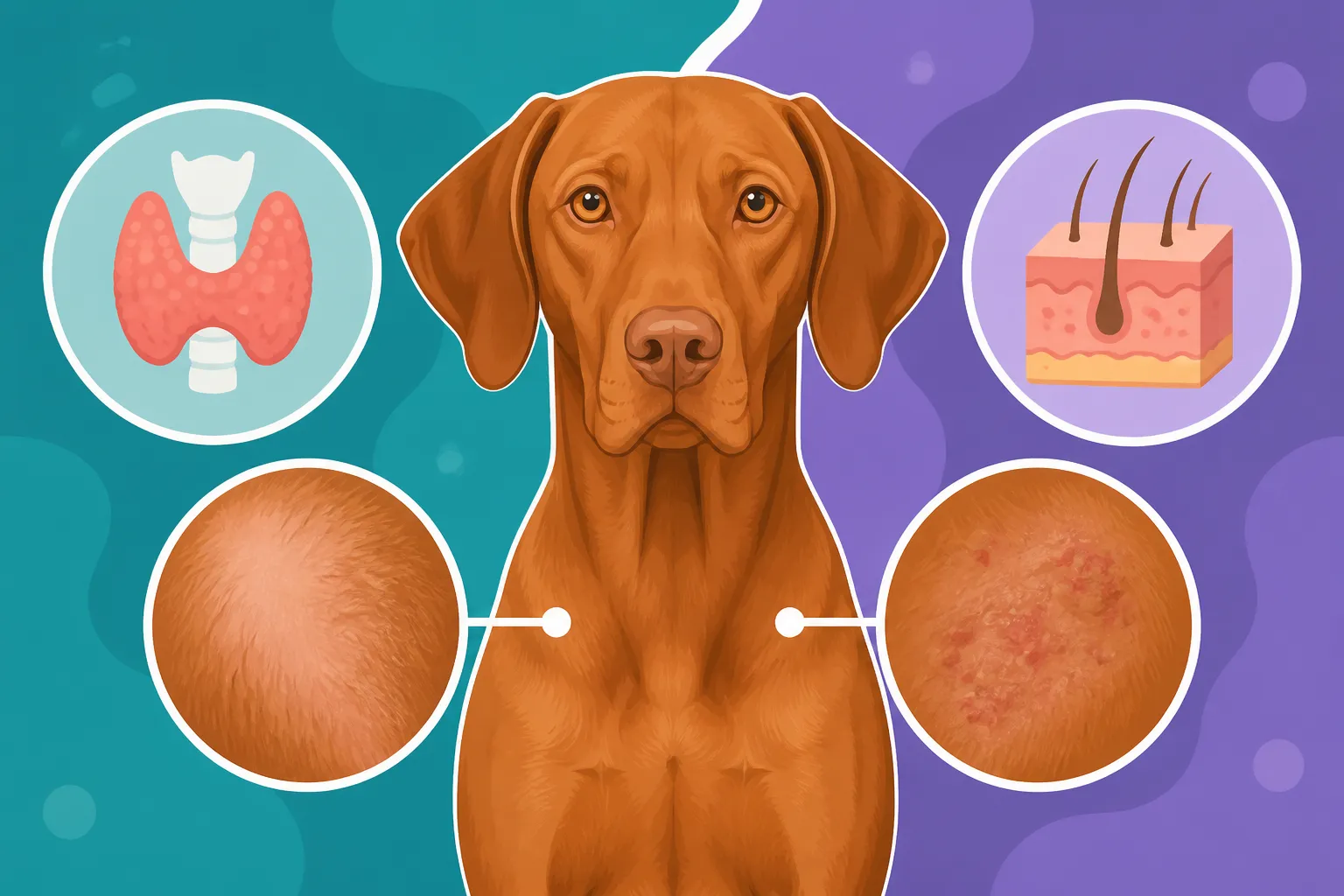
Thyroid hormones play a crucial role in maintaining healthy skin and hair follicles. When these hormones are deficient, the hair growth cycle slows down dramatically, or hairs simply stop growing altogether. You might notice the coat becoming dull, brittle, and sparse. The hair loss often begins symmetrically, affecting both sides of the body equally, which is a key indicator. Typically, you'll see it on the flanks, chest, and tail, areas where friction or pressure might already be a factor. The skin itself can also become dry and flaky, sometimes even developing a greasy feel or becoming thickened and pigmented over time, often referred to as "rat tail" or "puppy coat" if it persists into adulthood.
Beyond just the hair falling out, you might also observe that the remaining hair feels coarse or doesn't have that characteristic Vizsla sheen. It’s not usually itchy in the way an allergy might be, which is a subtle but important distinction. This slow, non-itchy progression of hair loss, particularly in symmetrical patterns, really points towards an internal metabolic issue rather than an external irritant. Understanding these specific changes helps your vet differentiate it from other problems. For a deeper dive into how this condition specifically impacts their fur, you might want to read our article on Thyroid Failure and the Vizsla's Coat].
Other Telltale Signs of a Failing Thyroid
Coat loss is rarely the only symptom of hypothyroidism. Since the thyroid gland regulates metabolism, a lack of hormones can lead to a whole host of other noticeable changes. Many Vizsla owners report a significant drop in their dog's energy levels; your once tireless hunting companion might become lethargic, sleeping more, and showing less enthusiasm for walks or playtime. They might also gain weight despite no change in diet or exercise, a truly frustrating scenario for a breed known for its lean physique.
You might also observe that your Vizsla is unusually sensitive to cold, seeking out warm spots or shivering even indoors, which is particularly notable for a breed with such a thin coat. Mentally, they might seem a bit duller, or even develop a "tragic" facial expression due to changes in muscle tone. Reproductive problems, such as irregular heat cycles in females, can also be a sign. Recognizing these accompanying symptoms is vital because they help paint a clearer picture for your veterinarian, guiding them toward the correct diagnosis. If you're seeing more than just hair loss, take a look at our article on Signs a Vizsla's Thyroid Has Failed] for a more complete list of what to watch for.
Understanding Skin Disease and Its Impact on a Vizsla's Coat
While thyroid issues can cause coat loss, a myriad of primary skin diseases can also be the culprit. These conditions often manifest very differently, both in how they look and how they make your Vizsla feel. It's not always just about the hair; the underlying skin can be inflamed, itchy, or infected, leading to a whole different set of clues for diagnosis.
Common Skin Ailments Causing Hair Loss
Vizslas, with their delicate skin and somewhat sensitive immune systems, are unfortunately prone to several dermatological issues that can lead to significant coat loss. One particularly frustrating condition is Sebaceous Adenitis (SA), an autoimmune disease that targets and destroys the sebaceous glands, which produce the natural oils that keep skin and hair healthy. When these glands are damaged, the hair follicles become brittle, the coat thins or falls out in patches, and the skin often becomes dry, flaky, and scaly. This condition can sometimes be mistaken for hypothyroidism due to the nature of the hair loss, but SA often involves more noticeable skin texture changes and inflammation. To understand more about this specific disease, you can check out our article What Sebaceous Adenitis Does to a Vizsla].
Another major category is allergies, including environmental allergies (atopic dermatitis) or food allergies. These conditions often cause intense itching, leading your Vizsla to scratch, lick, or chew themselves raw, which then results in secondary hair loss, skin irritation, and even infections. Parasites like fleas, mites (demodex or sarcoptes), and fungal infections (ringworm) are also common culprits that cause localized or widespread hair loss, often accompanied by severe itching, redness, and scabs. Each of these conditions has its own specific presentation, and understanding them is the first step toward effective treatment. Our article on Whether a Vizsla Gets Atopic Dermatitis] offers more insights into managing allergy-related skin issues.
How Skin Disease Manifests in the Coat and Skin
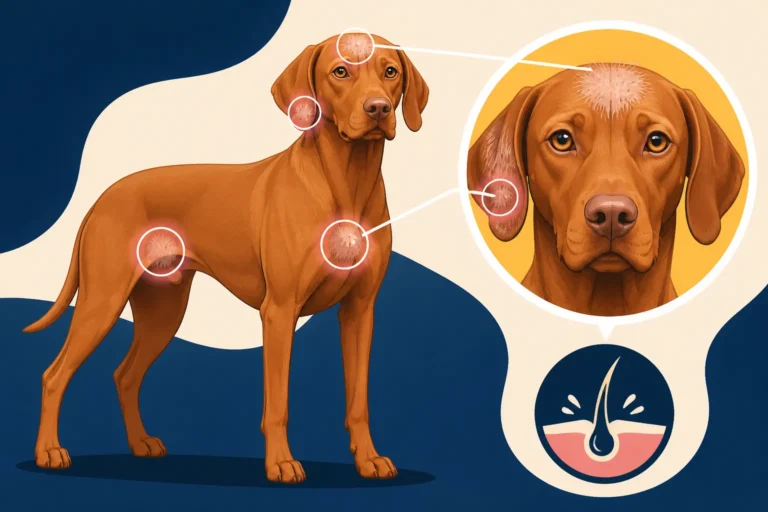
Unlike the often symmetrical and non-itchy hair loss seen with thyroid issues, coat loss due to primary skin disease is frequently more patchy, irregular, and localized. You might see specific areas affected, such as around the ears, eyes, paws, or along the back. The most defining characteristic, however, is often intense pruritus, or itching. Your Vizsla will be visibly uncomfortable, constantly scratching, rubbing, or licking, which only exacerbates the hair loss and can lead to secondary skin trauma.
The skin itself will tell a story: redness, inflammation, pustules, scabs, crusts, or a greasy feel are all common signs of skin infection or irritation. You might also notice a strong, unpleasant odor if there's a bacterial or yeast infection brewing, something that typically isn't present with uncomplicated hypothyroidism. Sometimes, the skin can thicken and darken in chronically affected areas, a condition called lichenification. Observing these details carefully and noting when the problem started, where it's located, and if your Vizsla is itchy, can provide critical information for your vet. Many owners find themselves asking Whether a Vizsla's Skin Flakes Badly] due to various skin conditions, highlighting how prevalent these issues can be.
Key Differences and Diagnostic Steps to Take
Distinguishing between coat loss caused by a thyroid imbalance and that stemming from a skin disease can be tricky, even for experienced veterinarians, because some symptoms can overlap. However, there are definitive diagnostic pathways that your vet will follow to get to the root of the problem. It’s a process of elimination, careful observation, and targeted testing to ensure your Vizsla gets the right treatment.
Visual Clues and Symptom Comparison
While a thorough veterinary examination is indispensable, understanding the general differences in how these conditions present can help you provide better information to your vet.
| Feature | Hypothyroidism | Primary Skin Disease (e.g., SA, Allergies, Parasites) |
|---|---|---|
| Coat Loss Pattern | Symmetrical, often on flanks, chest, tail. Slow progression. | Patchy, irregular, localized. Can be rapid. |
| Itchiness | Generally not itchy. | Often intensely itchy (pruritic), leading to self-trauma. |
| Skin Appearance | Dry, flaky, thickened, sometimes greasy. | Red, inflamed, scabby, crusty, pustules, lichenified. |
| Hair Quality | Dull, brittle, sparse, sometimes "rat tail." | Brittle, broken hairs from scratching, often matted. |
| Odor | Typically absent, unless secondary infection. | Often present if secondary bacterial/yeast infection. |
| Other Symptoms | Lethargy, weight gain, cold intolerance, dullness. | Varies by condition; no systemic signs unless severe. |
This table provides a quick guide, but remember that individual dogs can present atypically. For instance, a Vizsla with chronic skin disease might eventually develop secondary infections that make them lethargic, blurring the lines a bit. This is why professional veterinary evaluation is paramount.
The Diagnostic Process
When you bring your Vizsla to the vet for coat loss, they'll start with a comprehensive physical examination, taking into account all their symptoms and your observations. They'll look for symmetry in the hair loss, examine the quality of the remaining hair, and meticulously check the skin for any signs of inflammation, parasites, or lesions.
- Blood Work for Thyroid Function: To rule out or confirm hypothyroidism, your vet will perform specific blood tests. These usually include a total T4 (thyroxine) level, free T4 (fT4), and often TSH (thyroid-stimulating hormone). A low T4 combined with a high TSH is a strong indicator of primary hypothyroidism. Sometimes, additional tests or a re-test after a few weeks might be recommended, as thyroid levels can fluctuate. It’s often part of a routine check, as knowing Whether a Vizsla's Thyroid Should Be Tested Yearly] can help catch issues early.
- Skin Diagnostics: If thyroid issues are ruled out, or if the skin symptoms are more prominent, your vet will turn their attention to the skin itself.
- Skin Scrapings and Hair Plucks: These are simple, quick tests where the vet scrapes a small area of skin or plucks hairs to examine under a microscope for mites (like Demodex or Sarcoptes) or fungal elements.
- Cytology: A swab or impression smear of the skin can be taken to look for bacteria or yeast, which are common secondary invaders in inflamed skin.
- Fungal Culture: If ringworm is suspected, hair and skin scales might be sent to a lab for fungal culture.
- Skin Biopsy: For more complex or persistent skin conditions, especially those resembling autoimmune issues like Sebaceous Adenitis, a skin biopsy might be necessary. This involves taking a small tissue sample, which is then sent to a dermatopathologist for microscopic examination. This is often the most definitive way to diagnose specific inflammatory or autoimmune skin conditions. Learning Whether a Skin Biopsy Confirms It in a Vizsla] can provide clarity on difficult cases.
- Allergy Testing: If allergies are suspected, your vet might recommend a food elimination diet or refer you to a veterinary dermatologist for intradermal skin testing or blood allergy tests.
This thorough diagnostic approach is critical because treating the wrong condition won't help your Vizsla, and could even cause further problems. Pet insurance providers like Healthy Paws can often provide significant peace of mind when facing multiple diagnostic tests and specialist referrals.
Long-Term Management and Support for Your Vizsla
Once your veterinarian has pinpointed whether your Vizsla's coat loss is due to thyroid disease or a specific skin condition, the journey shifts to effective management and ongoing support. Both types of conditions often require long-term care, and your commitment as an owner is key to keeping your Vizsla comfortable and healthy.
Treating Thyroid Imbalance
If your Vizsla is diagnosed with hypothyroidism, the good news is that it's typically very manageable with medication. The standard treatment involves daily oral synthetic thyroid hormone supplementation, usually in the form of levothyroxine. Your vet will prescribe a specific dosage, and your Vizsla will need regular blood tests (initially every few weeks, then every 6-12 months) to ensure the medication levels are optimized.
It's common to see improvements in energy levels and attitude within a few weeks, with coat regrowth taking a bit longer – sometimes several months. The aim is to get your Vizsla’s thyroid hormones back into a normal range, which will not only restore their coat but also their overall vitality and metabolism. This medication is usually lifelong, but it allows your Vizsla to live a completely normal, active life. Many Vizsla owners wonder Whether Thyroid Medication Works on a Vizsla], and the answer is overwhelmingly yes, with proper dosing and monitoring. While the cost of lifelong medication might seem daunting, understanding pet insurance plans from providers like Healthy Paws can help cover these ongoing expenses, making chronic conditions more affordable.
Managing Chronic Skin Conditions
Treating skin conditions depends entirely on the diagnosis.
- For Sebaceous Adenitis: There is no cure, but it can be managed. Treatment often involves a multi-pronged approach:
- Topical Therapies: Regular bathing with medicated shampoos to remove scales and excess oil, and oil soaks (e.g., using mineral oil) to help moisturize the skin and unclog follicles.
- Systemic Medications: Immunosuppressants like cyclosporine can be very effective in halting the immune system's attack on the sebaceous glands. Omega-3 fatty acid supplements are also often recommended for their anti-inflammatory properties and skin health benefits.
- For Allergies: Management can be complex and includes identifying and avoiding triggers (if possible for food or environmental), antihistamines, prescription medications (like Apoquel or Cytopoint), medicated shampoos, and sometimes immunotherapy (allergy shots). Secondary bacterial or yeast infections, which often accompany allergies, will need specific antibiotics or antifungals.
- For Parasites: Treatments are usually straightforward, involving specific anti-parasitic medications for mites or fleas.
Long-term skin care, especially for conditions like SA or severe allergies, is a commitment. It might involve regular medicated baths, daily supplements, and routine vet visits to monitor progress and adjust treatments. Keeping on top of these issues is crucial for your Vizsla's comfort and coat health, and there are many resources available for Managing a Vizsla's Skin for Life]. Having robust pet insurance can be incredibly helpful for covering the costs of specialized diets, prescription medications, and frequent veterinary consultations required for managing chronic skin diseases.
Lifestyle and Nutritional Support
Regardless of the underlying cause, providing excellent general care and nutrition can support your Vizsla’s recovery and overall health. A high-quality diet rich in omega-3 and omega-6 fatty acids can promote healthy skin and coat, aiding in recovery from either thyroid or skin issues. Supplements like fish oil or specific dermatological supplements might be recommended by your vet. Ensuring your Vizsla gets enough exercise (which they always need!) and mental stimulation also contributes to their general well-being and immune function. Regular grooming, even just a gentle brushing, can help distribute natural oils and stimulate circulation, further supporting coat health. Remember, whether it’s a thyroid condition or a skin disease, a holistic approach that includes good nutrition, regular exercise, and consistent veterinary care is the best way to ensure your Vizsla stays happy, healthy, and as comfortable as possible for The Twelve to Fourteen Years a Vizsla Lives].
Disclaimer
Please remember that the information provided in this article is for educational purposes only and is not a substitute for professional veterinary advice. If your Vizsla is experiencing coat loss or any other concerning symptoms, always consult with a qualified veterinarian for an accurate diagnosis and personalized treatment plan.