Whether an Epileptic Vizsla Should Be Bred
Discovering that your beloved Vizsla suffers from epilepsy is heartbreaking, and it naturally brings up a lot of difficult questions, especially if you had considered breeding them. It's an incredibly tough spot to be in, weighing the love for your individual dog against the responsibility to the future health of the breed. This guide is here to walk you through the complex considerations and provide clear, empathetic insight into whether an epileptic Vizsla should be part of a breeding program.
Understanding Vizsla Epilepsy and Its Inheritance
Epilepsy in dogs, particularly in specific breeds like the Vizsla, isn't just a random occurrence; there's a strong genetic component at play that makes this condition a serious concern for breeders and owners alike. It’s a chronic neurological disorder characterized by recurrent, unprovoked seizures, and it impacts a dog's quality of life significantly.
The Genetic Component of Vizsla Epilepsy
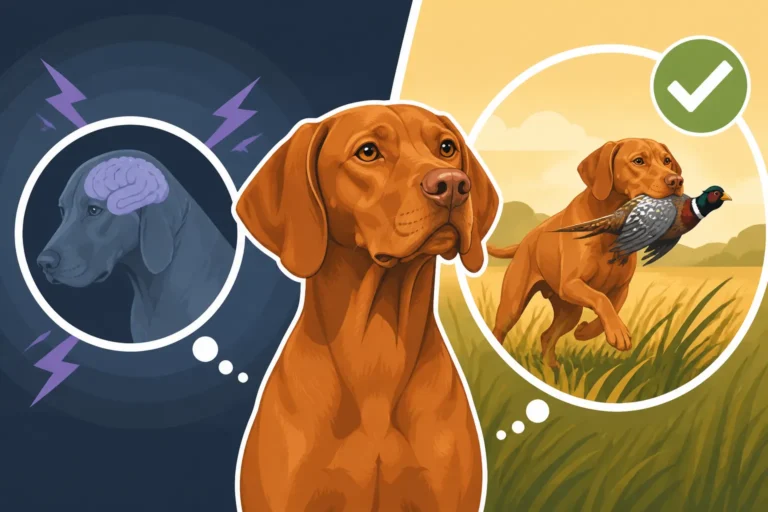
When we talk about epilepsy in Vizslas, we're almost always referring to idiopathic epilepsy, which means there's no identifiable underlying cause other than genetics. This isn't like a seizure caused by trauma or a toxin; it's a predisposition passed down through generations. While science hasn't pinpointed a single, simple "epilepsy gene" in Vizslas yet – it's often polygenic, meaning multiple genes likely contribute – the evidence for its inherited nature is overwhelming. Breeders who have been meticulous in their record-keeping can often trace the incidence of seizures through specific lines, highlighting this inherited tendency. This complex inheritance pattern makes it tricky, as even dogs that don't show symptoms themselves can carry and pass on the genes responsible. Understanding The Age Epilepsy Starts in a Vizsla can often give clues to its genetic origin, as most idiopathic cases manifest between six months and five years of age.
Identifying Seizures and Diagnosis
For an owner, spotting a seizure can be terrifying. It's not always the dramatic, full-body convulsions many people imagine. Seizures in Vizslas can manifest in various ways, from subtle twitching and 'fly-biting' to staring spells, or more classic grand mal seizures with loss of consciousness and paddling. The first step, if you suspect your Vizsla is having seizures, is always a prompt veterinary visit. A definitive diagnosis of idiopathic epilepsy typically involves ruling out other potential causes through blood tests, MRI scans, and sometimes spinal taps. This process can be extensive and emotionally draining, confirming that what you're seeing isn't a temporary issue but a chronic condition. Once diagnosed, the focus shifts to Managing a Vizsla That Seizures to improve their quality of life.
The Impact of Epilepsy on a Vizsla's Life
Living with an epileptic Vizsla means a commitment to ongoing care. While medication often helps control the frequency and severity of seizures, it rarely eliminates them entirely. Dogs on anti-epileptic drugs need regular veterinary check-ups and blood work to monitor medication levels and organ function. Owners often become acutely aware of What Triggers Seizures in a Vizsla, trying to minimize stress, loud noises, or certain activities that might precipitate an episode. The daily routine often revolves around consistent medication schedules, careful observation, and being prepared for a seizure at any moment. This deeply affects the dog's life, and by extension, the entire family's. It's not just a health issue; it's a lifestyle adjustment.
Ethical Considerations in Breeding Epileptic Vizslas
The decision to breed any dog carries immense responsibility, but when a dog has a known genetic condition like epilepsy, the ethical considerations become even more profound. It's about looking beyond the individual animal and considering the broader impact on the breed and future generations of dogs and their human companions.
The Responsible Breeder's Dilemma
For a truly responsible Vizsla breeder, the health and welfare of their puppies, and by extension, the entire breed, should always be paramount. Discovering that a cherished breeding dog has epilepsy, or has produced offspring with epilepsy, creates a significant ethical dilemma. On one hand, you may adore your dog's temperament, structure, and working ability – all the qualities you initially sought to perpetuate. On the other hand, knowingly breeding a dog that carries a serious genetic predisposition, even if it's a beloved family member, goes against the core principles of responsible breeding. The goal is to improve the breed, not to unknowingly or knowingly contribute to the spread of debilitating diseases. It's a painful decision, but a necessary one for the integrity of your breeding program and the well-being of future puppies.
Passing on the Predisposition
The stark reality is that if a Vizsla has idiopathic epilepsy, they carry the genetic blueprint for the condition. Breeding them means there's a significant risk of passing that predisposition on to their offspring. Even if a puppy from an epileptic parent doesn't develop seizures themselves, they could be carriers, unknowingly spreading the genes further into the Vizsla gene pool. This isn't just a theoretical risk; it's a tangible one that contributes to the overall genetic burden of the breed. Each time an affected dog is bred, the prevalence of epilepsy in the Vizsla population incrementally increases, making it harder for future generations of breeders and owners to find healthy dogs. This is why careful consideration of health, not just conformation or working titles, is crucial in selecting breeding stock. It’s also why exploring topics like Whether Polymyopathy Runs in Vizsla Lines or Whether Sebaceous Adenitis Is Painful for a Vizsla are vital discussions among conscientious breeders, highlighting the interconnectedness of genetic health issues.
The Financial and Emotional Toll on Owners
Beyond the moral imperative for breeders, there's the very real financial and emotional burden placed on the families who adopt puppies from affected lines. Managing a chronic condition like epilepsy involves regular vet visits, costly medications, and potentially emergency care during severe seizures. The cost of What a Vizsla Costs a Year to Keep can quickly escalate when dealing with ongoing health issues. Imagine the stress of seeing your beloved companion suffer, the sleepless nights, and the constant worry about the next seizure. This isn't just about money; it's about the profound emotional toll it takes on a family. Pet insurance, such as a plan from Healthy Paws, can certainly help mitigate some of the financial strain, offering peace of mind when unexpected or chronic health issues arise. However, even the best insurance can't alleviate the emotional anguish of watching your dog seize, or the constant vigilance required. Responsible breeders strive to spare future owners from this hardship, ensuring that puppies are as healthy as possible from the outset.
Screening and Prevention Strategies for Vizsla Breeders
While idiopathic epilepsy is complex, responsible Vizsla breeders can and should implement rigorous screening and prevention strategies to minimize its occurrence in their lines. This commitment is vital for the long-term health and reputation of the breed.
Health Testing Beyond the Basics
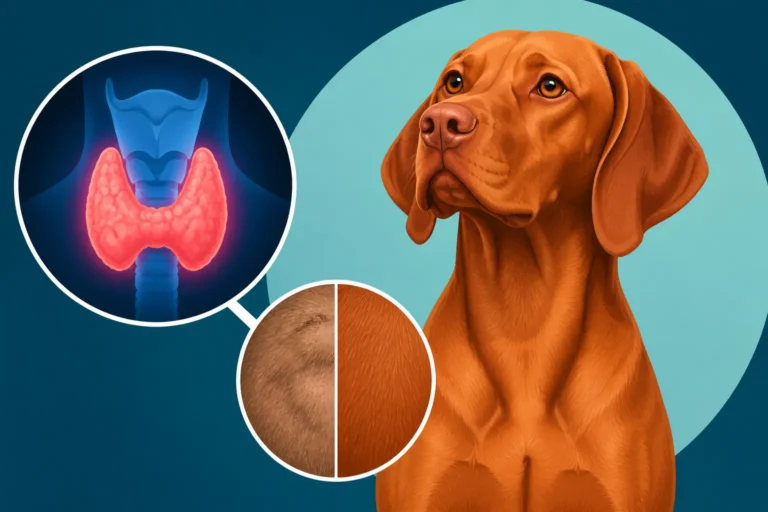
Currently, there isn't a single, definitive DNA test that can perfectly predict idiopathic epilepsy in Vizslas, which adds to the challenge. However, this doesn't mean breeders are powerless. Comprehensive health testing for breeding dogs should always go beyond the basic hip and eye certifications. Breeders should investigate any history of seizures in their dog's pedigree, looking back several generations. This might involve speaking candidly with other breeders, looking at public health registries, and requiring detailed health histories from the parents of their breeding stock. While a thyroid panel, as discussed in Whether a Vizsla's Thyroid Should Be Tested Yearly, is important for other reasons, it also helps rule out secondary causes of seizures. Moreover, breeders need to be completely transparent about any known issues in their lines with prospective puppy buyers.
Utilizing Pedigree and Health Databases
One of the most powerful tools available to breeders is meticulous pedigree research combined with health databases. The Orthopedic Foundation for Animals (OFA) collects information on various health clearances, and while epilepsy isn't as easily charted as hip dysplasia, some breeders voluntarily submit information about seizure disorders in their dogs. A responsible breeder will delve deep into the lineage of any potential breeding pair, looking for any mention of epilepsy not just in the immediate parents, but also in grandparents, aunts, and uncles. This due diligence helps identify potential risk factors that might not be immediately obvious. Furthermore, engaging with Vizsla breed clubs and health committees can provide access to shared knowledge and ongoing research efforts into genetic predispositions. This collective effort is critical given that The Vizsla Came Back From Extinction Twice, highlighting the importance of genetic diversity and careful breeding practices to maintain the breed's health.
Making Informed Breeding Decisions
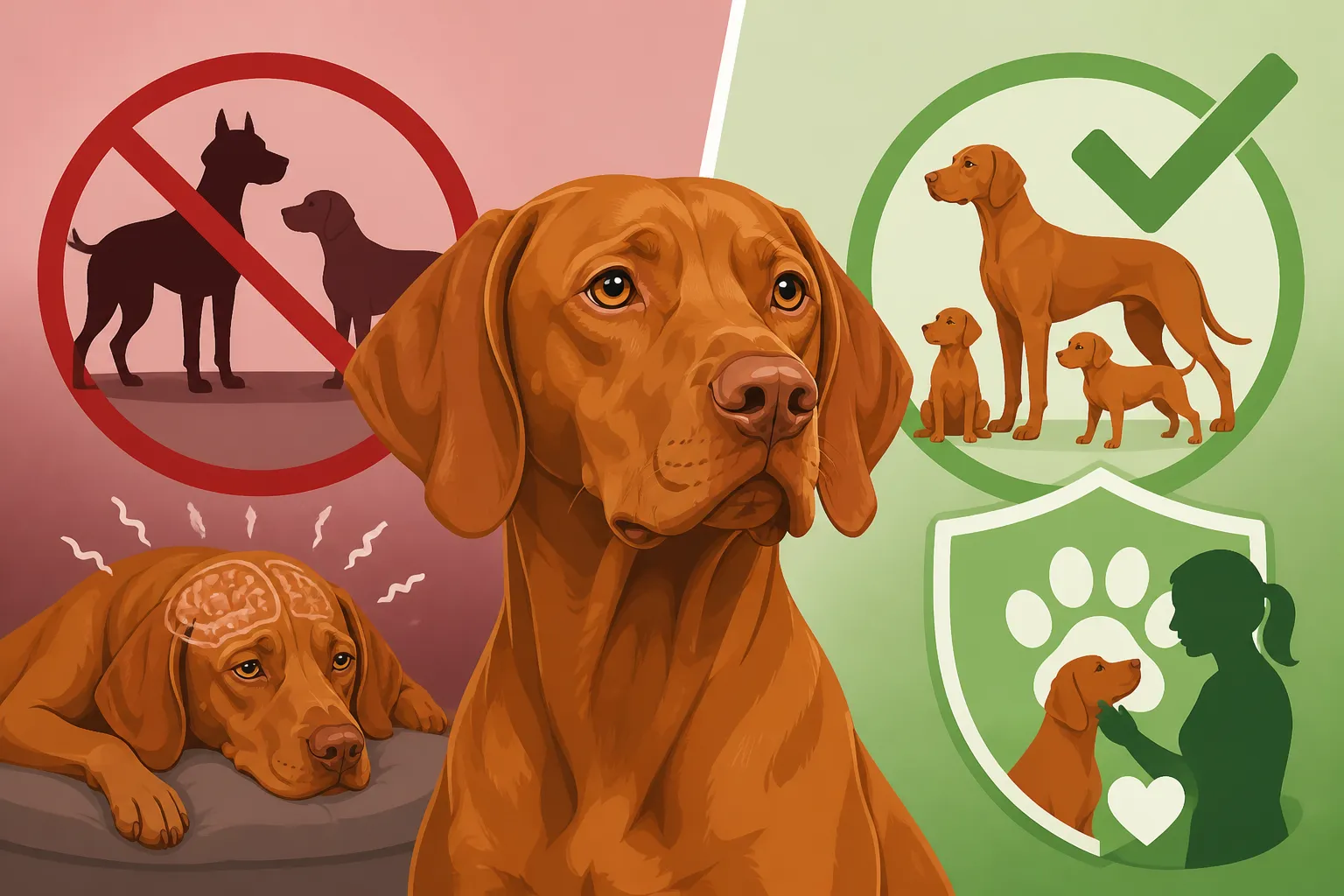
Given the current understanding of Vizsla epilepsy, the most prudent and responsible decision for breeders is to avoid breeding any Vizsla diagnosed with idiopathic epilepsy. This also extends to first-degree relatives (parents, siblings, and offspring) of affected dogs, as they are more likely to be carriers or express the condition.
Here’s a simplified risk assessment table to illustrate the breeding decision process:
| Dog's Status Regarding Epilepsy | Breeding Recommendation | Rationale |
|---|---|---|
| Diagnosed with Idiopathic Epilepsy | Do Not Breed | High probability of passing on genetic predisposition, causing suffering for future dogs and owners. |
| Sibling of an Epileptic Vizsla | Do Not Breed | Increased risk of being a carrier, potentially propagating the genes. It is extremely difficult to know if the sibling is a carrier or not. |
| Parent of an Epileptic Vizsla | Do Not Breed | Has produced an affected offspring, confirming carrier status. Continued breeding would spread the genetic burden. |
| Offspring of an Epileptic Vizsla | Do Not Breed | High risk of carrying the genes, even if asymptomatic. The ethical responsibility is to prevent future affected generations. |
| Distantly Related to an Epileptic Vizsla | Proceed with Extreme Caution & Research | Lower but still present risk. Thorough pedigree review, health clearances for multiple generations, and open communication with other breeders are critical. Consider genetic testing if/when specific markers are identified. |
While it may be incredibly hard to "retire" a dog from a breeding program, or to exclude a promising candidate due to a family history of epilepsy, it is the most ethical path forward. The long-term health of the Vizsla breed depends on breeders making these difficult, informed choices. By adhering to such guidelines, breeders can play a crucial role in reducing the incidence of Epilepsy in a Vizsla for generations to come.
The Broader Impact on the Vizsla Breed
Every breeding decision has ripple effects that extend far beyond a single litter. When it comes to a debilitating condition like epilepsy, these decisions collectively shape the health trajectory of the entire Vizsla breed.
Protecting the Breed's Future Health
The Vizsla breed, like many purebred dogs, originates from a relatively small gene pool. Historically, The Vizsla Came Back From Extinction Twice, meaning that genetic diversity has been a concern at various points in its history. This smaller gene pool can mean that certain genetic predispositions, once introduced, can become more prevalent if not managed carefully. Every time a Vizsla with epilepsy is removed from a breeding program, or a carrier is identified and not bred, it’s a positive step towards reducing the genetic load of this painful disease. Protecting the future health of the breed isn't just about preventing epilepsy; it's about making conscious choices to ensure that Vizslas continue to embody the robust, active, and long-lived companions they are meant to be, living out The Twelve to Fourteen Years a Vizsla Lives in good health. It demands a commitment from all breeders to prioritize genetic health over fleeting trends or individual achievements.
Supporting Research and Genetic Advancement
Breeders and owners alike have a vested interest in supporting ongoing research into canine epilepsy. As science advances, we might one day have more precise genetic tests that can identify carriers with greater accuracy, making breeding decisions less ambiguous. Many breed clubs and veterinary foundations actively fund research into conditions like epilepsy in specific breeds. Participating in studies, submitting DNA samples from affected dogs, and sharing health data responsibly are all ways to contribute to this crucial effort. The more we understand the genetics behind conditions like epilepsy, the better equipped we become to make informed decisions that benefit all Vizslas. For instance, understanding Why Vizslas Carry So Much Immune Disease also helps frame the broader genetic health landscape of the breed.
Adopting a 'Prevention First' Mindset
Ultimately, the best approach to genetic diseases like epilepsy in Vizslas is a 'prevention first' mindset. This means proactively making breeding choices that prioritize the elimination or reduction of genetic conditions, rather than simply reacting once a problem arises. It involves rigorous health screening, transparent communication within the breeding community, and a commitment to continuous education. For owners, this means choosing a breeder who openly discusses potential health concerns, provides comprehensive health clearances for their breeding dogs (including multi-generational pedigrees), and is willing to stand behind the health of their puppies. While it's impossible to guarantee a puppy will never develop any health issue, a prevention-first approach significantly increases the odds of bringing home a healthy, well-adjusted Vizsla, helping to ensure they lead a full and vibrant life.
Disclaimer
The information provided in this article is for educational and informational purposes only, and does not constitute veterinary advice. Always consult with a qualified veterinarian or veterinary specialist for any health concerns or before making any decisions about your pet's health or breeding practices.