What a Canicross Rig Costs a Vizsla Owner
For Vizsla owners eager to channel their dog's boundless energy into a thrilling activity like canicross, the excitement often comes with a question: what exactly will it cost to get set up? It's easy to feel overwhelmed by the array of specialized equipment, from harnesses to lines and belts. This guide aims to break down the expenses involved in acquiring a complete canicross rig, helping you understand where your money will go and how to budget effectively for this fantastic sport.
Understanding Canicross and Why Your Vizsla is a Natural
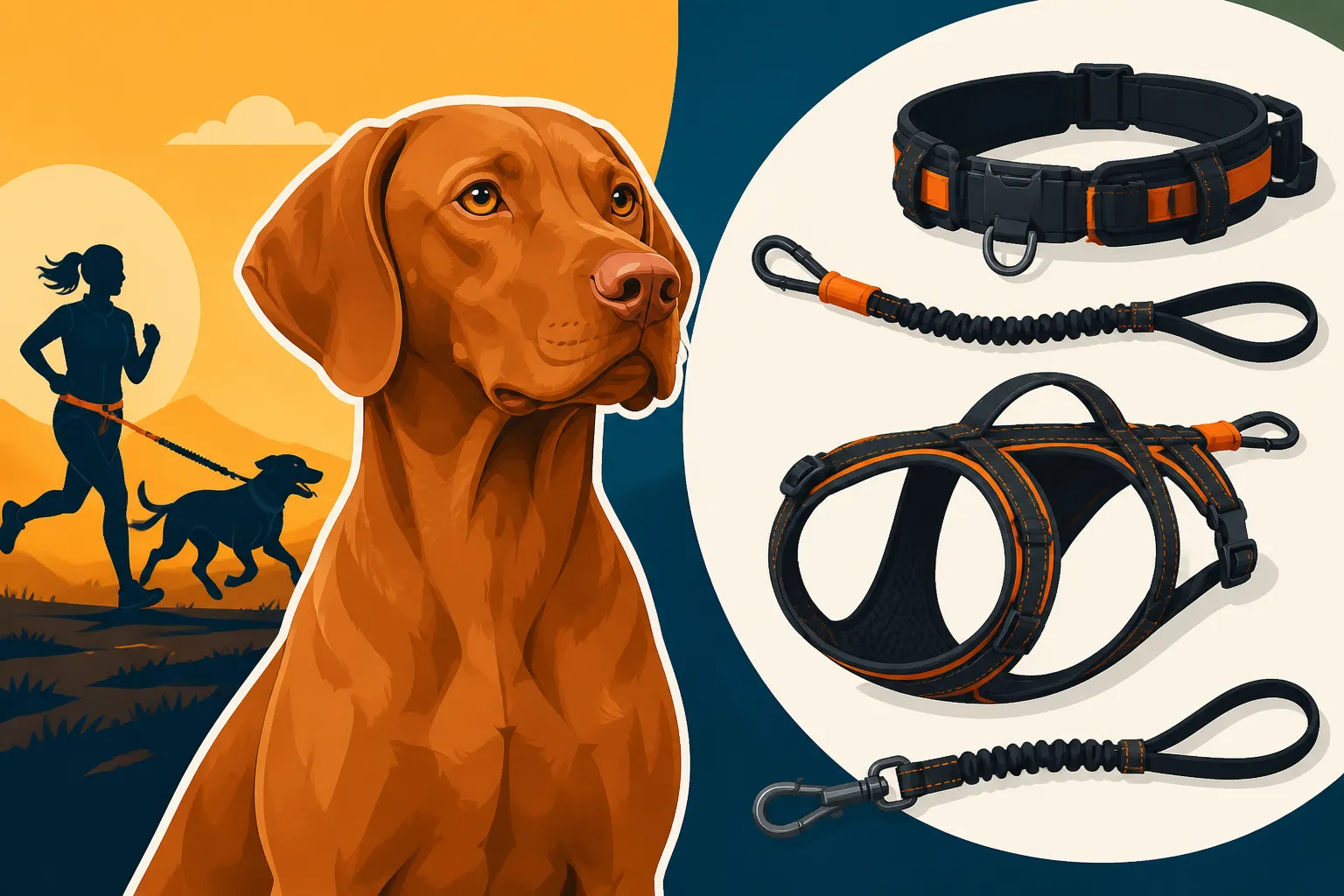
Canicross, at its heart, is cross-country running with your dog. You wear a specially designed waist belt, and your dog wears a pulling harness, connected by a bungee line. The dog runs in front, pulling you along, making for a faster, more exhilarating experience than a regular run. It’s a brilliant way to bond, explore new trails, and provide an unparalleled workout for both of you.
Vizslas are absolutely phenomenal canicross partners, almost as if the sport was invented for them. Their natural athleticism, incredible stamina, and strong desire to work make them ideal candidates. They possess that unique combination of speed, endurance, and eagerness to please that truly shines when pulling. You’ll often find that your Vizsla, with their lean, muscular build and powerful stride, takes to canicross with an infectious enthusiasm that will make you wonder why you didn't start sooner. This isn't just a walk in the park; it's a dynamic partnership that taps into their innate drive. They live for that feeling of being out front, stretching their legs, and covering ground with purpose.
The Vizsla's Built-In Advantage for Running Sports
Our beloved Vizslas are literally bred for sustained effort. Their history as versatile hunting dogs means they were developed to cover vast distances, searching for game, pointing, and retrieving. This heritage translates directly into their impressive capability for endurance sports. They have a relatively high pain tolerance and an almost endless well of energy, making them tireless companions on the trail. The Exercise a Vizsla Needs Every Day is substantial, and activities like canicross fulfill a significant portion of that requirement, both physically and mentally.
Beyond their physical prowess, Vizslas thrive on connection. The "Velcro Vizsla" nickname isn't just for cuddles on the couch; it applies equally to their desire to work with their human. In canicross, this translates into a dog that is eager to stay ahead, responsive to your cues, and driven by the shared goal of moving forward together. This partnership aspect is what makes canicross so incredibly rewarding with a Vizsla; it's not just a physical activity, but a deep collaboration.
Why Investing in Proper Gear is Non-Negotiable
While the initial thought might be to just use a regular leash and collar, that's a recipe for disaster and potential injury for both you and your dog. A standard collar can put dangerous pressure on your Vizsla's trachea when they pull, and a regular leash offers no shock absorption. For the human, tying a leash around your waist with a normal collar can lead to back strain, falls, and a very uncomfortable experience.
Proper canicross gear is designed specifically for the mechanics of pulling and running. It distributes pressure safely across your dog's chest and shoulders, allowing them to breathe freely and pull efficiently. For you, the specialized belt protects your back and provides a comfortable, hands-free connection. Think of it as investing in safety and performance for both members of your team. This commitment to appropriate equipment ensures that the activity is enjoyable, safe, and sustainable for years to come. It’s about respecting your Vizsla’s capabilities and providing them with the tools to do what they love without harm.
The Core Components of a Canicross Rig for Your Vizsla
Building a canicross rig involves three primary pieces of equipment: the pulling harness for your Vizsla, the bungee line that connects you, and the waist belt for you, the runner. Each component plays a crucial role in ensuring comfort, safety, and efficiency during your runs. The market offers a wide range of options, from budget-friendly entry-level sets to high-performance gear designed for competitive athletes.
The Vizsla's Pulling Harness
This is arguably the most critical piece of your Vizsla's canicross setup. Unlike a standard walking harness, a pulling harness is designed to allow your dog to lean into their pull without restricting their movement or airways. Key features include a wide chest plate that distributes pressure evenly, and attachment points that sit further back on their body, typically towards the base of the tail, to allow for efficient power transfer.
When selecting a harness, fit is paramount. A poorly fitting harness can chafe, restrict shoulder movement, or even cause injury. You'll want to measure your Vizsla carefully and consult sizing charts. Many brands offer harnesses specifically designed for pointer-type breeds, which tend to have deep chests and lean builds. Look for durable, breathable materials that can withstand mud, water, and repeated use. Some entry-level harnesses might offer basic functionality at a lower cost, while competition-grade models, often used by serious canicrossers, feature advanced ergonomics, lighter materials, and reinforced stitching, naturally coming with a higher price tag. Reputable retailers like Chewy often carry a variety of brands and styles, allowing you to compare options and read reviews to find the best fit for your specific Vizsla.
The Bungee Line
The bungee line is the elastic connection between your waist belt and your Vizsla's pulling harness. Its purpose is to absorb shock, minimizing jarring impacts for both runner and dog. Without a bungee line, every change in speed or direction would send a jolt through the connection, making the experience uncomfortable and potentially injurious.
Bungee lines come in various lengths and strengths, typically designed to stretch to a certain degree. A good quality line will have strong, secure clips on both ends and durable webbing. For a single Vizsla, you'll generally want a line designed for one dog. If you ever consider running with two Vizslas, you'd need a different setup. The cost of a bungee line can vary based on its length, materials, and the brand's reputation for durability and elasticity. Some lines are integrated into full sets, while others are sold separately, allowing for customization. It's often worth investing in a well-made bungee line, as it directly contributes to the smoothness and safety of your runs, protecting both your back and your Vizsla's joints.
Your Canicross Waist Belt
For the human, the waist belt is essential for a comfortable and hands-free experience. This isn't just a fanny pack; it's a padded, ergonomic belt designed to sit low on your hips, distributing the pulling force across your core rather than concentrating it on your lower back. It typically features a strong attachment point for the bungee line, often a sturdy ring or a quick-release mechanism.
Comfort is key here, especially for longer runs. Look for a belt with good padding, adjustable straps, and a design that doesn't ride up or chafe. Some belts come with additional features like small pockets for keys, gels, or waste bags, which can be convenient but may add to the cost. As with harnesses, prices can range from basic, functional models to advanced, lightweight designs preferred by competitive canicrossers. Consider what level of support and features you need for your typical running distances and terrain. A good belt will make a significant difference in your enjoyment and ability to maintain good running form while being pulled by your energetic Vizsla.
| Component | General Cost Shape (Relative) | Key Considerations |
|---|---|---|
| Vizsla Pulling Harness | Moderate to Significant | Fit, durability, material, breed-specific design |
| Bungee Line | Low to Moderate | Length, elasticity, clip quality, single/multi-dog |
| Canicross Waist Belt | Low to Moderate | Comfort, padding, adjustability, extra features |
| High-Visibility Vest | Low | Safety, weather conditions, reflective elements |
| Running Shoes | Moderate to Significant | Trail-specific, good grip, personal comfort |
| Hydration Pack | Moderate | Capacity, fit, dog water solution |
| First Aid Kit | Low | Essential for field injuries, specific to dogs & humans |
| Boots for Vizsla | Low to Moderate | Protection on rough terrain, cold weather, fit |
Additional Gear and Hidden Costs for Canicrossing with a Vizsla
While the core rig gets you started, there are several other items that can significantly enhance your canicross experience, improve safety, and ensure the long-term well-being of your active Vizsla. These aren't always immediately obvious but are well worth considering for a holistic approach to the sport.
Safety and Visibility Gear
When you're out on trails, especially during early mornings, late evenings, or in less-trafficked areas, safety is paramount. A high-visibility vest for both you and your Vizsla is a smart investment. These vests often come in bright, fluorescent colors with reflective strips, making you easily seen by cyclists, other runners, or even motorists if you cross roads. Given a Vizsla's thin, short coat, they can also get quite cold, so a reflective jacket or vest might pull double duty, keeping them warm and visible. The Cold a Vizsla Genuinely Cannot Handle means extra layers are sometimes necessary, even when running.
Beyond vests, consider a small, bright LED light for your Vizsla's harness and a headlamp for yourself if you plan on running in low light. These don't add much to the overall cost but provide invaluable peace of mind. It’s about ensuring you and your dog are conspicuous, especially given a Vizsla's drive to range and explore. Whether a Vizsla Ranges Too Far to Recall is a common concern, and while a GPS collar helps if they get truly lost, visibility gear prevents many close calls.
Hydration and Nutrition Considerations
Canicross is strenuous exercise, and proper hydration for both you and your Vizsla is absolutely crucial. Carrying water for yourself is standard for any runner, but you also need to ensure your Vizsla stays hydrated. This means investing in a portable water bowl or a water bottle with a built-in dispenser. For longer runs, a hydration pack or vest that can carry extra water for both of you is a wise purchase. Some packs even have separate compartments for dog water and a collapsible bowl.
Furthermore, a highly active Vizsla burning a lot of calories needs appropriate nutrition to maintain their energy levels and recover effectively. You might find yourself upgrading your dog's food to a performance formula to meet their increased metabolic demands. Brands like Ollie, which focus on fresh, high-quality ingredients, could be a consideration for a dog working this hard. Treats for training and rewards are also part of the ongoing cost. Keeping Weight On a Working Vizsla can be a challenge, so a nutrient-dense diet is essential. You'll want to factor these ongoing dietary needs into your budget, as they directly impact your Vizsla's performance and long-term health.
Protecting Paws and Joints
Vizslas have relatively delicate pads compared to some heavier-boned breeds, and running on varied terrain can take a toll. Investing in paw balm or wax can help protect their pads from cracking or abrasions. For truly rough, rocky, or icy trails, dog boots can be invaluable. They protect against cuts, thorns, and extreme temperatures, though getting a Vizsla comfortable in boots takes patience and practice.
The constant impact of running also means putting stress on your Vizsla's joints. While a healthy Vizsla is built for activity, proactive joint care can be beneficial. Supplements containing glucosamine and chondroitin are popular among active dog owners. Discussing such supplements with your vet is always a good idea. Similarly, a comfortable, supportive dog bed for recovery at home, especially if your Vizsla is prone to issues like Hip Dysplasia in a Vizsla, will contribute to their overall comfort and readiness for the next run.
Calculating Your Initial Canicross Investment and Ongoing Costs
When you add up all the necessary and highly recommended gear for canicrossing with your Vizsla, the initial outlay can feel significant. However, it’s helpful to view this as an investment in a rewarding hobby and your dog's health and happiness. Breaking down the costs into initial setup and ongoing expenses will give you a clearer picture.
Initial Setup Costs
The main cost drivers for your initial setup are the three core components: the harness, bungee line, and human waist belt.
- Harness: Entry-level pulling harnesses might be found for a lower price point, offering basic comfort and functionality. Mid-range harnesses will provide better padding, adjustability, and durability, while top-tier competition harnesses, often made with advanced materials and ergonomic designs, will represent a more substantial investment.
- Bungee Line: These are generally less expensive than harnesses or belts. You'll find options that are perfectly adequate for recreational use, with higher-end models offering superior elasticity and hardware for demanding conditions.
- Waist Belt: Similar to harnesses, waist belts vary in cost based on padding, features (like pockets or quick-release mechanisms), and overall construction quality. A basic, comfortable belt is usually sufficient to start, with more advanced options available if you get serious about competitive running.
Beyond these, consider the initial purchase of high-visibility gear (a vest for you and your Vizsla), a portable water bottle/bowl, and potentially a basic first-aid kit designed for dogs. While not strictly part of the "rig," these are essential for safe, responsible canicrossing. You might also need new trail running shoes for yourself, which can be a significant cost if you don't already own suitable footwear.
Ongoing and Hidden Expenses
The costs don't stop after the initial gear purchase. There are several ongoing expenses to consider when integrating canicross into your lifestyle with a Vizsla.
- Veterinary Care and Insurance: Regular vet check-ups are always important, but an active Vizsla engaged in a high-impact sport may warrant more attention to joint health or minor injuries. Having pet insurance can provide a safety net for unexpected medical bills. Providers like Healthy Paws offer comprehensive coverage that can be invaluable if your Vizsla experiences a sprain, strain, or other injury during training or a run. Even if you budget for Setting Money Aside for a Vizsla's Vet Bills, insurance can cover larger, unforeseen events.
- Nutrition and Supplements: As mentioned, a working Vizsla will likely eat more, and potentially require higher-quality food to fuel their activity and aid recovery. This will translate to a higher monthly food bill. Any joint supplements or other nutritional aids you decide on will also be an ongoing cost.
- Gear Maintenance and Replacement: Over time, harnesses wear out, bungee lines lose their elasticity, and clips can break. You'll need to factor in occasional replacements. Washing and maintaining your gear (especially after muddy runs) will help prolong its life, but nothing lasts forever.
- Race Entry Fees (Optional): If you decide to take your canicrossing to the next level and compete, you'll incur race entry fees, which can range widely depending on the event and location. This is certainly not a requirement to enjoy the sport, but it's a popular avenue for many canicross enthusiasts.
- Training and Education: While not gear-specific, investing in some canicross-specific training or workshops can greatly enhance your technique and your Vizsla's performance. Learning how to properly pace, cue, and navigate with your dog can prevent injuries and make the experience more enjoyable.
In conclusion, getting your Vizsla set up for canicross represents an initial investment in specialized gear, coupled with ongoing costs related to their health, nutrition, and the potential for competitive participation. By understanding these various financial aspects, you can approach this fantastic sport with confidence, knowing you're providing the best for your eager Vizsla companion. What a Vizsla Costs a Year to Keep is already substantial, and adding canicross requires a little extra planning, but the joy and benefits it brings are immeasurable.
Disclaimer
This article is for general informational purposes only and does not constitute professional advice. Laws, prices and regulations vary by location and change over time. Consult a qualified professional for guidance on your specific situation.