Fostering a Vizsla Through a Breed Rescue
Bringing a Vizsla into your home, even temporarily, is an incredibly generous act, but it’s not always sunshine and tail wags. Many wonderful, deserving Vizslas end up in breed-specific rescues, often through no fault of their own, and these dogs desperately need loving foster homes to decompress and learn how to be family members again. This guide will walk you through the realities, responsibilities, and immense rewards of fostering a Vizsla, helping you understand if this vital role is right for you.
The Heart of Fostering: Why Vizslas Need You
When a Vizsla lands in rescue, it's often a confusing, scary time for them. They might have been surrendered due to a family moving, divorce, or an owner who simply couldn't handle their intense energy and needs. Sometimes, they've experienced neglect or even abuse. A foster home isn't just a roof over their head; it's a bridge to a new life, a safe haven where they can heal, learn, and rediscover trust. It's a truly invaluable service, and rescue organizations simply couldn't operate without the dedicated individuals who open their homes and hearts to these wonderful, often misunderstood, dogs.
Fostering prevents these sensitive souls from being cooped up in kennels, which can be particularly detrimental for a breed as "Velcro" and people-oriented as the Vizsla. Imagine a dog that thrives on constant human connection suddenly finding itself alone in a concrete run. It's heartbreaking, and it's why fosters are the unsung heroes of the rescue world.
Understanding the Vizsla in Transition
Vizslas are known for their exuberance, their intelligence, and their deep emotional connection to their people. When they enter rescue, these very traits can make the transition particularly challenging. A Vizsla who has known nothing but constant companionship might exhibit severe Separation Anxiety Is Why Vizslas Are Given Up, leading to destructive behaviors or incessant vocalization when left alone. Their high drive means they require significant mental and physical exercise, and a lack of it can manifest as restless pacing, chewing, or even frustration-based aggression.
It’s crucial to remember that a Vizsla coming into rescue isn't a blank slate. They carry their history with them, whether that’s a loving but misguided owner or a truly traumatic past. Some might be shy and fearful, cowering at loud noises or quick movements. Others might be overstimulated and reactive, having never learned impulse control. Your role as a foster is to meet them where they are, understand their cues, and provide a stable, predictable environment where they can begin to shed their anxieties and blossom into their true selves. It's a journey, not a sprint, and patience is your most important tool.
What Fostering Actually Looks Like Day-to-Day
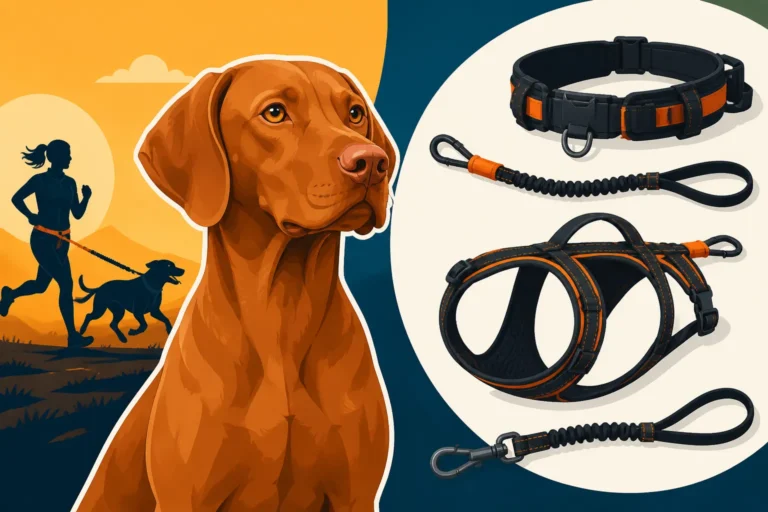
Fostering isn't just feeding a dog; it's integrating them into your life. You'll be responsible for their daily care, which includes feeding, exercising, and basic training. For a Vizsla, "exercising" isn't a casual stroll around the block. It means ensuring they get The Two Hours a Vizsla Needs Before It Will Settle of vigorous activity that their breed demands. This could be runs, long hikes, intense games of fetch, or even swimming if they enjoy water. Many Vizslas excel at activities like Canicross or agility, which can be fantastic outlets for their energy and intelligence.
You'll also be a detective, observing their personality, habits, and any quirks that might help the rescue find their perfect forever home. Does your foster Vizsla get along with other dogs? How do they react to children? Are they house-trained? Do they love car rides or get anxious? This information is invaluable for creating an accurate profile for potential adopters. You'll also be an advocate, communicating regularly with the rescue about their progress, any concerns, and how they're adapting. It’s a team effort, and your insights are crucial.
The Practicalities of Opening Your Home
Deciding to foster means more than just a willingness to help; it means preparing your home and lifestyle for a temporary canine resident, especially one with the specific needs of a Vizsla.
Preparing Your Household and Family
Before your foster Vizsla arrives, you’ll need to do some serious "Vizsla-proofing." Their natural curiosity and powerful chewing ability mean anything left within reach could become a casualty. Think of it like bringing home a curious, energetic toddler who can jump on counters. Secure trash cans, put away valuables, and consider gating off areas you don't want them to access. If you have existing pets, particularly other dogs or cats, the rescue will work with you to ensure a safe introduction process. This often involves slow introductions, supervised interactions, and separate spaces initially. Remember, your resident pets need to feel secure and comfortable too.
Your family, including children, must be on board and understand the commitment. Vizslas can be very enthusiastic, and a bouncy young Vizsla might inadvertently knock over a small child. Teaching children how to interact respectfully and safely with a dog, especially one that might have an unknown past, is paramount. Everyone in the household needs to be consistent with rules, boundaries, and training to provide the stability a foster dog needs. This consistent approach is key to helping a dog like a Vizsla, who thrives on routine and clear expectations, settle in.
Covering Costs and Vet Care
One of the biggest concerns for potential foster parents is often the financial aspect. Rest assured, reputable Vizsla rescues typically cover all necessary veterinary expenses. This means if your foster dog needs a check-up, vaccinations, spay/neuter surgery, or treatment for an illness or injury, the rescue takes care of it. Some rescues even provide food or offer a stipend for it, along with essential supplies like crates, leashes, and toys. This ensures that the foster parent isn't burdened by unexpected costs.
However, it's always good to clarify with your specific rescue organization what their policy is. Some foster parents choose to buy certain foods or toys themselves, perhaps using services like Chewy for convenience, or even exploring specialized nutrition like Ollie if the dog has particular dietary needs. While the rescue covers the big stuff, the day-to-day choices you make for your foster can still reflect your care. For instance, if you're worried about potential unforeseen accidents, it's worth noting that some pet insurance providers, like Healthy Paws, offer different coverage options, though typically the rescue would already have arrangements for their foster animals. The key is open communication with your rescue coordinator so everyone is clear on responsibilities.
Navigating the Adoption Process
The ultimate goal of fostering is to help your Vizsla find their forever family. This means you'll play a role in the adoption process. You might be asked to host meet-and-greets with potential adopters, sharing your unique insights into the dog's personality and needs. This can be bittersweet. You've poured your heart into this dog, watching them transform, and now it's time to say goodbye. It's a feeling affectionately known as "foster failure" (when you adopt them yourself!) or, more commonly, "foster triumph."
While it can be hard to let go, remember that each successful adoption frees up your foster spot for another Vizsla in need. It's a revolving door of hope and healing. The rescue will handle the applications, screenings, and contracts, ensuring the dog goes to a carefully vetted home that is a perfect match for their individual personality. Your input during this selection process is invaluable, as you know the dog best. Many rescues offer support groups for foster parents, providing a community where you can share your experiences and navigate the emotions of fostering.
The Rewards and Challenges of Fostering
Fostering a Vizsla is a deeply enriching experience, but it’s not without its difficult moments. Being realistic about both sides of the coin will help you prepare and find the most fulfillment.
The Emotional Rollercoaster
There's no sugarcoating it: fostering can be an emotional rollercoaster. The initial days might be filled with frustration as you try to understand your foster Vizsla's quirks, manage their energy, and potentially deal with behaviors like house-training accidents or destructive chewing. Some Vizslas arrive with fear or anxiety, and it can take time and immense patience to earn their trust. You might feel overwhelmed at times, wondering if you're doing enough or doing it right. It’s important to acknowledge these feelings and reach out to your rescue support network.
However, the rewards are equally profound, if not more so. Witnessing a withdrawn Vizsla slowly come out of their shell, seeing fear transform into confidence, or watching a dog who once chewed everything learn to settle peacefully by your side is incredibly gratifying. There’s a deep satisfaction in knowing you’ve provided comfort, taught them new skills, and prepared them for a loving permanent home. The moment you see them wagging their tail, playing freely, or simply leaning into your touch, you’ll know every challenge was worth it. It’s an act of pure, selfless love.
| Aspect | Challenges | Rewards |
|---|---|---|
| Time | Requires significant daily commitment (exercise, training, attention) | Knowing you’ve provided crucial care and socialization |
| Emotion | Can be stressful, heartbreaking to say goodbye, dealing with behavioral issues | Deep satisfaction, witnessing transformation, unconditional love |
| Logistics | Home-proofing, integrating with existing pets/family, vet visits | Rescue covers costs, gaining experience with dog behavior |
| Behavior | Dealing with separation anxiety, chewing, lack of training, reactivity | Teaching new skills, building trust, seeing confidence grow |
| Commitment | Temporary but intense; can last weeks or months | Making a direct, tangible difference in a dog's life |
Dealing with Behavioral Issues and Training
It’s not uncommon for rescue Vizslas to arrive with some behavioral baggage. They might not be house-trained, they might jump on guests, or they could have poor leash manners. Some might have more serious issues, like resource guarding or reactivity towards other dogs. As a foster parent, you become their first line of defense and their primary teacher. The rescue will typically provide support, resources, and even access to trainers to help you address these challenges. Remember, a Vizsla is a soft breed, and harsh corrections can easily shut them down. Whether a Vizsla Is Too Soft for Pressure Training is a question many ask, and the answer is usually yes. Positive reinforcement, patience, and consistency are key.
You'll be teaching them basic manners, reinforcing house-training, and helping them learn appropriate behaviors. This might involve setting up a Whether a Vizsla Needs a Feeding Chair if they struggle to eat, or employing specific techniques to help them with Teaching a Vizsla to Be Alone. Crate training, for example, can be incredibly beneficial for helping a Vizsla learn to settle and feel secure, especially when you need to step out. If you're dealing with a Vizsla who is prone to destructive chewing, understanding What an Anxious Vizsla Destroys can help you proactively manage their environment and provide appropriate outlets. Every small victory in training is a huge step forward for the dog and a testament to your dedication.
Making a Lasting Impact
Perhaps the most profound reward of fostering is the lasting impact you have on a Vizsla's life. You are not just caring for a dog; you are rehabilitating a soul. Many of these dogs would struggle immensely, or even fail, in a shelter environment. Your home provides the stability, love, and individual attention they need to thrive. You teach them that humans can be trusted, that cuddles are wonderful, and that the world isn’t such a scary place after all.
When that Vizsla goes to their forever home, they carry a piece of your teaching and your love with them. The skills they learned, the confidence they gained, and the positive experiences they had in your home are what enable them to become cherished family members. You've given them a second chance, and that ripple effect extends far beyond just one dog. It’s a testament to the powerful bond between humans and animals, and it’s a legacy you can carry with pride. Every foster experience makes you a part of a Vizsla's ultimate success story, helping to ensure they live out The Twelve to Fourteen Years a Vizsla Lives in comfort and happiness.
Disclaimer
This article is for general informational purposes only and does not constitute professional advice. Laws, prices and regulations vary by location and change over time. Consult a qualified professional for guidance on your specific situation.