What a GPS Subscription Costs a Vizsla Owner
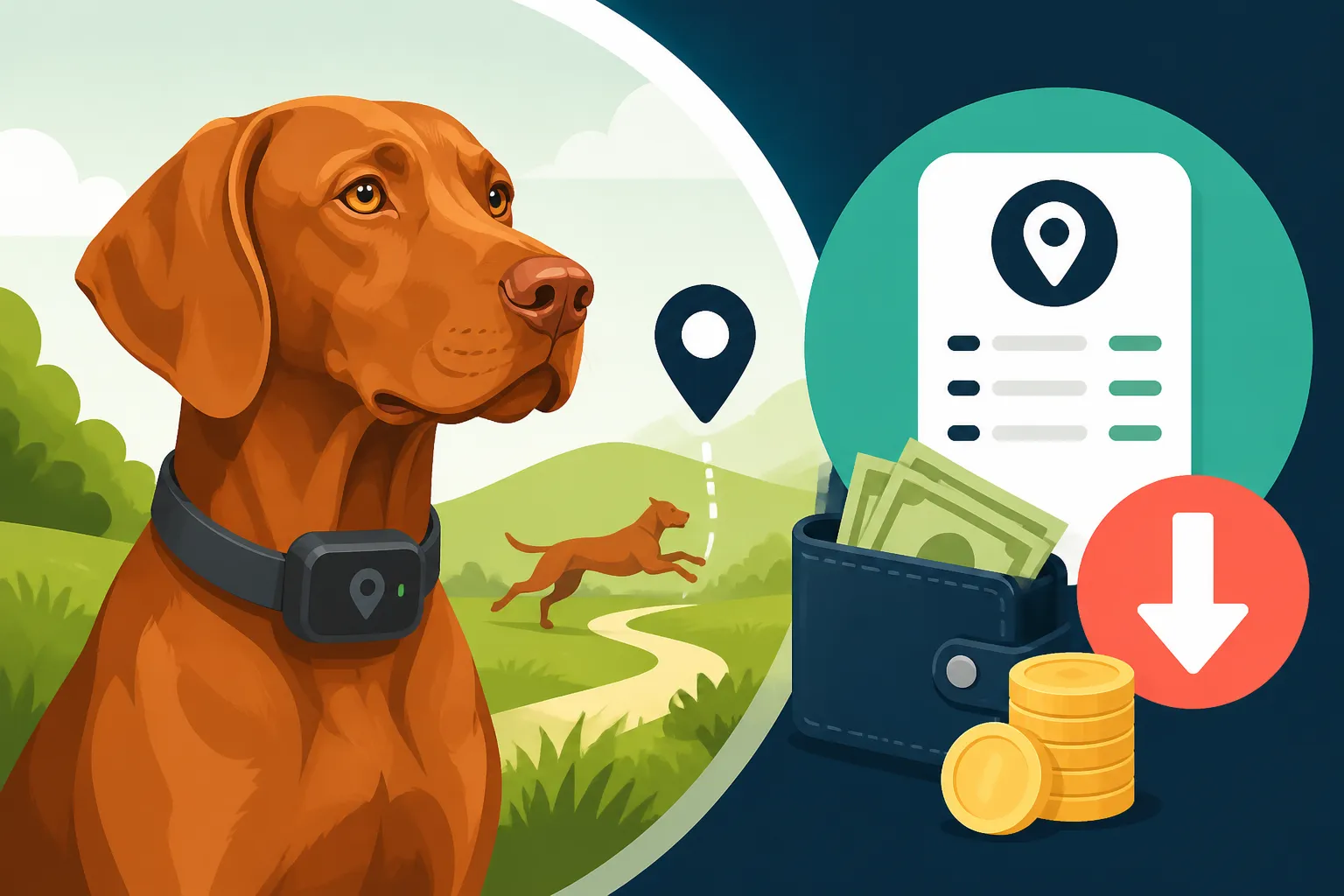
That heart-stopping moment when your Vizsla, caught up in the thrill of a scent, vanishes from sight can be truly terrifying. Their incredible speed and tireless drive mean they can cover vast distances in mere minutes, turning a pleasant walk or a successful hunt into a frantic search. This guide is here to help you understand the ins and outs of GPS tracking for your beloved Vizsla, specifically delving into what a GPS subscription actually costs, and why it's such a vital investment for peace of mind.
Understanding Why a Vizsla Needs a GPS Collar in the First Place
Before we even get to the numbers, let's talk about why a GPS collar isn't just a nice-to-have for a Vizsla owner, but often a genuine necessity. These dogs are built for movement and exploration, and that comes with its own unique set of challenges.
The Vizsla's Instinct for Range and Adventure
Vizslas are bird dogs, first and foremost. Their heritage is deeply rooted in hunting across open fields and dense cover. This means they possess an innate drive to range, to push forward, and to follow a promising scent with an almost single-minded focus. They are incredibly fast, capable of covering ground with effortless grace that can quickly put them out of your visual range. It's not uncommon for a Vizsla to be 100 yards out in a matter of seconds if a compelling scent hits their nose. This isn't disobedience; it's instinct.
For those of us who appreciate their working drive, it's a magnificent thing to behold, but it also means they can disappear over a ridge or into a thicket before you even realize they're gone. Whether a Vizsla Ranges Wider Than a Shorthair is a common question among sporting dog owners, and the answer often leans towards "yes," especially when they are fully engaged. A Vizsla's focus in the field can be so intense that they might not immediately respond to your calls, especially if the wind is wrong or the prey drive is in full swing. This natural inclination to explore and hunt makes them prone to getting lost, even in familiar areas, if they catch a scent and truly commit.
Safety Beyond the Yard and the Leash
Even if your Vizsla isn't a dedicated hunting dog, their boundless energy and curiosity still make a GPS collar a smart choice. They are active, intelligent dogs who require significant exercise, and often that exercise happens off-leash in parks, trails, or open spaces. The world is full of potential hazards: busy roads, unfamiliar urban environments, other dogs, and even wildlife like deer or rabbits that can lead them on an unexpected chase. Imagine your Vizsla bolting after a squirrel near a road – the panic that sets in is immediate and profound.
A GPS collar provides a crucial safety net in these scenarios. It gives you the ability to pinpoint their exact location, even if they're out of sight and earshot. This means you can quickly navigate to them, potentially preventing them from encountering dangerous situations. For many Vizsla owners, the anxiety of an off-leash excursion is greatly reduced by the knowledge that they have a real-time tracker on their dog. It's about giving your Vizsla the freedom to express their natural athleticism and curiosity safely.
Hunting and Field Work Necessities
For the working Vizsla, a GPS collar is arguably as essential as a whistle or a good lead. When you're hunting in vast tracts of land, dense cover, or challenging terrain, keeping track of your dog becomes a monumental task without technology. A Vizsla might be quartering a field, scenting game far ahead, and the landscape might prevent you from seeing their point. Whether a Vizsla needs a GPS collar for hunting is almost universally answered with a resounding yes by experienced handlers.
These devices allow you to monitor their movement patterns, see where they've been, and locate them instantly when they go on point or retrieve game. Many systems even integrate with handheld tracking devices, providing a seamless experience for the hunter. Losing a dog in the field, especially one that has been carefully trained and is invaluable to your hunting success, is a devastating thought. The investment in a GPS collar and its accompanying subscription is a small price to pay for the security and efficiency it brings to every hunting trip.
Breaking Down the Components of GPS Tracking Costs for Your Vizsla
When we talk about the cost of a GPS subscription, it's important to understand that it's part of a larger picture. There are typically two main components to consider: the upfront hardware cost and the ongoing subscription fee.
The Initial Hardware Investment
First things first, you need the actual GPS collar or device itself. This is a one-time purchase, much like buying a new smartphone. The cost of the hardware can vary significantly based on the brand, features, and durability. Some units are integrated directly into the collar, while others are small modules that attach to an existing collar. You might find basic tracking devices that simply transmit location data, or more advanced units that offer additional features like activity monitoring, temperature alerts, or even training functionalities (often called e-collars with GPS).
Well-known brands in the sporting dog world, like Garmin, produce robust, field-ready units that are built to withstand the rigors of hunting and outdoor adventures. These tend to be at the higher end of the price spectrum due to their specialized features, rugged construction, and often, integration with handheld tracking units. Other brands might offer more entry-level, consumer-focused devices designed for everyday pet tracking. While this article focuses on the subscription, it's crucial to budget for this initial hardware purchase. You might be able to find a good selection of these collars, as well as general The Bird Dog Kit a Vizsla Owner Ends Up Buying, on online retailers like Chewy, which often stock a wide variety of pet supplies and equipment.
The Core of the Matter: GPS Subscription Services
Now, onto the subscription. Many people wonder why a separate subscription is needed after buying the device. Think of it like your cell phone: you buy the phone (hardware), but you need a data plan (subscription) to actually make calls, send texts, and access the internet. GPS collars work similarly. They use cellular networks or satellite systems to transmit your Vizsla's location data to your phone or a dedicated tracking device. This data transmission isn't free, and the subscription covers the cost of accessing these networks, as well as maintaining the cloud infrastructure that processes and displays the location information.
These subscriptions typically offer a range of services:
- Real-time Tracking: This is the core function, allowing you to see your Vizsla's position on a map instantly. The frequency of updates (every few seconds, every minute, etc.) can vary by plan.
- Geofencing: You can set up virtual boundaries, and the system will alert you if your Vizsla crosses them. This is incredibly useful for defining safe play areas or alerting you if they stray too far from home.
- Activity Monitoring: Some subscriptions include features that track your Vizsla's activity levels, distance traveled, and even sleep patterns. This can be great for monitoring their health and ensuring they're getting enough exercise, especially for an energetic breed like the Vizsla.
- Location History: Reviewing past routes and locations can be helpful for understanding your Vizsla's roaming habits or retracing steps if you're trying to figure out where they went.
Without a subscription, most GPS collars are just fancy pieces of plastic. The subscription unlocks their full potential, turning them into indispensable tools for your Vizsla's safety.
Comparing Subscription Models: Monthly vs. Annual Plans
Just like many other subscription services, GPS collar providers often give you options for how you pay. Generally, you'll encounter either monthly or annual payment plans, each with its own advantages and disadvantages.
Monthly plans offer flexibility. If you're unsure how much you'll use the device, or if you only need it for specific times of the year (like hunting season), a monthly plan might seem appealing. You can activate and deactivate it as needed, though some providers might have minimum activation periods or reactivation fees. The downside, almost universally, is that the cumulative cost over a year will be higher than if you had simply opted for an annual plan from the start. It's the convenience fee for not committing long-term.
Annual plans, on the other hand, typically offer a discount compared to paying month-to-month. You pay for a full year upfront, which means a larger initial outlay, but you usually save money in the long run. For a Vizsla owner, given the breed's consistent need for exercise and their potential to roam, a GPS collar is likely to be a year-round tool. Therefore, an annual plan often makes the most financial sense. It provides uninterrupted coverage and usually eliminates the hassle of monthly billing or remembering to reactivate a lapsed service. When considering What a Vizsla Costs a Year to Keep, factoring in an annual GPS subscription is a prudent decision for many owners.
What Influences the Price of a GPS Subscription for Your Vizsla?
The world of GPS subscriptions isn't one-size-fits-all. Several factors play into the final price you'll pay, often reflecting the level of service, technology, and features you're getting.
Features and Functionality Tiers
Many GPS device manufacturers offer different tiers of subscription plans, much like cell phone data plans. A basic tier might provide essential real-time location tracking and geofencing. This is often perfectly adequate for keeping tabs on your Vizsla during daily walks or backyard play. It provides that fundamental peace of mind without breaking the bank.
However, if you're a serious hunter or need more advanced monitoring, you might look at a premium tier. These can include features like:
- Faster Update Rates: Instead of tracking your Vizsla every 60 seconds, a premium plan might update every 2-3 seconds, giving you incredibly precise, near real-time movement data. This is crucial when a dog is moving quickly or in dense cover.
- Extended Battery Life Optimization: Some premium plans might offer software optimizations that stretch battery life while maintaining good tracking frequency.
- Advanced Mapping Options: Access to detailed topographic maps, satellite imagery, or offline map downloads which are invaluable in remote areas without cell service.
- Health and Activity Insights: More in-depth analytics on your Vizsla's activity, calorie burn, or even sleep patterns, which can be useful for managing their overall health and fitness.
- Integration with Training Features: If your GPS collar is also an e-collar, premium plans might unlock more nuanced training modes or deeper data analysis for tracking performance.
Each additional feature naturally adds to the cost, so it's worth evaluating what you truly need versus what would be nice to have. Don't pay for features you'll never use, but also don't skimp on essential safety features if your Vizsla's lifestyle demands them.
Coverage Area and Technology Used
The underlying technology and the geographical reach of the service are significant price determinants. Most consumer-grade GPS collars rely on cellular networks to transmit data. This means that if your Vizsla ranges into an area without cell service, the device won't be able to send its location data until it reconnects. If you live or hunt in areas with patchy cell coverage, this could be a major concern.
More robust, often higher-priced systems, particularly those designed for serious hunting, might use satellite communication (e.g., GPS handheld devices like some Garmin Alpha or Astro series, paired with collars). These systems are more expensive, both in hardware and subscription, but offer unparalleled coverage in remote wilderness where cellular signals simply don't exist. The peace of mind of knowing you can track your Vizsla in the deepest woods or furthest fields is invaluable, but it comes at a premium.
Therefore, consider where you'll be using the GPS collar most often. A suburban dog might be fine with a cellular-based tracker, but a working Vizsla venturing into the wilderness absolutely needs something with broader, more reliable coverage, which typically means a higher subscription cost.
Brand and Ecosystem
Just like in other tech markets, the brand name and the "ecosystem" it operates within can influence subscription costs. Established brands with a reputation for reliability, advanced technology, and excellent customer support may charge more for their subscriptions. They often invest heavily in research and development, robust server infrastructure, and dedicated customer service teams, all of which are reflected in the price.
Furthermore, some brands offer an integrated ecosystem. For example, a company like Garmin might have GPS collars that integrate seamlessly with their handheld devices, smartwatches, and even online mapping services. This provides a cohesive user experience but could also mean that opting for a different brand's collar might not be compatible with your existing gear, or you might pay a premium for that brand's specific subscription model. Sometimes, the subscription might include access to proprietary maps or software that enhances the overall experience, justifying a higher price point. It's not just about the tracker anymore; it's about the entire support system around it.
Practical Considerations and Cost-Saving Tips for Vizsla Owners
Investing in a GPS collar and its subscription is a crucial decision for many Vizsla owners. While the safety aspect is paramount, there are ways to manage the costs effectively.
Bundled Deals and Promotions
When you're looking to purchase a GPS collar, always keep an eye out for bundled deals or special promotions. Manufacturers and retailers often offer discounts when you buy the hardware and a year's subscription together. This can represent significant savings compared to buying them separately. Seasonal sales, especially around major holidays or during hunting season, are also common times to find these deals. Subscribing to newsletters from pet tech companies or checking major pet supply stores frequently can help you catch these limited-time offers. Sometimes, even new product launches come with introductory pricing for subscriptions.
Another thing to consider is the possibility of "refurbished" units directly from the manufacturer. While you still need a subscription, you might save on the initial hardware cost, which can free up funds for a better subscription tier. Just ensure any refurbished unit comes with a warranty.
Multi-Dog Discounts
If you're like many Vizsla owners, you might have more than one of these fantastic dogs! It's not uncommon for Vizsla families to have two, three, or even more. If you're tracking multiple Vizslas, you'll be happy to know that many GPS subscription services offer multi-dog discounts. Instead of paying full price for each dog's subscription, you might get a reduced rate for additional collars linked to the same account.
This can make a substantial difference in your overall yearly expenses. Before committing to a service, inquire specifically about their multi-dog policy. Some might offer a percentage off, while others might have tiered pricing as you add more devices. This is a common feature for hunting-focused GPS systems, where tracking an entire pack is the norm. For instance, if you're considering What a Second Vizsla Adds Monthly to your budget, including a potential multi-dog discount for GPS tracking can help paint a more accurate picture.
Evaluating Your Actual Needs
It's tempting to go for the most feature-rich, top-tier subscription, believing it offers the absolute best safety for your Vizsla. However, it's wise to take a step back and realistically evaluate your specific needs. Do you really need second-by-second tracking if your Vizsla only ever goes to the local dog park? Is advanced topography mapping essential if you never hunt in remote wilderness?
A basic subscription might offer sufficient tracking frequency and geofencing alerts for urban or suburban environments. If your Vizsla is primarily a pet who enjoys walks and backyard play, a simpler, more affordable plan might be perfectly adequate. On the other hand, if you regularly take your Vizsla deep into the backcountry, engage in serious field trials, or live in an area with known escape risks, then investing in a premium plan with robust coverage and faster updates is absolutely justified. Don't overpay for features you won't use, but never compromise on the core safety features that align with your Vizsla's lifestyle and your peace of mind.
The Value Proposition: Weighing the Cost Against Peace of Mind
Ultimately, the cost of a GPS subscription for your Vizsla needs to be viewed as an investment in their safety and your peace of mind. The financial and emotional toll of a lost dog is immeasurable. The panic, the endless searching, the "missing" posters, and the constant worry can be incredibly stressful. If your Vizsla were to get lost and injured, the vet bills could easily dwarf the cost of several years of GPS subscriptions. What a Vizsla's Emergency Field Injury Costs can be substantial, and preventing such an incident is far more desirable.
Consider the annual cost of a subscription in the context of your overall Vizsla ownership expenses. It's a fraction of what you spend on food (perhaps from a brand like Ollie), vet care, training, or even toys. When weighing the expense, remember that a GPS collar is a proactive measure against a terrifying scenario. It gives you immediate tools to locate your dog, potentially preventing them from getting into dangerous situations or being lost indefinitely. For a breed as driven and adventurous as the Vizsla, it's often a small price for a huge return on security and confidence.
| Subscription Tier | Key Features (Hypothetical) | Typical Update Frequency | Best For |
|---|---|---|---|
| Basic | Real-time tracking, Geofence alerts | Every 60-90 seconds | Backyard play, local park walks, urban areas |
| Standard | All Basic, plus Activity monitoring, Location history | Every 10-30 seconds | Regular hikers, suburban adventures, occasional field use |
| Premium | All Standard, faster updates, Advanced mapping, Enhanced battery modes | Every 2-5 seconds | Serious hunters, remote wilderness, high-risk escapees, professional training |
Disclaimer
This article is for general informational purposes only and does not constitute professional advice. Laws, prices and regulations vary by location and change over time. Consult a qualified professional for guidance on your specific situation.