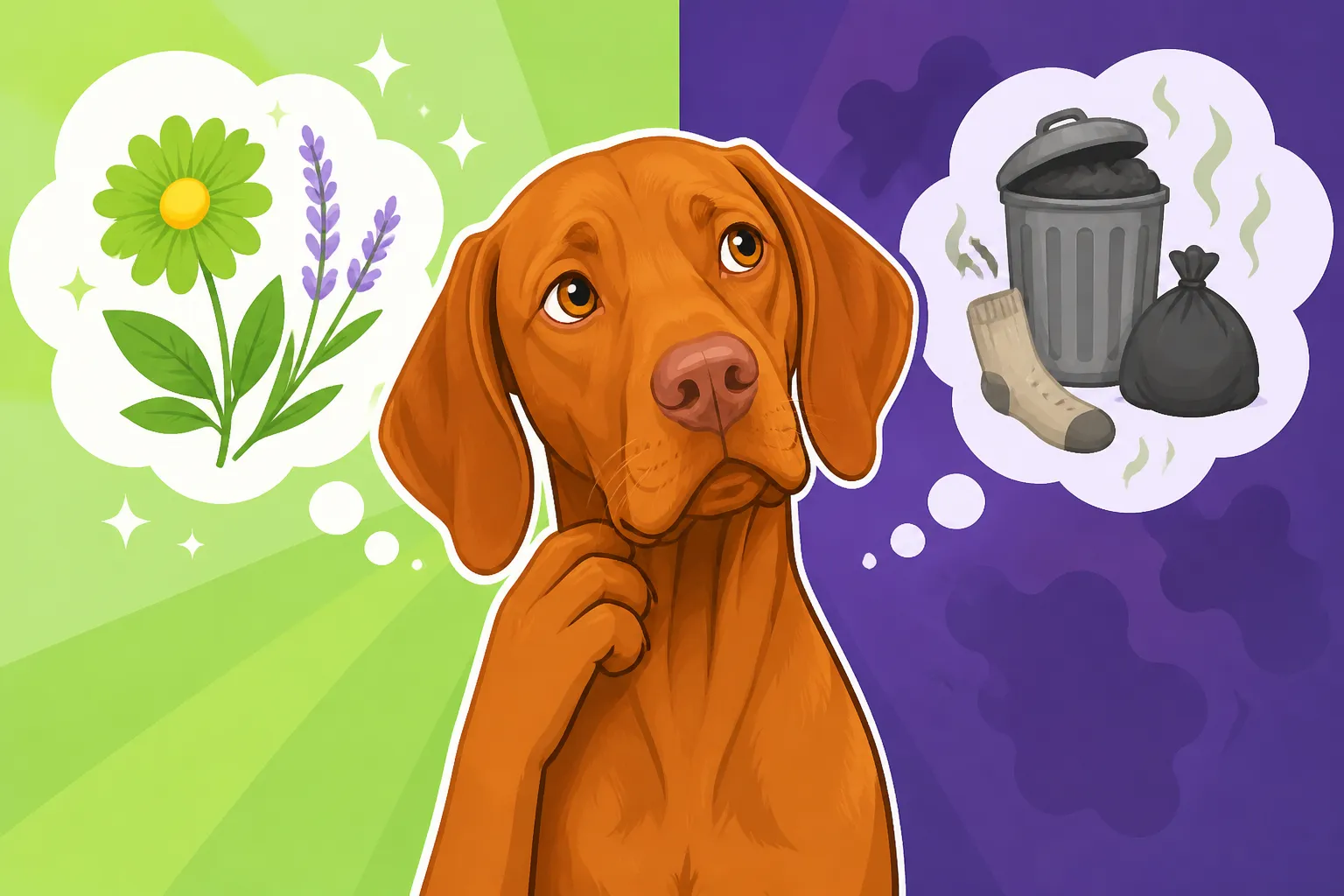
Whether a Vizsla Ever Smells
It's a common phrase you hear from Vizsla enthusiasts and even general dog lovers: "Vizslas don't have that doggy smell!" And while it's true they tend to be less malodorous than some other breeds, it’s a big leap to say a Vizsla never smells. The truth is, like all living creatures, our beloved Copper Dogs can absolutely develop odors, and understanding why and when this happens is key to keeping them fresh and healthy. This guide will dive deep into the reality of Vizsla scent, debunking myths, identifying common causes of unwanted odors, and offering practical, empathetic solutions.
The Myth of the Odorless Vizsla: Setting Realistic Expectations
Many Vizsla owners proudly proclaim that their dogs don't have that typical "doggy smell." And for the most part, they're not wrong – compared to some breeds, Vizslas can indeed seem remarkably clean-smelling. However, it's not a magical immunity to all odors; rather, it’s a combination of their unique physiology and our perception. It's important for potential and current Vizsla parents to understand the nuances of this reputation so they aren't surprised or frustrated when their furry friend does develop an aroma.
Why the "No Doggy Smell" Reputation Exists
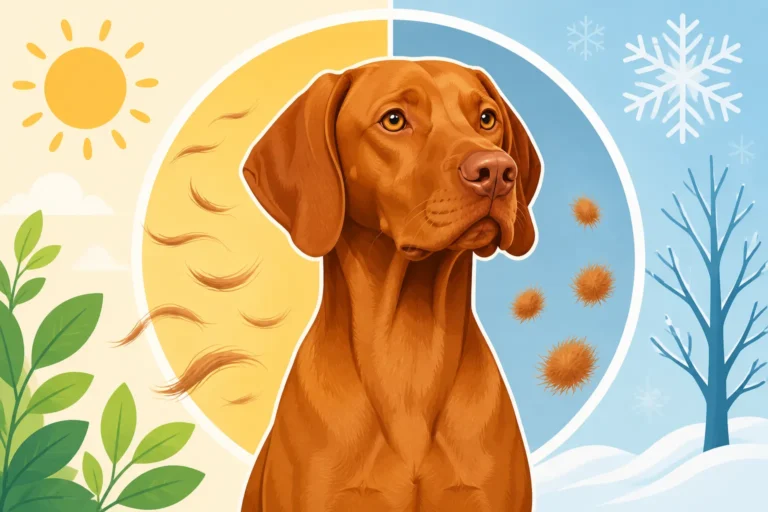
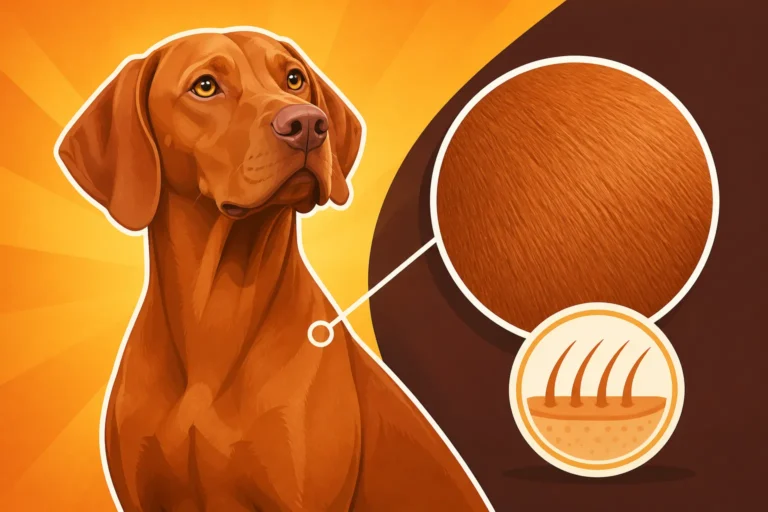
The primary reason Vizslas often get a pass on the "doggy smell" front lies in their coat. Vizslas have The Single Coat a Vizsla Has and Why It Changes Everything. Unlike many breeds, especially those developed for water retrieval like Labradors or Golden Retrievers, Vizslas lack a thick undercoat. Breeds with dense double coats often produce more natural oils to protect their skin and fur from the elements, and these oils, along with dead skin cells and environmental debris trapped in the undercoat, are major contributors to what we perceive as "doggy smell."
A Vizsla's short, fine, single coat means less surface area for oil and dander to accumulate, and less insulation to trap moisture and bacteria close to the skin. They shed regularly, which helps to turn over skin cells and hair, further minimizing buildup. Additionally, their fastidious nature often means they keep themselves quite clean, almost like cats, by licking and grooming. This combination certainly makes them one of the cleaner-smelling breeds, but it doesn't make them immune. Why a Vizsla Has No Doggy Smell is a topic many Vizsla owners discuss, often highlighting this distinctive coat.
When Even a Vizsla Can Develop an Odor
While the "no doggy smell" claim holds some truth in everyday, healthy conditions, it's crucial to understand that any dog can develop an odor. Life happens, and our active Vizslas are no exception. Think about it: a child who showers every day will still smell after a vigorous soccer practice, or if they haven't brushed their teeth in a week. The same logic applies to our dogs, albeit with different factors at play.
Common reasons a Vizsla, despite its reputation, might start smelling include:
- Being wet: The classic "wet dog" smell is almost universal.
- Skin issues: Allergies, infections, or specific conditions like Sebaceous Adenitis and the Vizsla That Loses Its Coat can cause significant skin irritation and subsequent odor.
- Ear infections: Their floppy ears can trap moisture and debris, leading to bacterial or yeast overgrowth.
- Dental problems: Bad breath from plaque and tartar buildup is a very common source of odor.
- Anal gland issues: These glands can express fluid with a potent, unpleasant smell, or become impacted and infected.
- Flatulence: Diet-related or gastrointestinal issues can lead to excessive gas.
- Rolling in something unspeakable: This one is universal across all breeds and an immediate odor culprit!
It's about managing expectations. A Vizsla might not smell like a "dog" in the traditional sense, but if any of these conditions arise, you'll certainly know it. The good news is that most of these causes are manageable or treatable, once identified.
Common Culprits Behind a Vizsla's Unwanted Odor
So, your typically fresh-smelling Vizsla has started to develop an "aroma," and you're wondering why. It's frustrating, especially when you've been told they don't smell! But don't despair. Identifying the source is the first step toward getting your Copper Dog back to their usual sweet-smelling self. Many factors, both environmental and internal, can contribute to an unwanted odor.
Environmental Factors and the "Wet Dog" Phenomenon
Let's start with the most common and often unavoidable source of temporary doggy odor: water. That distinct "wet dog" smell isn't just water itself; it's a combination of volatile organic compounds (VOCs) produced by bacteria and yeast that live naturally on your dog's skin and in their fur. When the dog gets wet, these microorganisms become more active and release these compounds, which then evaporate into the air.
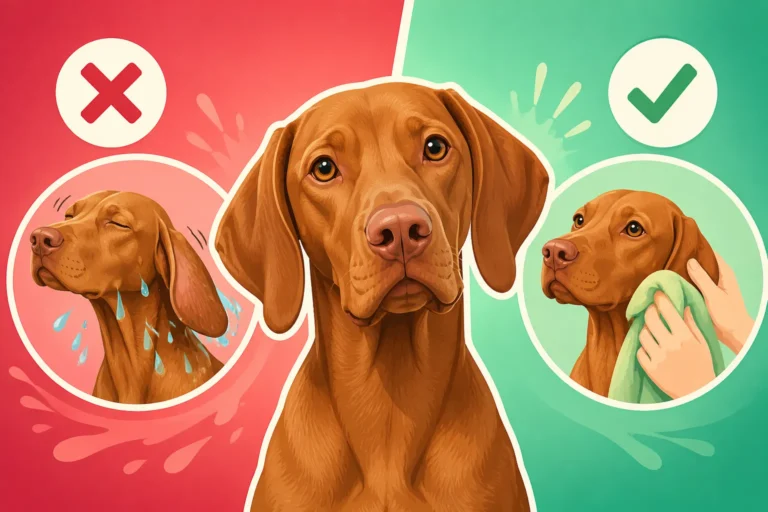
For a Vizsla, who loves to swim, splash, and hunt in all weather, getting wet is part of their daily life. A romp in a muddy field, a refreshing dip in the lake on a hot day, or even just a walk in the rain can trigger that all-too-familiar smell. This isn't a sign of poor hygiene or health; it's just biology. However, leaving a Vizsla wet for too long, especially in damp, warm conditions, can exacerbate the problem, potentially leading to skin irritation or even a yeast infection if their skin can't dry properly. Drying them thoroughly after any water exposure is vital, paying special attention to areas like their paws and under their floppy ears.
Skin and Coat Issues: More Than Just a "Vizsla Smell"
Beyond the temporary wet dog smell, skin and coat problems are significant contributors to persistent odors in Vizslas. Their fine, thin skin, while contributing to their generally low "doggy smell," can also be quite sensitive, making them prone to various dermatological issues that lead to odor.
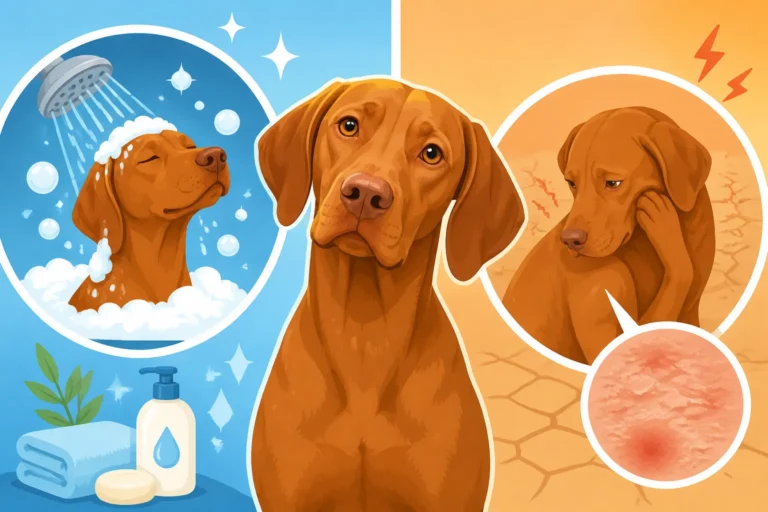
- Allergies: Vizslas can suffer from environmental allergies (atopy) or food allergies. When a Vizsla has an allergic reaction, they often become itchy, leading to excessive licking, chewing, and scratching. This constant irritation can break the skin barrier, allowing bacteria and yeast to proliferate, resulting in a distinct, often yeasty or musty smell. You might also notice their skin becoming flaky, greasy, or red.
- Infections: Secondary bacterial (pyoderma) or yeast (Malassezia) infections are common consequences of allergies or other skin irritations. These infections definitely cause a strong, unpleasant odor. Yeast infections, in particular, tend to smell sweet or bread-like, while bacterial infections can be more pungent. Whether a Vizsla's Skin Flakes Badly can be a sign of underlying skin issues, including infections.
- Sebaceous Adenitis: This is a serious autoimmune skin condition seen in Vizslas where the sebaceous glands are attacked and destroyed. While not inherently odorous, the disruption to the skin's natural oil production often leads to dry, flaky skin and can make the dog highly susceptible to secondary bacterial infections, which do cause a significant odor. If your Vizsla is losing patches of hair and has very flaky skin, especially along the back and head, this is something to investigate.
- Parasites: Fleas, ticks, and mites can cause intense itching, leading to scratching and skin damage that predisposes to infection and odor. While not a direct cause of smell themselves, their presence can kickstart a chain of events that results in a smelly dog.
Any time you notice a persistent or unusual smell coming from your Vizsla's skin or coat, it's wise to consult your veterinarian. Early intervention can prevent minor issues from becoming major, harder-to-treat problems.
Internal Health Concerns Affecting Odor
Sometimes, the smell isn't coming from the outside of your Vizsla, but from within. Internal health issues can manifest as external odors, signaling that something more profound is going on.
- Ear Infections: Vizslas have lovely, floppy ears that hang close to their head. While adorable, this ear conformation can create a warm, moist environment inside the ear canal – a perfect breeding ground for bacteria and yeast. An ear infection will often produce a strong, foul, or yeasty smell, accompanied by head shaking, scratching at the ears, and discharge. It's a very common problem, and Whether a Vizsla Gets Ear Infections is a frequent concern for owners. Regular cleaning and vigilance are key to preventing these smelly issues.
- Dental Disease: This is perhaps the most common internal cause of bad breath in dogs. Over time, plaque and tartar accumulate on teeth, leading to gingivitis and periodontal disease. The bacteria involved in this process release sulfur compounds that create a distinctly unpleasant smell. Left untreated, dental disease can lead to pain, tooth loss, and even systemic health problems. If your Vizsla's breath could knock a buzzard off a gut wagon, it's time for a dental check-up. Whether a Vizsla Needs Its Teeth Brushed is a question many owners ponder, and for good reason!
- Anal Gland Issues: Dogs have two small glands located on either side of their anus, which typically express a potent, fishy-smelling fluid during defecation. This is their natural scent marking. However, these glands can become impacted, infected, or abscessed. When this happens, the fluid can leak out erratically, or the infection itself can produce a terrible smell. You might notice your Vizsla "scooting" on the ground, licking excessively at their rear, or a sudden, incredibly strong, foul odor.
- Dietary Issues/Flatulence: Just like people, dogs can suffer from indigestion or sensitivities to certain foods. A diet that doesn't agree with your Vizsla can lead to excessive flatulence, which, while not a "doggy smell," is certainly an unpleasant odor. Sometimes, a change in diet, perhaps to a high-quality food or even a fresh food option from a brand like Ollie, can make a noticeable difference in their digestive health and, consequently, their gas production.
Understanding these potential causes allows you to be proactive. Paying attention to your Vizsla's overall health, not just their coat, is crucial for keeping them smelling their best.
Practical Strategies for Managing Your Vizsla's Scent
Once you've identified why your Vizsla might be smelling less than fresh, the good news is that most issues are highly manageable with a bit of routine care and, when necessary, veterinary intervention. It's about combining diligent home care with professional support to ensure your Copper Dog stays healthy and pleasant to be around.
Grooming Routines for a Fresh-Smelling Vizsla
Consistent grooming is your first line of defense against unwanted odors. While Vizslas are relatively low-maintenance in terms of coat care, they still benefit from a regular routine.
- Bathing Frequency and Products: While you might think frequent bathing dries out their skin, an appropriate bath schedule can be very beneficial for a Vizsla prone to odors. For a healthy Vizsla, bathing every few weeks to once a month is often sufficient, especially if they're active and enjoy muddy adventures. If your Vizsla has skin issues, your vet might recommend more frequent baths with medicated shampoo. The key is using the right products. Always opt for a dog-specific shampoo that is pH-balanced and formulated for sensitive skin. Some owners find relief using oatmeal-based shampoos or those with gentle, natural deodorizers. For medicated shampoos, Which Shampoo Suits a Vizsla's Skin will often depend on the specific dermatological issue. You can find a vast array of quality dog shampoos on sites like Chewy or Amazon.
- Brushing and Drying Properly: Even with their short coats, a quick brush a few times a week can help remove loose hair, dirt, and dander, distributing natural oils and stimulating the skin. After a bath or any water exposure, thorough drying is paramount. Use soft towels to blot as much water as possible, and if your Vizsla tolerates it, a cool setting on a hairdryer can help dry them completely, especially in cooler weather. Pay extra attention to their chest, armpits, and under their ears, where moisture can linger.
- Nail Trims and Paw Care: Don't overlook the paws! Dirt and debris can get trapped between paw pads, and overgrown nails can harbor bacteria. Regular nail trims and wiping down their paws after walks can make a difference. This also connects to overall health, as What a Vizsla Needs Every Day includes attention to all these details.
Dietary Approaches and Supplements
What goes into your Vizsla's body can significantly impact what comes out, including their scent. A healthy gut and skin often correlate with a fresh-smelling dog.
- High-Quality Food Options: Feeding a high-quality, complete, and balanced diet appropriate for their life stage and activity level is foundational. Avoid foods with excessive fillers, artificial ingredients, or common allergens if your Vizsla shows sensitivities. Some owners find that switching to a higher-quality kibble or even exploring fresh food options, like those offered by services such as Ollie, can improve their dog's overall health, leading to a healthier coat and reduced flatulence.
- Supplements for Skin Health: If your Vizsla has dry, flaky, or itchy skin that contributes to odor, certain supplements can be beneficial. Omega-3 fatty acids, often found in fish oil, are excellent for skin and coat health, helping to reduce inflammation and promote a healthy skin barrier. Whether a Vizsla Needs Fish Oil for Its Skin is a common question, and for many Vizslas, the answer is a resounding yes! Probiotics can also support gut health, which in turn can positively influence skin health and reduce digestive odors. Always consult your vet before adding any new supplements to your dog's diet.
- Impact of Diet on Gut Health and Breath: As mentioned, bad breath and flatulence can stem directly from diet. If your Vizsla consistently has very bad breath despite good dental hygiene, or excessive gas, talk to your vet about dietary changes. Sometimes, simply finding a food that agrees with their digestive system can eliminate these types of odors.
Addressing Health-Related Odors with Vet Care
For odors stemming from underlying health issues, veterinary intervention is non-negotiable. Self-treating can worsen conditions and cause unnecessary discomfort for your Vizsla.
-
Importance of Regular Vet Check-ups: Routine veterinary visits are crucial. Your vet can spot subtle signs of developing issues like ear infections, dental disease, or skin problems before they become severe and odorous. They can also address anal gland concerns, which often require professional expression or management.
-
Specific Treatments for Ear Infections, Skin Conditions, Dental Cleanings:
- Ear Infections: If you suspect an ear infection (smell, discharge, scratching), your vet will clean the ear, take a sample to identify the type of infection (bacterial, yeast, or both), and prescribe appropriate ear drops or oral medication. Regular cleaning with a vet-approved ear cleaner can help prevent recurrence, and Whether a Vizsla's Ears Need Cleaning Weekly often depends on their individual ear health and activity level.
- Skin Conditions: For allergies, treatments might include antihistamines, steroids, or specialized allergy medications. For bacterial or yeast infections, antibiotics or antifungals will be prescribed, often alongside medicated shampoos. Sometimes, a skin biopsy is needed for diagnosis of more complex conditions like sebaceous adenitis. Whether a Vizsla Needs Medicated Baths for Life might be the reality for those with chronic skin issues.
- Dental Cleanings: For significant plaque and tartar, a professional dental cleaning under anesthesia is usually required. This allows for thorough scaling, polishing, and extraction of any diseased teeth. Regular dental care at home, like brushing, can then help maintain oral hygiene post-cleaning.
-
Anal Gland Expression: If your Vizsla has chronic anal gland issues, your vet might recommend a dietary change (e.g., more fiber) or regular manual expression. In severe, recurring cases, surgical removal of the glands might be considered, though this is usually a last resort.
| Odor Source | Common Symptoms | Management / Solution |
|---|---|---|
| Wet Dog Smell | Strong, musky odor after getting wet. | Thorough drying with towels/dryer; limiting prolonged dampness. |
| Skin Infections | Itching, redness, flakes, greasy coat, hair loss, musty/yeasty/foul smell. | Vet diagnosis (allergies, infection type), medicated shampoos, antibiotics/antifungals, diet review, supplements. |
| Ear Infections | Foul/yeasty smell from ears, head shaking, scratching, discharge. | Vet diagnosis, prescription ear drops, regular cleaning with vet-approved solution. |
| Dental Disease | Bad breath, visible tartar, red/bleeding gums, difficulty eating. | Professional dental cleaning, regular tooth brushing, dental chews. |
| Anal Gland Issues | Fishy/foul smell from rear, scooting, excessive licking at rear. | Vet expression, dietary fiber, in severe cases, surgical removal. |
| Flatulence | Frequent, pungent gas. | Dietary adjustment (high-quality food, fresh food options like Ollie), probiotics, slower eating. |
| External Dirt/Grime | General dirty smell from rolling in mud, poop, etc. | Thorough bath with dog-specific shampoo, brushing. |
Creating a Holistic Approach to Vizsla Freshness
Keeping your Vizsla smelling great isn't just about reacting to problems; it's about a comprehensive, proactive approach that considers their environment, diet, and overall health. A truly fresh Vizsla is one who is healthy from the inside out and lives in a clean, supportive home.
Environmental Management in Your Home
Your Vizsla spends a lot of time indoors, and their scent can inevitably transfer to their surroundings. Maintaining a clean living environment is crucial for keeping your home, and therefore your dog, smelling fresh.
- Washing Bedding, Vacuuming, and Cleaning: Dog beds, blankets, and even your sofa can absorb your Vizsla's scent and dander. Regularly washing their bedding, preferably weekly, is a simple but highly effective step. Use a pet-safe laundry detergent. Vacuuming frequently, especially carpets and upholstery, removes hair, dander, and dust that can contribute to stale odors. Consider using an enzymatic cleaner for any "accidents" or persistent smelly spots, as these break down odor-causing molecules rather than just masking them.
- Pet-Safe Air Fresheners and Odor Neutralizers: While not a substitute for cleaning, pet-safe air fresheners or odor neutralizers can help keep your home smelling pleasant between deep cleans. Look for products designed specifically for pet odors and avoid harsh chemicals or overwhelming scents that might irritate your Vizsla's sensitive nose or respiratory system. Baking soda sprinkled on carpets before vacuuming can also be a natural odor absorber.
- Dedicated Grooming Space: Having a designated spot for grooming, whether it's the bathroom or a utility room, can help contain hair and any associated odors. Keep towels, brushes, and shampoos in this area. After a muddy walk, a quick wipe-down before they enter the main living areas can save you a lot of cleaning later.
Proactive Health Monitoring
The best way to manage any potential odor is to prevent it by staying on top of your Vizsla's health. Regular, attentive monitoring allows you to catch issues early, often before they become noticeable by smell.
- Daily Checks for Skin, Ears, and Mouth: Make it a habit to give your Vizsla a quick once-over daily.
- Skin: Gently run your hands over their body, checking for any new lumps, bumps, redness, flakiness, or hot spots. Notice if they are licking or chewing any particular area excessively. Their Whether a Vizsla's Thin Skin Tears Easily means checking for minor cuts or abrasions after outdoor adventures is also important.
- Ears: Lift their floppy ears and take a sniff. Healthy ears should have no strong odor and appear clean and pale pink inside, free of redness, discharge, or excessive wax.
- Mouth: A quick peek at their teeth and gums can help you spot early signs of dental disease. Their breath should be relatively neutral, not foul or overwhelmingly sweet.
- Understanding Normal vs. Abnormal Smells: Learn what your individual Vizsla's "normal" scent is. Every dog has a unique smell, even if it's faint. If you notice a sudden, strong, or unusual smell – be it yeasty, pungent, fishy, or sickly sweet – it's a red flag. Trust your nose! It's often the first indicator that something is amiss.
- When to Seek Professional Advice: If you've tried basic grooming and cleaning, and the odor persists or is accompanied by other symptoms (itching, redness, discharge, behavioral changes, lethargy), it's time to call your veterinarian. Don't wait for the problem to escalate. Early diagnosis and treatment are always easier, less costly, and more comfortable for your Vizsla. This proactive approach is part of the comprehensive care summarized in What a Vizsla Needs Every Day.
By being diligent with grooming, thoughtful about diet, maintaining a clean home, and staying attuned to your Vizsla's health, you can largely mitigate unwanted odors and enjoy the truly unique, nearly odorless companionship that Vizslas are so famous for.
Disclaimer
This article is for general informational purposes only and does not constitute professional advice. Laws, prices and regulations vary by location and change over time. Consult a qualified professional for guidance on your specific situation.