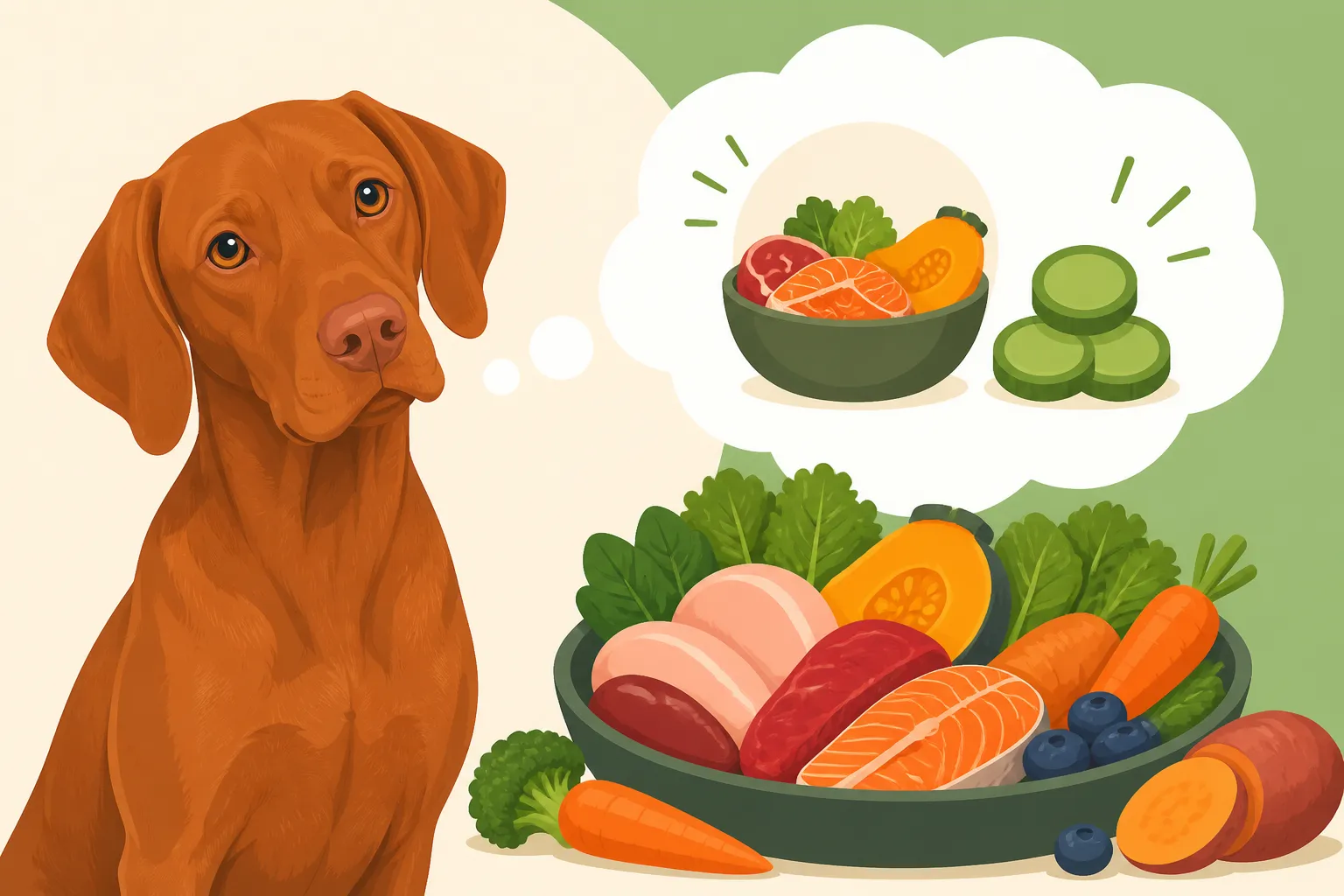
What Fresh Food Costs for a Vizsla
It’s a common frustration for Vizsla owners: you want to feed your active, lean companion the best possible diet, and lately, "fresh food" has become the gold standard in many pet parent circles. But let's be real, the cost can feel like a punch to the gut, especially when your Vizsla seems to be a bottomless pit of energy, burning through calories faster than you can fill their bowl. This guide is here to cut through the noise, helping you understand the real costs associated with feeding your Vizsla fresh food, whether you're considering a full switch, a hybrid approach, or just dreaming about it.
Understanding the Appeal of Fresh Food for Your Vizsla
There's a reason so many of us are drawn to the idea of fresh food for our dogs. We want them to thrive, not just survive, and we often see our own dietary choices reflected in what we want for our furry family members. For a breed as vibrant and high-energy as the Vizsla, optimizing their diet feels particularly important.
Perceived Health Benefits for Active Vizslas
Many Vizsla owners report seeing a noticeable difference in their dogs after switching to a fresh food diet. Anecdotally, these changes often include a shinier, softer coat, improved digestion, and more consistent energy levels. For a Vizsla prone to environmental allergies or with a delicate digestive system, a diet free from common kibble fillers and highly processed ingredients can sometimes alleviate issues like itchy skin or intermittent upset stomachs. It's a deeply personal choice, but the hope is always that a "cleaner" diet translates to a healthier, happier dog. Our Vizslas are known for their sensitive stomachs, and sometimes, heavily processed kibble just doesn't sit right with them. You might be struggling with a Vizsla that frequently has loose stools or is prone to gastric upsets; for these dogs, a fresh food diet might be an appealing option to explore with your vet. Whether a Vizsla Has a Sensitive Stomach is a common concern among owners looking for dietary solutions.
The high metabolism of a Vizsla means they burn through calories at an incredible rate. Owners often feel like they're constantly trying to keep weight on their lean hunting machines. A nutrient-dense fresh food diet, often with higher moisture content, can be perceived as more digestible and efficient for these dogs, helping them maintain that athletic physique without constantly feeling starved. It's not just about aesthetics; it's about providing the building blocks for sustained energy and recovery after a long day in the field or at the dog park.
The Different Kinds of "Fresh Food"
When we talk about "fresh food" for dogs, it's not a single, monolithic category. It actually encompasses several different approaches, each with its own set of costs, benefits, and considerations. Understanding these distinctions is crucial for figuring out what might work best for your Vizsla and your budget.
One popular route is the homemade diet, which can be either cooked or raw (often referred to as BARF, Biologically Appropriate Raw Food, or Prey Model Raw). This involves you, the owner, purchasing individual ingredients – meats, organs, bones, vegetables, and supplements – and preparing the meals yourself. This gives you maximum control over what goes into your dog's bowl, but it also demands a significant investment of time and a deep understanding of canine nutrition to ensure it's balanced. There's a real art to making sure your Vizsla is getting all the necessary vitamins and minerals when you're preparing their food from scratch.
Then there are the commercial fresh food companies, often operating on a subscription model. These services prepare and deliver fresh, human-grade meals right to your door, portioned specifically for your dog's age, weight, and activity level. Brands like Ollie are popular examples in this space, offering the convenience of fresh food without the intensive prep work. For many busy Vizsla owners, this convenience is a huge draw, especially when juggling work, family, and the endless energy of their dog. However, this convenience often comes at a higher price point than homemade options.
Finally, a hybrid approach has gained traction, where owners combine high-quality kibble with fresh food toppers or rotate between kibble and fresh meals. This can be a great way to introduce some of the perceived benefits of fresh food without committing to the full expense and effort of an all-fresh diet. It's about finding a balance that works for your dog's health, your lifestyle, and your wallet.
Factors Influencing the Cost of Fresh Food
So, why does feeding fresh food sometimes feel like it requires a second mortgage? The simple answer is that many factors contribute to the final price tag, and understanding these can help you make more informed decisions. It's not just the ingredients themselves, but also where they come from, how they're prepared, and the level of convenience you're seeking.
Ingredients Quality and Sourcing
Just like with human food, the quality and origin of the ingredients make a massive difference in cost. If you're opting for human-grade meats, organic vegetables, or specialty items, you're naturally going to pay more than for feed-grade components often found in traditional kibble. Think about the difference between a mass-produced chicken breast and a pasture-raised, organic one from a local farm – the price gap is substantial, and that applies to your Vizsla's meals too.
The type of protein also plays a huge role. Chicken or turkey are generally more budget-friendly than, say, lean cuts of beef, lamb, or exotic proteins like venison or rabbit. If your Vizsla has specific allergies or sensitivities that necessitate novel proteins, expect the cost to climb significantly. Sourcing your ingredients from a local butcher or farm, especially if you can buy in bulk, might offer some savings compared to a high-end grocery store, but it still often surpasses the per-pound cost of dry kibble.
Furthermore, ensuring a balanced diet requires including organs, bones (often ground), and a variety of vegetables and fruits. Each of these components adds to the shopping list and, therefore, the overall cost. It's not just meat; it's a complete dietary profile, and quality ingredients across the board elevate the expense.
Preparation Method and Time Investment
If you're going the homemade route, you're essentially becoming your Vizsla's personal chef. This means you're investing not just money, but also a significant amount of your time. From researching balanced recipes with a veterinary nutritionist – a crucial step to avoid nutritional deficiencies – to shopping for ingredients, chopping, grinding, cooking (if not raw), portioning, and storing, it's a labor-intensive process.
Consider the "cost of time" here. If you spend several hours each week preparing your Vizsla's meals, that's time you could be spending on other activities, or even working. While it doesn't show up on a receipt, it's a very real commitment. Batch cooking can help reduce the frequency of prep, but it requires larger upfront purchases and adequate freezer space. You'll also need certain equipment, like a sturdy meat grinder if you're including bones, accurate kitchen scales for precise portioning, and plenty of airtight containers for storage. All these initial investments add to the overall cost of a homemade fresh food diet.
Convenience of Pre-Made Services
For those who value their time or lack the confidence to balance a homemade diet, commercial fresh food subscription services offer unparalleled convenience. Companies like Ollie deliver ready-to-serve meals directly to your home, often pre-portioned according to your Vizsla's specific caloric needs. This eliminates all the shopping, prepping, and guesswork on your part. You simply open a package and serve.
However, this convenience comes with a premium price tag. You're paying not just for the high-quality ingredients, but also for the expert formulation, the professional preparation, portioning, packaging, and shipping. For a highly active Vizsla, who requires a substantial amount of food each day to maintain their lean physique, the costs for these services can add up quickly. While these services often provide introductory offers or discounts for new customers, the ongoing monthly cost is typically higher than a comparable quality kibble or even a well-planned homemade diet. That said, for busy individuals or families who want to provide fresh food without the demanding time commitment, the cost is often deemed worthwhile. Many dog owners appreciate that they can find various fresh food brands and even ingredients for homemade meals through online retailers like Chewy, making the access to these options more widespread.
Breaking Down the Costs: Homemade vs. Commercial Fresh Options
Now let's get down to the nitty-gritty of what you can expect to pay, looking at homemade and commercial options side by side. It’s not just about the sticker price, but the total investment, including your time and effort.
The DIY Fresh Food Budget
If you commit to a homemade fresh food diet for your Vizsla, you'll be buying ingredients directly. Your shopping cart will likely be filled with various cuts of muscle meat, nutrient-rich organ meats (like liver and kidney), edible bones (often ground), and a selection of dog-safe fruits and vegetables. Beyond the primary ingredients, you'll also need to factor in the cost of supplements – things like fish oil, vitamin E, or a balanced multi-vitamin specifically formulated for homemade dog food, all essential to prevent deficiencies. Whether a Vizsla Needs Fish Oil is a common question, and it's often a key supplement in homemade diets for coat and skin health.
Let's imagine a typical shopping trip. You might buy a large pack of chicken thighs on sale, some beef heart from your butcher, a bag of carrots, and some seasonal greens. The initial outlay for a week or two's worth of ingredients can feel significant, easily running into double or triple digits, depending on your choices and local prices. Many owners find economies of scale by buying meat in bulk from local farms or wholesale suppliers and dedicating a specific freezer for their dog's food. An important, often overlooked, initial cost is consulting with a board-certified veterinary nutritionist. This isn't a one-time chat; you'll typically pay for an initial consultation and then possibly follow-up fees to ensure your homemade diet is perfectly balanced for your Vizsla's unique needs, especially considering their active lifestyle and predisposition to certain health issues. Without this professional guidance, you risk creating nutritional imbalances that could lead to long-term health problems.
| Category | Homemade Fresh Food (DIY) | Commercial Fresh Food (Subscription) | Hybrid (Kibble + Fresh Toppers) |
|---|---|---|---|
| Ingredient Cost | Varies widely by source (wholesale, farm, grocery) and type (chicken vs. venison). Generally lower per pound than commercial. | Higher, includes cost of human-grade ingredients, formulation, and preparation. | Moderate, combines kibble cost with smaller fresh food portion. |
| Labor/Time | High: shopping, chopping, cooking/grinding, portioning, cleaning. | Very Low: unbox, open, serve. | Low: occasional prep if making toppers, or opening pre-made toppers. |
| Nutritional Balance | Requires significant owner research or veterinary nutritionist consultation. High risk of imbalance if not carefully planned. | Professionally formulated and balanced by veterinary nutritionists. | Balanced by kibble, supplemented by fresh toppers (check kibble quality). |
| Convenience | Low. | High. | Medium. |
| Equipment Needs | Freezer space, grinder (for raw), scales, storage containers. | Minimal. | Minimal: possibly storage for toppers. |
| Typical Monthly Cost | Moderate, depending on ingredient choices and volume. | Higher, reflects premium ingredients and service. | Lowest for fresh component, combined with kibble cost. |
Subscription Service Pricing Models
For a commercial fresh food service like Ollie, the pricing is usually determined by your Vizsla's specific needs, which you input into their online questionnaire. This includes their age, weight, activity level, and any health concerns. Because Vizslas are energetic dogs, often needing more calories than less active breeds, their portion sizes (and thus, their cost) will typically be on the higher end of the spectrum compared to a smaller, more sedentary dog.
Most subscription services calculate a daily or weekly cost, which then translates into a monthly bill. You'll usually receive shipments every few weeks, containing fresh, pre-portioned meals. For a large, active Vizsla, you might find these services costing a few hundred dollars per month. While this might seem steep upfront, remember it covers everything: premium ingredients, expert formulation by veterinary nutritionists, cooking (if applicable), packaging, and delivery. It's an investment in convenience and guaranteed nutritional balance. Many companies offer trial periods or introductory discounts, which can be a great way to see if your Vizsla thrives on the food before committing to the full ongoing expense.
Hybrid Approaches for Cost Savings
If a full commitment to fresh food, whether homemade or subscription, feels financially out of reach, a hybrid approach offers a fantastic middle ground. This involves feeding a high-quality kibble for the majority of your Vizsla's caloric intake, and then supplementing it with fresh food toppers or occasional fresh meals. This allows you to introduce some of the perceived benefits of fresh food – added moisture, novel nutrients, and increased palatability – without the exorbitant cost of an all-fresh diet.
You can purchase excellent quality kibble from retailers like Chewy, which often have a wide selection of performance formulas that are appropriate for active Vizslas. Then, you might add a spoonful of cooked ground meat, some steamed vegetables, or a small portion of a commercial fresh food product as a topper. This strategy helps keep the overall food bill more manageable, as the kibble remains the primary source of nutrition and calories. It also allows you to be flexible, perhaps increasing the fresh food component during peak hunting season or when your Vizsla is particularly active, and scaling back during quieter times. This method can also be helpful for enticing a picky eater or ensuring your Vizsla is consuming enough calories to keep weight on, which can be a challenge with this breed. Keeping Weight On a Working Vizsla is a continuous effort, and fresh toppers can make meals more appealing and nutrient-dense.
Strategies for Managing Fresh Food Costs for Your Vizsla
Switching to fresh food doesn't have to bankrupt you, but it does require some smart planning and mindful choices. There are several ways to make this healthier option more accessible for your Vizsla without completely emptying your wallet.
Smart Shopping and Bulk Buying
If you're opting for a homemade fresh food diet, becoming a savvy shopper is your best defense against high costs. Keep an eye out for sales on meats at your local grocery store, butcher shop, or even specialized pet food suppliers. Buying larger cuts or family packs when they're discounted and then portioning and freezing them yourself can lead to substantial savings over time. Similarly, exploring local farms or farmers' markets for produce can often yield fresher ingredients at a better price point than conventional supermarkets. You might even find opportunities to purchase "seconds" or imperfect produce that's still perfectly good for your dog but sold at a discount.
Consider less expensive protein sources like chicken, turkey, or even certain cuts of pork, rather than always opting for pricier beef or lamb. Including a variety of protein sources also ensures a broader spectrum of nutrients. Don't overlook the value of organ meats, which are incredibly nutrient-dense and often more affordable than muscle meat. Buying these in bulk and freezing them in meal-sized portions is a smart move. When it comes to vegetables, buy what's in season; seasonal produce is typically more abundant, fresher, and cheaper. Freezing excess vegetables can also help you save money and reduce waste.
Optimizing Nutritional Balance Without Breaking the Bank
Ensuring your Vizsla receives a nutritionally complete and balanced diet is paramount, especially if you're preparing meals at home. While commercial fresh food brands take care of this for you, a homemade diet requires careful attention. This is where the initial investment in a veterinary nutritionist consultation truly pays off. They can help you formulate recipes that use cost-effective ingredients while still meeting all your Vizsla's dietary requirements. Trying to guess or follow generic online recipes can lead to serious health issues down the line, ultimately costing more in vet bills than a professional consultation would have.
Beyond the main ingredients, strategic supplementation is key. While some essential vitamins and minerals can be derived from whole foods, certain nutrients might need a boost. High-quality fish oil, for instance, is beneficial for a Vizsla's skin and coat, and a good source of omega-3s. Rather than buying the most expensive brand, look for reputable options that offer good value, especially in larger bottles. Sometimes, a well-chosen, broad-spectrum vitamin and mineral supplement designed for homemade diets can cover many bases without requiring you to source a dozen individual supplements. Remember, What a Vizsla Needs Every Day goes beyond just food, encompassing exercise and mental stimulation too, which impact their overall well-being and how efficiently they use their food.
Considering Pet Insurance for Broader Health Costs
While pet insurance doesn't directly cover the cost of your Vizsla's food, it plays a vital role in your overall financial planning for their health and well-being. Investing in a high-quality fresh food diet is a preventative measure, aiming to keep your Vizsla in prime condition. However, even with the best diet, Vizslas are still prone to certain health conditions, some of which can be quite costly to treat. Insuring a Vizsla Against Immune Disease or other common Vizsla ailments like hip dysplasia or cancer can provide immense peace of mind.
Imagine your Vizsla develops an unexpected illness or has a field injury. The vet bills for diagnostics, medications, or even surgery can quickly run into thousands of dollars. Having a robust pet insurance policy, like those offered by Healthy Paws, means you won't have to choose between your dog's health and your financial stability. If you're covered for significant veterinary expenses, you might feel more comfortable allocating a larger portion of your budget to premium food choices, knowing that unexpected medical crises are handled. It's about creating a holistic financial strategy for your dog's care, where preventative measures like good food are supported by a safety net for the unforeseen.
Disclaimer
This article is for general informational purposes only and does not constitute professional advice. Laws, prices and regulations vary by location and change over time. Consult a qualified professional for guidance on your specific situation.