The Muscle Disease Named After the Vizsla
It's heartbreaking to watch your beloved Vizsla start to struggle with everyday things – maybe they're dropping food, their face just doesn't look quite right, or they're having trouble swallowing. These subtle, yet alarming, changes can signal a devastating condition known as Vizsla Inflammatory Polymyopathy (VIP), a unique muscle disease that unfortunately bears the breed's name. This comprehensive guide will walk you through everything you need to know about VIP, from its earliest signs to managing life with an affected dog.
Understanding Vizsla Inflammatory Polymyopathy (VIP)
When you hear your dog's breed name attached to a disease, it's immediately concerning. Vizsla Inflammatory Polymyopathy, or VIP, is one such condition, and it's a profound challenge for any Vizsla owner. This isn't just a generic muscle ache; it's a specific, debilitating autoimmune disorder where the dog's own immune system mistakenly attacks its muscle tissue, primarily affecting the muscles of the head, neck, and esophagus.
What Exactly is VIP?
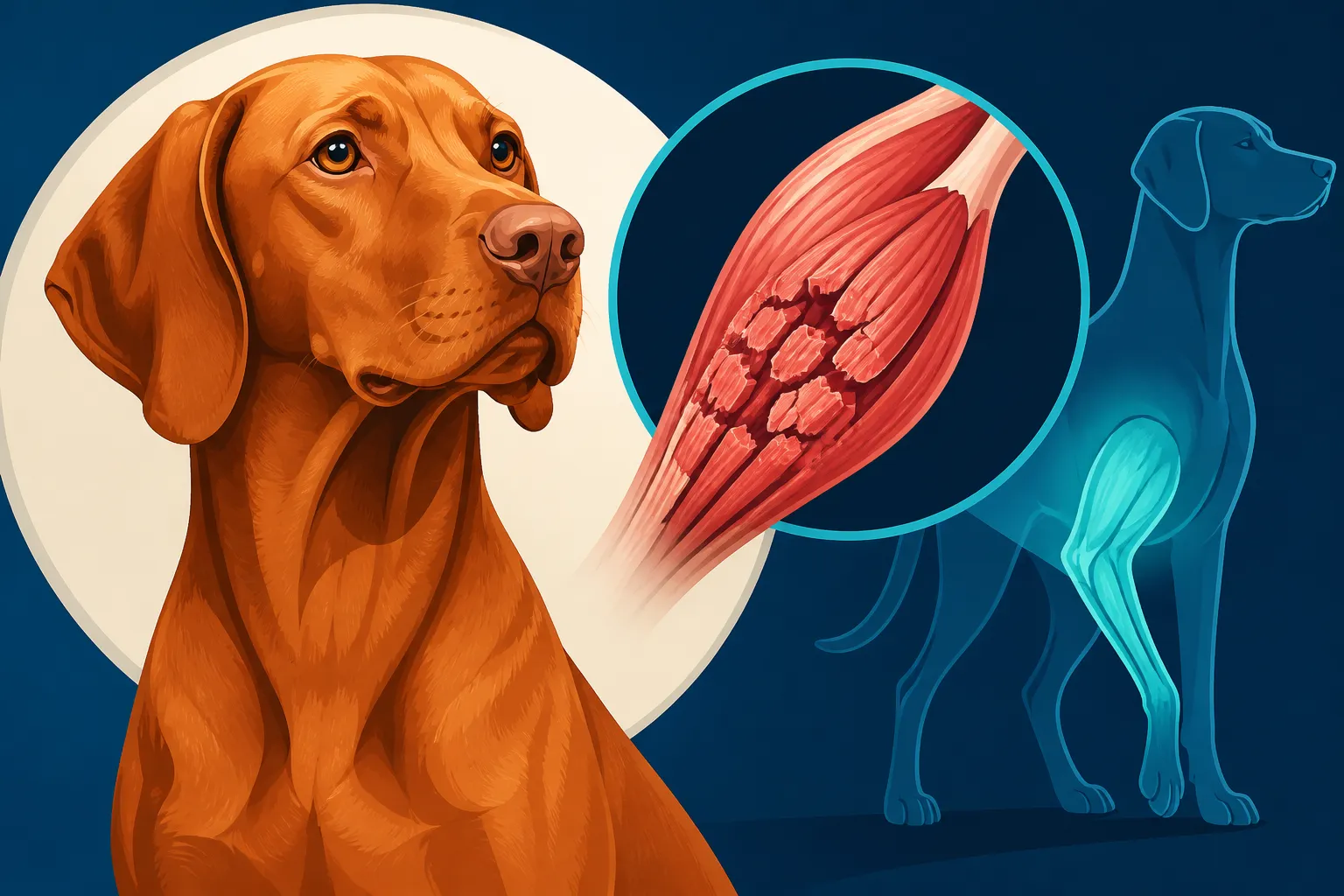
At its core, VIP is an inflammatory disease targeting the skeletal muscles. In a healthy Vizsla, the immune system is a vigilant protector, fending off invaders like bacteria and viruses. However, with VIP, this sophisticated defense mechanism goes awry, turning its destructive power inward. It perceives the dog's own muscle cells as foreign threats and launches an attack, leading to inflammation, pain, and eventually, the irreversible degeneration of muscle tissue. Think of it like a civil war happening inside your dog's body, where the soldiers meant to protect are instead laying waste to vital structures. This inflammatory process can come in waves, sometimes acutely, sometimes smoldering, gradually eroding the muscle strength and integrity that Vizslas are so renowned for. The insidious nature of the disease often means that by the time overt symptoms appear, significant muscle damage may have already occurred, making early recognition and intervention all the more critical.
Why It's So Closely Associated with Vizslas
The very name, Vizsla Inflammatory Polymyopathy, tells you a lot about its strong link to the breed. While other dogs can suffer from various forms of myositis (muscle inflammation), this particular manifestation seems to be almost exclusively seen in Vizslas, giving it that unfortunately distinctive moniker. This isn't a random coincidence; it points directly to the breed's genetic makeup. Vizslas are a relatively old breed, but they also faced near extinction twice in their history, leading to significant genetic bottlenecks. These events, particularly the rebuilding efforts in the early 20th century, meant that a small number of foundation dogs contributed disproportionately to the modern Vizsla gene pool.
This limited genetic diversity, while preserving many desirable traits, also concentrated certain predispositions. Unfortunately, one of those appears to be a heightened susceptibility to immune-mediated diseases, and VIP is a prime example. The disease is so closely identified with them that it's often the first condition veterinarians consider when a Vizsla presents with its characteristic symptoms. This isn't to say every Vizsla will get it, but the breed as a whole carries a risk factor that isn't present in the same way for other breeds. Understanding this breed-specific vulnerability is key for responsible ownership and breeding. If you're wondering Why Vizslas Carry So Much Immune Disease, the answer often lies in their unique history and genetic bottlenecks.
The Genetic Predisposition
It's natural to ask if VIP is inherited, and the prevailing scientific consensus strongly suggests a genetic component, although the exact genes and mode of inheritance are still areas of active research. While a definitive "VIP gene" hasn't been isolated yet, the consistent appearance of this condition within Vizsla lines indicates a hereditary link. This means that certain genetic markers or combinations of genes likely make a Vizsla more prone to developing the disease. It's not necessarily a simple dominant or recessive trait, which makes tracking and predicting its appearance even more challenging for breeders and owners.
Breeders committed to the health of the Vizsla are diligent about screening their dogs and carefully planning pairings to minimize the risk of passing on known health issues. However, because VIP is complex and not fully understood genetically, even the most conscientious breeders can sometimes produce affected puppies, especially if carrier dogs are unknowingly bred. This highlights the importance of open communication between breeders and puppy buyers about family health histories. If you're considering a Vizsla puppy, discussing the prevalence of conditions like VIP in the parent lines is a crucial step. Understanding Whether Polymyopathy Runs in Vizsla Lines can inform your choice and future planning for your dog's health.
Recognizing the Early Signs of VIP
The challenge with diseases like Vizsla Inflammatory Polymyopathy is that the early signs can be incredibly subtle, easily mistaken for general fatigue, aging, or even just a dog being a bit "off." As a dedicated Vizsla owner, you're usually incredibly attuned to your dog's nuances, but VIP often presents in ways that creep up on you. Being vigilant and knowing what to look for can make a significant difference in getting an early diagnosis and potentially slowing the disease's progression.
Subtle Changes in Facial Expression
One of the hallmark signs of VIP often starts subtly in the facial muscles. Your Vizsla might begin to look a little different around the eyes and mouth. You might notice their brow seems a bit furrowed, or their expression might appear less animated than usual. The muscles responsible for the classic Vizsla "smile" or their alert, questioning gaze can start to weaken. This can manifest as drooping eyelids, an inability to fully close their mouth, or a less defined muzzle. Sometimes, the facial muscles can even appear a bit wasted or sunken.
Imagine your lively Vizsla, always expressive and engaged, suddenly having a somewhat flat or puzzled look on their face, as if they're struggling to convey emotion with their usual vigor. This isn't just cosmetic; it indicates underlying muscle weakness. They might seem to have less control over their lips, leading to a slight drooling or difficulty holding toys and food in their mouth. Pay close attention to these changes, especially if they seem to be persistent or worsening. These small shifts in facial expression are often the first visible indicators that something serious is happening, particularly related to Why VIP Attacks a Vizsla's Head and Neck.
Difficulty Swallowing and Drinking
Perhaps one of the most distressing and dangerous early signs of VIP is dysphagia, or difficulty swallowing. The muscles of the pharynx and esophagus are crucial for moving food and water from the mouth down to the stomach, and when these muscles are inflamed and weakened by VIP, this process becomes incredibly challenging. You might notice your Vizsla taking longer to eat, dropping kibble more often, or making repeated attempts to swallow before finally succeeding. Drinking can become a messy affair, with water dribbling out of their mouth or them gagging and coughing after taking a sip.
This isn't just an inconvenience; it carries a serious risk of aspiration pneumonia, where food or water accidentally enters the lungs instead of the esophagus. This secondary infection can be life-threatening. Owners often describe their dogs standing over the food bowl, looking hungry but hesitant, as if the act of eating itself has become a daunting task. They might also start to lose weight despite a healthy appetite because they simply can't ingest enough food efficiently. Keep a close eye on their meal times and drinking habits; Spotting Swallowing Trouble in a Vizsla early can be critical for preventing serious complications.
Weakness and Changes in Gait
While VIP primarily affects the head and neck muscles, it can also manifest as more generalized muscle weakness, particularly as the disease progresses. You might notice your Vizsla, typically a powerhouse of energy and agility, becoming less enthusiastic about their usual runs or walks. They might tire more quickly, or their movements might seem less coordinated. Subtle changes in their gait can also become apparent. They might have a slightly stiff or wobbly walk, particularly in their hindquarters, or struggle with stairs and jumping onto furniture.
This general weakness often presents as a reluctance to engage in strenuous activity, a stark contrast to the breed's natural drive and athleticism. A Vizsla who usually loves to chase birds or retrieve balls might start opting for shorter play sessions or simply lying down more frequently. It's easy to dismiss these changes as "just getting older," especially in a dog who is no longer a puppy. However, if these changes are accompanied by any of the facial or swallowing issues, it's a strong indicator that something more serious than normal aging is at play. Observing these shifts in energy levels and movement patterns is vital, as they could be early warnings of the progressive muscle loss associated with VIP.
The Progression of Muscle Weakness
Once VIP takes hold, the muscle weakness unfortunately tends to progress, impacting various crucial functions. This progression can be variable, sometimes slow and gradual, other times more rapid, but it often follows a pattern that severely diminishes a Vizsla's quality of life. Understanding this trajectory can help owners prepare for and mitigate the challenges.
Impact on Masticatory Muscles
The masticatory muscles are those responsible for chewing, and these are often among the first and most severely affected by Vizsla Inflammatory Polymyopathy. These muscles, located along the jawline and skull, can become inflamed, painful, and eventually waste away. Initially, your Vizsla might show reluctance to chew hard kibble or bones, preferring softer foods. You might notice them dropping food or trying to "slurp" rather than crunch. As the disease advances, the muscle atrophy becomes visible. The temporal muscles, on top of the head, and the masseter muscles, on the sides of the jaw, will visibly shrink, giving the dog's head a distinctly gaunt or hollowed appearance.
This muscle wasting isn't just an aesthetic change; it severely impairs their ability to eat. The jaw may hang slightly open, making it difficult to even hold food in their mouth, let alone grind it down. This can lead to significant weight loss and nutritional deficiencies, even if the dog is otherwise hungry. Imagine having a full plate of your favorite meal in front of you but being physically unable to chew it – that's the struggle a Vizsla with severe masticatory muscle involvement faces. This critical loss of function necessitates significant dietary adjustments and careful monitoring to ensure they receive adequate nutrition. It's a key part of What Vizsla Inflammatory Polymyopathy Does to the body.
Challenges with Esophageal Function
Beyond chewing, VIP can also wreak havoc on the esophagus, the tube that carries food from the throat to the stomach. The muscles lining the esophagus normally contract in a coordinated wave (peristalsis) to push food along. When these muscles are affected by inflammation and weakness, this coordinated movement can fail, leading to a condition called megaesophagus. In megaesophagus, the esophagus loses its tone and ability to push food, becoming a dilated, flaccid sac where food and water can accumulate instead of moving efficiently to the stomach.
This creates a high risk of regurgitation and, more dangerously, aspiration pneumonia. Food or liquid can sit in the dilated esophagus and then be inhaled into the lungs, causing severe lung infections. This is a critical complication that can quickly become life-threatening. Owners often describe their Vizsla coughing or gagging, especially after eating or drinking, or finding undigested food expelled shortly after a meal, often in a sausage shape. Managing megaesophagus requires significant lifestyle changes, including specialized feeding techniques, such as feeding in an elevated position (sometimes using a "Bailey chair") to let gravity assist the food's passage. Understanding this aspect is crucial because Whether a Vizsla Aspirates Its Food is a major concern.
Generalized Muscle Atrophy
While the head and neck muscles are the primary targets, VIP can, in some cases, progress to cause more generalized muscle atrophy throughout the body. This means that muscles in the limbs, back, and torso can also become inflamed and waste away. The athletic physique of a Vizsla, typically lean and muscular, can become noticeably frail. This generalized weakness further impacts their mobility, endurance, and overall quality of life. Activities they once loved, like running in the field or even a brisk walk, become increasingly difficult or impossible.
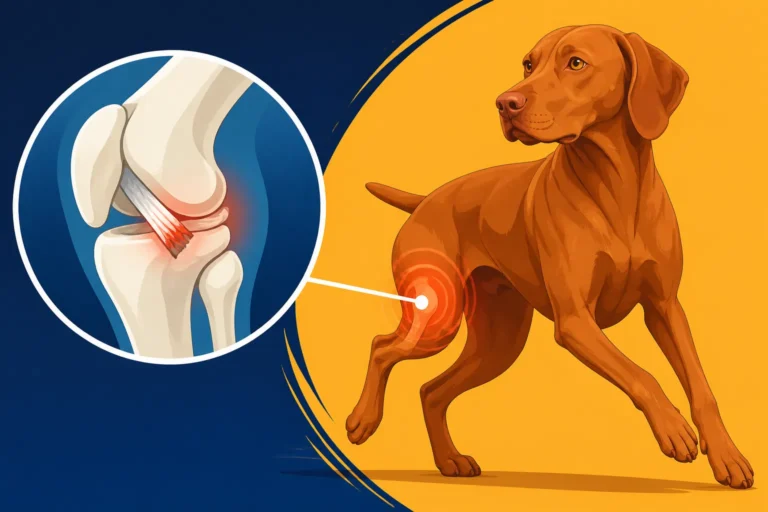
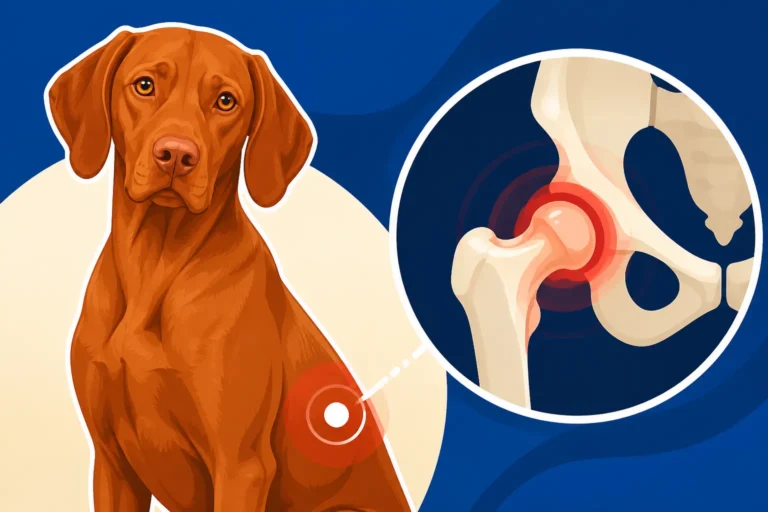
The dog might struggle to stand up from a lying position, navigate stairs, or jump into a car. Their overall energy levels will plummet, and they may spend much more time resting. This widespread muscle loss can also put additional strain on their joints, potentially exacerbating other age-related or breed-specific orthopedic issues like hip or elbow dysplasia. Keeping weight on a Vizsla with generalized muscle atrophy becomes a constant battle, as their caloric needs might remain high due to inflammation, but their ability to consume and process food is compromised. It’s a harsh reality that Whether a Vizsla's Head Muscles Waste Away is often just the beginning of a broader systemic challenge.
Diagnosing Vizsla Inflammatory Polymyopathy
Receiving a diagnosis of Vizsla Inflammatory Polymyopathy can be a complex and often frustrating journey for owners. The initial signs can be vague or mimic other conditions, requiring a thorough investigative process by your veterinarian. It's not usually a simple one-and-done test, but rather a combination of observations, tests, and careful elimination of other possibilities.
Veterinary Examination and Initial Suspicions
When you first bring your Vizsla to the vet with concerns about facial changes, swallowing difficulties, or weakness, your veterinarian will start with a comprehensive physical examination. They will meticulously palpate your dog's head and neck muscles, feeling for any signs of atrophy, tenderness, or inflammation. They'll observe your dog's gait, watch them eat and drink, and check their reflexes. They'll also ask you detailed questions about the onset of symptoms, how they've progressed, and any specific incidents you've noticed, such as coughing after meals or excessive drooling.
Blood work, including a complete blood count (CBC) and a biochemistry panel, will likely be performed to check for general health indicators, inflammation markers, and to rule out other systemic diseases. Elevated muscle enzymes (like creatine kinase, or CK) in the blood can strongly suggest muscle damage, pointing the vet towards a myopathy. However, these are general indicators and don't specifically diagnose VIP. The combination of breed predisposition, clinical signs like difficulty chewing and swallowing, and elevated muscle enzymes will build a strong initial suspicion for Vizsla Inflammatory Polymyopathy, prompting further, more specific diagnostic steps.
Advanced Diagnostic Tools
Once VIP is strongly suspected, your vet will likely recommend more advanced diagnostic tests to confirm the diagnosis and assess the extent of the disease.
- Muscle Biopsy: This is often considered the gold standard for diagnosing inflammatory myopathies. A small sample of affected muscle tissue (usually from the temporalis or masseter muscles in the jaw, or sometimes a limb muscle) is surgically removed and sent to a specialized veterinary pathologist. The pathologist will examine the tissue under a microscope, looking for characteristic signs of inflammation, muscle fiber degeneration, and immune cell infiltration that are consistent with VIP. This is a crucial step for a definitive diagnosis.
- Electromyography (EMG): This procedure involves inserting small needle electrodes into the muscles to measure their electrical activity. In dogs with VIP, the EMG will often show abnormal electrical activity consistent with inflammation and muscle damage, such as spontaneous activity, fibrillation potentials, and positive sharp waves. This helps to pinpoint which muscles are most affected and confirms muscle disease.
- Imaging (Fluoroscopy, X-rays): If swallowing difficulties are prominent, your vet might recommend a fluoroscopic swallow study. This involves feeding your Vizsla a barium-coated meal and then observing its passage through the esophagus in real-time using X-rays. This can reveal abnormalities in esophageal motility, such as a dilated esophagus or discoordinated swallowing, which are common in VIP. Regular chest X-rays might also be taken to check for aspiration pneumonia, a serious complication.
- Genetic Testing: While there isn't a direct genetic test for VIP yet, ongoing research aims to identify genetic markers. In the future, such tests could help identify at-risk individuals or carriers, aiding in responsible breeding decisions.
Differentiating VIP from Other Conditions
One of the challenges in diagnosing VIP is that its symptoms can overlap with several other conditions. Your veterinarian will need to meticulously rule out these possibilities to ensure an accurate diagnosis. For instance, masticatory myositis, another immune-mediated muscle disease, specifically targets the chewing muscles but is a distinct entity from VIP. While both cause chewing difficulties, the muscle biopsy results and the broader systemic impact help differentiate them.
Other conditions to consider and rule out include:
- Myasthenia Gravis: An autoimmune disease affecting the neuromuscular junction, leading to generalized weakness and sometimes megaesophagus. A specific blood test (acetylcholine receptor antibody test) can diagnose this.
- Hypothyroidism: Thyroid failure can cause lethargy and generalized weakness, and sometimes even facial nerve paralysis, but doesn't typically cause the specific muscle atrophy seen in VIP. Thyroid Failure in a Vizsla is a common issue, making this a frequent differential.
- Tumors or Lesions: Brain tumors, nerve damage, or masses in the throat/esophagus can cause similar swallowing or facial paralysis symptoms, requiring imaging like MRI or CT scans.
- Foreign Bodies or Trauma: An object lodged in the throat or trauma to the jaw can obviously cause pain and difficulty eating.
- Other Inflammatory Myopathies: While VIP is Vizsla-specific, other general inflammatory muscle diseases can affect dogs. The specific breed and biopsy findings help narrow down the diagnosis.
The diagnostic process is often iterative, with test results guiding the next steps. It can be an anxious time for owners, but patience and thoroughness are essential to getting the right diagnosis and, subsequently, the most appropriate treatment plan.
Treatment Options and Management Strategies
Once a Vizsla is diagnosed with VIP, the focus shifts to managing the disease, slowing its progression, and maintaining the dog's quality of life. It’s important to understand that VIP is often a chronic condition, requiring lifelong management rather than a complete cure. The approach typically involves a combination of medication to suppress the immune system and supportive care to address the symptoms.
Corticosteroids and Immunosuppressants
The cornerstone of VIP treatment is usually immunosuppression, primarily using corticosteroids like Prednisone or Prednisolone. These powerful anti-inflammatory drugs work by dampening the immune system's attack on the muscle tissue. They are often prescribed at a high initial dose to bring the inflammation under control quickly, and then gradually tapered down to the lowest effective maintenance dose. The goal is to reduce inflammation and pain, improve muscle function, and prevent further damage.
While corticosteroids can be highly effective, they also come with a range of potential side effects, especially with long-term use. These can include increased thirst and urination, increased appetite, weight gain, panting, and susceptibility to infections. Your vet will work closely with you to monitor these side effects and adjust the dosage as needed. In some cases, if corticosteroids alone aren't sufficient or if the side effects are too severe, other immunosuppressive drugs may be added to the regimen. These include medications like Azathioprine, Cyclosporine (often used for other immune-mediated skin conditions like Sebaceous Adenitis and the Vizsla That Loses Its Coat), or Mycophenolate. These drugs work through different mechanisms to suppress the immune response, often allowing for lower doses of corticosteroids to be used, thereby reducing their side effects. It's a careful balancing act, and finding the right combination and dosage for your individual Vizsla can take time. Whether Steroids Control a Vizsla's Polymyopathy is often a primary concern for owners.
Supportive Care and Nutritional Adjustments
Beyond medication, supportive care is absolutely crucial for managing VIP, especially when it affects eating and swallowing.
- Dietary Modifications: If your Vizsla has difficulty chewing, switching to a softer diet is essential. This could involve wet food, kibble soaked in water or broth until mushy, or even blended food. For dogs with megaesophagus, a gruel-like consistency often works best, as it can be easier for gravity to move down the esophagus. Smaller, more frequent meals can also be beneficial, as they are less taxing to swallow.
- Elevated Feeding: For Vizslas with megaesophagus, feeding in an elevated position is paramount. This allows gravity to help move food down the esophagus into the stomach. Many owners use special feeding chairs, often called "Bailey chairs," which hold the dog in an upright, begging-like position during and for 15-30 minutes after meals. Whether a Vizsla Needs a Feeding Chair is a very practical question for many owners facing this challenge.
- Hydration: Ensuring adequate hydration can be tricky, as drinking water can also lead to aspiration. Offering water in small, frequent amounts, using a viscous liquid like plain gelatin dissolved in water, or even adding water to their food can help. In severe cases, subcutaneous fluids might be necessary.
- Aspiration Pneumonia Prevention: This is a constant concern. Beyond elevated feeding, meticulous oral hygiene is important. After eating, gently wipe your dog's mouth and gums to remove any lingering food particles. Be vigilant for signs of pneumonia, such as coughing, lethargy, fever, or difficulty breathing, and seek immediate veterinary attention if you suspect it.
- Weight Management: Keeping weight on a working Vizsla is already a challenge, and VIP makes it even harder. Working with your vet to ensure adequate caloric intake despite feeding difficulties is vital. High-calorie, palatable food options can be explored.
Pet insurance, such as through Healthy Paws, can be a lifesaver when it comes to covering the costs of ongoing medications, specialized foods, and potential emergency treatments like those for aspiration pneumonia. These conditions often require long-term, expensive care, and having a good policy can ease the financial burden significantly.
Physical Therapy and Rehabilitation
Physical therapy and rehabilitation can play a supportive role in managing VIP, particularly in maintaining muscle mass and function in less severely affected areas, or in dogs whose condition stabilizes. While it won't reverse severe atrophy caused by the disease, it can help prevent secondary issues and improve mobility.
- Passive Range of Motion (PROM) Exercises: Gentle flexion and extension of limbs can help maintain joint flexibility and blood flow, preventing stiffness in muscles not directly affected by the most acute inflammation.
- Therapeutic Exercises: Once inflammation is controlled, very gentle, controlled exercises can help rebuild strength. This might include short, slow walks, swimming in a controlled environment (like a hydrotherapy pool, if swallowing is not an aspiration risk), or balance exercises. The key is to avoid overexertion, which could worsen inflammation.
- Massage: Gentle massage can improve circulation and reduce muscle stiffness and discomfort.
- Acupuncture/Chiropractic: Some owners explore complementary therapies like acupuncture or veterinary chiropractic care to manage pain and improve overall comfort, though their direct impact on the underlying inflammatory process of VIP is not scientifically proven.
Any physical therapy regimen should be developed and overseen by a certified veterinary rehabilitation specialist in conjunction with your primary veterinarian. The approach must be tailored to your Vizsla's specific condition and limitations to ensure it is beneficial and safe.
Living with a Vizsla with VIP
Living with a Vizsla diagnosed with Inflammatory Polymyopathy means embracing a new normal. It requires patience, dedication, and a commitment to adapting your routine and environment to meet your dog's changing needs. This journey can be emotionally taxing, but with the right strategies, you can ensure your beloved companion continues to have a high quality of life.
Adapting the Home Environment
Your home, which was once perfectly suited for an energetic Vizsla, may need some modifications to make life easier and safer for a dog struggling with VIP.
- Easy Access: Consider ramps for cars or beds if your Vizsla struggles with jumping or stairs. This reduces strain on weakened limb muscles and prevents falls. If they sleep in your bed, a sturdy dog ramp can be invaluable, especially for an older dog who still wants to be close.
- Non-Slip Surfaces: If your home has slippery floors, consider adding runners or rugs to provide better traction. This helps prevent slips and falls, which can be particularly dangerous for dogs with muscle weakness.
- Comfortable Resting Spots: Ensure your Vizsla has several soft, orthopedic beds around the house. These provide comfortable support for aching muscles and joints, and easy access to rest. Warm blankets can also be comforting, as the thin-skinned Vizsla can feel the cold more acutely, especially if their mobility is reduced.
- Designated Eating Area: Set up a dedicated feeding station that accommodates elevated bowls or a Bailey chair. This minimizes distractions and ensures consistency in their feeding routine, which is crucial for managing swallowing issues.
These adjustments are not just about convenience; they are about reducing physical stress, preventing injuries, and promoting comfort, allowing your Vizsla to conserve their precious energy for daily living.
Ensuring Hydration and Nutrition
This is arguably the most critical aspect of daily care for a Vizsla with VIP, particularly if megaesophagus or chewing difficulties are present.
- Consistent Feeding Schedule: Stick to a strict feeding schedule of small, frequent meals. This reduces the volume of food in the esophagus at any one time, making it easier to swallow and less likely to cause regurgitation or aspiration. For some dogs, 3-4 meals a day might be more appropriate than two large ones.
- The Right Consistency: Experiment with different food consistencies to find what works best. Some dogs do better with a thick gravy-like gruel, while others manage small, meatballs of soft food. The goal is a consistency that is easy to swallow without being so liquid it increases aspiration risk.
- Post-Meal Upright Time: This cannot be stressed enough. After every meal and drink, your Vizsla must remain in an upright position for at least 15-30 minutes. This allows gravity to effectively pull food and water into the stomach. A Bailey chair is an excellent tool for this, or simply holding them gently in an upright "begging" position.
- Careful Drinking: Monitor water intake closely. Offering ice cubes or slushies can sometimes be safer than free-standing water, as they melt slowly, providing small amounts of liquid. A pet fountain might encourage drinking, but also carries aspiration risk, so always supervise. In cases where oral hydration is consistently risky, your vet might show you how to administer subcutaneous fluids at home.
- Nutritional Monitoring: Regular weight checks are essential. If your Vizsla is losing weight, discuss higher-calorie food options or nutritional supplements with your vet. A nutritionist can also help formulate a balanced diet tailored to their needs.
Dealing with the ongoing costs of specialized food, feeding chairs, and potentially endless vet visits for aspiration pneumonia treatment can be substantial. This is where pet insurance, like a comprehensive plan from Healthy Paws, can truly offer peace of mind, helping cover those unexpected and recurring expenses.
Monitoring for Complications
Living with VIP means being constantly vigilant for signs of complications, especially aspiration pneumonia.
- Respiratory Signs: Any coughing, gagging, difficulty breathing, nasal discharge, lethargy, or fever should prompt an immediate call to your veterinarian. These are classic signs of aspiration pneumonia, which requires urgent medical attention.
- Weight and Body Condition: Keep a weekly log of your Vizsla's weight. Unexpected weight loss despite adequate food intake can indicate worsening swallowing, poor nutrient absorption, or an underlying complication. Regular body condition scoring will also help you assess muscle loss.
- Pain and Discomfort: While steroids help with inflammation, some dogs may still experience discomfort. Observe for signs of pain like reluctance to move, guarding their head or neck, whimpering, or changes in behavior. Discuss pain management options with your vet.
- Behavioral Changes: Any sudden changes in temperament, increased anxiety, or withdrawal could indicate discomfort, neurological complications (though less common with VIP itself), or even a sign that they are struggling more than you realize.
- Medication Side Effects: Continuously monitor for side effects from immunosuppressive drugs. Report any severe or persistent symptoms to your vet, as dosage adjustments or alternative medications may be needed.
Regular veterinary check-ups are non-negotiable. Your vet will want to see your Vizsla frequently, especially during initial treatment and stabilization, to assess progress, adjust medications, and catch any complications early. These check-ups might include repeat blood work to monitor muscle enzyme levels and ensure organ function remains healthy on medications.
Prognosis and Long-Term Outlook
Receiving a diagnosis of Vizsla Inflammatory Polymyopathy is undoubtedly daunting, and many owners immediately want to know what the future holds. The truth is, the prognosis for VIP can vary significantly from one dog to another, depending on several factors, including the severity of the disease at diagnosis, how well they respond to treatment, and the owner's commitment to ongoing care.
Variability in Disease Progression
VIP is not a one-size-fits-all disease; its progression can be highly unpredictable. Some Vizslas may experience a relatively mild form that responds well to medication, with their symptoms stabilizing or even improving significantly. These dogs might live many comfortable years with ongoing management, albeit with dietary adjustments and medication. Their muscle atrophy might be minimal, and they may not develop severe megaesophagus or aspiration pneumonia.
However, other Vizslas face a much more aggressive form of the disease. Their muscle weakness might progress rapidly despite treatment, leading to severe difficulty eating, pronounced muscle wasting, and frequent bouts of life-threatening aspiration pneumonia. These cases are incredibly challenging to manage and can significantly shorten a Vizsla's lifespan. The disease can wax and wane, with periods of remission followed by flare-ups, making long-term planning and emotional resilience crucial for owners. Unfortunately, there's no way to definitively predict at diagnosis whether a Vizsla will have a mild or severe course. Owners often ask Whether a Vizsla Recovers From VIP, and the answer is usually about management and stabilization, rather than full recovery.
Quality of Life Considerations
For many Vizslas with VIP, maintaining a good quality of life is the primary goal of treatment. This involves not only managing the physical symptoms but also ensuring they can still engage in activities they enjoy, even if those activities are modified.
- Pain Management: Ensuring your Vizsla is free from chronic pain is paramount. Regular assessments by your vet and appropriate pain relief, in addition to immunosuppressants, will be part of the long-term plan.
- Mobility: While their days of extensive field work or marathon running might be over, encouraging gentle exercise, like short, controlled walks or backyard play, can help maintain muscle tone and mental stimulation. Adapting to their physical limitations with ramps and comfortable bedding can make a huge difference.
- Social Interaction: Vizslas are incredibly social dogs, and maintaining their bond with you and the family is vital for their emotional well-being. Even if they can't run with you, snuggles on the sofa, gentle games, and consistent companionship are essential.
- Mental Stimulation: Engaging their keen minds with scent games, puzzle toys, or short training sessions that don't require extensive physical exertion can keep them happy and engaged.
- Weighing Difficult Decisions: There may come a point, especially with severe or rapidly progressing disease, where the challenges of maintaining quality of life outweigh the benefits of treatment. Frequent aspiration pneumonia, intractable pain, or a complete inability to eat independently can lead to difficult conversations with your veterinarian about humane euthanasia. This is an agonizing decision no pet owner wants to face, but it's part of ensuring their comfort and dignity.
Throughout this journey, having a robust pet insurance plan, such as one from Healthy Paws, can be incredibly beneficial. It can alleviate the stress of mounting veterinary bills, allowing you to focus on making the best quality of life decisions for your Vizsla without financial constraints weighing as heavily on your mind.
Preventative Measures for Future Generations
Given the strong genetic component of Vizsla Inflammatory Polymyopathy, responsible breeding practices are the most effective long-term preventative measure for the breed as a whole.
- Health Testing and Pedigree Research: Reputable Vizsla breeders should be meticulously researching the pedigrees of their breeding stock, looking for any incidence of VIP in the lines. They should also be transparent about the health history of their dogs and previous litters. While there's no single genetic test for VIP yet, breeders who prioritize health often screen for other common Vizsla health issues.
- Avoiding Affected Dogs: Dogs diagnosed with VIP, or even those showing ambiguous symptoms that could be VIP, should ideally not be used for breeding. This helps prevent the further propagation of the genes that predispose Vizslas to this devastating condition.
- Research and Collaboration: Supporting research into the genetics of VIP is crucial. Organizations like the Orthopedic Foundation for Animals (OFA) and the Vizsla Club of America (VCA) often fund or facilitate research into breed-specific diseases. Owner participation in studies, through DNA samples or health surveys, can contribute immensely to scientific understanding.
- Open Communication: Owners of affected Vizslas are encouraged to share their experiences and diagnostic information with their breeders and the broader Vizsla community. This open dialogue helps track the disease and identify potentially at-risk lines. Understanding The Health Tests Both Vizsla Parents Should Have can help prospective owners ensure they are choosing a puppy from health-conscious breeders.
By taking these steps, both individually and collectively, the Vizsla community can work towards reducing the prevalence of VIP in future generations, hopefully ensuring that fewer Vizslas and their families have to endure the challenges of this difficult muscle disease.
| Symptom Category | Early Signs | Progressive Signs | Potential Complications |
|---|---|---|---|
| Facial & Oral | Subtle facial expression changes, mild drooling | Visible muscle atrophy (hollow temples), jaw hangs open, severe difficulty chewing | Weight loss, malnutrition |
| Swallowing | Dropping food, slow eating, occasional coughing/gagging after meals/drinks | Frequent regurgitation, aspiration, complete inability to swallow | Aspiration pneumonia (life-threatening), dehydration, severe weight loss |
| General Mobility | Reduced enthusiasm for exercise, quicker fatigue, mild stiffness | General muscle atrophy, difficulty standing/walking, inability to climb stairs/jump | Joint strain, overall weakness, reduced quality of life |
| Behavioral | Reluctance to play, slight lethargy | Increased resting, withdrawal, signs of pain | Depression, anxiety |
Disclaimer
The information provided in this article is for general informational purposes only and is not intended as a substitute for professional veterinary advice. Always seek the advice of your veterinarian or other qualified animal health provider with any questions you may have regarding a medical condition or treatment for your Vizsla. Never disregard professional veterinary advice or delay in seeking it because of something you have read in this article.