Foods That Are Dangerous to a Vizsla
It's every Vizsla owner's nightmare: you turn your back for just a second, and suddenly, your beloved, curious companion has gotten into something they shouldn't. Whether it's a dropped piece of food from the counter, a forgotten snack left within reach, or something more obscure lurking in the pantry, the anxiety that floods you in that moment is truly terrifying. Our Vizslas are such an integral part of our lives, practically shadow-dogs, and their boundless energy often means they're quick to investigate anything new. This guide is here to walk you through the foods and substances that are genuinely dangerous to your Vizsla, why they're harmful, what symptoms to look for, and most importantly, what steps you need to take if the unthinkable happens.
Common Kitchen Culprits Your Vizsla Can't Handle
Our kitchens are often the heart of our homes, filled with tempting aromas and delicious treats. But what's perfectly safe and enjoyable for us can be incredibly dangerous, even life-threatening, for our canine companions, especially an opportunistic and fast-moving Vizsla. Knowing these common hazards is your first line of defense.
Chocolate: The Sweet Danger
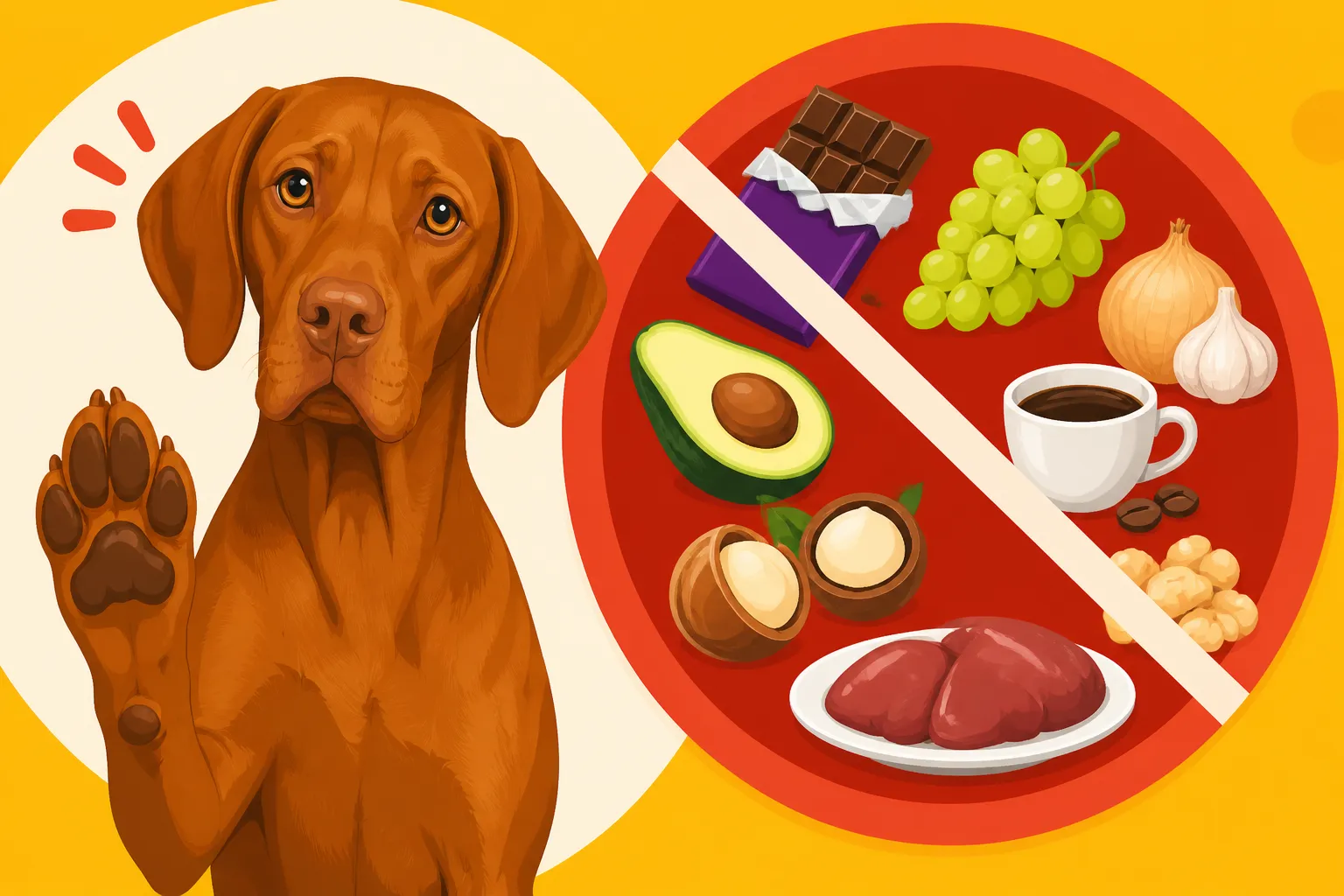
Ah, chocolate. For us, it's a delightful indulgence, a comfort food, or a celebratory treat. For a Vizsla, however, it's a toxic trap. The culprit here is a compound called theobromine, which dogs metabolize much more slowly than humans. This means it stays in their system longer, building up to toxic levels. Different types of chocolate contain varying amounts of theobromine, with darker chocolate and baking chocolate being the most dangerous due to their higher concentration. Milk chocolate and white chocolate still pose a risk, especially in larger quantities, but generally have less theobromine.
Imagine you've just finished baking a batch of brownies, and a corner accidentally falls onto the floor. Before you can even react, your Vizsla, with its lightning-fast reflexes and ground-level advantage, has hoovered it up. Within a few hours, you might start noticing subtle changes. They might seem more restless than usual, pacing or unable to settle. Then the symptoms escalate: increased thirst, vomiting, diarrhea. In more severe cases, especially with dark or baking chocolate, you could see tremors, seizures, an elevated heart rate, and even heart failure. It's truly a heartbreaking situation to watch. The amount consumed relative to your Vizsla's body weight is critical. A few chocolate chips might not be an emergency for a sixty-pound Vizsla, but a dark chocolate bar certainly would be. Always err on the side of caution.
Grapes and Raisins: Small but Mighty Toxic
This one often catches people off guard because grapes and raisins seem so innocuous. They're natural, healthy for humans, and just seem like a harmless treat. But for some reason, the exact mechanism of which is still debated by veterinary scientists, grapes and raisins can cause acute kidney failure in dogs. And the scary part? It's not dose-dependent for every dog. One Vizsla might eat a handful of raisins and be fine, while another might ingest just one and suffer severe kidney damage. There's no way to predict which dog will react or how severely.
Think about a fruit bowl on your counter, easily accessible by a counter-surfing Vizsla. Or perhaps your child drops a few raisins from their snack box. It can happen so fast. Symptoms typically appear within 6-12 hours of ingestion and can include vomiting, diarrhea, lethargy, dehydration, loss of appetite, and abdominal pain. As kidney function deteriorates, your Vizsla might show increased thirst and urination, followed by a decrease in urination as the kidneys begin to shut down. This is a medical emergency that requires immediate veterinary attention. Don't wait to see if symptoms develop; if you know your Vizsla has eaten any amount of grapes or raisins, contact your vet immediately.
Xylitol: A Hidden Sweetener with Big Risks
Xylitol is a sugar alcohol commonly used as a sugar substitute in many "sugar-free" human products. While it's safe for humans, it's incredibly toxic to dogs, including our Vizslas. The danger lies in how quickly it's absorbed into their bloodstream and the rapid, profound release of insulin it triggers from the pancreas. This leads to a sudden and severe drop in blood sugar (hypoglycemia), which can be life-threatening. In higher doses, xylitol can also cause liver failure.
You'll find xylitol in surprising places: sugar-free gum, mints, candies, chewable vitamins, certain toothpastes, mouthwashes, some peanut butters (always check the label!), sugar-free baked goods, and even some medications. It's so easy for a piece of gum to fall out of a pocket or for a tube of toothpaste to be left on the bathroom floor. A Vizsla's powerful chewing instinct means they can easily rip into packaging. Symptoms of xylitol poisoning can appear as quickly as 15-30 minutes after ingestion, making rapid intervention crucial. Look for vomiting, weakness, staggering, collapse, and seizures. If liver damage occurs, you might also see jaundice (yellowing of gums/eyes) and dark urine. Given the speed and severity of its effects, if you suspect your Vizsla has ingested anything containing xylitol, this is a true emergency and you need to get them to the vet immediately.
Onions, Garlic, and Chives: Flavorful but Fatal
These aromatic kitchen staples are fantastic for cooking, but they belong nowhere near your Vizsla's food bowl. Onions, garlic, chives, leeks, and shallots all belong to the Allium family and contain compounds that can damage a dog's red blood cells, leading to a condition called hemolytic anemia. This means their body starts destroying its own oxygen-carrying red blood cells, which can be incredibly dangerous and, if severe enough, fatal.
The toxicity isn't just limited to raw forms; cooked, powdered, dehydrated, or even baby food containing these ingredients can be harmful. Many prepared human foods, like certain soups, sauces, or seasoned meats, can contain significant amounts of these ingredients. Imagine dropping a piece of cooked steak that was heavily seasoned with garlic powder, or a stray onion slice from your burger. These small amounts can accumulate over time, or a single large dose can cause an acute reaction. The Twelve to Fourteen Years a Vizsla Lives depends heavily on preventing such serious health issues.
Symptoms might not appear for several days after ingestion, which can make diagnosis tricky. They include lethargy, weakness, pale gums, rapid breathing, an elevated heart rate, vomiting, diarrhea, and dark, reddish urine (due to the presence of damaged red blood cells). If your Vizsla exhibits any of these signs and you suspect they may have eaten anything from the Allium family, contact your veterinarian right away.
Unexpected Household Items That Pose a Threat
Beyond the obvious kitchen foods, there are other items we might have in our homes that, while not food for us, can still be ingested by a curious Vizsla and cause significant harm. Their relentless curiosity and ability to get into everything make understanding these less obvious dangers paramount.
Avocado: A Question Mark of Toxicity
Avocado is a bit of a tricky one because the level of toxicity varies depending on the part of the plant and the animal consuming it. For dogs, the main concern is a fungicidal toxin called persin, which is present in the leaves, bark, skin, and pit of the avocado. The flesh of the fruit itself generally contains lower levels and is often considered less toxic to dogs than to other animals like birds or horses. However, it's still best to exercise caution.
The biggest danger for a Vizsla with an avocado often isn't the persin in the flesh, but the large pit. That pit is a serious choking hazard and can cause an intestinal obstruction if swallowed. A Vizsla, being a larger dog, might manage to swallow a pit whole, leading to an emergency situation that would require surgery. While mild gastrointestinal upset (vomiting, diarrhea) can occur from eating the flesh, the pit is the primary concern for obstruction. If your Vizsla manages to get hold of an entire avocado, the best course of action is to prevent access, or if they've eaten the pit, call your vet immediately.
Alcohol: More Than Just a Hangover Hazard
It might seem obvious, but alcohol is extremely dangerous for dogs, and its effects can be much more severe and rapid than in humans. Dogs are smaller and metabolize alcohol differently, making them far more susceptible to alcohol poisoning. Any form of alcohol is toxic, including alcoholic beverages, raw bread dough (which ferments in the stomach and produces alcohol), and even some rotting fruits.
Picture a party where a glass of beer is left on a low table, or someone spills a drink. Our smart Vizslas are quick and may lap it up before you notice. Symptoms of alcohol poisoning in dogs are similar to those in humans but appear much faster and are more intense: vomiting, disorientation, incoordination, excessive drooling, weakness, depression of the central nervous system, and even a drop in body temperature. In severe cases, it can lead to respiratory distress, coma, and death. If you suspect your Vizsla has ingested any amount of alcohol, this is a medical emergency. You'll need to seek veterinary attention immediately. Whether a Vizsla Bloats is a concern for many owners, but alcohol poisoning can be equally, if not more, dangerous and rapid in onset.
Coffee, Tea, and Caffeine: The Buzzkill
Caffeine is a stimulant found not just in coffee and tea, but also in energy drinks, diet pills, chocolate (which we've already covered), and even some pain relievers. Like theobromine in chocolate, caffeine belongs to a class of compounds called methylxanthines, which dogs are very sensitive to. They can't metabolize these substances efficiently, leading to a build-up of toxins in their system.
Imagine leaving your morning coffee cup within reach, or a tea bag steeping on the counter. A curious Vizsla might investigate and lick up residual caffeine. While a small lick of cold coffee might not cause major issues for a large Vizsla, ingesting coffee grounds, tea bags, or caffeine pills can be extremely dangerous. Symptoms typically appear within 1-2 hours and can include hyperactivity, restlessness, vomiting, diarrhea, elevated heart rate, tremors, and seizures. Severe cases can lead to collapse and even death. If your Vizsla consumes a significant amount of caffeine, it's vital to contact your vet right away.
Yeast Dough: Rising Problems
Uncooked yeast dough, like that used for bread or pizza, poses a double threat to your Vizsla. First, the warm, moist environment of your dog's stomach acts as an incubator, causing the yeast to ferment and produce alcohol. As discussed, alcohol is highly toxic to dogs. Secondly, the dough itself can continue to rise inside your Vizsla's stomach, expanding and potentially causing severe bloating and twisting of the stomach (gastric dilatation-volvulus or GDV), which is a life-threatening emergency.
Think of a freshly made pizza dough left to rise on the counter or even a discarded bit of raw bread dough in the trash. A Vizsla is perfectly capable of getting into both. Symptoms of yeast dough ingestion include a distended abdomen, vomiting (often attempts to vomit without success), weakness, disorientation, and signs of abdominal pain. If you suspect your Vizsla has eaten raw yeast dough, this is an absolute emergency. Seek veterinary care immediately, as both alcohol poisoning and potential bloat are critical situations. Whether a Vizsla Needs a Gastropexy is a question often asked by owners worried about bloat, and preventing yeast dough ingestion is a simple but vital step to avoid this risk.
Plants, Nuts, and Other Outdoor Worries
Our Vizslas love to explore, whether it's our backyard or a walk in the woods. While we might focus on indoor hazards, there are plenty of outdoor and less common "food" items that can also cause serious problems if ingested.
Macadamia Nuts: A Mysterious Weakness
Macadamia nuts are another one of those seemingly harmless human foods that are surprisingly toxic to dogs. The exact toxic agent is unknown, but ingestion can lead to a specific set of symptoms. It's often found in cookies, trail mixes, or left out as a snack.
Symptoms typically appear within 12 hours and include weakness (especially in the hind legs), ataxia (incoordination or wobbly gait), vomiting, tremors, fever, and depression. While macadamia nut poisoning is rarely fatal, it's certainly distressing for both the dog and the owner. The symptoms can be quite pronounced, making your active Vizsla appear suddenly paralyzed or unable to move. Keep all macadamia nuts and products containing them out of reach. If your Vizsla has ingested them, a call to your vet is warranted for advice and potential treatment to alleviate symptoms. Whether a Vizsla Has a Sensitive Stomach might make them more prone to gastrointestinal upset from such foods.
Stone Fruit Pits: Choking and Cyanide Risks
Many fruits are perfectly safe and healthy for dogs in moderation, but the pits, seeds, and sometimes even the leaves of certain stone fruits can be problematic. Stone fruits include cherries, peaches, apricots, and plums. The pits of these fruits contain cyanide, which is toxic. While a single pit is unlikely to cause cyanide poisoning due to the relatively small amount of toxin, repeated ingestion or chewing them open can be dangerous.
The more immediate and significant danger, especially for a playful and curious Vizsla, is the risk of choking or intestinal obstruction. A Vizsla's strong jaws can crack open smaller pits, releasing the cyanide, but larger pits can easily get lodged in their throat or digestive tract. Imagine your Vizsla snatching a discarded peach pit from the garden or finding one on a walk. Obstructions are serious medical emergencies, often requiring surgery. Always remove the pits from stone fruits before offering the flesh to your Vizsla, or better yet, avoid giving them whole fruits with pits.
Rhubarb and Potato Leaves/Stems: Green but Mean
While the potato tuber (the part we eat) is safe when cooked, and rhubarb stalks are safe for humans, other parts of these plants contain toxins that are harmful to dogs. Raw potatoes, especially green ones or those with sprouts, as well as the leaves, stems, and flowers of both potato and rhubarb plants, contain oxalates. Oxalates can cause issues with the digestive and nervous systems.
If your Vizsla has access to a garden, they might chew on plant leaves or dig up potatoes. Symptoms of oxalate poisoning can include excessive drooling, vomiting, diarrhea, lethargy, weakness, and tremors. While mild cases might only result in gastrointestinal upset, severe cases can lead to kidney damage or central nervous system depression. If you have these plants in your garden, ensure your Vizsla cannot access them. For cooked potatoes, make sure they are plain and fully cooked, with no skin or sprouts if possible. What Vizslas Are Most Often Treated For often includes gastrointestinal issues, and plant toxicities can certainly contribute to this.
What to Do When Your Vizsla Eats Something Dangerous
Despite our best efforts, accidents happen. Our Vizslas are masters of mischief, and their speed and resourcefulness can sometimes outwit even the most vigilant owner. Knowing what to do in those terrifying moments can make all the difference.
Immediate Steps: Act Fast
The very first thing you need to do is stay calm. Panicking won't help your Vizsla. Take a deep breath. Then, assess the situation:
- Remove Access: Immediately remove your Vizsla from the source of the danger. Make sure there's no more of the toxic substance available for them to ingest. Secure it out of reach.
- Identify the Substance: This is crucial. What exactly did your Vizsla eat? How much of it? When did they eat it? Collect any packaging, labels, or remnants of the substance. This information will be invaluable to your veterinarian or poison control. For example, knowing the percentage of cocoa in chocolate or whether a chewing gum contained xylitol can significantly impact treatment.
- Check for Immediate Symptoms: Is your Vizsla vomiting? Are they weak or staggering? Are they having trouble breathing? Any immediate, visible signs need to be noted.
- Do NOT Induce Vomiting Without Professional Advice: While inducing vomiting might seem like a logical first step to get the toxin out, it can sometimes cause more harm than good. For instance, if your Vizsla ingested a corrosive substance, vomiting could cause further damage to the esophagus. If they're already showing neurological symptoms or are unconscious, inducing vomiting could lead to aspiration pneumonia. Always call a professional first.
When to Call the Vet: Don't Delay
This is not the time to "wait and see." If you suspect your Vizsla has eaten something dangerous, call your veterinarian or an emergency veterinary clinic immediately. If it's outside of regular hours, know the number and location of your nearest 24/7 emergency vet.
When you call, be prepared to provide all the information you gathered:
- What was ingested? (Be specific: type of chocolate, brand of gum, type of plant, etc.)
- How much? (Estimate as accurately as possible: how many grapes, how many ounces of chocolate, how many pills.)
- When was it ingested? (Estimate the time of ingestion.)
- Your Vizsla's weight.
- Any symptoms you're observing.
They will guide you on the next steps, which might include bringing your Vizsla in immediately for examination, inducing vomiting under veterinary supervision, or administering activated charcoal. Don't waste time looking up information online or second-guessing. A prompt phone call to a professional is your best course of action. You can often find pet-specific products and information on platforms like Chewy or Amazon, but for a suspected poisoning, a medical professional is your primary resource.
Here's a quick reference table for some common toxic foods and their potential effects:
| Food/Substance | Primary Danger | Common Symptoms | Severity |
|---|---|---|---|
| Chocolate | Theobromine toxicity | Vomiting, diarrhea, restlessness, increased thirst, tremors, seizures | Moderate to High |
| Grapes/Raisins | Acute kidney failure | Vomiting, lethargy, dehydration, loss of appetite, increased urination/thirst | High |
| Xylitol | Severe hypoglycemia, liver failure | Vomiting, weakness, staggering, collapse, seizures, jaundice | High |
| Onions/Garlic/Chives | Red blood cell damage (anemia) | Lethargy, weakness, pale gums, rapid breathing, dark urine | Moderate to High |
| Alcohol | Alcohol poisoning, CNS depression | Vomiting, disorientation, incoordination, weakness, collapse, coma | High |
| Yeast Dough | Alcohol production, stomach bloat/obstruction | Distended abdomen, vomiting, weakness, disorientation | High |
| Avocado Pit | Choking, intestinal obstruction | Choking, abdominal pain, vomiting (for obstruction) | Moderate to High |
| Macadamia Nuts | Unknown toxin affecting muscles/nerves | Weakness (hind legs), tremors, fever, vomiting, depression | Moderate |
| Caffeine (Coffee/Tea) | Methylxanthine toxicity | Hyperactivity, restlessness, vomiting, diarrhea, elevated heart rate, seizures | Moderate to High |
Prevention is Key: Keeping Your Vizsla Safe
The best way to handle food toxicities is to prevent them from happening in the first place. This requires vigilance and being proactive, which, let's be honest, can be a full-time job with a clever Vizsla!
- Secure Your Food: Never leave potentially dangerous foods unattended on counters, coffee tables, or other accessible surfaces. Vizslas are known for their counter-surfing abilities. Use secure containers for leftovers and keep pantry doors closed.
- Educate Everyone in the Household: Make sure all family members, especially children, understand which foods are dangerous and why. Teach them not to feed the Vizsla "human food" without checking with an adult.
- Read Labels: Always check the ingredients list on products like peanut butter, gum, or candies for xylitol. It's often listed as "xylitol" or "birch sugar." If in doubt, don't share it with your dog. When shopping for pet treats, look for reputable brands on sites like Chewy or Amazon that clearly list ingredients.
- Secure Trash Cans: Vizslas are incredibly resourceful. Use trash cans with secure lids or keep them in a cabinet that your Vizsla can't open. Old food scraps can be just as dangerous as fresh.
- Train a "Leave It" Command: A solid "leave it" or "drop it" command can be a lifesaver. Practice this regularly in various situations. The Soft Vizsla That Shuts Down When You Raise Your Voice means positive reinforcement is the way to go with training.
- Be Mindful of Guests: Inform guests about your dog's dietary restrictions and ask them not to feed your Vizsla anything. It's often well-intentioned but can lead to problems.
- Plant Awareness: Know what plants you have in your garden and remove any that are toxic to dogs. Secure access to compost piles where rotting fruits or vegetables might be.
- Safe Treats Only: Stick to dog-specific treats and foods. Many excellent options are available from pet supply retailers. If you want to give human food as a treat, stick to known safe options like plain cooked chicken, carrots, or apples (without seeds).
Keeping your Vizsla safe from dangerous foods is an ongoing commitment, but with awareness and proactive measures, you can ensure your loyal companion stays healthy and happy for many years to come.
Disclaimer
This article is for general informational purposes only and does not constitute professional advice. Laws, prices and regulations vary by location and change over time. Consult a qualified professional for guidance on your specific situation.