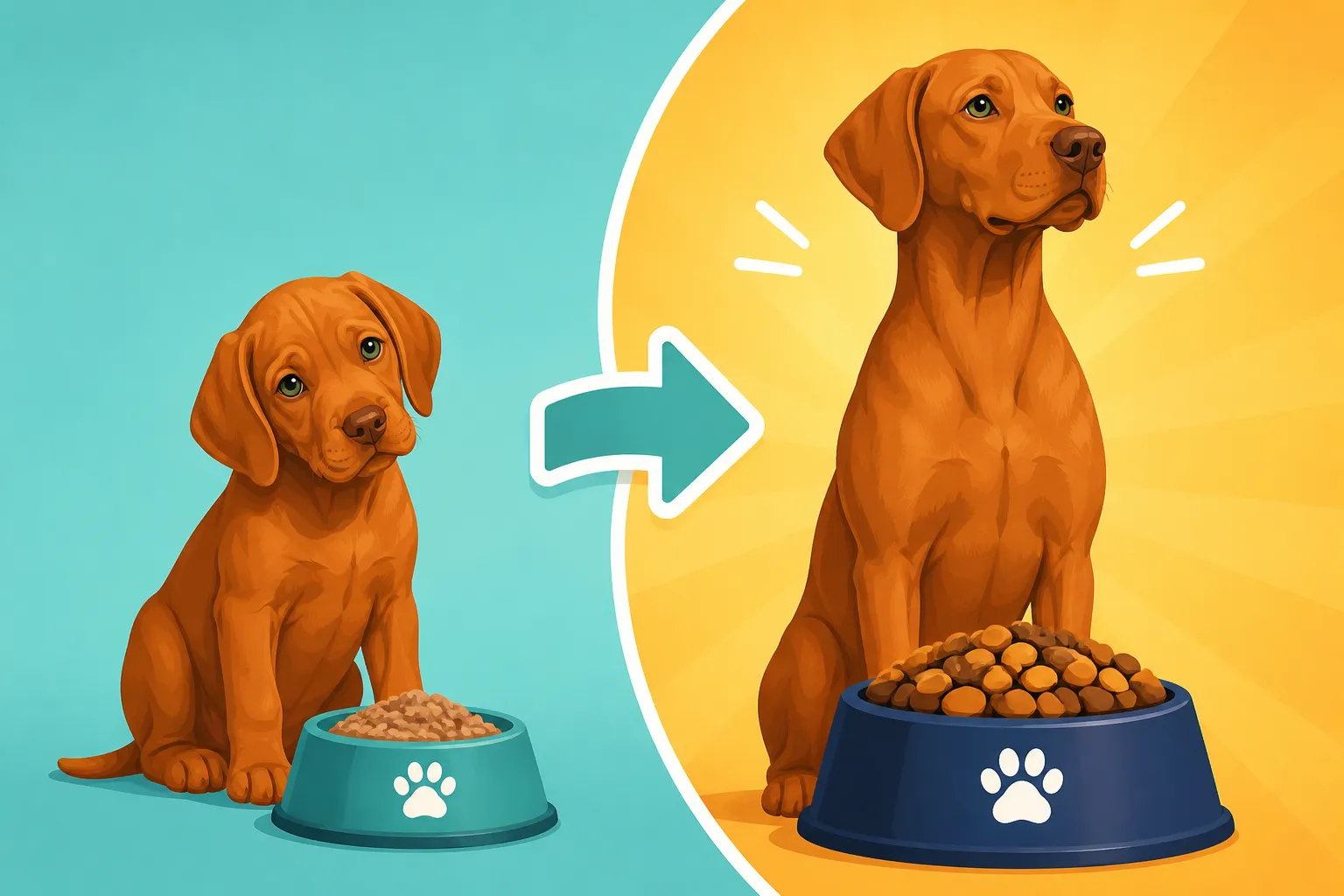
When a Vizsla Moves to Adult Food
That gangly, energetic Vizsla puppy you brought home seems to be growing by the minute, and suddenly, you're faced with a new puzzle: when exactly do you switch them from that specialized puppy food to an adult formula? It’s a common moment of uncertainty for many Vizsla owners, trying to balance their dog's incredible energy with their ongoing development, and this guide is here to walk you through everything you need to know to make that transition confidently.
Understanding Your Vizsla Puppy's Nutritional Journey
It might seem like all dog food is essentially the same, just scaled up or down, but puppy food is a carefully formulated beast designed for a very specific, and brief, period of a dog's life. Your Vizsla puppy has unique needs that change as they mature, and understanding these is the first step in knowing when to make the switch to adult sustenance.
The Rapid Growth Phase
Imagine building a house in hyper-speed. That’s essentially what your Vizsla puppy’s body is doing. From tiny, helpless newborns, they transform into lean, athletic dogs in a relatively short amount of time. Puppy food is engineered to fuel this intense construction project. It typically contains higher levels of protein, fat, and specific vitamins and minerals, particularly calcium and phosphorus, all crucial for developing strong bones, healthy muscles, and a robust immune system. It’s dense in calories because those little bodies are burning through energy just by existing, let alone tearing around the yard.
However, more isn't always better, especially for a breed like the Vizsla. While they grow fast, uncontrolled rapid growth can actually put undue stress on their developing joints. This is why it’s critical that a Vizsla puppy grows slowly and is not overfed, even with puppy food. Feeding too much of a calorie-dense puppy food for too long can lead to them becoming overweight, which strains their growth plates and can contribute to orthopedic issues down the line, something we Vizsla owners are constantly vigilant about with their active lifestyles.
When "Puppy" Actually Ends for a Vizsla
The term "puppy" is a bit subjective in the canine world, especially when it comes to diet. For a tiny Chihuahua, puppyhood might end around 8-10 months. For a giant Great Dane, it could stretch to two years or even more. Vizslas, being a medium-large breed, fall somewhere in between, making the timing a nuanced decision.
Generally, a Vizsla is considered to have completed the majority of its rapid skeletal growth between 12 and 18 months of age. This doesn't mean they stop growing entirely; they'll often continue to fill out and add muscle mass for another year or so, but the intensive bone and joint development period begins to taper off. It's a critical distinction, because continuing to feed a food designed for rapid skeletal growth once that phase is over can contribute to excessive weight gain and potential joint problems due to too many calories and an imbalanced nutrient profile. Always consider your individual dog’s development and consult with your veterinarian. Your vet can assess your Vizsla's specific growth rate and help you determine the most appropriate time for their dietary transition. For a deeper dive into their physical development, you might find The Age a Vizsla Reaches Full Size helpful.
Deciphering the "Right" Time: Age and Physical Cues
So, how do you know your specific Vizsla, with all their unique quirks and growth spurts, is ready to graduate from puppy chow? It’s a blend of paying attention to general breed guidelines and keenly observing your own dog's physical and behavioral maturation.
Age Milestones for Vizslas
As a general rule of thumb, most veterinarians and breeders recommend transitioning a Vizsla to adult food sometime between 12 and 18 months of age. This range exists because every dog is an individual. Some Vizslas might be incredibly athletic and lean, finishing their major growth earlier, while others might be a bit slower to mature. It's not a hard-and-fast date, but rather a window.
Keep in mind that while their bodies are largely finished with the rapid growth phase by this time, their minds might still be very much in "puppy" mode! Vizslas are renowned for their playful, often mischievous, nature, and it can take a while for them to truly settle into mental maturity. The Age a Vizsla Finally Matures often feels like it comes long after their body has finished growing, so don't equate puppy antics with needing puppy food. The dietary change is about physical development, not their boundless youthful spirit.
Physical Development Cues
Beyond the calendar, your Vizsla's body will give you clear signals that it's time for a change. These visual cues are crucial for making an informed decision:
- No More "Gangly" Growth: Remember that phase where your Vizsla seemed to be all legs and big paws? Once they've reached their full height and their proportions start to even out, becoming more streamlined and athletic, it’s a strong indicator. They're no longer adding significant inches to their stature; instead, they'll start to fill out with muscle. If you're wondering when exactly that happens, our post on Whether a Vizsla Fills Out After Two goes into more detail.
- Body Condition Score: This is perhaps the most important indicator. You should be able to easily feel your Vizsla’s ribs, but not see them prominently (unless they're reaching, stretching, or just finished an intense run). They should have a clear waist when viewed from above and a nice tuck-up from the side. If your Vizsla is starting to look a bit rounder or you're having trouble feeling those ribs without pressing, it’s a sign they might be getting too many calories, and adult food with its lower caloric density per serving could be beneficial.
- Maturity of Coat and Bone Structure: While subtle, you might notice their coat becoming even sleeker and more defined, and their bone structure appearing more robust, less "soft" or pliable than during peak puppy growth.
Behavioral and Energy Level Shifts
Let's be real: a Vizsla’s energy levels are legendary, and they don't exactly "slow down" in the way many other breeds do. Even an adult Vizsla needs substantial daily exercise, easily clocking The Two Hours a Vizsla Needs Before It Will Settle or more. So, don't expect a sudden shift from a whirlwind to a couch potato when you switch their food.
However, you might observe subtle changes in their type of energy. The frantic, sometimes uncoordinated, puppy bursts might evolve into more focused, sustained activity. They might still zoom around, but perhaps with more purpose or better control. This isn't a cue to reduce their food intake, but rather a confirmation that their body is maturing and can handle the different nutritional balance of adult food without sacrificing performance. The goal isn't to sap their energy, but to ensure they're getting the right kind of fuel for their maintenance, not just for rapid growth.
Navigating the Switch: From Puppy Kibble to Adult Sustenance
Once you've determined your Vizsla is ready, the actual process of changing their food needs to be handled with care. A sudden switch can wreak havoc on their digestive system, turning a healthy transition into an unpleasant experience for both of you.
Gradual Transition is Key
Vizslas can sometimes have sensitive stomachs, and throwing a completely new food at them overnight is a recipe for disaster. Expect anything from mild digestive upset like loose stools to full-blown vomiting and diarrhea. The key is a slow, gradual transition over 7-10 days, allowing their system to adjust.
Here’s a general guideline for a smooth transition:
- Days 1-3: Mix about 25% new adult food with 75% old puppy food.
- Days 4-6: Shift to a 50/50 blend of new and old food.
- Days 7-9: Increase to 75% new adult food and 25% old puppy food.
- Day 10 onwards: Your Vizsla should be fully on the new adult food.
During this period, keep an eye on their stool. If you notice any significant upset, slow down the transition. You might need to hold at a particular ratio for a few extra days until their system stabilizes. If you're concerned about your Vizsla's digestion, our article on Whether a Vizsla Has a Sensitive Gut offers some valuable insights. Consistency is your friend here – don’t introduce new treats or other dietary changes during this sensitive transition time.
Choosing the Right Adult Food
This is where things can get a little overwhelming, with the sheer number of options out there. For an active breed like the Vizsla, you'll want to focus on quality.
- "All Life Stages" vs. "Adult Maintenance": Some foods are labeled "all life stages," meaning they're formulated to meet the nutritional needs of puppies, adults, and seniors. While convenient, always check the specific nutrient profile to ensure it's not excessively dense for an adult or lacking for a working dog. "Adult maintenance" formulas are specifically designed for adult dogs.
- Protein and Fat Content: Vizslas are athletic dogs, and even if they're not actively hunting every day, they have a high metabolism. Look for an adult food with a good quality protein source listed as the first ingredient. The fat content should be adequate to support their energy needs without causing weight gain. If your Vizsla is a working dog, putting in long hours in the field, you might need a formula specifically designed for performance. Whether a Vizsla Needs a Performance Formula explores this further.
- Ingredients and Quality: Opt for foods with whole ingredients, identifiable protein sources, and complex carbohydrates. Many owners find a great selection of high-quality adult kibbles on sites like Chewy, offering a vast array of brands and ingredient profiles to suit different needs. For Vizslas with sensitive stomachs, some owners explore fresh food options from services like Ollie, which can sometimes be easier on their digestive systems. Comparing reviews and ingredients is easy on platforms like Amazon, where you can often read feedback from other Vizsla owners.
Monitoring Your Vizsla Post-Transition
The transition doesn't end when they're fully on the new food. The next few weeks are critical for monitoring how their body responds.
- Stool Quality: This is your primary indicator of digestive health. It should be firm, well-formed, and easy to pick up. Any changes could signal that the food isn't quite right for them.
- Energy Levels: Your Vizsla should maintain their characteristic energy and enthusiasm. A sudden drop in energy could indicate they aren't getting enough calories from the new food.
- Coat Condition: Their coat should remain shiny and healthy. A dull coat might suggest a lack of essential fatty acids or other nutrients.
- Weight and Body Condition: Continue to monitor their weight and body condition score regularly. Adult food is generally less calorie-dense per cup than puppy food, so while the total calories might be slightly lower than their peak puppy intake, the volume of food they eat might actually stay similar or even slightly increase to meet their caloric needs. It’s a common mistake to underfeed an active Vizsla on adult food, leading them to become too lean. Pay close attention to Keeping Weight On a Working Vizsla especially if they are highly active. Adjust portion sizes up or down as needed, based on their activity level and body condition.
Addressing the Bumps: Common Challenges After the Change
Even with the best intentions and a gradual approach, sometimes challenges arise when switching your Vizsla to adult food. Knowing what to look for and how to respond can save you a lot of worry.
The Overweight or Underweight Vizsla
One of the most common issues is managing weight. If you've continued feeding puppy food for too long, or if your Vizsla wasn't getting enough exercise for the calorie density of their puppy diet, they might have entered adulthood a bit chunky. Adult food can help here, but portion control is paramount. Conversely, an active Vizsla can quickly become too lean on adult food if their caloric needs aren't met. They burn through calories at an astonishing rate.
It’s crucial to know how to assess your Vizsla's body condition. You should easily feel their ribs when you run your hand along their side, but they shouldn't protrude or be visible without really looking. They should have a defined waist when viewed from above, and a discernible "tuck-up" where their abdomen meets their hind legs. If you're seeing prominent ribs or hip bones, they might be underweight. If you can't easily feel their ribs, or if they lack a defined waist, they're likely overweight. For more details on what a healthy weight looks like, check out Whether Ribs Should Show on a Vizsla. Adjusting food portions based on their current weight, activity level, and desired body condition is an ongoing process throughout their life.
Digestive Upset During Transition
Despite a slow transition, some Vizslas might still experience mild digestive upset. Loose stools, gas, or even occasional vomiting can occur. If the symptoms are mild and resolve quickly, it’s usually just their system taking a little longer to adjust. Stick to the gradual transition plan, perhaps extending each stage by a few days. You might consider adding a probiotic supplement specifically designed for dogs during this time to support gut health.
However, if the symptoms are severe (frequent vomiting, watery diarrhea, lethargy, loss of appetite) or persist for more than a few days, it's time for a vet visit. There might be an underlying issue, or the new food simply doesn't agree with them. Some Vizslas develop food sensitivities or allergies, and digestive upset can be a symptom.
Picky Eaters
Vizslas, despite their boundless energy, can sometimes be surprisingly picky eaters. If your Vizsla turns their nose up at the new adult food, don't panic or immediately switch to another brand. This can create a cycle of pickiness.
Here are a few tips:
- Warm it up: Add a little warm water to the kibble to release its aroma.
- Mix it with something familiar: For the first few days, you could mix a tiny bit of their old food, or even a small amount of low-sodium chicken broth, into the new food.
- Be consistent: Put the food down for 15-20 minutes. If they don't eat it, pick it up and offer it again at the next mealtime. Most healthy dogs won't starve themselves, and they'll eventually eat when hungry.
- Avoid free-feeding: Sticking to scheduled meal times can help create a routine and encourage them to eat when food is offered.
- No table scraps: Resist the urge to supplement with human food, which can reinforce pickiness for their regular meals.
For more insights into managing a choosy canine, our guide on Whether a Vizsla Is a Fussy Eater has plenty of helpful advice. Remember, this transition is a significant step in your Vizsla's health journey, setting the stage for their long, active adult life. Patience, observation, and communication with your vet are your best tools.
Transitioning to Adult Food Schedule
Here's a simple table to help you plan your Vizsla's food transition. Remember, this is a guideline; adjust based on your dog's individual response.
| Day Range | Puppy Food (%) | Adult Food (%) | Observation Notes | Action if Upset Occurs |
|---|---|---|---|---|
| Days 1-3 | 75 | 25 | Monitor stool consistency and appetite. Usually no major changes. | Extend this stage for 1-2 days. |
| Days 4-6 | 50 | 50 | Look for any slight changes in stool (e.g., softer). Energy levels steady. | Revert to previous stage for 1-2 days. |
| Days 7-9 | 25 | 75 | Stool should be firming up again. Continue to watch for gas. | Slow down, extend this stage or revert. |
| Day 10+ | 0 | 100 | Full transition. Maintain consistent monitoring of weight and health. | Consult vet if symptoms persist. |
Disclaimer
This article is for general informational purposes only and does not constitute professional advice. Laws, prices and regulations vary by location and change over time. Consult a qualified professional for guidance on your specific situation.