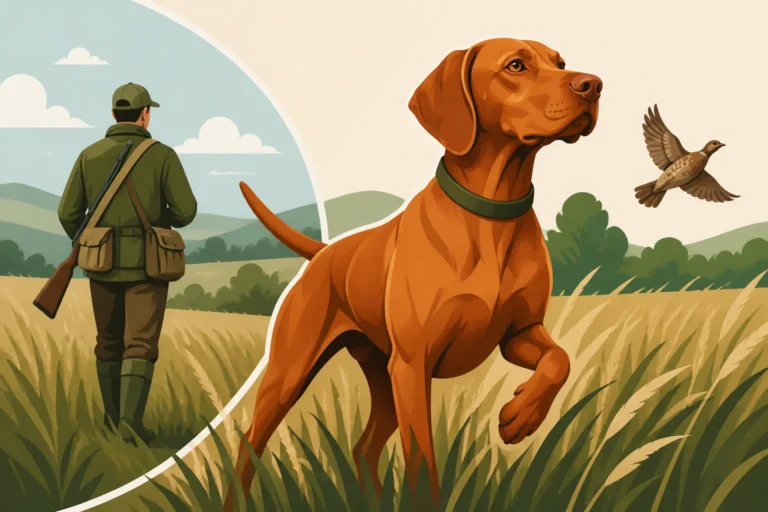
The Age a Vizsla Reaches Full Size
A Vizsla may look nearly adult before its body has finished developing, which can make it hard to know when to change food, increase exercise, or expect its weight to settle. Most reach close to their adult height during the first year, then continue filling out as they mature. This guide explains what “full size” means, what affects growth, and how to track it sensibly.
When a Vizsla Reaches Full Size
Height usually comes before a fully developed body
Many Vizslas approach their adult height somewhere around their first birthday, though some continue gaining height for several months afterward. A dog that looks tall and long-legged at ten months may still have a puppy’s narrow chest and lean, unfinished outline. That can be especially noticeable in a breed built to run, where a lanky appearance is common during adolescence.
Height is only one part of size. A Vizsla may stop getting noticeably taller while continuing to develop muscle, chest depth, and a more adult frame. Some dogs look physically mature earlier than others, so comparing a young dog with an older one can be misleading. For a broader look at typical adult dimensions, see How Big a Vizsla Gets.
The important distinction is between reaching adult height and finishing physical development. A Vizsla can be close to its adult height but still have growing bones and joints. Avoid using appearance alone as a signal that the dog is ready for long-distance running, repetitive jumping, or other strenuous activity.
Filling out can continue into the second year
After height gain slows, many Vizslas continue to gain muscle and body substance. This gradual “filling out” may continue into the second year, and some dogs take longer to look fully mature. A young male, for example, may have adult-looking legs but a narrow chest and little muscle definition; months later, he may look more balanced without becoming much taller.
Genetics influence how quickly a dog grows and the shape it eventually reaches. Sex, the size of the parents, nutrition, general health, and activity all play a part too. There is no single birthday when every Vizsla suddenly becomes full-grown. If you are wondering whether your dog’s build is typical, What a Male Vizsla Weighs and What a Female Vizsla Weighs offer useful context for adult size differences.
Weight alone is not a reliable measure of maturity. A lean, active Vizsla may weigh less than another dog of the same age and still be healthy, while a heavier dog may be carrying excess body fat rather than having finished growing. Your vet can assess body condition and growth together, rather than treating a number on the scale as the whole story.
What Vizsla Growth Can Look Like
A practical growth timeline
Growth tends to be fastest during puppyhood, then gradually slows. The pace varies, but the following outline can help set expectations. It is a guide, not a deadline: two healthy puppies of the same age may look quite different.
| Age range | What you may notice | What to keep in mind |
|---|---|---|
| Early puppyhood | Rapid changes in height and weight | Follow your vet’s guidance on food, vaccination visits, and activity |
| Later puppyhood | Longer legs and a lean, sometimes awkward outline | Growth may look uneven from week to week |
| Around the first year | Many dogs are close to adult height | They may still be developing physically |
| The second year | Gradual increase in muscle and body substance | Adult weight and appearance may continue to settle |
It can help to record your Vizsla’s weight at routine vet visits and note changes in appetite, energy, and body condition. Home weigh-ins can be useful too, provided the scale is consistent and the process does not become stressful. A short note such as “weight steady, ribs easy to feel” can be more informative than a number without context.
A puppy may seem to grow in bursts: suddenly longer-legged one month, then broader or more muscular later. That does not automatically mean something is wrong. But a sudden change in appetite, persistent weight loss, poor energy, or a puppy who is not growing as expected deserves a veterinary conversation rather than guesswork.
Why adolescent Vizslas can look so lanky
The familiar adolescent outline can make owners worry that a Vizsla is underfed. Long legs, a tucked-up waist, and a narrow chest can be normal features of a growing, athletic dog. A healthy dog should generally have a visible waist and ribs that can be felt without pressing hard, but the ribs should not be sharply prominent. Your vet can show you how to assess body condition on your individual dog.
A puppy that is kept lean is not necessarily being short-changed. Overfeeding in an attempt to make a dog “fill out” faster can lead to excess weight, which places avoidable strain on developing joints. If you are unsure whether your puppy is too thin, bring the question to a checkup and ask the vet to assess body condition, growth pattern, and diet together.
Growth also varies between litters and family lines. If you know the parents’ size, that may offer a rough clue, but it is not a guarantee. For more on how adult build varies, see Whether a Vizsla Fills Out After Two and Whether a Vizsla Looks Underweight When It Is Not.
Supporting Healthy Growth
Feed for steady development, not rapid growth
Choose a complete, balanced food intended for growing puppies, and ask your veterinarian when it is appropriate to transition to an adult formula. The right timing depends on your dog’s development, health, and the food itself; there is no benefit in changing simply because your Vizsla has reached a particular height. Follow the feeding guidance on the product as a starting point, then adjust with professional advice and regular body-condition checks.
Measure meals rather than estimating by eye, especially if several people in the household feed the dog. Treats used in training count too. If you buy food through Chewy, keep the bag or product details available so you can discuss the exact diet with your veterinarian. When changing foods, make the transition gradually unless your vet recommends otherwise, and pay attention to appetite and stool changes.
A growth spurt does not automatically mean the food needs to be changed or the portion dramatically increased. Appetite can fluctuate, and a puppy that is suddenly hungrier may also be experiencing a change in activity or routine. If a young dog seems persistently hungry, is losing condition, or has digestive problems, check in with your vet rather than repeatedly switching foods.
Choose exercise that respects developing joints
Young Vizslas are energetic, and it can be tempting to tire them out with long runs or repetitive fetch. But a puppy’s enthusiasm does not mean its developing body is ready for sustained, high-impact exercise. Favor age-appropriate play, sniffing, short training sessions, and walks that can be adjusted to the dog’s condition. Build activity gradually, and give the puppy the chance to rest.
Avoid treating a particular age as a universal green light for intense exercise. Maturity differs, and a veterinarian can advise based on your dog’s growth and health. If your Vizsla participates in field training or another demanding activity, tell the vet what that work involves. The short bursts of play a puppy chooses are different from being pushed to keep running after fatigue sets in.
Watch for limping, stiffness, reluctance to rise, or a change in how your dog moves after activity. These signs do not prove that growth has been harmed, but they are worth discussing promptly. For more about protecting a young dog’s joints, read Whether a Vizsla Puppy Should Run on Hard Ground and Whether a Working Vizsla Wears Its Joints Out.
How to Tell Whether Your Vizsla Is Still Growing
Track the pattern rather than one measurement
A single weight or height measurement cannot tell you whether a Vizsla has reached full size. Look at the overall pattern: Is growth slowing? Is the body gradually becoming more muscular? Does the dog maintain a healthy body condition? Measurements taken consistently over time are more useful than comparisons with a different dog or a breed chart found online.
You can keep a simple growth record with the date, weight, food, activity changes, and any concerns. If you use a household scale, weigh yourself first and then weigh yourself holding the dog, subtracting the first number from the second. This method is imperfect, especially with a wiggly puppy, so use it for general tracking rather than precise medical decisions.
Chewy purchase records can also help you remember when you changed foods or began a new bag, which may be useful when discussing diet and digestive changes. The key is not the retailer or the record itself; it is having a clear picture of what the dog has been eating and how its condition has changed over time.
When to ask your veterinarian
Bring up growth at routine puppy visits, particularly if you are unsure about food portions, body condition, or exercise. Your vet can compare your Vizsla’s current condition with its previous exams and help distinguish normal adolescent lankiness from a concern that needs investigation. That conversation is more useful than trying to make a puppy match an average weight for its age.
Seek veterinary advice if your dog’s growth seems to stop unexpectedly, weight is dropping, appetite changes persist, or the dog appears unusually tired or uncomfortable. Also mention repeated digestive problems, limping, or a sudden change in activity. A puppy may simply be having an off day, but a pattern is worth checking rather than dismissing as “just growing.”
If you are choosing a puppy, ask the breeder about the parents’ size and growth, and look for the health information available for both parents. Adult size can be estimated only broadly, even with good family information. The Age a Vizsla Reaches Full Size is not a fixed milestone: most Vizslas approach adult height in the first year, while their bodies may continue developing well beyond it.
Disclaimer
This article is for general informational purposes only and does not constitute professional advice. Laws, prices and regulations vary by location and change over time. Consult a qualified professional for guidance on your specific situation.