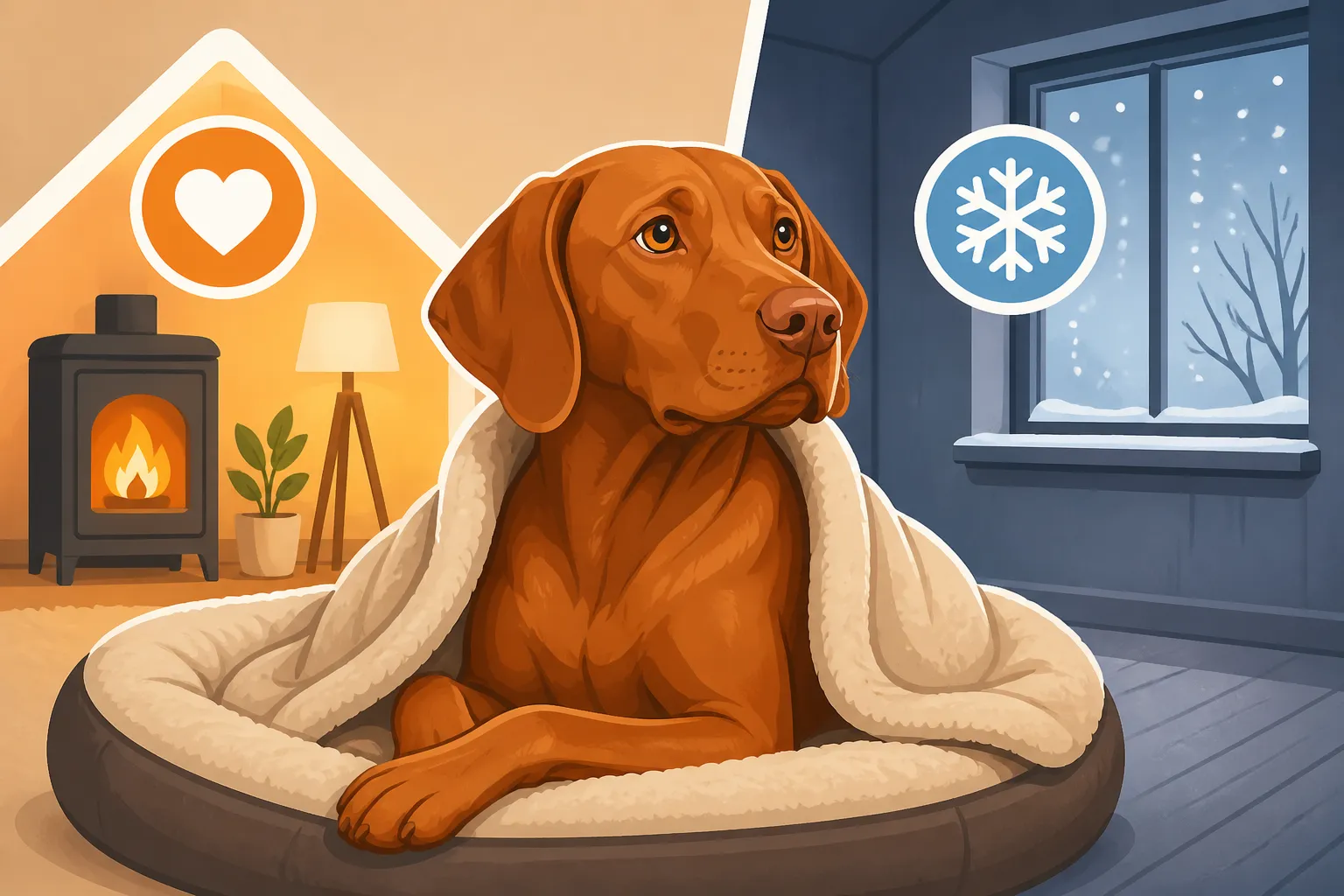
Whether a Vizsla Can Sleep in an Unheated Room
It’s a common dilemma for Vizsla owners, especially as the seasons change or in homes with varied heating zones: can your beloved, thin-skinned Vizsla truly be comfortable sleeping in an unheated room? Many of us wrestle with this question, knowing how much our Vizslas crave warmth and comfort. This guide will delve deep into understanding your Vizsla's unique needs, the genuine risks posed by cold sleeping environments, and practical, empathetic solutions to ensure your companion stays snug and healthy, even when the thermostat drops.
Why Vizslas Are Exceptionally Sensitive to Cold
Vizslas are often described as "Velcro dogs" not just for their affectionate nature, but also for their profound need for warmth, often seeking out the nearest human or sunbeam. This isn't just a quirk; it's deeply rooted in their physical makeup. Understanding why they feel the cold so acutely is the first step to ensuring their comfort.
Their Unique Single Coat and Lack of Undercoat
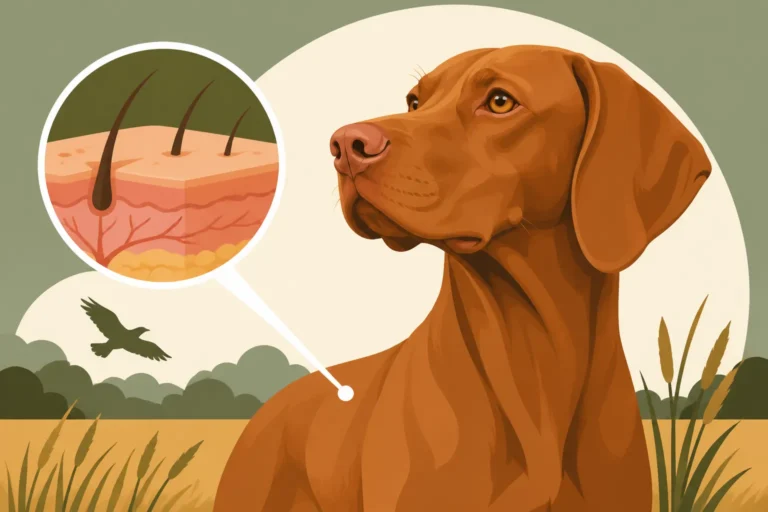
Unlike many other breeds developed for colder climates, the Vizsla possesses a very fine, short, single coat. This beautiful, characteristic "golden rust" fur is designed for agility and staying streamlined in the field, allowing them to move quickly through cover without getting bogged down. However, what makes it excellent for hunting also makes it a poor insulator. They simply don't have the dense, insulating undercoat that breeds like Labradors or German Shorthaired Pointers possess, which acts like a built-in down jacket.
When the temperature drops, a Vizsla's single coat offers minimal protection against the chill. Imagine going outside in winter wearing only a light shirt; that's akin to how your Vizsla's coat performs in a cold environment. Without that extra layer of fluff and air trapped close to their skin, heat escapes rapidly from their body, leaving them vulnerable to the cold. Many owners notice their Vizsla shivering indoors even when the house isn't particularly cold to human standards, a clear sign their body is working hard to generate heat. This inherent vulnerability is a key factor in The Single Coat a Vizsla Has and Why It Changes Everything.
Their Lean, Athletic Build and Fast Metabolism
Beyond their coat, a Vizsla's athletic physique also contributes to their cold sensitivity. They are lean, muscular dogs with very little body fat, which is another natural insulator for many animals. While this lean build is fantastic for their speed and stamina in the field, it means they lack the internal "padding" to keep them warm when inactive. A large part of their body temperature regulation comes from their high metabolism, which generates heat through constant activity.
However, when they are at rest, especially during sleep, their metabolism slows down, and that internal heat production decreases. Combine this with a lack of body fat and a thin coat, and you have a dog that struggles to maintain a comfortable core temperature in chilly conditions. This is particularly true for older Vizslas or those with health issues, whose metabolisms might be less efficient. This is also why The Cold a Vizsla Genuinely Cannot Handle is a real concern for the breed. They thrive on warmth and struggle when deprived of it, more so than many other active breeds.
The Risks of Sleeping in an Unheated Room
Leaving a Vizsla to sleep in an unheated room isn't just about discomfort; it poses tangible health risks, from mild, chronic issues to acute emergencies. It's vital for owners to understand these potential dangers to make informed decisions about their dog's sleeping arrangements.
Understanding Canine Hypothermia and Its Signs
The most severe risk of prolonged exposure to cold, especially during sleep, is hypothermia. This occurs when a dog's body loses heat faster than it can produce it, causing its core temperature to drop to dangerously low levels. While severe hypothermia is a veterinary emergency, even mild, chronic exposure to cold can stress their system. Early signs of hypothermia can be subtle and easily missed, especially if you're not actively monitoring your dog.
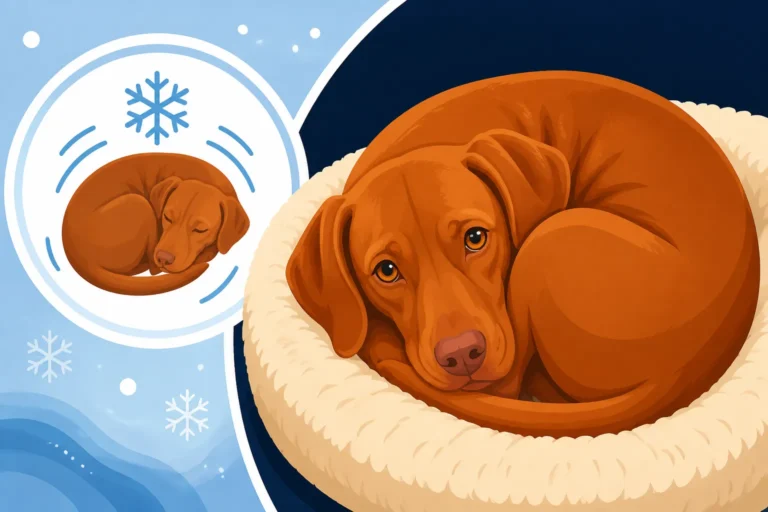
Initially, you might notice persistent shivering, which is the body's attempt to generate heat. Their skin and ears might feel unusually cold to the touch. As hypothermia progresses, they can become lethargic, weak, and disoriented. Their breathing might slow, and their muscles could stiffen. They might curl into a tight ball, burrow under anything they can find, or attempt to snuggle even more intensely than usual to conserve warmth. Ignoring these signs can lead to more severe stages where heart rate drops, consciousness fades, and organs begin to shut down. Recognizing these signals is crucial, as addressed in topics like Whether a Vizsla Gets Hypothermia.
Behavioral Changes Due to Persistent Cold
Beyond the physical health risks, a Vizsla subjected to consistently cold sleeping environments can also exhibit significant behavioral changes. Just like humans, dogs become anxious, restless, and uncomfortable when they are cold for extended periods. This might manifest as increased pacing, whining, or barking at night, indicating they are struggling to settle down. You might find them trying to sneak onto furniture, into your bed, or even attempting to burrow into laundry piles, all desperate attempts to find warmth.
A chronically cold Vizsla might also become more clingy during the day, constantly seeking physical contact or a warm lap. They might be less enthusiastic about their usual activities, showing reduced energy or even a reluctance to go outside if the transition from a cold room to colder outdoor air is too jarring. This constant state of trying to warm up can also lead to increased stress, potentially exacerbating other behavioral issues like destructive chewing or house-soiling, as their primary focus shifts from training and routine to basic survival and comfort.
Increased Vulnerability for Certain Vizslas
While all Vizslas are susceptible to cold, some are particularly vulnerable. Puppies, with their underdeveloped thermoregulation systems and smaller body mass, lose heat very quickly. An unheated room can be detrimental to their growth and overall health, potentially leading to illness. Senior Vizslas also struggle more. As they age, their metabolism slows, their circulation might not be as efficient, and they often have less muscle mass and thinner skin. Conditions like arthritis can also be significantly worsened by cold and damp environments, making their joints ache more intensely.
Vizslas with underlying health conditions, such as thyroid issues, certain immune-mediated diseases, or those recovering from surgery, also have a reduced ability to regulate their body temperature or fight off the effects of cold. Even a slightly chilly room can be a significant stressor for these dogs. Pregnant or nursing mothers also have elevated needs for warmth and comfort. For these vulnerable groups, ensuring a consistently warm sleeping environment isn't just a comfort; it's a critical component of their care. Many of these issues are discussed further in articles like The Signs a Vizsla Is Getting Old and Caring for an Old Vizsla That Has Stopped Hunting.
Providing Warmth and Comfort for Your Vizsla
If an unheated room is your only option for your Vizsla's sleeping area, or if you simply want to ensure maximum comfort during colder months, there are many practical ways to create a warm sanctuary for them. It's about layers, insulation, and smart choices that prioritize their well-being.
The Importance of Appropriate Bedding and Blankets
The foundation of a warm sleeping spot is excellent bedding. A thin pad on the floor simply won't cut it for a Vizsla. You need a bed with ample insulation from the cold floor. Look for orthopedic beds with thick foam bases that lift them off the ground. Donut beds or those with high bolsters are also excellent as they allow your Vizsla to curl up and create a nest, trapping their body heat. Many owners find success with self-warming beds that use a reflective layer to bounce their dog's body heat back to them, without needing electricity. You can find a wide variety of these options on platforms like Chewy or Amazon.
Layering is equally important. Provide several soft, thick blankets that your Vizsla can burrow into. Vizslas are notorious for their love of blankets, meticulously arranging them to create a cozy cocoon. Fleece blankets are a favorite, but old duvets or thick comforters work wonderfully. You might even consider a sleeping bag style bed designed for dogs, which provides an enclosed, insulated space. For an arthritic Vizsla, a truly supportive and warm bed can make a world of difference, as discussed in Beds That Suit an Arthritic Vizsla. The goal is to create a soft, deep nest where they can fully tuck themselves away from any chill.
Considering Dog Coats and Pajamas for Indoor Warmth
While we often associate dog coats with outdoor walks, for a Vizsla in an unheated room, indoor warmth can be greatly enhanced by appropriate attire. A well-fitting fleece dog coat or even dog pajamas can provide that crucial extra layer of insulation that their thin fur lacks. These garments act like a second skin, trapping body heat close to their body and significantly reducing heat loss.
When choosing indoor wear, prioritize soft, breathable fabrics that won't chafe or restrict movement. Fleece is an excellent choice. Ensure the fit is snug but not tight, allowing for full range of motion. Many owners report that their Vizslas settle much more readily at night when wearing pajamas or a lightweight coat in a cooler environment. This strategy can be particularly helpful for older Vizslas or those who are naturally more prone to shivering, addressing the specific concern of Whether a Vizsla Shivers Indoors. It's a simple, non-invasive way to add warmth without relying on external heat sources.
Safe Heating Alternatives and Draft Prevention
If an unheated room is genuinely cold, supplemental heat might be necessary, but always with safety in mind. Electric pet beds or heating pads can be a good option, provided they are designed specifically for pets and have safety features like automatic shut-off and chew-resistant cords. Always use them with a cover to prevent direct heat burns, and place them under the bedding, not on top, so the heat gently radiates upwards. Never use human heating pads, which can get too hot for dogs and lack the necessary safety features.
Drafts are silent heat thieves. Even if the room isn't freezing, a constant cold draft sweeping across the floor can make a significant difference to your Vizsla's comfort. Check for drafts around windows, doors, and electrical outlets. Use draft stoppers under doors, seal any gaps, and ensure windows are properly closed. Placing your Vizsla's bed away from exterior walls or drafty areas can also help immensely. A room that feels merely cool to you could have cold spots at floor level that are actively chilling your low-slung Vizsla, making it clear Why a Vizsla Needs Somewhere Warm to Sleep.
Monitoring Your Vizsla in Colder Environments
Even with the best preparations, it's essential to actively monitor your Vizsla's response to a cooler sleeping environment. They are stoic dogs by nature and might try to hide discomfort, so you need to be observant and proactive.
Recognizing Subtle Signs of Cold and Discomfort
Your Vizsla won't always vocally complain when they're cold, especially if they are well-trained and trying to be "good." Instead, look for subtle cues that indicate they are not as comfortable as they should be. This might include excessive curling into a tight ball, rather than stretching out, which is a common way for animals to conserve body heat. They might appear stiff or reluctant to get up in the morning, which could be due to cold-induced muscle tension or exacerbated arthritis.
Other signs include seeking out direct warmth the moment they are allowed into a heated space – immediately trying to get under a blanket, pressing against a radiator (if safe), or burrowing into your lap. Persistent shivering, even when they're not overtly active, is a strong indicator. Their nose, ears, or paw pads might feel colder than usual to the touch. Pay attention to their sleeping patterns; if they are restless, frequently changing positions, or waking up more often, it could be a sign that they're struggling to stay warm.
The Role of Body Condition in Cold Tolerance
A Vizsla's body condition plays a significant role in how well they tolerate cold. While Vizslas are naturally lean, a healthy Vizsla should have a thin layer of fat covering their ribs, which are easily felt but not sharply visible. If your Vizsla is underweight, with ribs, hip bones, and spine prominently visible, they will be even more susceptible to cold. That thin padding of fat provides a small but crucial amount of insulation.
Ensuring your working Vizsla maintains an optimal, healthy weight, especially during colder months or hunting season, is critical. This might mean adjusting their diet to a higher-calorie, nutrient-dense food. Brands like Ollie, which offer fresh, tailored meals, or performance kibbles available on Chewy, can help maintain their condition. Regular body condition scoring will help you know if your Vizsla has enough fuel and insulation to face cooler temperatures, supporting their overall resilience against the cold.
When to Consult Your Veterinarian
If you've taken steps to warm your Vizsla's sleeping area and they continue to show signs of persistent cold, discomfort, or behavioral changes, it's always wise to consult your veterinarian. Chronic cold exposure can weaken the immune system, making them more prone to respiratory infections or exacerbating existing conditions. Your vet can rule out any underlying medical issues that might be contributing to their cold intolerance, such as thyroid problems, which can impact their metabolism and coat health. Thyroid Failure and the Vizsla's Coat is a good example of how health can impact cold tolerance.
They can also offer specific advice tailored to your Vizsla's age, health status, and living situation. This might include recommendations for specific types of bedding, supplements, or even a discussion about adjusting their medication if an existing condition is being worsened by the cold. Remember, your vet is your best resource for ensuring your Vizsla's long-term health and comfort, especially when they are showing signs of distress that you can't easily resolve.
It’s clear that Vizslas, with their distinctive single coats and lean builds, are not well-suited for sleeping in genuinely unheated rooms without significant intervention. Their comfort and health depend on a warm, draft-free environment. By understanding their unique needs, providing ample insulation through bedding and appropriate clothing, and diligently monitoring their well-being, you can ensure your beloved companion stays cozy, even when the temperatures outside – or in that spare room – drop.
| Warming Strategy | Description | Pros | Cons | Ideal For |
|---|---|---|---|---|
| Thick, Insulated Bed | Orthopedic or bolster beds with deep cushioning to lift off cold floors. | Excellent insulation; encourages nesting; long-lasting. | Can be bulky; initial cost higher. | All Vizslas, especially seniors and puppies. |
| Layered Blankets | Providing several soft blankets (fleece, comforters) for burrowing. | Highly effective for nesting; inexpensive; customizable. | Needs regular washing; Vizslas might pull them off the bed. | All Vizslas, particularly those who love to burrow and create dens. |
| Indoor Dog Coats/PJs | Fleece vests or full-body pajamas worn inside to trap body heat. | Direct body warmth; lightweight; can be worn overnight. | Some dogs dislike clothing; needs to be breathable and well-fitting. | Highly cold-sensitive Vizslas, seniors, or those with very thin coats. |
| Self-Warming Beds | Beds with a reflective layer that redirects the dog's own body heat. | No electricity needed; safe; effective. | Effectiveness varies with ambient temperature; might not be enough for very cold rooms. | Mildly cool rooms; supplementing other warmth methods. |
| Electric Pet Beds | Thermostatically controlled, low-wattage heated beds designed for pets. | Consistent, active warmth; very comforting. | Requires electricity; must be pet-safe (chew-resistant cord, auto-shutoff); potential for overheating if not designed for pets. | Very cold rooms; elderly or ill Vizslas; always used with caution and supervision. |
| Draft Proofing | Sealing gaps around windows/doors, using draft stoppers, positioning bed away from exterior walls. | Prevents heat loss; improves overall room temperature. | Requires identifying and fixing drafts. | All situations, regardless of primary warming method. |
Disclaimer
This article is for general informational purposes only and does not constitute professional advice. Laws, prices and regulations vary by location and change over time. Consult a qualified professional for guidance on your specific situation.