Whether a Vizsla Should Live in a Cold Climate
Oh, the age-old question for every Vizsla owner, especially those of us living where winter means more than just a light dusting of snow: can our beloved, thin-coated, warm-blooded ginger shadows truly thrive in a cold climate? It’s a genuine concern, seeing your typically vibrant dog shiver just stepping outside, and it often leads to a lot of worry about their comfort and health. This guide is going to dive deep into understanding why Vizslas react to the cold the way they do and, more importantly, how you can ensure your companion stays happy, healthy, and safe, even when the temperatures plummet.
The Vizsla's Unique Vulnerability to Cold
It's not just your imagination; Vizslas genuinely feel the cold more acutely than many other breeds. There are very specific reasons for this, rooted in their genetics, coat structure, and active metabolism. Understanding these factors is the first step in providing the best care for your furry friend when the mercury drops.
Understanding the Single Coat and Lack of Undercoat
The most significant factor contributing to a Vizsla's poor cold tolerance is their coat. Unlike many northern breeds, or even other sporting dogs like Labradors, Vizslas possess a single, short, dense coat without a protective undercoat. Think of it like this: most dogs have a built-in winter jacket and a fleece layer underneath. Your Vizsla only has the jacket, and it's a relatively thin one at that.
This lack of a dense, insulating undercoat means there's no natural barrier to trap warm air against their skin. When the wind bites or the snow falls, that cold goes right through to their lean bodies. You might notice their hair lies flat, offering little loft for insulation, especially when wet. This is why you'll often see them shivering uncontrollably even on a brisk autumn day, let alone a harsh winter one. Their skin is exposed to the elements in a way many other breeds simply aren't. We talk more about this in The Single Coat a Vizsla Has and Why It Changes Everything, which really highlights why their coat is so different. It’s not just about looks; it’s about function and protection.
Lean Body Type and Metabolism
Beyond their coat, a Vizsla's physical build also makes them less equipped for cold weather. They are athletes, built for speed and endurance, not for insulation. Their bodies are lean and muscular, with very little subcutaneous fat compared to a stockier breed. Fat acts as a natural insulator, and without much of it, their bodies have less "buffer" against the cold.
What's more, Vizslas have a high metabolism. They are constantly burning energy, even at rest, which helps them maintain their body temperature, but it also means they burn through calories quickly. In colder weather, their bodies have to work even harder, expending more energy, just to stay warm. This is why you might find your Vizsla constantly seeking warmth – burrowing under blankets, snuggling against you, or finding the warmest spot in the house. This constant fight against the cold can be exhausting and, if not managed, can lead to weight loss as their body expends all its energy trying to stay warm. It touches on why Keeping Weight on a Vizsla That Burns Everything is a constant challenge for owners, especially in colder months.
The Impact on Skin and Paws
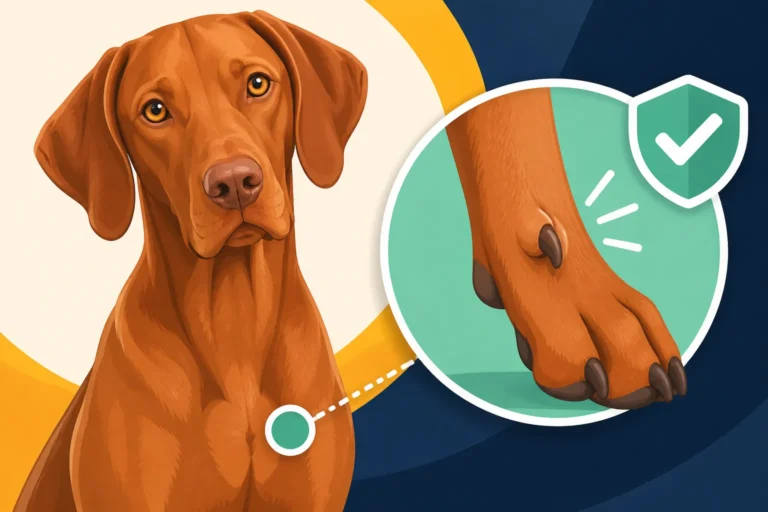
A Vizsla's thin skin, while lovely to touch, offers minimal protection against harsh elements. It's not just their core body temperature that's at risk; their extremities are also vulnerable. Their paw pads, though tough, can become chapped, cracked, or even frostbitten from prolonged exposure to ice, snow, and road salt. The delicate skin between their toes can also be easily irritated.
Similarly, their ears, with their fine fur, and their noses are susceptible. We often focus on their overall body, but these smaller, exposed areas can suffer significantly. It’s a constant reminder of The Thin Skin a Vizsla Takes Into the Field, making them prone to injury and discomfort, not just from thorns and burrs, but from environmental exposure too. Road salt and ice melt, in particular, can be extremely painful and corrosive to their pads, leading to open sores and potential infections if not addressed promptly.
Recognizing and Responding to Cold Stress
It's crucial to be able to identify when your Vizsla is truly feeling the cold, beyond just a momentary chill. Our dogs can't tell us in words, but their body language and behavior speak volumes. Learning these cues will help you intervene quickly and keep them comfortable.
Visible Signs of Cold
The most obvious sign your Vizsla is cold is shivering. This involuntary muscle contraction is their body's attempt to generate heat. However, it's not the only sign. Look for:
- Hunched Posture: A dog that is trying to conserve heat will often hunch their back, tuck their tail tightly between their legs, and try to make themselves as small as possible.
- Lifting Paws: If they are lifting their paws off the ground one at a time, especially on cold, icy, or salted surfaces, they are trying to minimize contact with the painful cold.
- Seeking Shelter: They might actively try to find cover, stand behind your legs, or seek the sunniest spot available, even if it's minimal.
- Whining or Crying: Some Vizslas will vocalize their discomfort, letting out soft whines or whimpers, particularly if they are asked to stay out longer than they wish.
- A "Miserable" Expression: Their face might look drawn, their ears flattened, and their eyes slightly narrowed, conveying a clear sense of unhappiness.
It’s important to pay attention to these signals, as they are your Vizsla’s way of saying, "I'm not okay." Knowing The Temperature a Vizsla Starts Shivering At can be helpful, but individual dogs vary. Some might start to shiver when it's just a bit chilly, while others might tolerate it for a bit longer before their internal thermostat kicks in.
Behavioral Changes
Beyond the immediate physical signs, prolonged cold can lead to noticeable changes in your Vizsla's behavior. They might:
- Become Reluctant to Go Outside: What was once an exciting prospect—a walk!—becomes a hesitant, slow-moving affair. They might balk at the door, try to turn back quickly, or simply refuse to engage. You might notice this when asking Whether a Vizsla Will Walk in Snow; some will dive right in for a brief romp, others will act like the snow is lava.
- Decrease Activity Levels: Even their characteristic energy might dip outdoors. They won't run as freely, their play might be less enthusiastic, and they might stick closer to you rather than ranging. Indoors, they might be more lethargic, reserving energy rather than zooming around.
- Become More Clingy: The "Velcro Vizsla" phenomenon is well-known, but in cold weather, it can intensify. They will seek out body heat, trying to burrow under blankets with you on the sofa or insisting on sleeping even closer to you in bed. This isn't just affection; it's a survival instinct for warmth.
- Show Less Enthusiasm for Training or Play: If your Vizsla is cold, their focus will be on getting warm, not on retrieving or practicing commands. Their concentration might be broken, and they might appear distracted or uncomfortable.
These behavioral shifts are not just mood swings; they are indicators of physiological discomfort and stress. Ignoring them can lead to more serious health issues.
Health Risks Associated with Cold Exposure
The risks of sustained cold exposure for a Vizsla go beyond just discomfort. Their delicate physiology makes them prone to more severe conditions:
- Hypothermia: This is when a dog's body temperature drops dangerously low. Symptoms include violent shivering (which may eventually stop as their body becomes too weak to shiver), lethargy, weakness, shallow breathing, pale gums, and eventually, collapse. Whether a Vizsla Gets Hypothermia is a very real concern, especially if they are out in wet or extremely cold conditions for too long.
- Frostbite: Exposed areas like ear tips, tail tips, and paw pads are particularly vulnerable. Frostbite can cause tissue damage, leading to skin discoloration (pale, bluish, or reddish), pain, swelling, and eventually, the tissue can turn black and die.
- Weakened Immune System: Chronic cold stress can compromise their immune system, making them more susceptible to infections and illnesses. Given that Why a Vizsla's Immune System Is the Breed's Weak Point is already a consideration for the breed, adding environmental stress only exacerbates this.
- Joint Pain: For older Vizslas or those with existing joint issues like hip or elbow dysplasia, cold weather can significantly worsen their discomfort and stiffness.
It's not about making them soft; it's about protecting them from genuine harm. A few minutes too long in bitter cold can have lasting consequences for a Vizsla.
Essential Gear and Environmental Adjustments
Living in a cold climate with a Vizsla requires a proactive approach to keeping them warm. It's not just about turning up the thermostat; it's about providing the right protection and making smart choices about their environment and activities.
Investing in Proper Outerwear
This is non-negotiable for a Vizsla in cold weather. Their thin coat simply isn't enough.
- Winter Coats and Jackets: Look for insulated, waterproof, and windproof coats that cover their chest and belly well. Brands like Hurtta, Ruffwear, and Canada Pooch offer excellent options designed for active dogs, which you can often find on Amazon or specialized pet retailers. Measure your Vizsla carefully to ensure a snug fit that doesn't impede movement but also doesn't leave gaps for cold air. A good coat acts as their missing undercoat, providing that crucial layer of insulation. When considering Whether a Vizsla Needs a Winter Jacket, the answer is almost always a resounding "yes" in true cold.
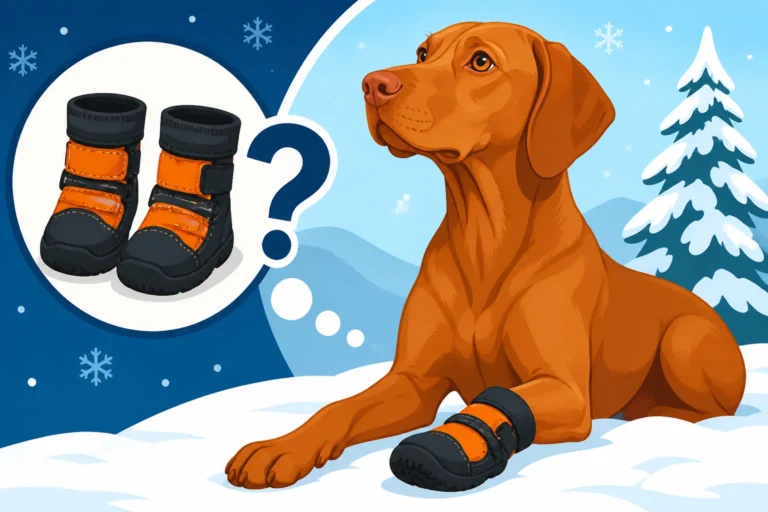
- Booties: Paw protection is just as vital. Dog booties prevent ice balls from forming between their toes, protect against harsh road salts and chemicals, and insulate their pads from freezing surfaces. Getting a Vizsla to wear booties can be a process, as many dogs dislike them initially, but patience and positive reinforcement pay off. Again, brands like Ruffwear make durable options. This directly addresses the need for Whether a Vizsla Needs Boots in Winter.
- Consider a Fleece Layer: For very severe cold or prolonged outdoor activities, a fleece base layer under a waterproof coat can provide even more warmth. Some coats are designed with layering in mind, allowing you to customize the warmth level.
Remember to remove outerwear once back indoors to prevent overheating, especially if they’ve been active.
Providing Warm Indoor Spaces
Your home should be a haven from the cold for your Vizsla. They will naturally gravitate to the warmest spots.
- Cozy Beds and Blankets: Provide several soft, thick beds, ideally elevated off cold floors. Memory foam or orthopedic beds are great for older Vizslas. Crucially, offer plenty of blankets. Vizslas love to burrow. You'll find them making nests in piles of blankets, instinctively trying to recreate the feeling of a den. This burrowing instinct is a strong indicator of Whether a Vizsla Burrows Under Blankets for Warmth.
- Heated Beds or Mats: For particularly sensitive Vizslas, or those with arthritis, a heated dog bed can be a game-changer. These provide consistent, gentle warmth and can significantly improve their comfort. You might wonder whether a heated bed costs a lot, but for the comfort it provides, many find it a worthwhile investment, especially if you get a high-quality one from Chewy or another reputable pet supply store.
- Designated Warm Zones: Ensure their primary sleeping area isn't in a drafty hallway or near a cold window. If you have a room that tends to stay warmer, that's where their main bed should be. While they enjoy being close to you, they also need their own dedicated warm spots. We cover this in Why a Vizsla Needs Somewhere Warm to Sleep, emphasizing the importance of creating a thermal refuge for them.
Adjusting Exercise and Outdoor Time
Maintaining a Vizsla's high energy levels in winter requires careful planning to prevent them from getting too cold.
- Shorter, More Frequent Outings: Instead of one long walk, consider several shorter, more intense play sessions or walks. This allows them to burn off energy without prolonged exposure to bitter temperatures.
- Indoor Exercise: Incorporate more indoor games, training sessions, and mental enrichment activities. Flirt poles, puzzle toys, scent work, and even treadmill training (if introduced carefully and safely) can help satisfy their need for activity. Remember, The Two Hours a Vizsla Needs Before It Will Settle is still a general guideline, but how you achieve that exercise changes drastically in winter.
- Monitor Conditions Closely: Pay attention to wind chill, precipitation, and actual temperature. A dry, still 20°F might be more tolerable than a wet, windy 30°F. If it's truly frigid, prioritize brief potty breaks and indoor mental stimulation.
- Post-Activity Warm-Up: After any outdoor activity, thoroughly dry your Vizsla, especially if they've been in snow or wet conditions. A warm towel and a quick rubdown can prevent their core temperature from dropping too rapidly. Some owners even use a dog-specific drying coat to wick away moisture.
Nutritional and Health Considerations for Winter Vizslas
Cold weather places additional demands on your Vizsla's body, making proper nutrition and proactive health care even more critical. Their high metabolism works overtime, and their skin can suffer.
Caloric Intake Adjustments
As we discussed, a Vizsla's body works harder to maintain its core temperature in cold environments. This means they are burning more calories just to stay warm, even if their activity level outdoors is reduced.
- Increase Food Slightly: For actively working or very active Vizslas in cold climates, you may need to increase their daily food intake slightly. Don't just dump more kibble; monitor their weight and body condition closely. You should still be able to feel their ribs easily, but not see them prominently. A conversation with your vet can help determine the right adjustment. This is where Feeding a Vizsla That Burns Everything It Eats becomes even more challenging, as their caloric needs can skyrocket.
- Consider a Higher-Fat Diet: Performance formulas or diets with a slightly higher fat content can provide more concentrated energy without significantly increasing the volume of food, which can prevent stomach upset. Some owners switch to a "winter formula" kibble or supplement their dog's regular food with a healthy fat source. Ollie, for example, offers fresh food options that can be customized to meet specific caloric needs.
- Consistent Hydration: Even though it's cold, dogs still need plenty of fresh water. Dehydration can impair their body's ability to regulate temperature. Ensure water bowls aren't freezing outside if your dog has access to a yard.
Hydration and Skin Care
Winter air, both indoors and out, tends to be much drier than in warmer months. This can take a toll on a Vizsla's sensitive skin.
- Humidifiers: Running a humidifier indoors can help combat dry air, which benefits both you and your Vizsla's skin and respiratory system.
- Moisturizing Shampoos: If regular bathing is necessary, use a moisturizing, gentle shampoo to avoid stripping natural oils from their skin. Follow up with a conditioner if recommended by your vet.
- Paw Balm: Apply a paw balm or wax to their pads before and after walks to protect against cracking and irritation from ice, snow, and salt.
- Omega Fatty Acids: Supplementing their diet with omega-3 and omega-6 fatty acids can help maintain skin and coat health from the inside out, reducing dryness and flakiness. Fish oil is a common supplement, and it helps not only their coat but their overall health. You might find information on Whether a Vizsla Needs Fish Oil for Its Skin helpful here. Many quality dog foods, including those found on Chewy, already include these.
Veterinary Check-ups and Preventative Care
Winter isn't just about bundling up; it's about making sure your Vizsla is healthy enough to handle the challenges.
- Annual Check-up: A pre-winter vet check-up is a good idea, especially for older Vizslas or those with known health issues. Discuss any concerns you have about their cold tolerance or increased stiffness.
- Joint Supplements: If your Vizsla has any signs of joint discomfort, especially with the cold, talk to your vet about starting or adjusting joint supplements. Glucosamine, chondroitin, and MSM are common ingredients that can help support joint health.
- Dental Care: Good dental health is important year-round, but in winter, any oral discomfort could make them less willing to eat or drink, exacerbating weight loss or dehydration.
- Monitor for Illness: Be vigilant for signs of illness that might be harder to spot in colder months, such as changes in appetite, lethargy, or coughing. A healthy Vizsla is better equipped to handle cold stress.
Here's a quick guide to some essential winter gear for your Vizsla:
| Gear Item | Purpose | Key Features | Where to Find |
|---|---|---|---|
| Insulated Coat | Protects core body temperature from cold and wind | Waterproof/windproof exterior, fleece/insulated lining, belly coverage, reflective elements | Amazon, Chewy, Ruffwear, Hurtta, Canada Pooch |
| Dog Booties | Protects paws from ice, snow, salt, and cold surfaces | Durable, non-slip sole, secure fasteners, breathable upper, reflective accents | Amazon, Chewy, Ruffwear, Muttluks |
| Heated Dog Bed | Provides consistent warmth for resting and sleeping | Low wattage, chew-resistant cord, soft cover, thermostatic control | Amazon, Chewy, K&H Pet Products |
| Fleece Layer | Additional insulation under a coat in extreme cold | Lightweight, breathable fleece, snug fit, non-restrictive | Amazon, Chewy, Many active dog brands |
| Paw Balm/Wax | Moisturizes and protects paw pads from drying and cracking | Natural ingredients (e.g., beeswax), non-toxic, easy to apply | Amazon, Chewy, Musher's Secret, Burt's Bees Pet |
| Drying Coat | Wicks moisture from wet fur quickly after outdoor activity | Microfiber or terry cloth, absorbent, full body coverage | Amazon, Chewy, Ruff & Tumble |
While Vizslas are undeniably built for warmer climates and dynamic outdoor activity, it doesn't mean a life in a colder region is out of the question for them. With a diligent, thoughtful approach to their care, proper gear, environmental adjustments, and keen observation of their needs, your Vizsla can absolutely thrive. It takes a little more effort, a bit more planning, and a readiness to adapt, but the warmth of their companionship makes every effort worthwhile, no matter the weather.
Disclaimer
This article is for general informational purposes only and does not constitute professional advice. Laws, prices and regulations vary by location and change over time. Consult a qualified professional for guidance on your specific situation.