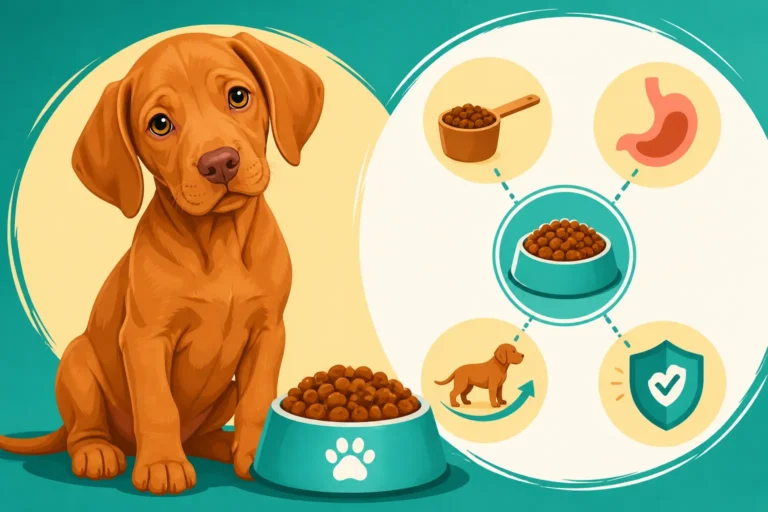
Treats That Suit a Vizsla in Training
Oh, the joy (and sometimes, the struggle!) of training a Vizsla. Anyone who has ever tried to teach a fast-moving, highly intelligent, and sometimes easily distracted ginger shadow knows that motivation is key. And what's a better motivator than a tasty treat? But it's not just about tossing any old biscuit their way. Choosing the right treats for your Vizsla in training is crucial, not just for their focus, but for their overall health, energy levels, and sensitive digestive systems. This guide will walk you through how to select the perfect training rewards that keep your Vizsla engaged, healthy, and eager to learn.
Why Smart Treat Choices Are Crucial for Your Training Vizsla
Vizslas are known for their boundless energy, their keen intelligence, and their intense desire to please – which is fantastic for training! However, they also come with a few considerations that make treat selection more important than with some other breeds. It’s not just about a reward; it’s about fueling a finely tuned athlete and protecting a sometimes delicate digestive system.
Fueling a High-Energy Breed Without Overdoing It
Let's be honest, our Vizslas are basically furry, four-legged rockets. They have incredible metabolisms and can burn through calories at an astonishing rate, especially when they're actively working or playing. Because of this, it's tempting to think they can handle any amount of treats. However, even a high-energy dog can become overweight if their treat intake isn't carefully managed. Training sessions, especially with a young, enthusiastic pup, can involve dozens, if not hundreds, of small rewards. If each of those rewards is high in calories, you're quickly adding a significant amount to their daily intake. This isn't just about weight; an overweight Vizsla can put undue stress on their joints, which is especially important for a breed prone to issues like Hip Dysplasia in a Vizsla. Finding that balance between high motivation and healthy weight is a constant tightrope walk. You want them driven, but not chubby.
Navigating Vizsla Digestive Sensitivities
Many Vizsla owners will nod in agreement when I say our dogs can sometimes have a bit of a "sensitive stomach." It's not uncommon for them to react to new foods, rich ingredients, or certain proteins with an upset tummy. This means that while variety can be good, consistency and careful ingredient selection in treats are even better. Choosing treats with simple, recognizable ingredients can help prevent unexpected bouts of diarrhea or vomiting, which are not only unpleasant for everyone involved but can also derail your training progress. Think about it: a dog with an upset tummy isn't going to be focused on learning "heel" or "stay." If you're wondering whether a Vizsla has a sensitive stomach, you're definitely not alone. It's a common characteristic of the breed, and it means we need to be extra vigilant about what goes into their bowls and treat pouches.
Maintaining Focus in Distracting Environments
Training a Vizsla, particularly for field work or competitive sports, often means working in environments brimming with distractions. Other dogs, strange smells, exciting sounds – these can all pull your Vizsla's attention away from you. This is where a truly high-value treat shines. A bland, boring biscuit might work in your quiet living room, but out in a bustling park or near a bird field, you need something that will make your Vizsla think, "Wow, whatever that is, it's better than sniffing that squirrel!" The right treat isn't just a reward; it's a tool to cut through the noise and keep their focus firmly on you, even when their natural instinct is to range wide and explore. Having a mental toolkit of different treat values is crucial for successful training progressions. You can start with good, solid motivation and then move to fantastic, can't-resist motivation as distractions increase.
The Anatomy of a Perfect Vizsla Training Treat
So, what exactly are we looking for when we scour the shelves or our fridges for the ultimate Vizsla training treat? It’s a combination of factors that all contribute to keeping your dog healthy, happy, and highly motivated during those crucial learning moments.
Palatability and Appeal: Making it Irresistible
The absolute first rule of a training treat is that your Vizsla has to want it. And not just passively want it, but crave it. For many Vizslas, this often means something meaty, smelly, and generally delicious. Think about what gets their eyes wide and their tail wagging like a propeller. Chicken, beef, liver, fish – these protein-rich options are usually winners. Vegetables and fruits can be great additions, but for the main event, especially during challenging training, protein is often king.
The degree of "irresistibility" can vary, and it's smart to have a range of treat values on hand. For basic obedience in a low-distraction environment, a moderately tasty treat might be fine. But when you’re asking for something difficult, or working in a high-distraction setting, you need the "jackpot" treat – something so amazing they can't even think about that passing rabbit or the distant gunshot. You’ll find that What a Vizsla Will Work For often depends on the task and the environment, so having a varied arsenal of treats is a smart strategy.
Size and Texture: Quick, Clean, and Safe
Imagine trying to train your dog if they spend five minutes chewing a treat after every single successful repetition. You'd lose all momentum! The ideal training treat for a Vizsla should be tiny – pea-sized or even smaller. This allows them to gobble it up quickly, swallow, and immediately be ready for the next command. It keeps the training flow going and prevents them from getting full too fast.
Texture also matters. Soft, chewy treats are generally preferred over hard, crunchy ones. Soft treats are easier to break into tiny pieces, dogs can consume them faster, and they're often less messy. Crunchy treats can create crumbs, take longer to eat, and can be a choking hazard if given in too large a piece, especially for an enthusiastic Vizsla who tends to inhale their food. Avoid anything sticky or overly crumbly, as that just means more time spent licking your fingers or cleaning up the floor.
Ingredient Quality: Health First
Just like with their regular meals, the ingredients in your Vizsla's treats are paramount. Look for treats with whole, recognizable ingredients. Meat should be high on the list, and ideally, free from excessive fillers, artificial colors, flavors, or preservatives. For Vizslas with sensitive stomachs, single-protein treats or limited-ingredient options can be a lifesaver. Brands like Zuke's Mini Naturals, or even some of the more natural offerings you can find on Chewy, often fit this bill. You're trying to avoid anything that could trigger an allergic reaction or upset their delicate balance. If your Vizsla is on a specific diet or has known allergies, always double-check the ingredient list meticulously. You might also want to look into Whether a Vizsla Reacts to Its Food more generally if you suspect certain ingredients are problematic.
Top Training Treat Categories and How to Use Them Effectively
Now that we know what makes a good treat, let's explore some popular categories and how to best utilize them to get the most out of your Vizsla's training sessions.
Commercial Training Treats: Convenience and Variety
Commercial training treats are popular for a reason: they are incredibly convenient. They come pre-portioned (or easily portioned), are shelf-stable, and many are specifically formulated for training.
- Pros: Easy to carry, often come in small sizes, wide variety of flavors and ingredient profiles, readily available at pet stores or online retailers like Amazon and Chewy. Many brands offer low-calorie options which are great for long sessions.
- Cons: Some can be high in calories, contain fillers or ingredients that might not agree with a sensitive Vizsla, and the "palatability" can vary wildly. It can take some trial and error to find what your Vizsla truly goes wild for.
- Best Use: Daily obedience training, practicing known behaviors, short reinforcement bursts. Great to keep on hand in a treat pouch during walks or casual training. Look for brands known for natural ingredients and small sizes.
Fresh Food Treats: High Value and Hydrating
Many Vizsla owners find that fresh, human-grade foods make the absolute best high-value treats. These are often irresistible, highly palatable, and you know exactly what's in them.
- Pros: Extremely high value, often more hydrating than dry treats, easy to digest for many sensitive Vizslas, and you control the ingredients entirely. Cooked chicken breast, lean beef, cheese, hot dogs (cut into tiny pieces), and even some high-quality fresh dog food brands like Ollie can be excellent when portioned out.
- Cons: Require preparation (cooking, cutting), can be messy to handle, aren't shelf-stable and need refrigeration, and might not be suitable for carrying in your pocket on a long hike unless you use a special container.
- Best Use: Jackpot rewards for major breakthroughs, working through tough distractions, proofing behaviors in challenging environments. A piece of cooked chicken can often snap a Vizsla out of a distraction better than almost anything else. Just remember to use these sparingly during standard sessions to keep their "special" appeal. Make sure to cut them very small, like little fingernail clippings.
Homemade Treats: Customization and Control
If you're a bit of a baker or enjoy cooking, making your own Vizsla training treats gives you ultimate control over ingredients, especially beneficial if your dog has multiple sensitivities or allergies.
- Pros: Complete control over ingredients, ability to make treats to your Vizsla's exact preferences, often more cost-effective than high-end commercial treats in the long run. You can experiment with different flavors and textures to find what your dog loves most.
- Cons: Time-consuming to prepare, requires storage space, and might not be as convenient for on-the-go training.
- Best Use: Perfect for dogs with very specific dietary needs, or for owners who want to avoid all artificial ingredients. You can bake small, chewy cubes of liver, pumpkin and oat bites, or even dehydrated sweet potato chews. There are countless recipes online, so you can tailor them to your Vizsla's preferences and dietary requirements. Just ensure any ingredients you use are safe for dogs.
Here's a quick comparison of treat options:
| Treat Type | Palatability (Typical) | Convenience | Ingredient Control | Cost (Typical) | Best For |
|---|---|---|---|---|---|
| Dry Commercial Kibble | Low-Medium | High | Low | Low | Everyday reinforcement, low distraction |
| Soft Commercial Treats | Medium-High | High | Medium | Medium | Most training sessions, varied distractions |
| Fresh Meats/Cheese | High | Low | High | High | Jackpot rewards, high distractions |
| Dehydrated Meats | High | Medium | High | High | High-value rewards, less messy than fresh |
| Homemade Baked Treats | Medium-High | Medium | Very High | Medium | Specific dietary needs, customized flavor |
Remember, the goal is to make the reward quick, clear, and highly motivating. Sometimes, a mix-and-match approach works best: using low-calorie kibble for easy drills and pulling out the freeze-dried salmon for complex new behaviors.
Avoiding Treat Traps: Common Mistakes and How to Prevent Them
Even with the best intentions, it's easy to fall into some common treat-related traps that can hinder your training progress or impact your Vizsla's health. Being aware of these can save you a lot of headaches (and vet bills!).
The Calorie Creep: When Too Much is Too Much
This is perhaps the most insidious trap. Those tiny training treats add up, fast. If you're doing multiple short training sessions a day, or one long, intense one, you could be feeding your Vizsla hundreds of extra calories without even realizing it. This can quickly lead to weight gain, which is detrimental to an active breed. Vizslas are lean by nature, and Keeping Weight on a Vizsla That Burns Everything can be a challenge, but so can preventing excess weight when treats are overused.
To avoid calorie creep:
- Reduce Meal Portions: If you're using a lot of treats, especially high-calorie ones, you must reduce your Vizsla's regular meal portions accordingly. Think of treats as part of their daily caloric intake, not an addition.
- Use Low-Calorie Options: Many commercial training treats are specifically designed to be low-calorie. For higher value, you can even use bits of plain, air-popped popcorn (unsalted, unbuttered) or finely diced carrots for easy, low-cal rewards.
- Vary Rewards: Not every successful behavior needs a food treat. Sometimes, a quick game of tug, a enthusiastic "Good dog!", or a favorite toy can be just as rewarding, especially for a Vizsla who thrives on interaction and play. This is also important for them to develop other forms of motivation beyond just food.
Upset Stomachs and Digestive Distress
As we've discussed, Vizslas can have sensitive digestive systems. Introducing too many new treats at once, or feeding treats with questionable ingredients, can lead to unpleasant digestive upset. This not only makes your dog uncomfortable but can also make them hesitant to take treats from you, associating them with feeling unwell.
To keep their tummies happy:
- Introduce New Treats Slowly: Just like with new foods, introduce new treats gradually. Start with a very small amount and observe your Vizsla for any signs of discomfort before increasing the quantity.
- Stick to What Works: Once you find a few treats your Vizsla loves and tolerates well, don't feel pressured to constantly change things up. Consistency is often key for sensitive systems. You can even consider limited-ingredient options available from pet suppliers like Chewy for dogs with known sensitivities.
- Read Labels Carefully: Always check the ingredient list for common allergens or artificial additives that might be problematic. If your Vizsla has issues with grains, make sure to choose grain-free options.
Choking Hazards and Dental Health
Vizslas are enthusiastic eaters. They often don't chew thoroughly, especially when excited during training. This makes them prone to choking if treats are too large, or if they have an awkward shape or texture. Additionally, some treats, especially very hard ones, can pose a risk to dental health, potentially cracking teeth.
To keep training safe and teeth healthy:
- Cut Treats Small: This can't be stressed enough. Cut all treats, commercial or fresh, into pea-sized or even smaller pieces. This ensures quick consumption and minimizes choking risk.
- Choose Appropriate Texture: Softer, chewier treats are generally safer than very hard, crunchy ones. If you use crunchy treats, ensure they are easily broken down and not too large.
- Be Mindful of Dental Chews: While good for teeth, large dental chews are not training treats. They take too long to consume and are meant for a different purpose. Stick to small, soft rewards for active training. Regularly check your Vizsla's teeth, as Whether a Vizsla Needs Its Teeth Brushed is an important part of their overall health care.
By being mindful of these potential pitfalls, you can ensure that your treat strategy is not only effective for training but also supports your Vizsla's long-term health and well-being. A well-chosen treat makes training a joy for both of you!
Disclaimer
This article is for general informational purposes only and does not constitute professional advice. Laws, prices and regulations vary by location and change over time. Consult a qualified professional for guidance on your specific situation.