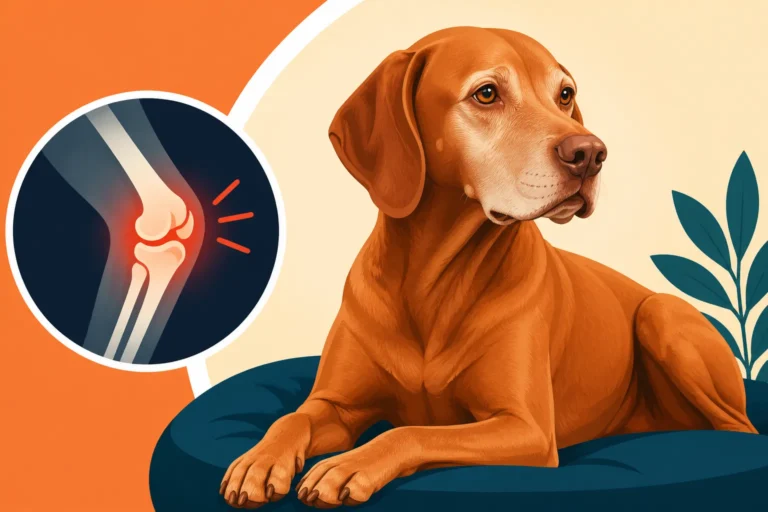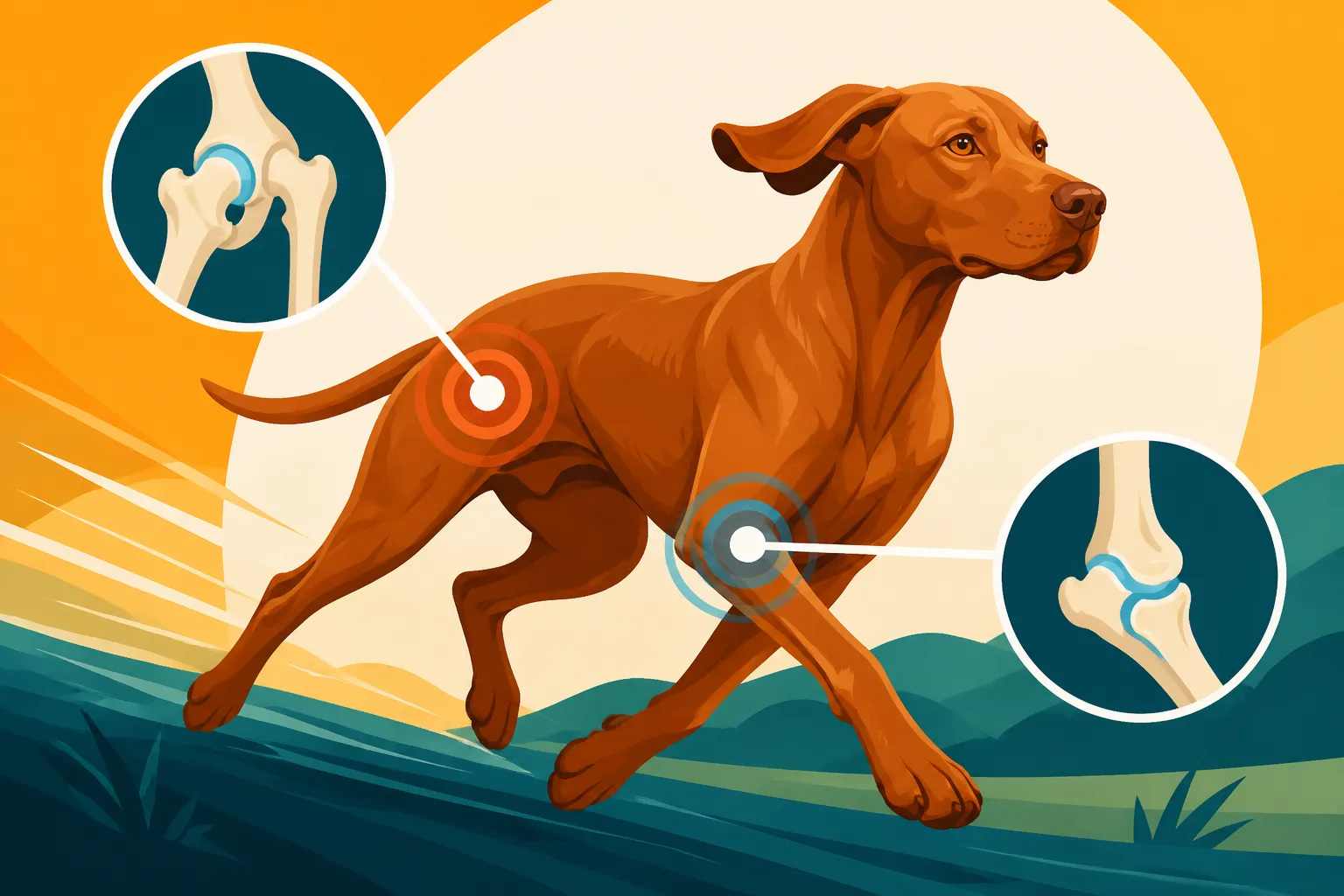
Hips and Elbows on a Vizsla That Runs All Day
There's nothing quite like the boundless energy of a Vizsla, is there? They're magnificent, athletic creatures, always ready for the next adventure, whether it's a long run in the field, a hike through the woods, or a vigorous game of fetch in the backyard. But with all that incredible drive and constant movement comes a natural concern for their joints. Many Vizsla owners worry about the long-term impact of such an active life on their dog's hips and elbows, and for good reason. This comprehensive guide will walk you through the common joint challenges Vizslas face, especially hip and elbow dysplasia, offering insights into understanding, preventing, and managing these conditions to help your beloved companion enjoy a full, active life.
Understanding the Vizsla's Active Lifestyle and Joint Stress
Vizslas are not just dogs; they're finely tuned athletes, bred for centuries to be tireless hunting companions. Their lean, muscular build and incredible stamina mean they thrive on intense physical activity. This inherent drive to move, while one of their most endearing qualities, also means their joints are put through their paces day in and day out. It's a double-edged sword: you want to give them the exercise they need, but you also want to protect their precious skeletal system from wear and tear.
The Vizsla's Drive to Move
From the moment they wake up until they finally crash exhausted at night (usually curled up on you, because, well, Vizsla), these dogs are in motion. Their heritage as Hungarian pointers means they were designed for speed, endurance, and agility across varied terrain. They're not content with a leisurely stroll around the block; they need to run, sniff, explore, and work. This isn't just a recommendation; it's a fundamental part of their being. An under-exercised Vizsla often becomes a frustrated Vizsla, leading to destructive behaviors, anxiety, and a generally unhappy dog.
This constant high-impact activity, particularly in growing puppies and young adults, can place significant stress on their developing and mature joints. Think about a professional athlete: they have rigorous training, but also dedicated recovery and preventative care. Our Vizslas, in their enthusiasm, often don't know when to slow down, making us, their humans, responsible for understanding the mechanics of their movement and the potential vulnerabilities that come with it. They will often push through discomfort, a testament to their stoic nature and high pain tolerance, which can unfortunately mask emerging joint problems until they are quite advanced.
Common Joint Concerns in Active Breeds
Breeds like the Vizsla, known for their athleticism and often rapid growth spurts as puppies, are inherently more susceptible to certain orthopedic conditions. While genetics play a huge role, the sheer volume and intensity of their physical activity can exacerbate any underlying predispositions. The joints are complex structures, and continuous high-impact loading, twisting, and turning can lead to inflammation, cartilage damage, and bone remodeling.
Specifically, the ball-and-socket joints of the hips and the hinge joints of the elbows are areas of common concern. These joints bear a tremendous amount of weight and absorb significant shock during activities like jumping, running, and abrupt changes in direction. Over time, or with even slight developmental abnormalities, these forces can lead to conditions like dysplasia. It's not about making your Vizsla sedentary – that would be cruel and unhealthy for their mental and physical well-being – but about understanding the risks and taking proactive steps to support their joint health throughout their The Twelve to Fourteen Years a Vizsla Lives with you.
Deciphering Hip Dysplasia in Vizslas
Hip dysplasia is one of the most commonly recognized orthopedic issues in many active breeds, and Vizslas are no exception. It's a condition that can range from mild to severe, and understanding what it entails is the first step toward managing it effectively for your dog.
What Exactly is Hip Dysplasia?
At its core, hip dysplasia is a malformation of the hip joint. In a healthy hip, the "ball" (the head of the femur) fits snugly and smoothly into the "socket" (the acetabulum of the pelvis). In a dog with hip dysplasia, this fit is loose or abnormal. The ball might not sit deeply enough in the socket, or the socket itself might be too shallow. This poor fit causes friction and instability, leading to grinding, stretching of the ligaments, and eventually, the breakdown of cartilage. Over time, this leads to degenerative joint disease or osteoarthritis, which is painful and progressive.
While it has a strong genetic component – meaning it's often passed down from parent to offspring – environmental factors can significantly influence its expression. Things like rapid growth in puppies, obesity, and excessive or inappropriate exercise can all contribute to the severity of the condition in genetically predisposed dogs. Symptoms can vary greatly. Some dogs show signs as early as four to six months old, exhibiting a "bunny hopping" gait (where both hind legs move together), reluctance to jump or climb stairs, stiffness after rest, or a noticeable limp. Other dogs might not show any obvious signs until they are much older, when arthritis has already set in, masking the underlying dysplasia. It's a sneaky condition, sometimes making it hard for even the most vigilant owner to spot early.
Diagnosing Hip Dysplasia
If you suspect your Vizsla might be experiencing hip issues, your first stop should always be your veterinarian. They will start with a thorough physical examination, checking for pain upon palpation, range of motion, and any signs of instability in the hip joint. However, a definitive diagnosis almost always requires imaging.
The gold standard for diagnosing hip dysplasia involves X-rays. There are two primary methods for evaluating hip radiographs in dogs, particularly for breeding purposes, but also for diagnosis:
- Orthopedic Foundation for Animals (OFA) Evaluation: This method involves submitting a single extended hip radiograph (taken with the dog lying on its back, legs extended) to the OFA for evaluation by a panel of three radiologists. They grade the hips as Excellent, Good, Fair (all considered "pass" for breeding), Borderline, or Mild, Moderate, or Severe dysplasia. Dogs are typically evaluated at 24 months of age or older, as hip conformation can still change significantly during growth.
- PennHIP Evaluation: This method, developed at the University of Pennsylvania, is considered more sensitive for predicting the likelihood of developing hip osteoarthritis. It involves three separate radiographs: a distraction view, a compression view, and an extended hip view. The distraction view measures hip laxity (looseness), which is a primary indicator of dysplasia. PennHIP evaluations can be done as early as 16 weeks of age, offering breeders and owners earlier insight into a dog's hip health.
While these evaluations are crucial for breeders (more on that later!), they are also vital diagnostic tools for pet owners. An early diagnosis, even if not immediately severe, allows you and your vet to implement management strategies that can slow the progression of arthritis and keep your Vizsla comfortable for longer.
Managing Hip Dysplasia
Receiving a diagnosis of hip dysplasia for your beloved Vizsla can feel devastating, but it's important to remember that it's not a death sentence, and there are many effective management strategies available. The approach often depends on the severity of the condition, the dog's age, and their overall activity level.
Conservative Management: For many Vizslas, especially those with mild to moderate dysplasia, conservative management can provide significant relief and maintain a good quality of life. This typically involves a multi-modal approach:
- Weight Management: This is perhaps the most critical factor. Every extra pound your Vizsla carries puts immense strain on their joints. Maintaining a lean body weight, where you can easily feel their ribs but not see them prominently, is paramount. This can literally add years of comfortable mobility. We've talked before about Whether a Lean Vizsla Lives Longer and it holds true for joint health too.
- Controlled Exercise: While your Vizsla needs exercise, it might need to be modified. High-impact activities like jumping, sprinting, and long runs on hard surfaces might need to be limited or replaced with lower-impact options such as swimming, walking on soft terrain, or carefully managed leash walks. Consistency is key – short, frequent walks are often better than one long, strenuous outing that leaves them stiff.
- Pain Relief and Anti-inflammatory Medications: Non-Steroidal Anti-Inflammatory Drugs (NSAIDs) prescribed by your vet can dramatically reduce pain and inflammation, making your Vizsla more comfortable. These often need to be given long-term, so regular vet check-ups are essential to monitor for side effects.
- Joint Supplements: Supplements containing glucosamine, chondroitin, MSM, and Omega-3 fatty acids can support cartilage health and reduce inflammation. While not a cure, they can be a valuable part of a comprehensive plan. We've discussed Whether Joint Supplements Help a Vizsla and many owners find them beneficial.
- Physical Therapy/Rehabilitation: Hydrotherapy (swimming in a controlled environment), therapeutic exercises, massage, and even acupuncture can significantly improve muscle strength, range of motion, and reduce pain.
Surgical Options: For severe cases, or when conservative management is no longer effective, surgical interventions may be considered. These are typically performed by veterinary orthopedic specialists:
- Femoral Head Ostectomy (FHO): This procedure involves removing the head of the femur, allowing a "false joint" to form where scar tissue eventually provides stability. It's often recommended for smaller, lighter dogs (though Vizslas can be candidates) or when other options are not feasible, as it aims to alleviate bone-on-bone pain.
- Total Hip Replacement (THR): This is the most effective surgical treatment for severe hip dysplasia, where the damaged ball and socket are replaced with artificial implants. It can dramatically restore function and eliminate pain, but it is a complex and costly procedure.
- Triple Pelvic Osteotomy (TPO) / Juvenile Pubic Symphysiodesis (JPS): These are preventative surgeries performed on young puppies (JPS can be done as early as 10-16 weeks, TPO usually between 5-10 months) to correct the alignment of the pelvis and improve hip stability before severe degenerative changes occur.
The decision for surgery is a significant one, and your vet will help you weigh the pros and cons based on your Vizsla's specific situation. Remember, the goal is always to enhance their quality of life and keep them as comfortable and active as possible.
Elbow Dysplasia: A Vizsla's Other Joint Challenge
While hip dysplasia often gets more attention, elbow dysplasia is another significant orthopedic issue that can affect active Vizslas and cause considerable lameness and pain. It's a more complex condition, encompassing several different developmental abnormalities.
The Complexities of Elbow Dysplasia
Elbow dysplasia isn't just one problem; it's a general term for a group of inherited conditions that lead to abnormal development of the elbow joint. Unlike the hip, which is a ball-and-socket, the elbow is a hinge joint made up of three bones: the humerus (upper arm bone), the radius (forearm bone), and the ulna (another forearm bone). For a healthy elbow, these three bones must grow at precisely the same rate and fit together perfectly. If there's an imbalance in their growth, it leads to incongruity and abnormal pressure points within the joint.
The main forms of elbow dysplasia include:
- Fragmented Coronoid Process (FCP): This is the most common form. Small pieces of bone and cartilage break off from the coronoid process of the ulna, causing pain and inflammation.
- Ununited Anconeal Process (UAP): In this condition, a small bone (anconeal process) fails to fuse correctly with the ulna during development, leading to instability.
- Osteochondritis Dissecans (OCD): This involves abnormal cartilage development on the end of the humerus, leading to a flap of cartilage that can detach and cause pain.
- Elbow Incongruity: This occurs when the three bones of the elbow joint don't align perfectly, causing abnormal pressure and wear.
Symptoms of elbow dysplasia typically manifest as forelimb lameness, meaning your Vizsla will limp on one or both front legs. This lameness might be intermittent at first, worsening after exercise or periods of rest. You might also notice stiffness, a reluctance to bear weight fully, a decreased range of motion in the elbow, or a tendency for them to hold their elbow out from their body. Sometimes, you can feel swelling or hear a clicking sound in the joint. It usually appears in young, rapidly growing dogs, often between 4 to 12 months of age, though mild cases might only become apparent later in life as arthritis progresses.
Pinpointing Elbow Dysplasia
Diagnosing elbow dysplasia also begins with a thorough veterinary examination, where your vet will assess the range of motion, look for pain or swelling, and test for instability in the joint. They'll be looking for signs of lameness and often try to localize the pain to the elbow specifically.
Radiographs (X-rays) are essential for a definitive diagnosis, but diagnosing elbow dysplasia can be trickier than hip dysplasia because of the joint's complex structure and the subtle nature of some of the lesions. Your vet will take multiple views of the elbow, often under sedation, to get clear images. The OFA also provides an elbow evaluation program, where radiographs are submitted for grading. Elbows are graded as Normal, or Grade I, II, or III Dysplasia (with Grade III being the most severe). Only dogs with "Normal" elbows are considered suitable for breeding.
In some cases, especially when X-rays are inconclusive or to determine the precise nature and extent of the lesions, more advanced imaging techniques like CT scans or arthroscopy (a minimally invasive surgical procedure where a tiny camera is inserted into the joint) may be recommended. These provide a much clearer, detailed view of the joint surfaces and can help guide surgical planning. Early and accurate diagnosis is crucial because these conditions often worsen with age and activity, leading to painful osteoarthritis if left untreated.
Treatment Approaches for Elbow Dysplasia
Just like with hip dysplasia, finding out your Vizsla has elbow dysplasia can be upsetting. However, with the right approach, many dogs can live comfortable, active lives. Treatment options are generally divided into medical management and surgical intervention, tailored to the specific form and severity of the dysplasia.
Medical Management: For milder cases or as a post-operative support, medical management focuses on pain relief, reducing inflammation, and slowing the progression of arthritis.
- Weight Control: Absolutely critical. Keeping your Vizsla at a lean, healthy weight minimizes stress on their already compromised elbow joints.
- Controlled Exercise: High-impact activities that jar the elbow, like jumping or intense agility, should be avoided or significantly reduced. Instead, focus on consistent, moderate-intensity exercise on soft surfaces, like walking, hiking, or swimming. Short, frequent sessions are better than long, strenuous ones.
- Pain Medications: NSAIDs are commonly prescribed to manage pain and inflammation. These may be given intermittently during flare-ups or continuously, depending on your dog's needs. Your vet will monitor for any side effects with long-term use.
- Joint Supplements: Glucosamine, chondroitin, and omega-3 fatty acids can help support cartilage health and reduce inflammation, much like with hip dysplasia.
- Physical Rehabilitation: A structured program of physical therapy, including hydrotherapy, therapeutic exercises, and laser therapy, can strengthen muscles supporting the joint, improve range of motion, and decrease pain.
Surgical Interventions: Surgery is often recommended for more severe cases, especially in younger dogs, to correct the underlying anatomical abnormalities and prevent further damage. The specific procedure depends entirely on the type of elbow dysplasia present:
- Arthroscopic Fragment Removal: For FCP or OCD, a minimally invasive arthroscopic procedure can be performed to remove fragmented bone or cartilage flaps from the joint. This can significantly reduce pain and improve function.
- UAP Fixation or Removal: If the anconeal process is ununited, it may be surgically reattached (fixed) or, if fragmented and beyond repair, removed.
- Ulna Osteotomy: In cases of elbow incongruity where the ulna is too short, a controlled cut (osteotomy) can be made in the ulna to allow it to lengthen, thus improving the alignment of the joint.
- Proximal Abducting Ulna Osteotomy (PAUL): This is a newer procedure for FCP that changes the biomechanics of the joint to reduce load on the affected area.
Recovery from elbow surgery can take several weeks to months, often involving strict rest and a dedicated physical rehabilitation program. Your veterinary orthopedic surgeon will guide you through the best course of action and what to expect for your Vizsla's specific needs. Many pet owners find that having pet insurance, such as through a company like Healthy Paws, can significantly ease the financial burden of these specialized diagnostics and treatments, allowing them to make the best decisions for their dog's health without undue stress.
The Role of Genetics and Responsible Breeding
When we talk about conditions like hip and elbow dysplasia, it's impossible to ignore the elephant in the room: genetics. These are not simply random occurrences; they are often deeply rooted in a dog's lineage, making responsible breeding absolutely vital.
Inherited Predisposition
It's a tough truth, but hip and elbow dysplasia are largely inherited conditions. This means that a dog's genetic makeup plays a massive role in whether they are predisposed to developing these joint abnormalities. While environmental factors like diet, exercise, and growth rate can influence the expression and severity of the disease, the underlying genetic blueprint is what sets the stage. If a Vizsla's parents, grandparents, or other close relatives have a history of dysplasia, that puppy carries a higher risk.
The complexities of inheritance mean it's not always a simple dominant or recessive gene; it's often polygenic, involving multiple genes, which makes it harder to completely eradicate from a breed. However, this doesn't mean we throw our hands up in despair. It means that ethical breeders have a profound responsibility to understand their breeding lines and actively work to reduce the incidence of these conditions in future generations. Unchecked breeding, where dogs with unknown or poor joint health are used, inevitably perpetuates and can even worsen these problems within the breed. This is why when you're considering bringing a Vizsla into your family, looking into their background is as important as falling in love with their cute puppy antics.
Health Clearances and Breeder Responsibilities
This brings us to the critical role of health clearances. Reputable Vizsla breeders are not just breeding for pretty faces or exceptional hunting drive; they are breeding for overall health and longevity. A cornerstone of this responsibility is the rigorous health screening of all breeding stock for inherited conditions like hip and elbow dysplasia.
Here's what you should expect and look for:
- OFA and PennHIP Certifications: Any breeding Vizsla should have their hips evaluated by the Orthopedic Foundation for Animals (OFA) or the PennHIP program. For elbows, OFA certification is the standard. Breeders should be able to provide documentation for both parents showing "Good" or "Excellent" hip scores (OFA) or a low distraction index (PennHIP), and "Normal" elbow scores (OFA). Don't settle for "vet checked" or "parent's parents were clear" – you need concrete documentation for the actual breeding pair. You can often look up these clearances online via the OFA website. This is part of The Health Tests Both Vizsla Parents Should Have.
- CHIC Numbers: The Canine Health Information Center (CHIC) is a program sponsored by the OFA and participating parent clubs. A CHIC number is issued when a dog has been screened for all the health tests recommended by their breed's parent club (including hips and elbows for Vizslas) and the results are publicly available. Asking Whether a Vizsla Breeder Should Show a CHIC Number is an excellent way to gauge a breeder's commitment to transparency and health.
- Transparency and Education: A responsible breeder will be happy to discuss their health testing protocols, explain the results, and educate you on the genetic risks. They should never act defensive or dismissive when asked about these issues. They are invested in the health of their puppies for their entire lives.
- Breeding Pedigrees: A good breeder will also know the health history of their breeding dogs' ancestors, not just the immediate parents. While it's impossible to guarantee a puppy will never develop a health issue, diligent screening significantly reduces the risk.
Considering Whether an Untested Vizsla Litter Is Worth Buying is a serious question. The answer is almost always no. While an untested puppy might be cheaper upfront, the potential heartbreak and immense veterinary costs down the road for treating hip or elbow dysplasia can be astronomical, not to mention the pain and suffering for your dog. Investing in a puppy from health-tested parents is an investment in your Vizsla's future well-being and a testament to responsible pet ownership.
Nurturing Healthy Joints: Prevention and Lifestyle
While genetics lay the groundwork, the way you raise and care for your Vizsla, especially during their crucial developmental stages and throughout their active life, plays a massive role in promoting healthy joints and mitigating the risk of problems.
Puppyhood: Laying the Foundation for Strong Joints
The first year of a Vizsla's life is a period of rapid growth and development, making it a critical window for joint health. What happens during this time can profoundly impact their long-term orthopedic soundness.
- Controlled Exercise, Not Excessive: This is probably the trickiest part for Vizsla owners. Your puppy is a ball of boundless energy, and it's tempting to let them run and play to their heart's content. However, too much high-impact, repetitive, or forced exercise on developing joints can be detrimental. Their growth plates (areas of cartilage that enable bone growth) are soft and vulnerable to injury until they close, typically around 12-18 months. Instead of long, strenuous runs, focus on short, frequent play sessions on soft surfaces like grass. Avoid intense jumping, fetching on hard ground, or long walks/jogs on concrete. A good rule of thumb is "five minutes of exercise per month of age, twice a day," for structured walks, with free play in a safe yard allowed as well. We've often stressed Whether a Vizsla Puppy Should Run on Hard Ground and the answer for growing pups is a resounding no.
- Balanced Nutrition for Steady Growth: Overfeeding, especially with high-calorie or high-calcium diets, can lead to excessively rapid growth, which puts undue stress on developing bones and joints. Opt for a high-quality large-breed puppy food specifically formulated to promote slow, steady growth. These diets usually have carefully balanced calcium-to-phosphorus ratios. Consult your vet on the best food choices. It's important to know Whether a Vizsla Needs Large Breed Puppy Food, and often, a quality formulation designed for healthy growth in athletic breeds is best, even if not explicitly labeled "large breed."
- Preventing Injury: Puppy roughhousing is normal, but supervise play with other dogs to ensure it doesn't get too intense or involve excessive tumbling and twisting that could injure delicate joints. Provide non-slip surfaces indoors to prevent falls, especially on stairs or slick floors.
By being mindful of these factors during puppyhood, you give your Vizsla the very best chance at developing strong, healthy joints that can withstand their active adult life.
Nutrition, Supplements, and Weight Management
Beyond puppyhood, lifelong nutritional considerations and meticulous weight management remain paramount for protecting your Vizsla's joints.
- Maintaining a Lean Body Condition: I cannot stress this enough – maintaining an ideal body weight is the single most important thing you can do to prevent and manage joint disease. Every extra pound your Vizsla carries translates to increased force and stress on their hips, elbows, and other joints, accelerating cartilage breakdown and arthritis progression. Your Vizsla should have an obvious waist when viewed from above, and you should be able to easily feel their ribs without seeing them prominently. This often means they look "lean" to many people, but for an athletic Vizsla, lean is healthy.
- High-Quality Diet: Feed a well-balanced, high-quality dog food appropriate for their life stage and activity level. For highly active Vizslas, a performance formula might be beneficial, but always ensure the overall nutritional profile supports joint health.
- Joint Supplements: While not a magic bullet, joint supplements can be a valuable part of a proactive joint health strategy or a management plan for existing issues. The most common ingredients include:
- Glucosamine and Chondroitin Sulfate: These are natural components of cartilage and are thought to help maintain cartilage structure and reduce its breakdown.
- Omega-3 Fatty Acids (EPA and DHA): Found in fish oil, these are potent natural anti-inflammatories that can help reduce joint pain and swelling.
- MSM (Methylsulfonylmethane): Another compound believed to have anti-inflammatory and pain-relieving properties.
- Hyaluronic Acid: Helps lubricate joints.
Discuss with your vet whether supplements are appropriate for your individual Vizsla, especially if they are very active or have a genetic predisposition to joint issues. We've explored Whether Joint Supplements Help a Vizsla and many owners find they offer tangible benefits, particularly when starting early. Remember, supplements are best given as a preventative measure or in conjunction with veterinary treatment, not as a standalone cure.
Smart Exercise and Injury Prevention for the Active Vizsla
Your Vizsla is a dynamo, and restricting their exercise isn't an option for their mental or physical health. The key is smart exercise that builds strength without causing undue stress or injury.
- Appropriate Exercise Regimen: As adults, Vizslas need at least 1-2 hours of vigorous exercise daily, often more. This can include off-leash running (in safe, contained areas!), fetch, hiking, and swimming. However, it's about balance. Avoid overly repetitive, high-impact activities like constantly retrieving a ball thrown with a launcher, especially on hard surfaces. Mix up their routine to work different muscle groups.
- Warm-up and Cool-down: Just like human athletes, Vizslas benefit from a proper warm-up before intense exercise and a cool-down afterward. A brisk walk for 5-10 minutes before and after a run can prepare their muscles and joints and help prevent stiffness.
- Surface Awareness: Encourage exercise on softer, more forgiving surfaces like grass, dirt trails, or sand. Hard surfaces like concrete or asphalt offer little shock absorption and can be very jarring on joints over time.
- Recognizing Fatigue and Pain: Vizslas are incredibly driven and can often push themselves past their limits, sometimes even masking pain or discomfort. Watch for subtle signs like a slight limp, stiffness after resting, reluctance to jump into the car, a change in gait, or decreased enthusiasm for their favorite activities. If you notice your Vizsla Whether a Limping Vizsla Has a Cruciate Tear or other joint discomfort, always consult your vet promptly. Early intervention is key.
- Preventing Acute Injuries: While this article focuses on developmental issues, the highly active Vizsla is also prone to acute injuries, such as Cruciate Tears in a Working Vizsla. Ensure their exercise environment is safe, free from hazards like broken glass, barbed wire, or uneven ground that could lead to falls or twists. Regular checks for paw pad health and keeping nails trimmed are also important to maintain good biomechanics. It’s a sad reality that Whether a Working Vizsla Wears Its Joints Out is a common concern, but with proactive care, you can significantly reduce the risk and extend their active years.
Navigating Life with a Vizsla Who Has Joint Issues
Discovering your Vizsla has hip or elbow dysplasia can be a challenging moment, but it's important to remember that it's a manageable condition. With dedication and a team approach with your vet, you can help your beloved companion live a happy, comfortable, and fulfilling life.
Adapting Exercise and Daily Routines
When your Vizsla has been diagnosed with joint issues, a crucial step is to objectively evaluate and adapt their daily routines and exercise regimen. This isn't about eliminating activity, but about making it joint-friendly.
- Low-Impact Activities: Shift the focus from high-impact sports to activities that are easier on the joints. Swimming is often hailed as one of the best exercises for dogs with joint issues because it provides excellent muscle conditioning without any weight-bearing impact. Controlled leash walks, especially on soft surfaces, are also great. Scent work and puzzle toys can provide mental stimulation when physical activity needs to be dialed back.
- Short, Frequent Sessions: Instead of one long, arduous walk, break up their exercise into several shorter, more manageable sessions throughout the day. This helps keep muscles warm and joints mobile without overtaxing them.
- Home Modifications: Simple changes around the house can make a world of difference. Provide orthopedic beds for comfortable resting, use ramps or steps to help them get onto furniture or into vehicles, and ensure non-slip rugs are placed on slick flooring to prevent falls. An elevated food and water bowl might also be more comfortable for some dogs.
- Listen to Your Dog: This is paramount. Even with a modified routine, some days will be better than others. Learn to recognize your Vizsla's subtle cues for pain or fatigue. If they seem stiff or reluctant to move, scale back activity for the day. Pushing through pain will only cause more damage and discomfort.
Pain Management and Quality of Life
Long-term management of joint pain is vital to ensuring your Vizsla's comfort and maintaining a good quality of life. This often requires a multi-faceted approach, combining veterinary medications with complementary therapies.
- Veterinary Medications:
- NSAIDs: Non-Steroidal Anti-Inflammatory Drugs are often the first line of defense, reducing pain and inflammation. Your vet will prescribe the appropriate dosage and monitor for side effects, especially with long-term use.
- Gabapentin/Tramadol: These might be added for additional pain relief, especially for neuropathic pain or when NSAIDs alone aren't enough.
- Amantadine: Can be used to manage chronic pain.
- Disease-Modifying Osteoarthritis Drugs (DMOADs): Injections like polysulfated glycosaminoglycans (e.g., Adequan) can help protect cartilage and improve joint fluid quality.
- Alternative and Complementary Therapies:
- Physical Therapy/Rehabilitation: This is incredibly powerful. Certified canine rehabilitation therapists can develop tailored exercise programs, use therapeutic modalities like laser therapy or therapeutic ultrasound, and employ manual therapies to improve strength, flexibility, and comfort.
- Acupuncture: Many dogs respond well to acupuncture for pain relief and improved mobility.
- Chiropractic Care: Can help address spinal or other musculoskeletal misalignments that may contribute to or exacerbate joint pain.
- CBD Oil: Some owners report success with veterinary-grade CBD products for pain and inflammation, though research is ongoing. Always consult your vet before adding any new supplement.
Managing chronic joint conditions can become expensive quickly, especially with specialized therapies, ongoing medications, and potential surgeries. This is where a good pet insurance plan can be a lifesaver. Companies like Healthy Paws offer comprehensive coverage that can help cover the costs of diagnostics, treatments, and even rehabilitation therapies for conditions like hip and elbow dysplasia, allowing you to focus on your Vizsla's well-being without the added financial strain. Having that peace of mind makes a huge difference.
When to Consult a Specialist
While your primary veterinarian is an invaluable partner in your Vizsla's joint health journey, there are times when consulting a veterinary orthopedic specialist is the wisest course of action.
- Complex Diagnosis: If your Vizsla's lameness is persistent, severe, or difficult to diagnose, a specialist has advanced training and diagnostic tools (like MRI, CT scans) to get to the root of the problem.
- Surgical Evaluation: For any consideration of surgical intervention (like FHO, THR, or specific elbow surgeries), an orthopedic surgeon is essential. They will provide a thorough evaluation, discuss all surgical and non-surgical options, and help you understand the prognosis and recovery process.
- Progressive Disease: If your Vizsla's joint condition is progressing despite conservative management, a specialist can offer fresh perspectives, advanced therapies, or recommend different treatment strategies.
- Second Opinion: It's always acceptable, and often encouraged, to seek a second opinion from a specialist, especially for significant health decisions. They can confirm a diagnosis, offer alternative treatment plans, or provide more detailed insights into a complex case.
Don't hesitate to ask your primary vet for a referral if you feel it's necessary. These specialists have dedicated their careers to orthopedic health and can provide the highest level of care for your Vizsla's hips and elbows.
| Condition | Primary Affected Joint(s) | Common Symptoms | Typical Age of Onset | Diagnostic Methods |
|---|---|---|---|---|
| Hip Dysplasia | Hips | Limping (hind limbs), "bunny hopping" gait, stiffness, reluctance to jump/climb stairs, decreased activity, pain when hips are manipulated. | 4-12 months (can appear later) | Physical exam, palpation, OFA or PennHIP X-rays. |
| Elbow Dysplasia | Elbows | Forelimb lameness (often front leg limp), stiffness, reluctance to bear weight, decreased range of motion in elbow, pain when elbow is manipulated. | 4-12 months (can appear later) | Physical exam, palpation, OFA elbow X-rays, sometimes CT scan or arthroscopy for detail. |
Disclaimer
This article is for general informational purposes only and does not constitute professional advice. Laws, prices and regulations vary by location and change over time. Consult a qualified professional for guidance on your specific situation.