Whether a Vizsla’s Eyes Need Rinsing After a Field Day
There’s a common scenario after a fantastic day out in the field with your Vizsla: you’re both tired, mud-splattered, and full of stories. But as you're toweling off that beautiful rust coat, you might notice your Vizsla blinking a little more than usual, or perhaps rubbing their face against your leg. It’s easy to dismiss it as general fatigue, but their eyes, after hours spent plunging through tall grasses, dense brush, and dusty conditions, often need a bit of extra care. This guide will walk you through why your Vizsla's eyes are so vulnerable in the hunting environment, how to spot potential issues, and the practical steps you can take to keep them bright, clear, and healthy.
Why Your Vizsla's Eyes Are Vulnerable in the Field
Our Vizslas are built for the field, absolutely, but that doesn't mean every part of them is impervious to the elements. Their gorgeous, expressive eyes, while perfectly adapted for spotting game, are actually quite exposed to the myriad of hazards present in their hunting environment. It’s a bit of a paradox, isn’t it? The very environment they thrive in can also pose significant risks to one of their most vital senses.
The Hazards of Tall Grass and Brush
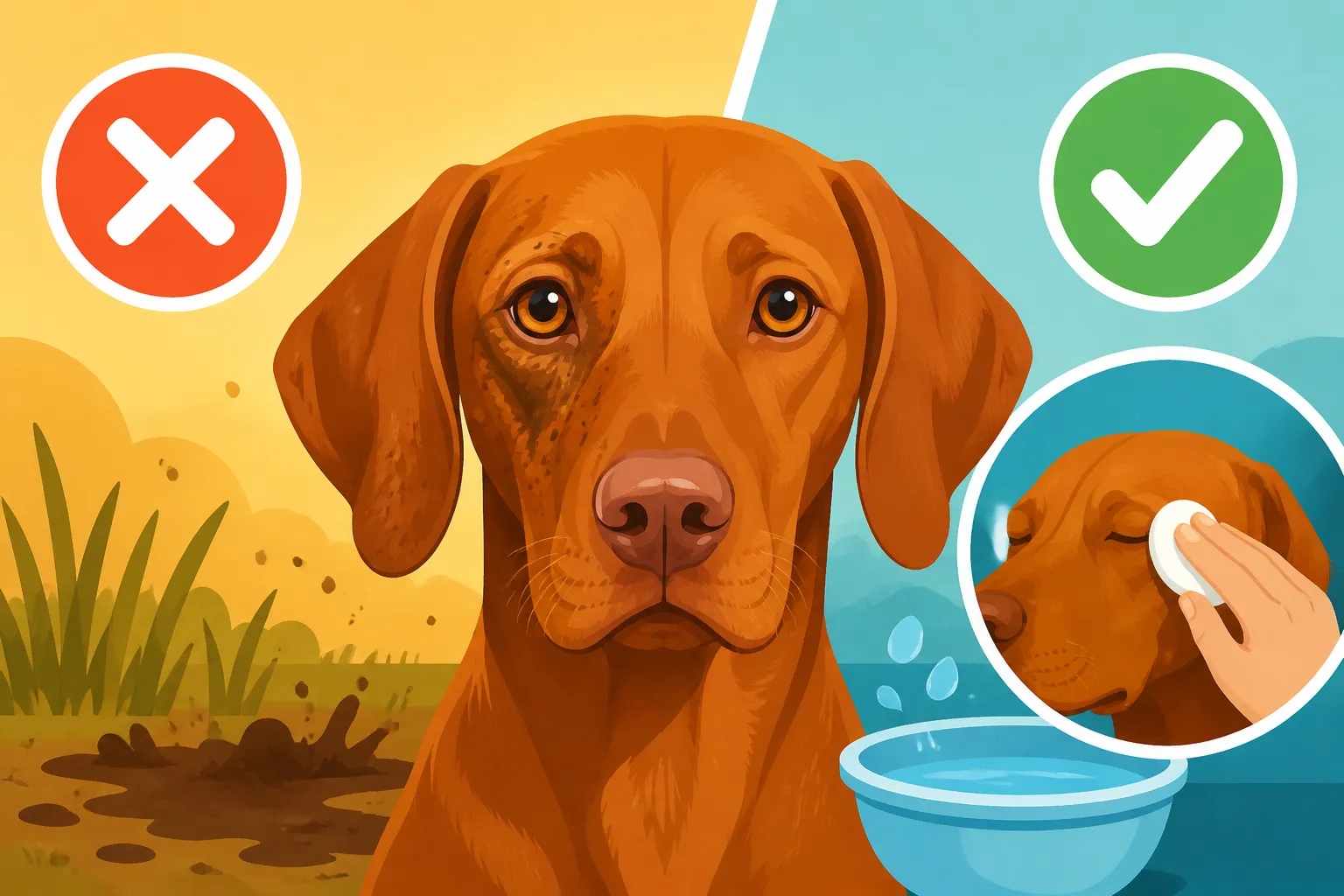
Imagine running face-first through a field of prickly weeds and tough, dry grass for hours on end. That’s essentially what your Vizsla does, and their eyes are right there, often at the leading edge. Tall grasses, especially those with sharp edges or seed heads, can cause constant, low-grade irritation. Each swish past the eye can deposit tiny particles of dust, pollen, or even microscopic bits of plant matter directly onto the surface of the eye or beneath the eyelids.
It’s not just the direct contact that’s an issue. As your Vizsla barrels through cover, they create a miniature dust storm around themselves. This dust can easily get into their eyes, causing dryness, redness, and discomfort. Unlike breeds with longer hair around their eyes that might offer a tiny bit of protection, the Vizsla's short, sleek coat leaves their eyes quite open to the elements. This constant barrage can lead to chronic irritation if not addressed, making their eyes more susceptible to infection down the line.
Environmental Irritants and Allergens
Beyond the physical contact of vegetation, the outdoor environment is packed with airborne irritants. Wind, especially on dry days, can whip up dust and fine sand, essentially sandblasting your dog’s eyes. This isn't just uncomfortable; it can lead to microscopic abrasions on the cornea, which are essentially tiny scratches that can become entry points for bacteria.
Then there are the allergens. Just like us, dogs can suffer from seasonal allergies. Pollen from various plants, mold spores, and even certain chemical sprays used on agricultural lands can cause itchy, watery, and inflamed eyes. You might not even realize it’s happening until you see your Vizsla rubbing their face raw trying to get relief. If you’re hunting in an area near farms, consider the possibility of agricultural chemicals that might be airborne or present on foliage, which could cause a much more severe reaction. It’s a silent threat you might not even consider when you’re focused on the hunt.
Foreign Bodies and Injury Risks
This is perhaps the most serious concern. While dust and pollen are irritating, a foreign body can be downright dangerous. Grass seeds are notorious culprits. These tiny, barbed seeds can easily work their way under an eyelid and, due to their shape, become firmly lodged. They won’t just fall out; they’ll continue to rub against the delicate surface of the eye, causing severe pain, scratching the cornea, and potentially leading to deep ulcers or even blindness if not removed promptly. It's similar to how Whether a Vizsla Gets Grass Seeds in Its Feet can be a huge problem, but in the eye, the stakes are even higher.
Other foreign bodies might include tiny twigs, burrs, or even insect stings. A small thorn from a rose bush or a burr from a thistle bush can easily get flicked into the eye. Imagine the panic and pain your dog would feel. These injuries aren't always immediately obvious, either. Your Vizsla, being the stoic hunter they are, might try to hide their discomfort. That’s why a thorough post-hunt check is so crucial; you don't want a small irritation to escalate into a costly emergency. Remember, What a Vizsla's Emergency Field Injury Costs can be substantial, and eye injuries often require specialist veterinary care.
The Signs Your Vizsla's Eyes Need Attention
Knowing when your Vizsla's eyes need more than a quick glance is paramount. They can't tell us in words that something is bothering them, so it's up to us to interpret their cues. Sometimes the signs are subtle, easily missed amidst the post-hunt excitement, while other times they scream for immediate intervention. Recognizing these indicators can make all the difference in preventing minor irritations from escalating into serious health problems. Vizslas are known for being tough and often Whether a Vizsla Hides Its Pain, so paying close attention to these signals is extra important.
Subtle Clues You Might Miss
After a long day of working the field, any dog might seem a little tired, but specific behaviors can point to eye discomfort. Look for frequent blinking or squinting. If your Vizsla is blinking rapidly or holding their eyes partially closed, it's a clear sign of irritation. They might also rub their face on the carpet, furniture, or even against your leg more than usual, attempting to alleviate the itch or discomfort.
Another common subtle sign is excessive tearing or watery eyes. This can be the body’s natural response to try and flush out an irritant, but if it persists, it indicates an ongoing problem. Slight redness in the white of the eye or along the eyelid margins can also be a quiet whisper of trouble. Perhaps your typically vibrant Vizsla seems a little less enthusiastic, or avoids direct eye contact, which could be an attempt to shield a painful eye from light. These are not always screaming emergencies, but they are certainly signals that warrant a closer look and likely a good rinse.
More Obvious Indicators of Trouble
When the signs become more overt, it’s time to take action. Any discharge from the eye, whether it’s clear and excessive, or takes on a cloudy, yellow, or greenish tint, is a significant red flag. Yellow or green discharge almost always points to an infection. Swelling around the eye, particularly the eyelids, indicates inflammation or a more severe reaction to an irritant or injury.
Holding one eye completely shut is a definite sign of pain and usually means a foreign body, a corneal scratch, or a significant infection. Your Vizsla might also become noticeably sensitive to light, preferring darker areas or turning their head away from bright light. If you can actually see a foreign object, like a grass seed or a burr, lodged in their eye or under the eyelid, then you have clear evidence of a problem that needs immediate attention.
When to Head Straight to the Vet
Some situations demand professional veterinary care without delay. If you suspect a puncture wound, for example, from a sharp twig or thorn, do not attempt to treat it yourself. These can be deep and cause lasting damage. Severe redness and swelling that develops rapidly or doesn't improve with a gentle rinse are also reasons to call your vet.
Persistent pain, indicated by constant pawing at the eye, incessant blinking, or the inability to open the eye, needs veterinary assessment. Any sudden change in vision, or if the eye itself appears cloudy, discolored, or has an obvious injury to the cornea (the clear outer layer), warrants an emergency visit. Don't wait to see if it improves, as eye injuries can deteriorate quickly and lead to permanent damage or even loss of the eye if not treated properly and promptly. It's always better to be safe than sorry, and an experienced veterinarian can quickly diagnose and address the issue. For general preventative care, remember Whether a Vizsla Needs a Yearly Eye Exam to catch issues before they become emergencies.
Here's a quick guide to help you decide:
| Sign of Eye Trouble | Possible Cause | Action Needed |
|---|---|---|
| Frequent blinking/squinting | Dust, mild irritation, dryness | Gentle rinse with sterile saline, monitor |
| Excessive tearing/watery | Irritant, mild allergy | Gentle rinse with sterile saline, monitor, consider allergy relief (vet advised) |
| Redness (mild) | Irritation, fatigue, mild allergy | Gentle rinse, monitor, consider environment |
| Rubbing face on objects | Itchiness, discomfort | Check for irritants, gentle rinse, if persistent, vet visit |
| Yellow/Green discharge | Bacterial infection | Immediate vet visit |
| Swelling around eye | Inflammation, injury, allergy | Vet visit needed (urgent if severe or rapid) |
| Holding eye completely shut | Pain, foreign body, severe injury | Immediate vet visit |
| Visible foreign object | Grass seed, burr, twig | Attempt gentle flush, if unsuccessful or lodged, immediate vet visit |
| Cloudy appearance of eye | Corneal injury, internal issue | Immediate vet visit |
| Puncture wound | Sharp object injury | Emergency vet visit – do not touch! |
Practical Steps for Post-Field Eye Care
So, you’ve had an amazing day chasing pheasants or pointing quail, and your Vizsla is pooped but happy. Now comes the critical post-field care that can prevent little nuisances from turning into big problems. Proactive eye care is a small investment of time that pays huge dividends in your Vizsla's comfort and long-term health. It's just as important as Checking a Vizsla Over After a Hunt for cuts and scrapes on their The Thin Skin a Vizsla Takes Into the Field.
The Gentle Art of Rinsing Your Vizsla's Eyes
Rinsing your Vizsla's eyes after a day in the field is a simple yet incredibly effective preventative measure. The key word here is "gentle." You don't want to add to any potential irritation or make the experience stressful for your dog.
First, what to use: The absolute best option is a sterile saline eye wash specifically formulated for dogs. These are isotonic, meaning they have a salt concentration similar to your dog’s natural tears, so they won’t sting or cause further irritation. You can find these easily at pet stores or online retailers like Chewy or Amazon. In a pinch, if you're out in the middle of nowhere and need to rinse something out immediately, plain, clean, lukewarm water can be used, but it's not ideal for regular use as it can dry out the eye over time. Never use human eye drops that contain medication unless specifically instructed by your vet.
Second, how to do it:
- Get comfortable: Find a calm spot. You might need a second person to gently hold your Vizsla, or if they're used to it, you might manage alone. Speak in a soothing voice.
- Open the eye gently: With one hand, gently hold your Vizsla's head steady and use your thumb and forefinger to hold the eyelids open without putting pressure on the eyeball itself.
- Apply the wash: Hold the bottle of sterile saline a couple of inches above the eye and squeeze a steady stream across the entire surface of the eye, starting from the inner corner and working towards the outer corner. The goal is to flush out any debris. Don't be shy; you need enough liquid to really rinse.
- Repeat if necessary: You might need to do this for both eyes, even if only one seems irritated, as dust and pollen tend to affect both.
- Wipe gently: Use a clean, soft cloth or cotton pad to gently wipe away any excess liquid or loosened debris from around the eye.
The trick is to make it a positive experience. Offer praise and a treat afterwards. Over time, your Vizsla will learn that this routine brings relief and isn't something to fear. If your Vizsla is resistant or shows significant pain, stop immediately and seek veterinary advice.
Products and Tools for Eye Health
Having the right supplies on hand makes post-field eye care much easier.
- Sterile Saline Eye Wash: As mentioned, this is your primary tool. Brands like Vetericyn often offer excellent dog-specific eye washes that are safe and effective for flushing out irritants. Keep a bottle in your What a First Aid Kit for a Hunting Vizsla Holds and another at home.
- Soft, Clean Cloths or Cotton Pads: Dedicated eye wipes or soft, lint-free cloths are essential for gently wiping away debris or discharge without introducing new fibers or germs. Avoid using rough towels or tissues that can leave bits behind.
- Dog Goggles/Eye Protection: For Vizslas working in extremely dense, thorny cover, or in very dusty or windy conditions, protective eyewear might be a consideration. Brands like Rex Specs make goggles specifically for dogs that can help shield their eyes from physical trauma and environmental irritants. While it takes training for a dog to accept them, they can be invaluable in certain situations. It’s not for every Vizsla, but for those in harsh environments, it's worth exploring.
Remember, resisting the urge to use human eye drops or solutions unless directed by your vet is crucial. Many human products contain ingredients that can be harmful or irritating to a dog's much more sensitive eyes.
Establishing a Routine for Prevention
Consistency is key in maintaining your Vizsla’s eye health. Make eye checks and rinses a regular part of your post-hunt routine.
- Daily Visual Checks: Even on non-hunting days, take a moment to look at your Vizsla's eyes. Are they bright and clear? Are there any signs of redness, discharge, or squinting? This habit helps you recognize what "normal" looks like and spot issues early.
- Pre- and Post-Field Rituals: Before heading out, a quick wipe around the eyes can clear any overnight sleep crusties. After a hunt, a thorough check for foreign bodies, followed by a sterile saline rinse, should be non-negotiable. This not only cleanses but also helps soothe any minor irritation from the day's exertions.
- Consider Trimming Hair (Rarely for Vizslas): While Vizslas typically have very short hair around their eyes, some may have slightly longer wisps that can occasionally irritate. If this is the case, very carefully trimming just those stray hairs can help, but generally, this isn't a significant concern for the breed. Always use blunt-nosed scissors and extreme caution, or have a professional groomer do it.
By integrating these practices, you're not just reacting to problems; you're actively preventing them, ensuring your Vizsla enjoys many more years of clear-sighted adventures.
Broader Eye Health and Long-Term Considerations
Beyond the immediate post-field care, a Vizsla's overall eye health is influenced by a range of factors, from their diet to their genetics. Thinking about the bigger picture ensures that you're supporting their vision and comfort for their entire The Twelve to Fourteen Years a Vizsla Lives. It's about providing holistic care that extends beyond just rinsing out dust after a pheasant hunt.
Nutrition and Eye Health
You might not immediately connect what’s in your Vizsla’s food bowl with the sparkle in their eyes, but nutrition plays a vital role in long-term eye health. Antioxidants, like vitamins C and E, beta-carotene, and lutein, are crucial for protecting the delicate cells of the eyes from oxidative damage. Think of them as tiny internal shields.
Omega-3 fatty acids, particularly DHA and EPA, found in fish oil, are also incredibly beneficial. These healthy fats are essential components of retinal cells and support overall eye function, helping to reduce inflammation throughout the body, including the eyes. If your Vizsla is prone to dry eyes or general inflammation, increasing their intake of these beneficial nutrients can make a noticeable difference.
Many high-quality dog foods, especially those designed for active breeds, are fortified with these nutrients. If you're feeding a fresh food diet, like options from Ollie, or a premium kibble you sourced from Chewy, you're likely already providing a good foundation. However, you might want to consider supplements, especially fish oil. Whether a Vizsla Needs Fish Oil is a common question, and for eye health, the answer is often yes. Always discuss supplementation with your veterinarian to ensure appropriate dosages.
Regular Vet Checks and Breed-Specific Concerns
Routine veterinary check-ups are non-negotiable for maintaining your Vizsla's eye health. Your vet can spot subtle changes that you might miss, and they have the tools to perform comprehensive eye examinations. This includes checking for signs of infection, corneal abrasions, and assessing overall eye structure.
Vizslas, like all purebred dogs, can be prone to certain inherited eye conditions. While direct field injuries are acute, genetic predispositions are long-term concerns. For example, some Vizslas can be susceptible to Whether a Vizsla Gets Entropion, where the eyelid rolls inward, causing eyelashes to rub against the cornea. Others might be at risk for conditions like Progressive Retinal Atrophy (PRA), which can lead to blindness. Early detection is key for managing these conditions, and your vet can advise on screening tests or specialist referrals if needed. Regularly checking your dog's eyes is part of Eye Disease in a Vizsla prevention and management.
It’s always a good idea to discuss your Vizsla’s lineage with your breeder and vet, especially if you know there are specific eye conditions in their family tree. This allows for proactive monitoring and early intervention.
Protective Gear for the Serious Hunter
For the Vizsla owner whose dog spends countless hours in dense, thorny, or extremely dusty environments, specialized protective gear can be a game-changer. Dog goggles, often referred to as Doggles or other brands like Rex Specs, are designed to shield your dog’s eyes from physical trauma, UV rays, wind, and debris.
Pros of Dog Goggles:
- Physical Protection: Guards against thorns, sharp branches, and flying debris that can cause severe corneal injuries.
- Environmental Shield: Protects from dust, sand, wind, and even intense sunlight, reducing irritation and potential long-term damage.
- Specialized Use: In scenarios where your Vizsla is Whether a Vizsla Works Water frequently, some goggles can even provide protection against waterborne irritants.
Cons and Considerations:
- Acceptance Training: Most dogs need time and positive reinforcement to accept wearing goggles. Start with short durations in a calm environment and gradually increase wear time. Treats and praise are your best friends here.
- Visibility: Ensure the goggles fit well and don't impede your Vizsla's field of vision, particularly their peripheral sight, which is crucial for hunting.
- Heat Retention: In hot weather, goggles can potentially trap heat around the eyes. Monitor your dog closely for signs of overheating.
Ultimately, whether protective eyewear is necessary depends on your specific hunting conditions and your Vizsla’s individual tolerance. For many, a diligent post-field rinse is sufficient, but for those pushing the limits in challenging terrain, goggles can offer an invaluable layer of protection, preventing serious and painful eye injuries that could sideline your hunting companion.
Disclaimer
This article is for general informational purposes only and does not constitute professional advice. Laws, prices and regulations vary by location and change over time. Consult a qualified professional for guidance on your specific situation.