Whether a Vizsla Needs Its Dewclaws Watched
It’s easy to overlook those seemingly random extra nails on your Vizsla’s paws, the ones often tucked away on the inner side of their legs. Many new Vizsla owners, and even some experienced ones, might not realize that these "dewclaws" aren't just cosmetic curiosities but can be a real source of pain and trouble if not properly managed. This guide will walk you through everything you need to know about your Vizsla's dewclaws, why they need your watchful eye, and how to keep your energetic companion comfortable and injury-free.
Understanding Your Vizsla's Dewclaws: More Than Just an Extra Toe
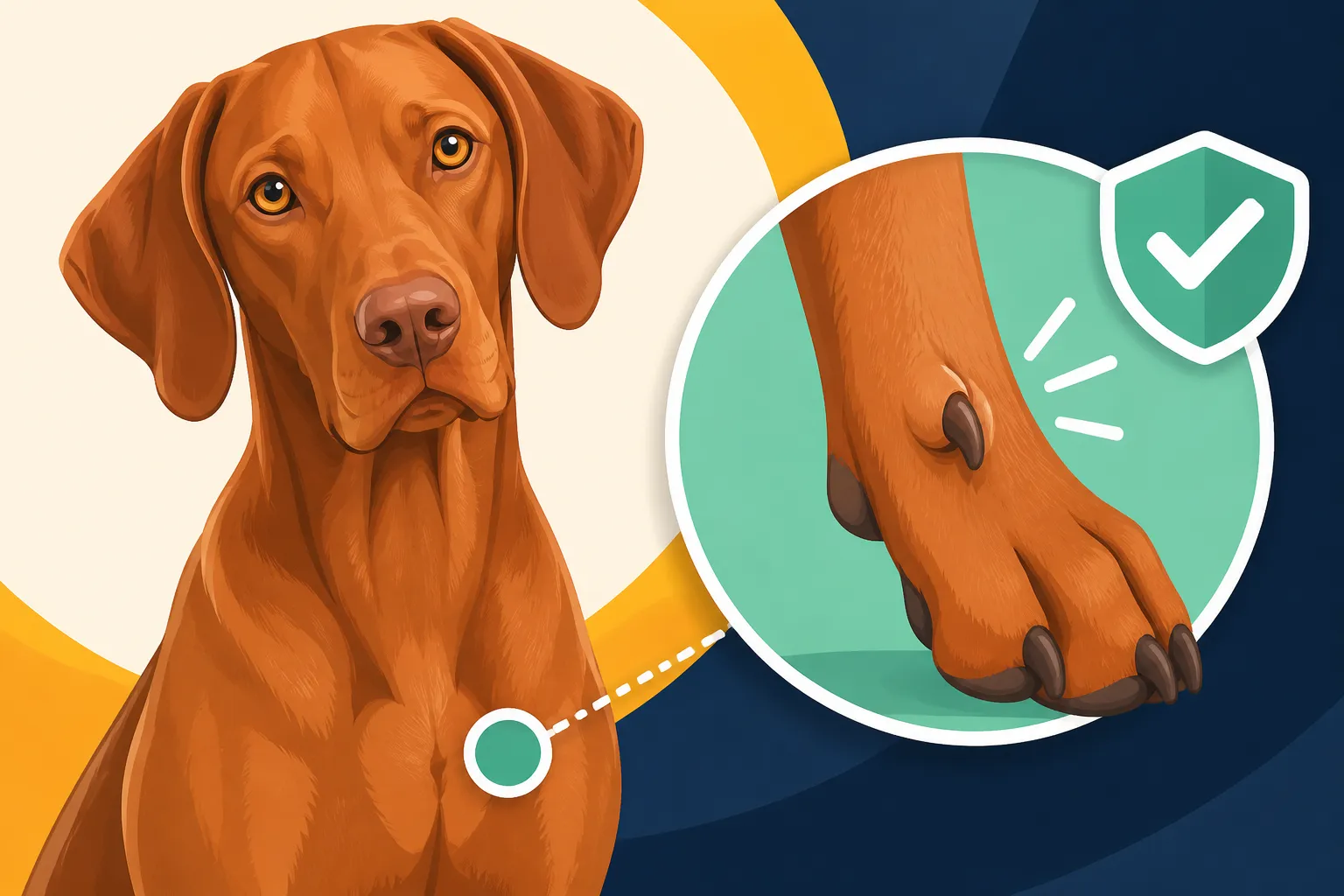
When you look at your Vizsla's paws, you'll typically notice four main toes and claws on each foot. Then, if you look a little higher up on the inside of their front legs, you'll see what looks like a fifth digit – that's the dewclaw. For some Vizslas, you might even find them on the rear legs, though this is less common and sometimes they're only loosely attached by skin.
The Anatomy of a Vizsla's Dewclaw
Most Vizslas have dewclaws on their front legs. These are typically attached by bone, making them a functional part of the limb, albeit a higher one. Think of it like a thumb, though dogs don't use them in the same way we do. These front dewclaws have a nail just like the others, complete with a quick (the sensitive part containing blood vessels and nerves). Because they sit higher and don't make contact with the ground during normal walking or running, they don't wear down naturally like the other nails do. This is a crucial point many owners miss.
Rear dewclaws are a bit different. While some breeds are expected to have them and they might even be double, in Vizslas, they are less common and often considered a genetic anomaly if present. When they do appear on the rear legs, they are frequently what we call "vestigial" – meaning they might only be attached by skin and not directly by bone. This makes them even more prone to snagging and tearing because they lack the structural support of a bony attachment. It's like a little loose flap waiting for trouble.
The Purpose or Lack Thereof of Dewclaws in an Active Vizsla
Historically, dewclaws are thought to have provided some benefit to ancestral dogs for climbing or gaining traction on uneven terrain. For instance, when a dog runs at high speed or makes sharp turns, the dewclaw can actually make contact with the ground, offering extra grip. Some dogs also use them to hold bones or toys more effectively. Think of your Vizsla in full sprint, making a tight turn while chasing a bird; that dewclaw might just provide a tiny bit of stabilization.
However, for most domestic dogs, including our beloved Vizslas, the practical purpose of dewclaws in everyday life or even hunting isn't as pronounced as it once was. While a Vizsla's natural athleticism means they might occasionally engage these claws during extreme maneuvers in the field, they don't rely on them for daily mobility. Their high energy levels and propensity for tearing through dense cover mean that the risks associated with dewclaws often outweigh any potential functional benefits. This is especially true for the loosely attached rear dewclaws, which truly offer little to no advantage.
The Silent Threats: Why Vizsla Dewclaws Demand Attention
Because Vizslas are such active dogs, constantly running, jumping, and exploring, their dewclaws are surprisingly vulnerable. Unlike their ground-contacting nails, dewclaws don't get natural wear and tear, leading to overgrowth. And their placement higher on the leg makes them prone to getting caught on things, turning a simple run through the woods into a painful emergency.
Ingrown Nails and Overgrowth: A Silent Agony
The most common issue with neglected dewclaws is simple overgrowth. Since they don't touch the ground, they just keep growing. Imagine your own fingernails never being trimmed – eventually, they'd curl around and start digging into your skin. It's the same for a Vizsla's dewclaw. As the nail grows longer and longer, it starts to curve, eventually forming a spiral. That sharp tip can then embed itself into the soft pad behind the dewclaw or even into the leg itself.
This isn't just uncomfortable; it's excruciatingly painful. An ingrown dewclaw can cause:
- Constant pain: Every step becomes a source of discomfort.
- Infection: The skin around the embedded nail can become inflamed, infected, and abscessed. This leads to swelling, pus, and a truly foul smell.
- Limping: Your Vizsla might start to favor the affected leg, trying to alleviate the pressure, which impacts their natural gait and desire to run.
- Behavioral changes: A dog in chronic pain might become withdrawn, irritable, or even snap if the paw is touched. You know how stoic Vizslas can be sometimes, Whether a Vizsla Hides Its Pain can make it hard to spot until the problem is severe.
It's a silent agony because the initial stages might not be obvious, especially with a dog as determined to please and as active as a Vizsla. They might just push through the discomfort until it's too much to bear.
Tears, Snags, and Accidental Injuries in the Field
Beyond overgrowth, dewclaws are prime candidates for traumatic injury, particularly for a hunting breed like the Vizsla. Their innate drive to range and explore, often through dense undergrowth, tall grasses, or rugged terrain, puts these claws at significant risk. The dewclaw can easily catch on:
- Branches or twigs: A stray branch can snag the claw during a fast run.
- Thick brush: Pushing through heavy cover can twist or tear the dewclaw.
- Fencing or wire: Jumping over or pushing through fences can easily catch the nail.
- Ice or frozen ground: Running on uneven, frozen surfaces can lead to awkward steps and snags.
When a dewclaw snags, it can result in a partial tear, a complete avulsion (where the entire claw is ripped off), or a fracture of the underlying bone. These injuries are incredibly painful, bleed profusely, and often require veterinary attention. Imagine slicing your finger open – that's the kind of acute pain your Vizsla experiences. You might be out in the field and suddenly your dog lets out a yelp, stops, and starts holding up a paw. What a Vizsla cuts itself on while hunting can sometimes be something as simple as a dewclaw snag. Given The Thin Skin a Vizsla Takes Into the Field, any minor injury can become more complicated quickly. Prompt care is essential to prevent infection and ensure proper healing.
Proactive Care: Keeping Your Vizsla's Dewclaws Healthy
The good news is that preventing dewclaw problems is relatively simple with consistent, proactive care. It mostly boils down to regular maintenance and being mindful of your Vizsla's activities.
Regular Trimming and Nail Maintenance
The single most important step in dewclaw care is regular trimming. Since these nails don't wear down naturally, you need to do it for them. Aim to trim your Vizsla's dewclaws every 2-4 weeks. If you’re not sure, look at the nail: if it’s starting to curve inward or is getting long enough to potentially snag, it’s time for a trim.
Here's how to approach it:
- Tools: Invest in a good quality pair of dog nail clippers or a Dremel-style rotary tool. Many owners find a Dremel less intimidating for the quick, as it grinds the nail down slowly. You can find excellent options on Amazon or Chewy.
- Technique: Only trim the very tip of the nail, being careful to avoid the quick. The quick is the pink part inside the nail (on lighter nails) or where the nail thickens towards the paw. Cutting the quick is painful and will cause bleeding. If you're nervous, just take off tiny bits at a time.
- Positive Reinforcement: Make nail trims a positive experience. Offer lots of praise and high-value treats (like those yummy soft training treats from Ollie) before, during, and after. Start early with puppies so they get used to having their paws handled.
- Professional Help: If you're truly uncomfortable or your Vizsla is resistant, don't hesitate to ask your vet or a professional groomer to do it. They can also show you the ropes so you can eventually take over. It’s a small investment for your dog’s comfort and well-being.
Protective Measures for the Active Vizsla
Beyond trimming, there are steps you can take to protect your Vizsla's dewclaws, especially if they are heavily involved in hunting or other outdoor activities that take them into rough terrain.
- Paw Protection: Consider using dog boots when taking your Vizsla into particularly dense brush, rocky landscapes, or areas with thorns and sharp debris. While not every dog loves wearing boots, they offer excellent protection against snags and cuts, not just for dewclaws but for pads too. Whether a Vizsla Needs Boots in Winter might cover some good options that also work for field protection. Introduce boots slowly and positively, letting your dog wear them for short periods at first.
- Post-Hunt Checks: After every hunt or vigorous outdoor adventure, make it a habit to thoroughly inspect your Vizsla's paws and legs, paying close attention to the dewclaws. Checking a Vizsla Over After a Hunt is a critical step for preventing minor scrapes from becoming major issues. Look for redness, swelling, nicks, or any signs of a torn or twisted nail.
- First Aid Kit: Always have a well-stocked first aid kit handy, especially when out in the field. What a First Aid Kit for a Hunting Vizsla Holds should definitely include items for paw injuries like styptic powder (to stop bleeding from a nail), antiseptic wipes, and vet wrap. Quick action can prevent complications and make your dog more comfortable until you can get to a vet if needed.
- Awareness of Environment: Be mindful of the environments where your Vizsla runs. If you know an area has sharp debris, barbed wire, or extremely dense thickets, take extra precautions or choose a different route. This isn't about limiting their fun, but about smart, safe enjoyment of their active lives. Remember, What a Vizsla Needs Every Day includes appropriate, safe exercise.
| Dewclaw Care Aspect | Description | Frequency/Action | Benefits | Risks of Neglect |
|---|---|---|---|---|
| Trimming | Shortening the nail to prevent overgrowth. | Every 2-4 weeks. More often if nails grow quickly. | Prevents ingrown nails, maintains comfort, reduces snagging risk. | Painful ingrown nails, infection, reluctance to walk, behavioral changes. |
| Inspection | Visually checking the dewclaw and surrounding skin. | Daily or after every outdoor activity, especially hunting. | Early detection of minor injuries, redness, swelling, or signs of snagging. | Minor injuries escalate to infections; hidden pain, more extensive vet treatment needed. |
| Protection (Boots) | Covering the paws with protective dog boots. | When traversing rough terrain, dense brush, icy conditions, or fields with known hazards. | Shields dewclaws from snags and tears, protects paw pads. | Injury from thorns, sharp objects, barbed wire; extreme pain and bleeding. |
| First Aid Preparedness | Having supplies readily available for immediate treatment. | Always carry a kit on hunts/long walks. | Rapid response to cuts, tears, or bleeding; prevents infection and minimizes discomfort until vet care. | Untreated wounds can lead to severe infection, prolonged pain, emergency vet visits. |
| Environmental Awareness | Being mindful of potential hazards in the areas where your Vizsla exercises. | Before and during walks/hunts. | Proactive avoidance of high-risk areas or taking extra precautions. | Unforeseen traumatic injuries from hidden hazards. |
When Things Go Wrong: Dealing with Dewclaw Injuries and Complications
Even with the best preventative care, accidents can happen. When a dewclaw injury occurs, knowing what to look for and when to seek veterinary help is crucial for your Vizsla's quick recovery.
Identifying Signs of Trouble
Your Vizsla is a resilient dog, but a dewclaw injury is usually quite apparent and can be distressing for both of you. Be on the lookout for these signs that indicate a problem with a dewclaw:
- Limping or favoring a leg: This is often the first visible sign. Your dog might hold the paw up or avoid putting weight on it.
- Licking or chewing at the paw: Excessive attention to one paw, especially the area around the dewclaw, suggests discomfort or pain.
- Swelling or redness: Inflammation around the dewclaw indicates irritation, injury, or infection.
- Bleeding: A torn or broken dewclaw will often bleed, sometimes quite heavily. This is alarming and needs immediate attention.
- Discharge or foul odor: These are clear signs of an infection, especially if the nail has become ingrown.
- Pain on touch: If your Vizsla yelps, pulls away, or even growls when you try to examine the dewclaw, they are in pain.
- Visible changes to the nail: The nail might be bent, cracked, broken, or hanging loosely.
If you notice any of these symptoms, especially if your Vizsla is actively bleeding or showing signs of significant pain, it's time to act quickly.
Vet Visits, Sedation, and Possible Removal
For an injured dewclaw, a trip to the veterinarian is almost always necessary. Here's what you can expect:
- Assessment and Cleaning: The vet will examine the injury to determine its severity. They'll clean the wound thoroughly to prevent infection. This might involve shaving hair around the area.
- Pain Management: Pain relief is a top priority. Your vet will likely provide pain medication to make your Vizsla more comfortable.
- Sedation: For a painful or severely torn dewclaw, your vet might need to sedate your Vizsla to properly clean, trim, or remove the damaged part of the nail or dewclaw. It’s hard enough to get a dog to stay still for a routine trim, let alone when they’re hurting. Whether a Vizsla Tolerates Anesthesia Well is a good discussion to have with your vet, though generally, healthy Vizslas do fine.
- Treatment for Torn/Broken Dewclaws: If the nail is partially torn but still attached, it might need to be trimmed back to prevent further snagging. If it's completely ripped off, the remaining tissue will need careful cleaning and possibly a bandage to protect it as it heals. Antibiotics might be prescribed to prevent or treat infection.
- Addressing Ingrown Nails: For severely ingrown nails, the vet will carefully trim the embedded nail out of the paw pad and treat any infection. This often provides immediate relief.
- Prophylactic Removal: This is a more complex decision. Some owners opt to have dewclaws surgically removed (dewclawectomy) to prevent future injuries. This is often done when a dog is young, sometimes during spay/neuter surgery, or if a dog has suffered multiple traumatic dewclaw injuries. It involves surgically removing the entire digit. This decision should always be made in consultation with your veterinarian, weighing the risks of surgery and recovery against the ongoing risk of injury for your individual Vizsla. The recovery period involves bandages and restricted activity, and like any surgery, it comes with potential complications, though usually minor.
Managing your Vizsla’s dewclaws is just one part of being a responsible owner for such an active and sensitive breed. Consistent care saves a lot of heartache and expense down the line.
Disclaimer
This article is for general informational purposes only and does not constitute professional advice. Laws, prices and regulations vary by location and change over time. Consult a qualified professional for guidance on your specific situation.