Whether a Vizsla Can Eat Raw
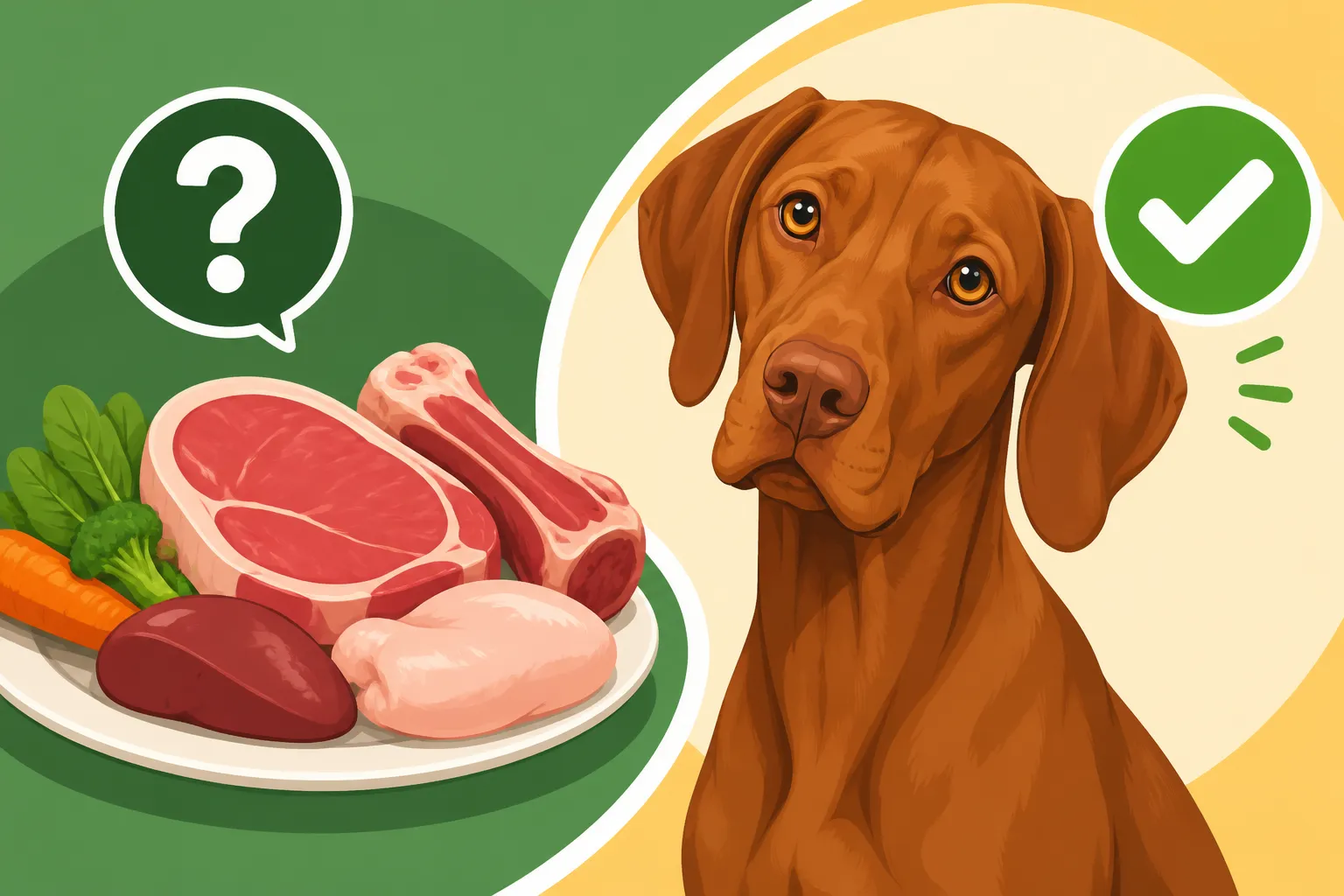
It's a question many Vizsla owners ponder: should my active, energetic companion be eating a raw diet? The idea of feeding our dogs something closer to what their wild ancestors might have eaten can be incredibly appealing, especially when we're constantly striving for the best health and performance for our beloved, high-drive Vizslas. However, stepping into the world of raw feeding for your Vizsla isn't a simple leap of faith; it's a journey filled with passionate advocates, staunch critics, and a lot of conflicting information. This guide aims to cut through the noise, offering a realistic look at the pros, cons, and crucial considerations for feeding your Vizsla a raw diet.
Understanding the Raw Feeding Debate for Vizslas
The conversation around raw diets for dogs, often referred to as Biologically Appropriate Raw Food (BARF) or Prey Model Raw (PMR), has gained significant traction over the past couple of decades. For Vizsla owners, who are often deeply invested in their dog's athletic capabilities and overall well-being, the allure of a "natural" diet is particularly strong. But what exactly drives this interest, and what are the main points of contention?
The Philosophy Behind Raw Feeding
At its heart, the raw feeding philosophy is based on the idea that dogs, being descended from wolves, are anatomically and physiologically designed to thrive on uncooked meat, bones, and organs, potentially supplemented with some fruits, vegetables, and other natural ingredients. Proponents argue that the digestive systems of dogs are still very much like those of their wild relatives, capable of handling bacteria and extracting nutrients from raw, unprocessed foods more efficiently than from highly processed kibble.
The argument suggests that cooking denatures proteins and destroys beneficial enzymes and probiotics found in raw ingredients, reducing their bioavailability. By feeding raw, owners aim to provide nutrients in their most natural, unaltered state, believing this unlocks optimal health benefits. It's a return to basics, away from what some see as an overly commercialized and artificial pet food industry.
Why Owners Consider Raw Diets for Vizslas
Vizslas are known for their incredible energy, lean muscle, and often, sensitive systems. This combination makes many owners hyper-aware of what goes into their dog's bowl. When people consider raw feeding for their Vizsla, they're often looking to address specific issues or enhance certain aspects of their dog's health and performance.
One of the most common drivers is skin and coat health. Vizslas have The Single Coat a Vizsla Has and Why It Changes Everything, a fine, short coat that can easily show signs of dietary deficiencies or allergies. Owners hoping to achieve that signature silky, gleaming Vizsla coat often turn to raw diets, anecdotally reporting significant improvements. Digestive issues, such as chronic loose stools, gas, or allergies, are another frequent concern. Many Vizslas seem to have Whether a Vizsla Has a Sensitive Gut, and owners hope that a less processed diet will be easier on their system, leading to more consistent and healthier stool.
Beyond these specific health concerns, there's a strong desire to fuel their active hunting or sport dogs optimally. Vizslas burn an incredible amount of energy, and owners want to ensure they're receiving the best possible fuel for sustained performance, strong muscles, and quick recovery. There's a belief that raw food provides a more nutrient-dense energy source, leading to better stamina and overall vitality in these tireless athletes. Owners also often find themselves researching "what a Vizsla needs every day" when considering changes to their dog's diet.
Common Concerns and Skepticism
Despite the glowing testimonials, the raw feeding movement isn't without its detractors, and for good reason. The primary concerns often revolve around safety and nutritional completeness. Many veterinarians, while open to discussing various dietary options, often express caution about raw diets due to the potential for bacterial contamination, like Salmonella or E. coli, which can affect both the dog and the humans handling the food. The thought of bringing raw meat into a household, especially one with children or immunocompromised individuals, raises legitimate hygiene worries.
Another significant area of skepticism is the ability of an average owner to create a truly balanced raw diet. It's not as simple as throwing a steak in a bowl. Dogs require a precise balance of calcium, phosphorus, vitamins, and minerals. An improperly formulated raw diet can lead to severe nutritional deficiencies or excesses, potentially causing long-term health problems. Many commercial kibbles, by contrast, are formulated to meet AAFCO (Association of American Feed Control Officials) nutritional guidelines, offering a seemingly "complete and balanced" option with less effort on the owner's part. The responsibility of ensuring a complete nutritional profile weighs heavily on the raw feeder.
Potential Benefits of a Raw Diet for Your Vizsla
For those who navigate the complexities successfully, the benefits of a well-executed raw diet for a Vizsla can be quite compelling. Owners often report a noticeable difference in their dogs once they transition, attributing various positive changes to the switch.
Improved Coat and Skin Health
One of the most frequently cited benefits of a raw diet is the dramatic improvement in skin and coat condition. Vizslas are already known for their beautiful, sleek coats, but a raw diet can take it to the next level. Owners often describe the coat becoming shinier, softer, and more vibrant in color. The shedding, while still present as Vizslas do shed Whether a Vizsla Sheds All Year, may become less noticeable or the hair itself may feel healthier.
This improvement is often attributed to the high-quality, easily digestible fats and proteins found in raw meat, as well as the presence of natural enzymes and omega fatty acids that are preserved when not cooked. These nutrients are vital for skin elasticity, reducing dryness, and promoting a healthy hair follicle. For Vizslas prone to dry skin or minor irritations, a raw diet might reduce itchiness and lead to a generally healthier skin barrier, particularly given The Thin Skin a Vizsla Takes Into the Field.
Better Digestion and Stool Quality
Many Vizsla owners struggle with their dog's sensitive stomachs, often characterized by loose stools, excessive gas, or frequent bowel movements. A properly balanced raw diet can often lead to remarkable improvements in digestive health. The argument here is that raw food, being less processed and containing natural enzymes, is easier for a dog's digestive system to break down and absorb nutrients from.
Owners commonly report smaller, firmer, and less odorous stools. This isn't just a pleasant side effect; it's an indicator that the dog's body is efficiently absorbing nutrients and producing less waste. Reduced gas and fewer instances of upset stomach are also common observations. For a Vizsla who might have suffered from chronic digestive woes on kibble, this can be a life-changing improvement, both for the dog and the owner who no longer has to clean up as often. These benefits can sometimes even reduce the need for Whether a Vizsla Needs Fish Oil For Its Skin or other digestive supplements if the diet is well-balanced.
Enhanced Energy Levels and Muscle Tone
Vizslas are bundles of energy, but a raw diet can sometimes refine that energy, offering more sustained stamina rather than jittery bursts. Many owners observe their dogs having more consistent energy throughout the day, whether it's for a long hunt, a demanding training session, or just general play. This isn't necessarily about making an already energetic Vizsla more energetic, but rather optimizing their endurance and recovery.
The high-quality protein in raw meat contributes directly to lean muscle mass development and maintenance. For a working Vizsla, this can be incredibly important for preventing injuries and supporting their athletic frame. Owners often notice better muscle definition and a more athletic physique. This ties into the concern many owners have about Keeping Weight On a Working Vizsla, as a nutrient-dense raw diet can help maintain optimal body condition even with intense activity.
Risks and Challenges of Raw Feeding a Vizsla
While the potential benefits are alluring, it's crucial to approach raw feeding with a clear understanding of the significant risks and challenges involved. This isn't a decision to be made lightly, and proper education and execution are paramount to avoid unintended harm.
Nutritional Imbalance and Deficiency
This is arguably the biggest concern for any dog on an unsupervised raw diet. Dogs have specific nutritional requirements for growth, maintenance, and activity. Simply feeding raw meat from the grocery store, or even a basic "meat and bone" diet, is highly likely to lead to imbalances over time. For example, an improper calcium-to-phosphorus ratio can lead to bone issues, particularly in growing puppies. Deficiencies in essential vitamins and trace minerals can manifest in various health problems ranging from coat issues to organ dysfunction.
It's a common misconception that dogs will naturally balance their diet if given variety. While there's an element of truth to that in the wild, domestic dogs don't have the same diverse access to prey animals and plant materials. Owners must carefully calculate and source the correct ratios of muscle meat, organs (like liver and kidney), and bone, often requiring the addition of supplements for certain vitamins and minerals. The task of formulating a nutritionally complete and balanced raw diet that meets AAFCO guidelines is complex and requires significant research or the guidance of a veterinary nutritionist. Without this careful attention, you could inadvertently be doing more harm than good, potentially leading to issues such as Thyroid Failure in a Vizsla or Whether a Vizsla Gets Immune Mediated Anemia down the line, as nutrition plays a role in overall health.
Bacterial Contamination Risks
The presence of harmful bacteria like Salmonella, E. coli, Listeria, and Campylobacter in raw meat is a well-documented concern. While dogs' digestive systems are generally more acidic and shorter than humans', providing some protection, they are not immune to these pathogens. Dogs can get sick from bacterial contamination, leading to gastrointestinal upset, severe diarrhea, or more serious systemic infections.
Beyond the dog's health, there's a significant zoonotic risk – meaning the bacteria can transfer from the dog or its food to humans. This can happen through direct contact with contaminated food, surfaces, or even the dog's saliva or feces. Children, the elderly, and immunocompromised individuals in the household are particularly vulnerable. Even if the dog itself doesn't show symptoms, it can shed bacteria in its stool, posing a risk to anyone cleaning up. This risk necessitates extremely strict hygiene protocols, including dedicated cutting boards, thorough cleaning of bowls, and meticulous handwashing, which adds a considerable layer of work to meal prep.
The Practicalities and Cost
Let's be real, raw feeding isn't for everyone's lifestyle or budget. Sourcing high-quality, human-grade raw ingredients can be time-consuming and expensive. You're essentially buying groceries for another member of the family, but they eat a lot of meat! Many owners turn to online retailers like Chewy or specialized raw food companies like Ollie for pre-portioned, balanced meals, but these convenience options often come with a higher price tag than traditional kibble. Storing large quantities of raw meat also requires significant freezer space.
Preparing raw meals from scratch demands dedication. It involves portioning, grinding (if you include bone), balancing ingredients, and maintaining strict hygiene to prevent contamination. This daily ritual can be a substantial time commitment, especially if you have multiple dogs or a very busy schedule. For many, the practical aspects alone are enough to make them reconsider, as they add significantly to What a Vizsla Costs a Year to Keep.
How to Approach Raw Feeding Safely and Responsibly
If, after considering the benefits and risks, you still feel raw feeding is the right path for your Vizsla, it is absolutely essential to approach it with careful planning, education, and professional guidance. This isn't a DIY project to be taken lightly.
Consulting Your Veterinarian
Before making any drastic changes to your Vizsla's diet, your first and most critical step should be to consult your veterinarian. Be prepared for them to express concerns, as many vets are trained primarily on commercially prepared, AAFCO-certified diets and are rightly cautious about the risks associated with raw feeding. However, a good vet will be willing to discuss your motivations and help you explore the safest options.
Ideally, seek out a vet who has experience or a positive stance on raw feeding, or who is willing to educate themselves alongside you. They can help assess your Vizsla's individual health needs, discuss potential underlying conditions (such as Whether a Vizsla Gets Pancreatitis or Whether a Vizsla Gets Colitis) that might be impacted by a diet change, and guide you on appropriate nutrient levels. They can also advise on necessary supplements and monitoring protocols, including regular What a Vizsla's Yearly Checkup Costs and blood tests, to ensure your Vizsla remains healthy and nutritionally sound. Never start a raw diet without professional veterinary input.
Sourcing Quality Ingredients
The quality of your ingredients directly impacts the safety and nutritional value of your Vizsla's raw diet. Don't skimp here. Aim for human-grade meats from reputable sources. This means avoiding meat intended solely for pet consumption, which may not meet the same safety and quality standards as meat for human consumption.
Look for local butchers who can provide fresh, often locally sourced, cuts and organ meats. Some grocery stores also offer suitable options. If you're buying commercially prepared raw food, research the brand thoroughly. Look for companies that follow strict safety protocols, perform bacterial testing, and clearly list their ingredients and nutritional analysis. Brands like Chewy often carry a variety of commercial raw food options, and services like Ollie deliver fresh, human-grade, pre-portioned meals directly to your door, simplifying the process while aiming for balance.
Ensuring Proper Balance and Supplementation
Achieving a nutritionally complete and balanced raw diet is complex. It's not about feeding just muscle meat. A balanced raw diet typically includes:
- Muscle Meat: The bulk of the diet, providing protein and fat.
- Organ Meat: Crucial for vitamins and minerals, especially liver (about 5% of the diet) and other secreting organs (about 5% of the diet).
- Raw Meaty Bones: Essential for calcium and phosphorus, providing structural integrity. These must be appropriately sized and soft enough to be safely consumed without splintering.
- Small amounts of Fruits and Vegetables: (Optional, in BARF models) providing fiber, antioxidants, and additional vitamins.
Many raw feeders find it helpful to use pre-made raw meals from reputable companies, at least initially, to ensure balance. If you're going the DIY route, consider consulting with a board-certified veterinary nutritionist to develop a specific recipe for your Vizsla. They can help you calculate the precise ratios of ingredients, including any necessary supplements to cover nutrient gaps. For example, some Vizslas, particularly active ones, may benefit from Whether a Vizsla Needs Joint Supplements Early regardless of diet, but a nutritionist can advise on specific needs.
Safe Handling and Storage Practices
Because of the bacterial risks, hygiene is non-negotiable when feeding raw.
- Storage: Store raw food in dedicated, sealed containers in the coldest part of your refrigerator or freezer, separate from human food.
- Preparation: Use separate cutting boards, utensils, and bowls specifically for raw pet food. Sanitize these immediately after use with hot, soapy water or a bleach solution.
- Thawing: Thaw raw food in the refrigerator, not at room temperature.
- Feeding: Feed in a designated area that can be easily cleaned. Pick up any uneaten food promptly. Wash your Vizsla's bowl thoroughly after each meal.
- Post-Feeding: Wash your hands thoroughly with soap and water after handling raw food, cleaning bowls, or interacting with your Vizsla's mouth after they've eaten.
- Waste Disposal: Dispose of raw food waste securely.
- Dog Interaction: Avoid allowing your Vizsla to lick faces, especially children's, immediately after eating.
These practices minimize the risk of cross-contamination and help protect the health of both your pet and your family.
Comparing Raw Diet Approaches
When considering raw feeding, you'll encounter a few different approaches, each with its own nuances and levels of commitment.
| Feature | DIY Raw (PMR/BARF) | Commercial Frozen/Freeze-Dried Raw | Human-Grade Fresh Cooked (e.g., Ollie) |
|---|---|---|---|
| Control Over Ingredients | High – you select everything | Moderate – reputable brands detail ingredients | High – you know what's in it, or trusted provider |
| Nutritional Balance | High risk of imbalance if not expertly formulated | Usually balanced to AAFCO standards | Balanced to AAFCO standards |
| Bacterial Risk | High – depends on sourcing & handling | Moderate – reputable brands test, but still raw | Low – food is cooked |
| Preparation Time | High – involves sourcing, grinding, mixing | Low – thaw and serve, or rehydrate | Low to Moderate – portion and serve |
| Cost | Varies, potentially lower if buying in bulk | Typically higher than kibble | Often higher than commercial raw or kibble |
| Storage Requirements | Large freezer space for bulk ingredients | Freezer space for pre-made portions | Refrigerator space, or freezer for bulk |
| Flexibility | Very high – custom recipes | Moderate – variety of proteins and formulas | Moderate – fixed recipes, but fresh ingredients |
| Brand Examples | N/A (owner-made) | Instinct Raw, Stella & Chewy's (available on Chewy) | Ollie, The Farmer's Dog, Nom Nom Now |
This table highlights that "raw" isn't a single category, and choices range from highly involved homemade diets to convenient, commercially prepared options. Each has its own set of trade-offs regarding control, safety, and practicality.
Ultimately, deciding whether a Vizsla can eat raw isn't about a universal yes or no; it's about a well-informed, responsible choice tailored to your specific dog, lifestyle, and resources. If you decide to go this route, commit to the research, the hygiene, and the ongoing dialogue with your veterinary team. Your Vizsla deserves nothing less.
Disclaimer
This article is for general informational purposes only and does not constitute professional advice. Laws, prices and regulations vary by location and change over time. Consult a qualified professional for guidance on your specific situation.