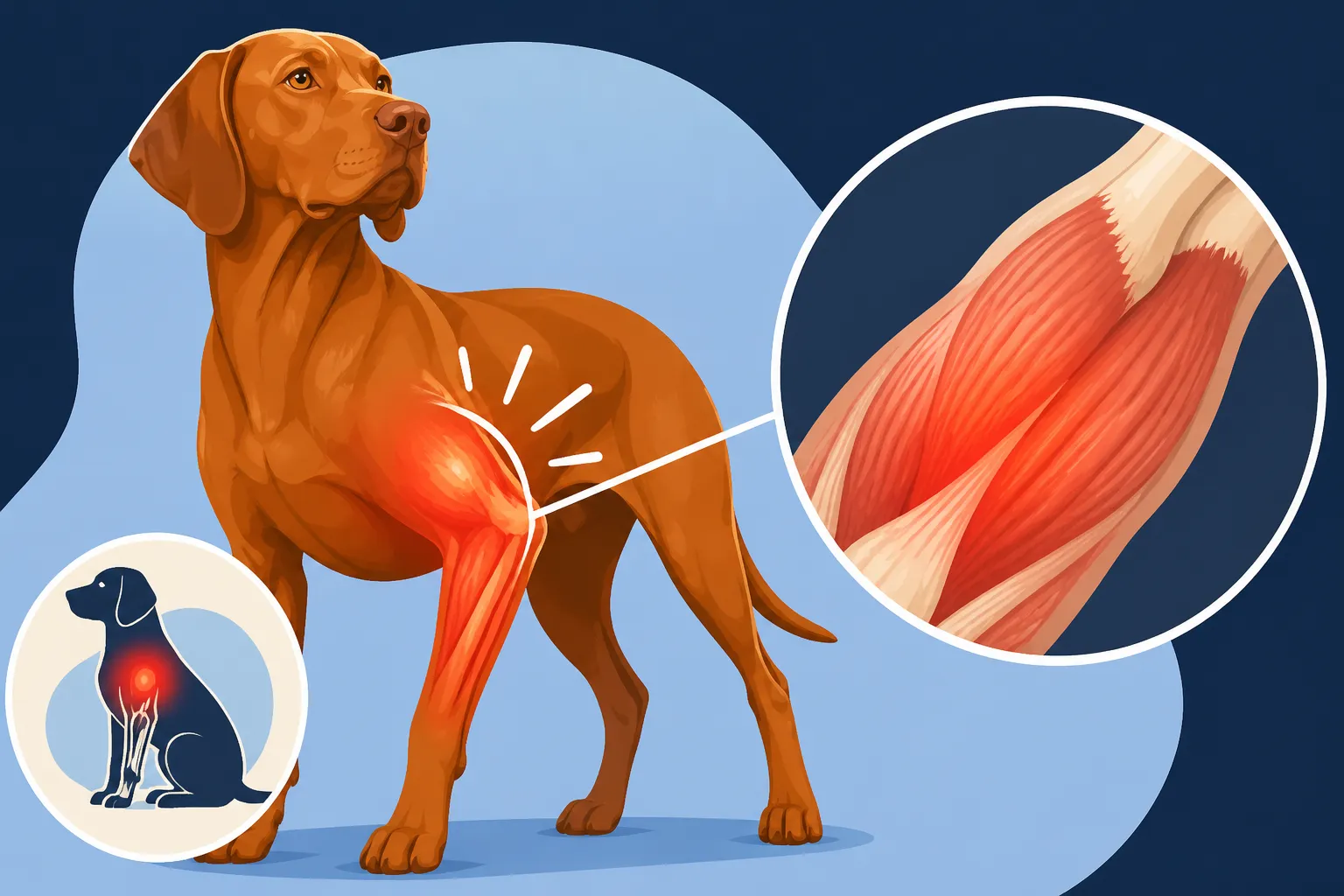
What Vizsla Inflammatory Polymyopathy Does
It's incredibly disheartening when your vibrant, active Vizsla starts showing subtle changes, and you can't quite put your finger on what's wrong. You might notice them slowing down, struggling with things that used to be second nature, or even changes in their face. This guide is here to shed light on Vizsla Inflammatory Polymyopathy (VIP), a challenging condition that can deeply affect our beloved copper dogs, detailing exactly what it does to them.
Understanding the Enigma of Vizsla Inflammatory Polymyopathy
When a Vizsla is diagnosed with Inflammatory Polymyopathy, or VIP, it feels like a punch to the gut. This isn't just a minor ailment; it's a serious autoimmune disease that targets the muscles, particularly those in the head and neck. Owners often grapple with a sense of helplessness, watching their energetic companions lose muscle mass and struggle with basic functions. It’s a truly frustrating journey, not just for the dog, but for the entire family who cherishes their energetic companion.
What Exactly is VIP in Vizslas?
At its core, Vizsla Inflammatory Polymyopathy is an immune-mediated disorder where the body's own immune system mistakenly attacks healthy muscle tissue. Think of it like a friendly fire incident within your dog's own body. Instead of targeting invaders like bacteria or viruses, the immune system turns on the very muscles that allow your Vizsla to run, play, eat, and even just hold their head up. This sustained attack leads to inflammation, pain, and eventually, the irreversible wasting of muscle. It's a progressive condition, meaning it tends to get worse over time if not managed, and the signs can be quite varied, making early diagnosis a real challenge for even the most vigilant owners and experienced veterinarians.
The impact of VIP extends far beyond just muscle weakness. The inflammation itself causes discomfort, and the constant battle within their system takes a toll on their overall energy and well-being. It can lead to a general malaise that can be easily mistaken for other conditions or simply "getting old" if you're not specifically looking for signs of polymyopathy. Understanding that this is an autoimmune issue is key, as it dictates the primary approach to treatment, focusing on modulating that overactive immune response. You might find it useful to read about The Muscle Disease Named After the Vizsla to get a deeper understanding of its history and identification in the breed.
Why Vizslas Seem Predisposed to This Condition
It's a cruel twist that such a specific, debilitating condition seems to target our wonderful Vizslas, leading many owners to ask, "Why us? Why this breed?" The truth is, like many purebred dogs, Vizslas are susceptible to certain genetic predispositions, and VIP appears to be one of them. While research is ongoing, it's widely believed that there's a genetic component at play, passed down through certain lines. This doesn't mean every Vizsla will develop it, but it certainly increases the breed's risk compared to others. This predisposition is a source of significant concern for ethical breeders who strive to produce healthy puppies, and it underscores the importance of careful breeding practices. Exploring Whether Polymyopathy Runs in Vizsla Lines can provide further context on the hereditary aspect.
The frustration for owners often stems from this genetic link – it feels unfair, like something beyond their control. This genetic susceptibility means that while external factors might trigger symptoms, the underlying vulnerability is already there. It's why diligent breeders perform health checks and sometimes avoid breeding certain lines if VIP has been observed. It's a heavy burden for the breed, forcing us to be extra vigilant and educated about the potential health challenges our Vizslas might face, especially when considering Whether Every Vizsla Is at Risk of Polymyopathy.
The Insidious Onset: Initial Signs and Symptoms
One of the most challenging aspects of VIP is its often insidious onset. It rarely announces itself with a dramatic collapse or obvious injury. Instead, it creeps in, manifesting as subtle changes that can be easily dismissed or attributed to other things. Owners, especially those with their first Vizsla, might struggle to pinpoint when things started to feel "off." This gradual progression adds to the anxiety, as by the time the symptoms are undeniable, the disease might already be well-established.
Early, Subtle Changes in Behavior and Activity
The earliest signs of VIP can be incredibly subtle, often manifesting as a slight decrease in your Vizsla's typical boundless energy. You might notice they're a little less enthusiastic about their morning run, or they tire more quickly than usual. Perhaps they're not retrieving with the same vigor, or they seem reluctant to jump into the car. These aren't always clear-cut indicators, and many owners initially think their dog is just having an off day or is perhaps experiencing a touch of generalized stiffness. It's easy to overlook these nuances in such an active breed, which makes vigilance so important.
Beyond activity levels, you might observe minor behavioral shifts. A normally cuddly Vizsla might be slightly less inclined to lean into you, or they might seem a bit more withdrawn. Some dogs might show a subtle change in their gait, maybe a slight stiffness after resting, which often improves with movement. Even a decreased appetite or less enthusiastic eating can be an early red flag, though it's often attributed to other causes first. These small alterations in their usual vivacious personality are often the first whispers of a deeper issue, making it critical to pay attention to your dog's baseline behavior. For more detail on recognizing these early indicators, consider reading The First Signs of Polymyopathy in a Vizsla.
The Progression to Visible Muscular Weakness
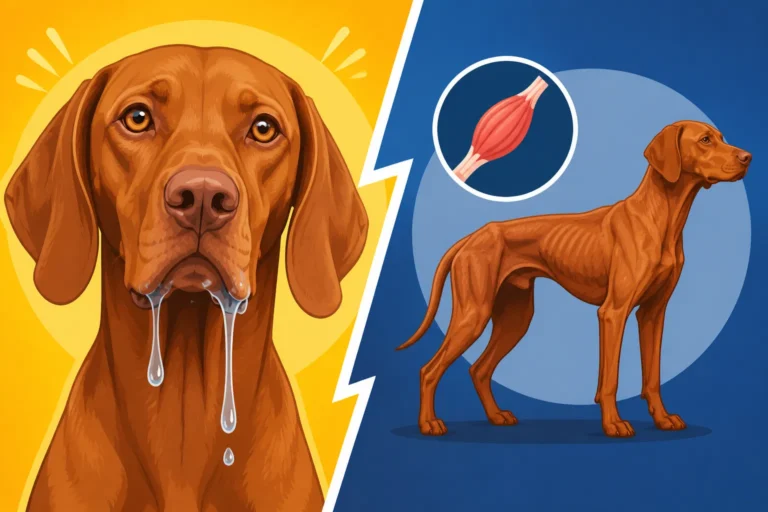
As VIP progresses, these subtle signs begin to coalesce into more discernible muscular weakness. The areas most commonly and dramatically affected are the muscles of the head and neck. You might start to notice a change in your Vizsla's facial expression – a softening around the jaw, or a slight flattening of the temples as the masticatory (chewing) muscles begin to atrophy. Their once sharp, defined features might appear less chiseled. This isn't just cosmetic; it signals a loss of muscle mass that will inevitably impact their ability to eat.
Another striking progression is the development of a "dropped jaw" or difficulty holding their mouth closed. This happens as the muscles responsible for jaw closure weaken significantly. Visibly, you might see their lower jaw sag slightly, and they might even drool more than usual because they can't effectively keep their mouth sealed. This, combined with difficulty chewing, makes eating a messy and challenging ordeal. This specific symptom is often one of the most concerning for owners, as it directly impacts their dog's ability to nourish themselves. The article Whether a Vizsla's Head Muscles Waste Away delves deeper into these specific changes.
The Most Striking Manifestations: Head and Neck Muscle Involvement
The predilection of Vizsla Inflammatory Polymyopathy for the muscles of the head and neck is what often makes this disease so heartbreaking and distinctive. These muscles are vital for so many everyday functions that we take for granted, and their compromise can severely diminish a Vizsla's quality of life. Watching your dog struggle with the simplest acts of eating or holding its head up is incredibly difficult for any owner.
Why VIP Attacks a Vizsla's Head and Neck
While VIP can affect muscles throughout the body, it has a notorious affinity for the masticatory muscles (those used for chewing) and the muscles that support the neck and throat. The exact reason for this specific targeting isn't fully understood, but it's believed to be related to the unique immunological profile or specific muscle fiber types in these areas of the Vizsla. Imagine the constant strain these muscles endure, from powerful chewing to holding up that active head as they range across a field. When the immune system attacks these critical groups, the consequences are immediate and profound. This selective targeting is one of the hallmarks that helps veterinarians differentiate VIP from other generalized muscle disorders.
The impact of this localized attack means that even if a Vizsla’s leg muscles are relatively strong, they might still be unable to eat or drink properly. This creates a deeply frustrating paradox where a dog might still have the desire to be active, but fundamental life-sustaining activities become incredibly difficult. The inflammation and damage to these muscles lead to pain and weakness, making something as simple as swallowing a painful and arduous task. This specialized attack highlights the unique and challenging nature of VIP. For a more detailed explanation, please see Why VIP Attacks a Vizsla's Head and Neck.
How Swallowing Difficulties Emerge and Progress
Perhaps one of the most distressing consequences of VIP is the emergence of dysphagia, or difficulty swallowing. Initially, you might notice your Vizsla taking longer to eat, dropping food, or making unusual gulping noises. As the throat and esophageal muscles weaken, the act of moving food from the mouth to the stomach becomes incredibly inefficient and dangerous. This isn't just about nutrition; it's about the risk of aspiration. When food or water is inhaled into the lungs instead of going down the esophagus, it can lead to aspiration pneumonia, a life-threatening complication. This fear of aspiration is a constant worry for owners. You can read more about Spotting Swallowing Trouble in a Vizsla to help you identify these critical signs.
The progression of swallowing difficulties can lead to visible drooling, not because your Vizsla is excited, but because they simply cannot effectively manage their saliva. They might attempt to swallow multiple times, gag, or cough during or after eating and drinking. Some dogs will develop a compensatory head bob or neck extension when trying to swallow, a desperate attempt to help gravity move the food along. This inability to swallow properly results in significant weight loss despite a good appetite, as they simply can't get enough nutrition down. The necessity of adapting feeding techniques, such as elevated bowls or even hand-feeding, becomes paramount to ensure their survival and comfort. If you are concerned about your Vizsla struggling to eat, the article Whether a Vizsla With VIP Struggles to Eat provides more specific insights.
Beyond the Obvious: Other Body Systems Affected
While the head and neck muscles are often the most visibly and dramatically affected in Vizsla Inflammatory Polymyopathy, it's important to remember that polymyopathy implies "many muscle diseases." This condition is a systemic one, and its effects can ripple throughout the entire body, impacting general mobility and overall well-being in ways that might not be immediately obvious.
Impact on Limbs and General Mobility
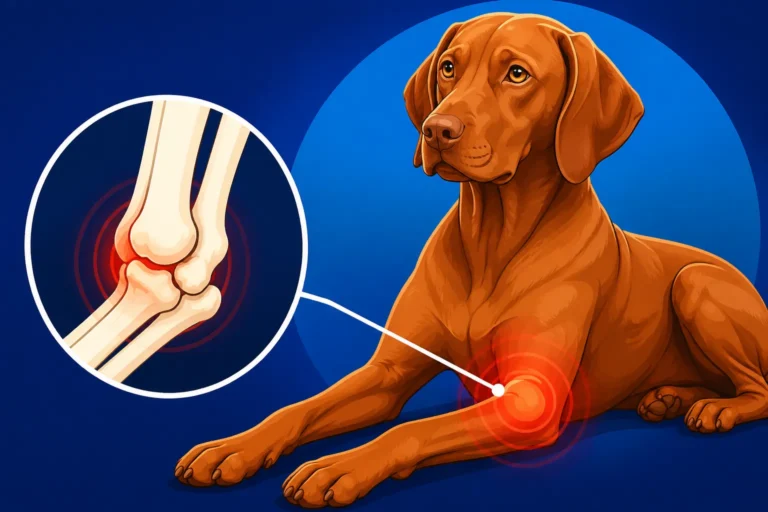
Even if your Vizsla's initial VIP symptoms are concentrated in the head and neck, don't be surprised if you start to see effects on their limbs and overall mobility. The inflammation can certainly affect muscles in the legs, chest, and back. You might notice a general stiffness, particularly after rest, or a reluctance to engage in activities that require sustained effort, like long walks or runs. Their powerful, fluid Vizsla gait might become a bit more stilted or hesitant. Climbing stairs, jumping into the car, or even getting up from a lying position can become visibly more challenging. This widespread muscle weakness contributes to a noticeable decrease in stamina and an increased tendency to tire quickly.
The exercise intolerance that develops is particularly hard for Vizsla owners to witness. These dogs are built for speed and endurance, and seeing them unable to participate in the activities they love is heartbreaking. They might still want to run and chase, but their body simply can't keep up. This can lead to frustration for the dog, who might become less engaged or even depressed. It's a cruel irony that a breed known for its athleticism can be so severely limited by its own immune system. Managing their activity levels becomes a delicate balance between encouraging movement and preventing overexertion, which could exacerbate inflammation and pain.
Systemic Effects and Overall Well-being
VIP is not just a localized muscle problem; it's an inflammatory disease with systemic repercussions. The chronic inflammation can lead to a general feeling of malaise. Dogs might run a low-grade fever intermittently, or simply appear unwell, lethargic, and less engaged with their surroundings. The constant immune assault on their muscles can be painful, causing them to flinch when touched in certain areas or simply appear uncomfortable. This underlying pain and inflammation contribute to a significant drain on their energy reserves, impacting their appetite and overall desire to interact.
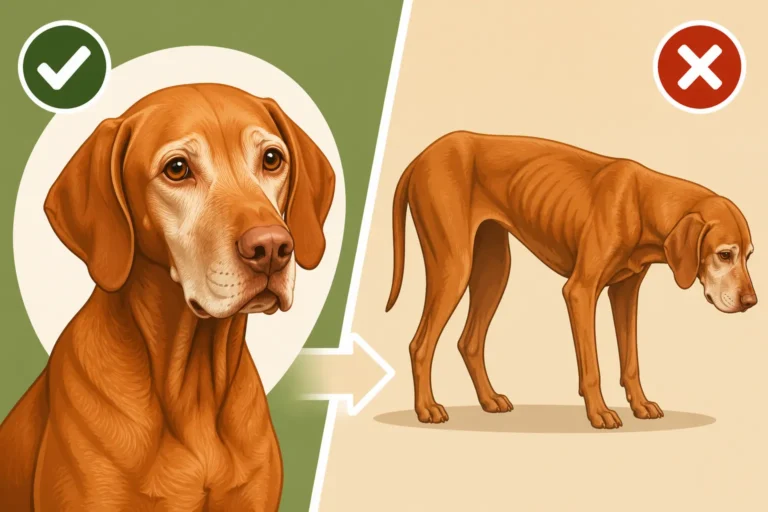
One of the most concerning systemic effects is weight loss, even if they're still eating a decent amount. This is often multifactorial: the difficulty in consuming food efficiently, the increased metabolic demand from chronic inflammation, and the actual muscle wasting itself. Dogs might look gaunt, with prominent ribs and hip bones, which is a stark contrast to the lean, muscular build typical of a healthy Vizsla. This profound impact on their overall well-being means that managing VIP isn't just about muscle function; it's about supporting their entire body and trying to restore a sense of comfort and normalcy to their lives. The financial burden of managing such a complex condition can also add to owner stress, making comprehensive pet insurance like that offered by Healthy Paws a valuable consideration early in a Vizsla's life, as it can help cover the costs of diagnostics and long-term care for conditions like VIP.
The Diagnostic Journey: Confirming VIP
Getting a definitive diagnosis of Vizsla Inflammatory Polymyopathy can be a frustrating and often lengthy process. Because the early signs are non-specific and can mimic other conditions, veterinarians often have to rule out a host of other possibilities. This diagnostic odyssey can be emotionally draining for owners who are desperately seeking answers for their ailing Vizsla.
The Challenges of Pinpointing a Diagnosis
The initial challenge in diagnosing VIP lies in its similarity to other neuromuscular conditions. A dog with generalized weakness or difficulty swallowing could be suffering from a variety of ailments, including myasthenia gravis, tick paralysis, botulism, or even certain metabolic disorders. The early, subtle signs, as discussed before, are easily mistaken for simple aging, arthritis, or even behavioral issues. This means veterinarians often start with a broad differential diagnosis, leading to a series of tests that can feel overwhelming and expensive for owners. The waiting for results, the back-and-forth, and the uncertainty only add to the stress.
Compounding this is the fact that VIP is a relatively rare condition, even within the Vizsla breed. Not every veterinarian will have extensive experience with it, and specialized knowledge is often required to interpret the nuances of clinical signs and test results. It's not uncommon for owners to seek second or even third opinions from veterinary neurologists or internal medicine specialists to get a definitive answer. This journey of ruling out other conditions and finally narrowing down to VIP can be a long and emotionally taxing road, but it's crucial for ensuring the correct treatment path.
Essential Diagnostic Tools and Their Role
When VIP is suspected, a combination of diagnostic tests is typically employed to confirm the diagnosis and rule out other diseases. Each tool plays a specific role in painting the complete picture:
| Diagnostic Tool | What it Measures/Identifies | Why it's Important for VIP Diagnosis |
|---|---|---|
| Blood Work | Creatine Kinase (CK), AST, ALT, inflammatory markers | Elevated CK indicates muscle damage; other markers can rule out liver/kidney issues. |
| Electromyography (EMG) | Electrical activity in muscles | Detects abnormal spontaneous electrical activity (fibrillation potentials, positive sharp waves) typical of inflammatory myopathy. |
| Muscle Biopsy | Direct examination of muscle tissue under a microscope | The gold standard. Reveals inflammatory cell infiltration, muscle fiber necrosis, and regeneration. Crucial for definitive diagnosis. |
| Imaging (MRI/CT) | Detailed views of soft tissues, brain, spinal cord | Rules out structural issues (e.g., brain tumor, spinal cord compression) that could cause similar symptoms. |
| Acetylcholine Receptor Antibody Test | Antibodies against acetylcholine receptors | Rules out Myasthenia Gravis, which can present with similar swallowing difficulties. |
Often, a muscle biopsy is considered the "gold standard" for confirming VIP. This involves surgically removing a small piece of affected muscle tissue, typically from the masticatory muscles or another visibly impacted area, and sending it to a specialized laboratory for histopathological examination. The presence of inflammatory infiltrates, particularly lymphocytes and plasma cells, along with evidence of muscle fiber degeneration and regeneration, provides strong evidence of polymyopathy. While the journey to diagnosis can be arduous, reaching a definitive conclusion is the first critical step toward effective management and giving your Vizsla the best possible chance at a good quality of life. The costs associated with these specialized tests can be substantial, and having pet insurance like Healthy Paws can significantly ease the financial burden during this critical diagnostic phase, allowing you to focus on your dog's health without undue monetary stress.
Living with VIP: Management and Prognosis
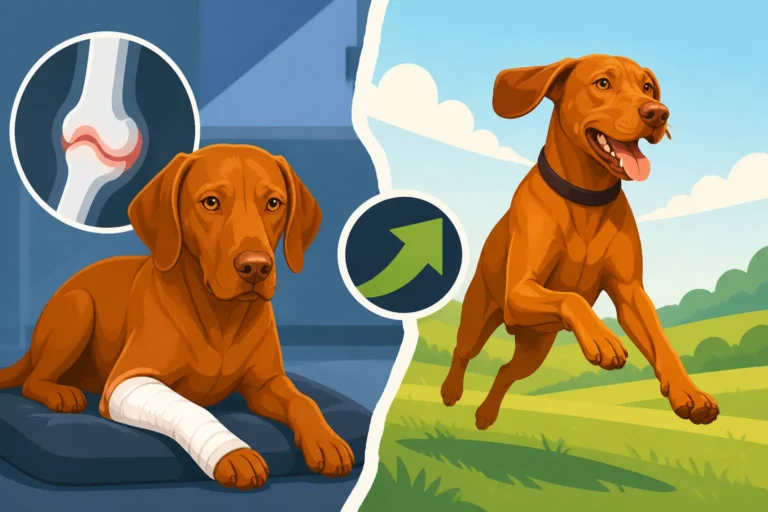
Receiving a VIP diagnosis for your Vizsla is undoubtedly overwhelming, but it's important to remember that it's not an automatic death sentence. While there's no cure, the condition is manageable, and with diligent care, many Vizslas can continue to live comfortable, happy lives. The focus shifts from elimination to management, aiming to control the immune response and support affected muscles.
The Goals of Treatment and Supportive Care
The primary goal of VIP treatment is to suppress the overactive immune system that is attacking the muscles, thereby reducing inflammation and preventing further muscle damage. This typically involves the use of immunosuppressive medications, with corticosteroids like Prednisone being the most common first-line treatment. These medications can dramatically improve symptoms, especially if caught early. However, they come with their own set of potential side effects, which owners must monitor closely and discuss with their veterinarian. The aim is always to find the lowest effective dose to minimize these side effects while still controlling the disease. Knowing Whether Steroids Control a Vizsla's Polymyopathy is a key question for many owners.
Beyond medication, supportive care is absolutely crucial, particularly when it comes to feeding. For Vizslas struggling with dysphagia, modifications to their diet and feeding routine are essential. This might involve feeding soft, palatable foods, often meatballs or slop that can be easily swallowed, rather than dry kibble. Elevated feeding bowls can help gravity assist the food down the esophagus. In severe cases, some Vizslas may even benefit from a Bailey chair, which keeps them upright during and after meals to prevent aspiration. The goal is to ensure they receive adequate nutrition without the risk of inhaling food or water into their lungs. This level of dedication can be intense, and it's a testament to the love Vizsla owners have for their dogs. Understanding Whether a Vizsla Needs a Feeding Chair can be really helpful if swallowing issues become severe.
What the Future Holds for a Vizsla with VIP
The prognosis for a Vizsla with VIP varies widely depending on the severity of the disease at diagnosis, how well they respond to treatment, and the owner's commitment to ongoing care. While VIP is a chronic condition that typically requires lifelong management, many dogs can achieve remission or significant improvement in their symptoms. Regular veterinary check-ups, often involving blood work to monitor muscle enzymes and general health, are essential to adjust medication dosages and catch any complications early. The financial cost of this long-term care, including medication, special foods, and vet visits, can be considerable, so it’s wise to budget for it. You might find more information on this by looking into What Treating a Vizsla's Polymyopathy Costs.
Unfortunately, some Vizslas may experience relapses, where symptoms worsen despite treatment, requiring further adjustment to their medication protocol. In the most severe cases, particularly if aspiration pneumonia becomes a recurring issue, the quality of life can diminish significantly, and difficult decisions might need to be made. However, with vigilant care, a supportive veterinary team, and a deep understanding of the disease, many Vizslas with VIP continue to bring immense joy to their families for years. It's a journey that demands patience, adaptability, and unwavering love, but seeing your Vizsla comfortable and happy makes every effort worthwhile. For a deeper dive into the treatment options, consider reading Whether a Vizsla With VIP Can Be Treated. Pet insurance, like that offered by Healthy Paws, can be a lifesaver when facing the ongoing medical costs associated with VIP, providing financial relief and allowing you to prioritize your Vizsla's health without the added stress of exorbitant vet bills.
Disclaimer
The information provided in this article is for informational purposes only and does not constitute veterinary advice. Always consult with a qualified veterinarian for any health concerns or before making any decisions about your Vizsla's care or treatment.