Whether a Vizsla Hunts Late Season Birds
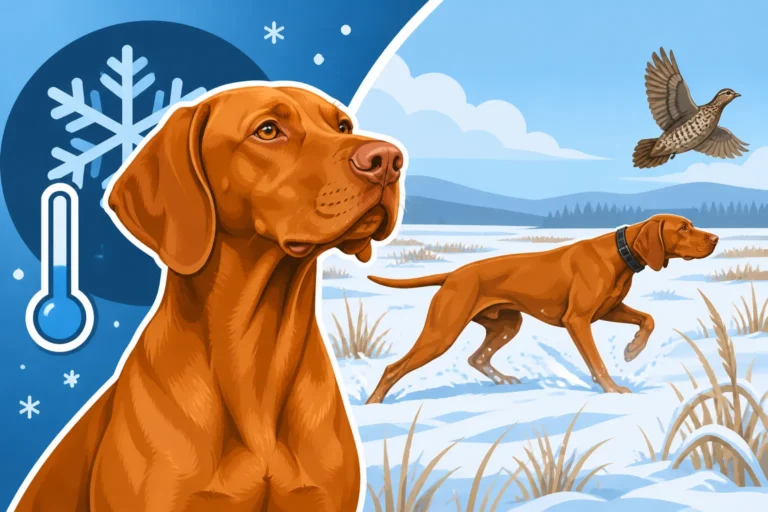
For Vizsla owners who live for the thrill of the hunt, seeing the seasons change can bring a mix of excitement and apprehension. While those crisp autumn days are perfect, the deep chill and unforgiving landscape of late season hunting often leave us wondering: can our beloved, thin-skinned Vizslas truly thrive when the temperatures drop and the cover gets brittle? It’s a genuine concern, and you’re not alone in wanting to protect your partner while still enjoying the full hunting season. This guide will walk you through exactly how to prepare and care for your Vizsla to ensure they can hunt late season birds safely and effectively, addressing those key challenges head-on.
Understanding the Late Season Hunt with Your Vizsla
The late season hunt isn't just a colder version of its early season counterpart; it's an entirely different beast, and it asks more of both hunter and dog. For us, it means bundling up more, perhaps moving a little slower through thicker snow, but for our Vizslas, the changes are profound. Their incredible drive to find birds never wavers, but the physical demands multiply exponentially.
The Nature of Late Season Birds
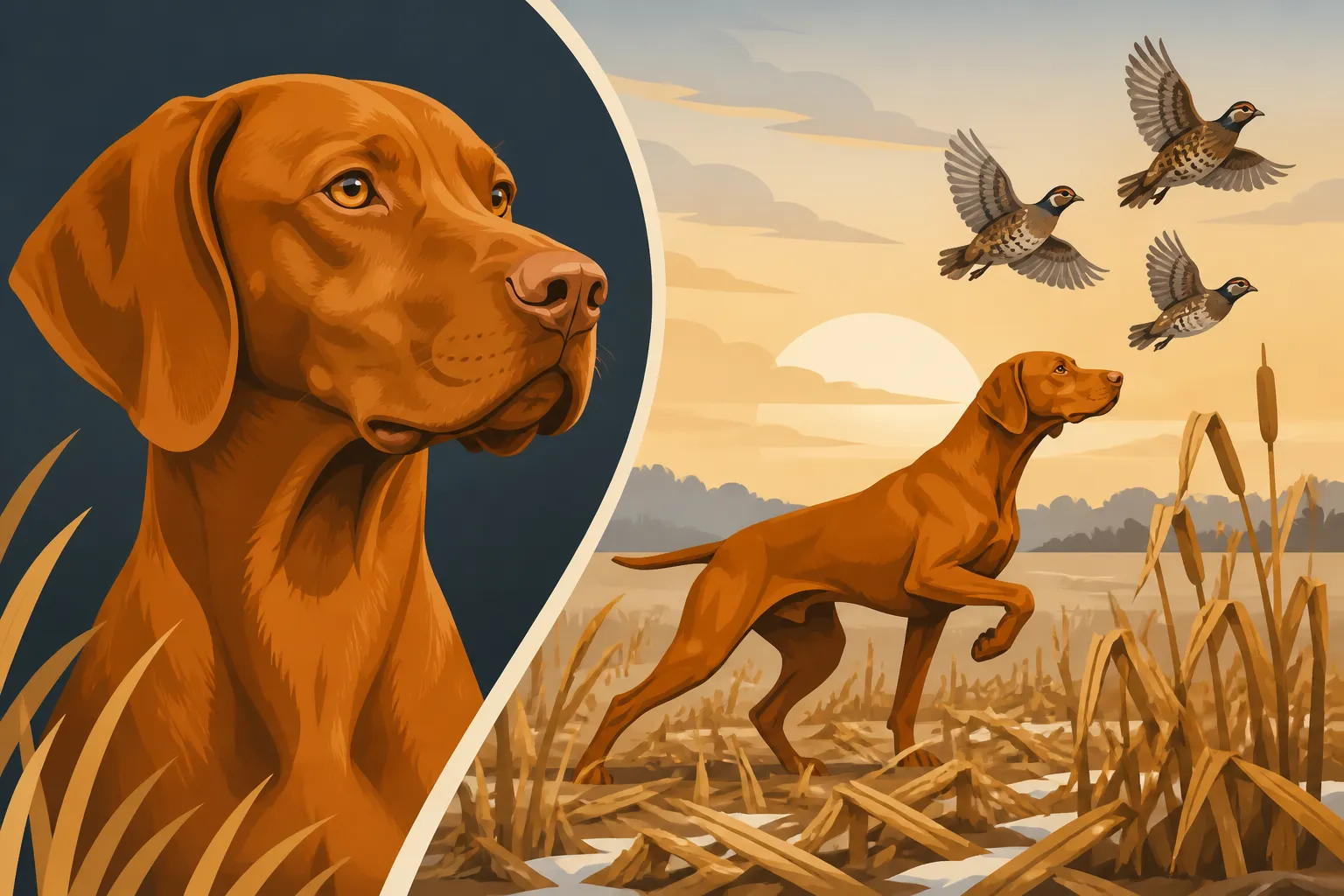
As the season progresses, the birds you're hunting become, quite frankly, smarter and tougher. They've faced pressure from hunters and predators for weeks, sometimes months. This means their instincts for survival are heightened, and they've learned to be more elusive. Where an early season covey might hold fairly loosely and flush predictably, late season birds are masters of concealment. They'll hold incredibly tight, often letting you or your dog walk right past them before exploding into the air when you least expect it. They fly stronger, faster, and often further, having built up their reserves for winter.
This shift in bird behavior places a significantly higher demand on your Vizsla. They need to work harder, using every ounce of their scenting ability to pinpoint game that's doing its best to disappear. Their points must be rock-solid, holding steady even when the bird is tucked deep in thick cover, knowing that a premature flush means a lost opportunity. Retrieves become more challenging as well, sometimes requiring your dog to push through frozen brush or break a skim of ice on a pond. It's a true testament to their inherited skills, but it also means greater exertion and exposure for your lean, single-coated companion. It's perfectly natural to worry about this increased workload and exposure for your dog, knowing how much more they're putting out there.
The Vizsla's Innate Drive and Limitations
There's no denying the Vizsla's inherent passion for the hunt. It's deeply ingrained in their DNA, and a cold day or dense cover isn't going to diminish that fiery desire to find birds. They live for the chase, the point, the retrieve. This relentless drive is what makes them such exceptional hunting partners. However, this intense eagerness can sometimes push them beyond their physical limits, especially in harsh conditions. Their brains tell them to go, go, go, but their bodies have specific vulnerabilities.
Vizslas possess a distinctive short, sleek, single coat, a characteristic that makes them magnificent in moderate temperatures but a significant disadvantage when the mercury drops. The Single Coat a Vizsla Has and Why It Changes Everything Unlike breeds with thick double coats designed for insulation, a Vizsla's thin fur offers minimal protection against biting winds, freezing rain, or snow. Their lean, muscular build, while perfect for agility and speed, also means they have less body fat to insulate them. This isn't just about comfort; it's a critical health concern. When a Vizsla is exerting itself heavily in cold weather, their body is doing double duty: burning calories for physical work and simultaneously burning additional calories just to maintain core body temperature. This can rapidly deplete their energy reserves and increase the risk of hypothermia. Balancing that incredible, unstoppable hunting drive with their physiological need for warmth and protection is the ultimate challenge for any Vizsla owner venturing out into the late season.
Overcoming Environmental Challenges for Your Vizsla
The late season brings with it a host of environmental hurdles that can quickly turn a good hunt into a dangerous situation for an unprepared Vizsla. Understanding these challenges and proactively addressing them is key to ensuring your dog's safety and continued performance.
Battling the Cold and Inclement Weather
When you step out into the field for a late season hunt, you're not just dealing with chilly air; you're often facing freezing temperatures, icy patches, snow-covered ground, and a wind that seems to cut right through you. For a Vizsla, these conditions are more than just uncomfortable—they can quickly become life-threatening. Their single coat offers very little natural insulation, making them acutely susceptible to the cold. The Cold a Vizsla Genuinely Cannot Handle
The most significant risk is hypothermia, which can set in if your Vizsla gets wet (from snow, ice, or water retrieves) and is then exposed to freezing temperatures for an extended period. Whether a Vizsla Gets Hypothermia Shivering, lethargy, stiff muscles, and even collapse are all signs that your dog is getting dangerously cold. You might think, "Oh, they're working hard, they'll stay warm," but that's not always the case, especially during breaks or if they're not moving constantly. This is where proper gear becomes absolutely non-negotiable. A high-quality, insulated hunting vest is crucial. Many owners opt for neoprene vests, which offer excellent warmth and buoyancy, particularly if your Vizsla will be making water retrieves in icy ponds or rivers. These can be easily found on platforms like Amazon or Chewy, with various styles and thicknesses to suit your climate. Just like a human athlete, your Vizsla benefits from proper warm-up and cool-down periods. Don't let them leap straight from a warm truck into freezing air. Give them a few minutes to acclimate, and after the hunt, get them into a heated vehicle, well-toweled, and wrapped in a warm blanket or coat as quickly as possible.
Navigating Dense, Frozen Cover
Beyond the cold, the late season dramatically alters the landscape itself. What was once soft, pliable cover in early autumn transforms into a brutal obstacle course. Think about the fields of corn stubble that become like razor blades, the thorny thickets now rigid with ice, and dense brush that's frozen solid. This environment is particularly unforgiving to a Vizsla's delicate physical attributes.
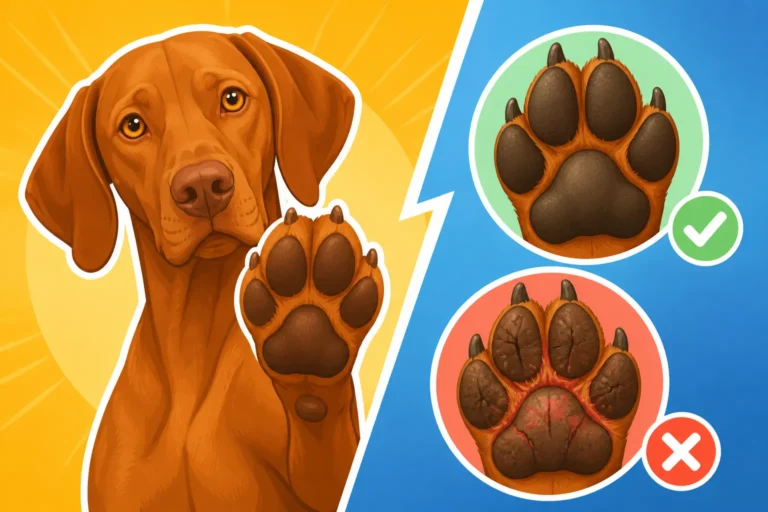
A Vizsla's thin skin, which gives them that sleek, elegant look, is also their Achilles' heel in harsh cover. The Thin Skin a Vizsla Takes Into the Field It tears and scrapes far more easily than the tougher hides of many other sporting breeds. Running full tilt through frozen briars or sharp undergrowth can result in painful lacerations, bloody paws, and nasty punctures that not only end your hunt prematurely but also require veterinary attention. Their paw pads, while naturally resilient, are still vulnerable to cracking, freezing, and severe cuts from sharp ice or brittle vegetation. This isn't just about discomfort; severe paw injuries can lead to infection and long recovery times.
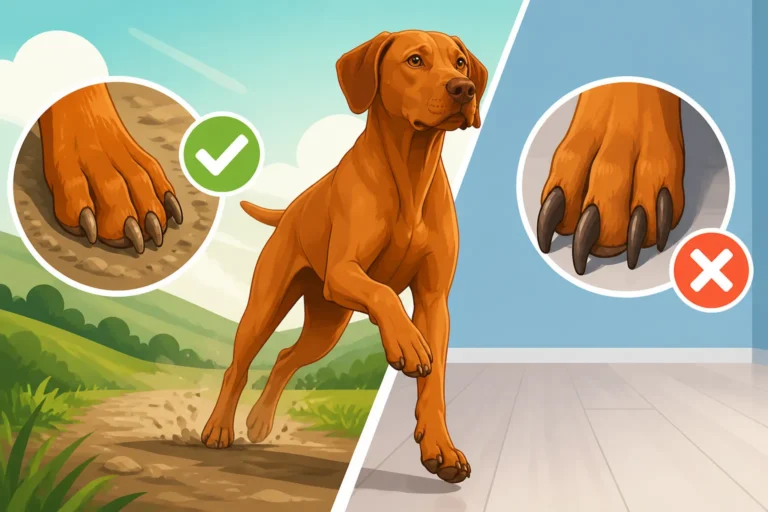
To mitigate these risks, protective gear is paramount. Paw boots are a game-changer for many Vizslas. While it takes time and patience to accustom your dog to wearing them, the protection they offer against brutal ground conditions is invaluable. Whether a Vizsla Needs Boots in Winter You can find a wide range of durable boots suitable for hunting on Chewy or Amazon. Even with boots, applying a protective paw wax beforehand can add an extra layer of defense and help prevent ice and snow buildup. Whether a Vizsla Needs Paw Wax Furthermore, a protective vest doesn't just provide warmth; it acts as a crucial barrier, shielding your Vizsla's chest, belly, and flanks from the punishing scrapes and cuts of dense, frozen brush. Investing in these protective measures can mean the difference between a successful, safe hunt and a trip to the emergency vet.
Sustaining Energy and Health Through the Season
Hunting late season birds with a Vizsla requires more than just protection from the elements; it demands a proactive approach to their nutrition, recovery, and ongoing fitness. These lean, high-energy dogs burn through fuel at an astonishing rate, and the cold exacerbates this.
Specialized Nutrition for Winter Work
A working Vizsla is already a calorie-burning machine, but introduce freezing temperatures and a full day of late season hunting, and their energy expenditure skyrockets. Their regular diet, perfectly adequate for off-season activity or milder hunts, simply won't cut it. Feeding a Vizsla That Burns Everything It Eats To maintain body weight, keep warm, and perform optimally, their nutritional needs must be significantly increased.
You'll need to consider transitioning to a higher-fat, higher-protein performance dog food. These formulas are specifically designed for highly active dogs, providing the dense caloric content and macronutrients necessary to fuel sustained exertion and aid in muscle repair. The extra fat isn't just for weight gain; it's a critical source of sustained energy and helps maintain body heat. Many reputable brands offer such performance lines, and you can explore options easily through retailers like Chewy. Don't be afraid to experiment to find what works best for your dog's digestion and energy levels.
Beyond the type of food, consider the quantity and timing. Many owners find their working Vizslas need significantly more food per day during hunting season. This might mean increasing portion sizes, feeding more frequently, or both. Some even carry high-calorie, easily digestible snacks, like specific training treats or a small portion of their performance kibble, to offer mid-hunt for an immediate energy boost. Even in cold weather, hydration is crucial. Carry plenty of water and offer it frequently. While your dog might not appear as thirsty as in hot weather, the dry winter air and exertion can still lead to dehydration. Avoid offering ice-cold water immediately after intense exertion, as this can be a shock to their system. If you prefer alternative feeding methods, brands like Ollie offer fresh food options that can be customized to be calorie-dense, providing another excellent way to pack in the necessary fuel. How Much a Working Vizsla Eats
Post-Hunt Care and Recovery
The hunt doesn't end when the birds are bagged. The period immediately following a late season hunt is just as critical for your Vizsla's health and recovery. Neglecting proper post-hunt care can lead to prolonged soreness, illness, or exacerbate minor injuries into serious problems.
As soon as the hunt is over, your first priority should be a thorough head-to-tail check of your Vizsla. Inspect every inch for cuts, scrapes, thorns, or any signs of injury, paying close attention to their paw pads and between their toes where ice balls or sharp debris can lodge. Checking a Vizsla Over After a Hunt Feel along their legs and body for any unusual lumps, swelling, or tenderness that might indicate a sprain or muscle strain. Their ears should also be checked for debris or signs of frostbite.
Once the physical inspection is complete, getting them warm and dry is paramount. If they're wet, towel them off vigorously and get them into a heated vehicle or a warm, sheltered spot as quickly as possible. Don't let them shiver in the cold. A warm dog coat or thick blanket applied immediately will help raise their core temperature and prevent further heat loss. Whether a Vizsla Should Wear a Fleece Indoors Once home, offer a good, warm meal of their performance food and plenty of fresh, unfrozen water. Muscle soreness is a given after a hard day's work, especially in challenging conditions. Gentle massage can help ease stiffness, and a warm, comfortable bed is essential for deep recovery. For the next 24 to 48 hours, monitor your Vizsla closely for any signs of lingering issues, such as lameness, unusual lethargy, loss of appetite, or any changes in behavior that might indicate they're not quite right. A little vigilance now can prevent bigger problems down the line.
Training Adjustments for Late Season
Just as the birds change their behavior and the landscape transforms, your training approach for late season hunting also needs to adapt. Shorter daylight hours, colder temperatures, and the general discomfort of winter mean that long, intense training sessions might not be feasible or even beneficial for your Vizsla.
Instead of prolonged drills, focus on quality over quantity. Keep training sessions brief, focused, and highly rewarding. You can still simulate hunting scenarios, work on holding points, or practice retrieves, but be acutely mindful of your Vizsla's physical limits in the cold. A ten or fifteen-minute session where they are fully engaged and successful is far more effective than a half-hour session where they are shivering, distracted, or becoming overly fatigued. Use high-value treats (you can find many suitable options on Amazon or Chewy) and positive reinforcement to keep their motivation high.
Maintaining obedience and a rock-solid recall is absolutely vital in late season conditions. The distractions are different—perhaps a deer track in the snow or the scent of a wily pheasant holding tight. A strong, consistent recall ensures your dog's safety, preventing them from ranging too far into dangerous territory or getting lost in reduced visibility. Integrate recall practice into every outdoor activity. Building a Recall on a Vizsla That Ranges Finally, remember that true late season readiness begins long before the first frost. Build your Vizsla's stamina and overall fitness throughout the off-season. A dog that is truly conditioned and physically prepared will cope far better with the rigorous demands of winter hunting, minimizing stress on their body and maximizing their enjoyment and performance.
| Aspect | Early Season Hunt (Warm/Mild) | Late Season Hunt (Cold/Harsh) |
|---|---|---|
| Bird Behavior | Less wary, hold relatively looser | More wary, hold tighter, stronger flyers |
| Weather | Warm, mild, potential for heat/humidity | Freezing, icy, snow, wind, potential for hypothermia |
| Cover | Green, pliable, dense foliage | Brittle, frozen, thorny, sharp stubble |
| Vizsla Energy | High, but mindful of overheating risks | Extremely high burn for warmth and work |
| Hydration Risk | Dehydration from heat | Dehydration from dry, cold air; frozen water sources |
| Paw/Skin Risk | Thorns, foxtails, minor scrapes | Frozen ground, ice cuts, lacerations from brittle cover |
| Required Gear | Water, basic first-aid, orange vest | Insulated vest, paw protection, higher-calorie food, first-aid |
| Recovery Focus | Cooling down, rehydration | Warming up, drying off, injury check, calorie replenishment |
Disclaimer
This article is for general informational purposes only and does not constitute professional advice. Laws, prices and regulations vary by location and change over time. Consult a qualified professional for guidance on your specific situation.