Whether Snow Sticks to a Vizsla’s Feet
One of the lesser-talked-about frustrations for Vizsla owners in winter is the way snow and ice cling stubbornly to their dog's beautiful, yet impractical, single coat and delicate paws. It turns a joyous romp through a winter wonderland into a miserable, painful experience for your beloved companion, often leading to limping, discomfort, and even injuries. This guide will delve deep into why Vizslas struggle with snow sticking to their feet, the potential dangers it poses, and, most importantly, provide comprehensive strategies to keep your Vizsla safe and happy during their frosty adventures.
The Unique Vizsla Coat and Its Interaction with Snow
Vizslas are magnificent dogs, known for their striking golden-rust coat and incredible athleticism. However, their unique physical characteristics, particularly their coat, make them quite vulnerable when it comes to prolonged exposure to snow and ice. What might be a minor inconvenience for a husky or a golden retriever can quickly become a significant problem for a Vizsla.
Why the Vizsla's Single Coat Is a Factor
Unlike many cold-weather breeds or even other sporting dogs, Vizslas possess a distinctive short, sleek single coat. This isn't just about aesthetics; it has profound implications for how they handle different weather conditions. A double-coated dog, like a Labrador Retriever or a German Shepherd, has a soft, dense undercoat that acts as a natural insulator, trapping warm air close to the body and repelling moisture. Their coarser outer coat then protects this undercoat from external elements. A Vizsla has none of that. Their fine, short hair lies close to their body, offering minimal insulation and absolutely no protective undercoat to shield them from the elements. This means that moisture, whether rain or melting snow, can quickly penetrate right down to their skin, making them prone to feeling the cold quite intensely. The Single Coat a Vizsla Has and Why It Changes Everything delves further into this unique aspect of their breed.
When it comes to snow, this single coat proves to be a double-edged sword. While it doesn't typically collect large chunks of snow like a long, feathery coat might, the fine hairs around their paws, on their legs, and on their belly are perfectly designed to wick up melting snow. This snow then quickly refreezes into tiny, sharp ice balls. Imagine taking a fine-bristled brush and dipping it in water, then letting it freeze. The individual bristles become encased in ice, hard and unyielding. That's essentially what happens to your Vizsla's delicate fur. The lack of an insulating layer means their body heat melts the snow slightly, but the exposure to cold air and continued contact with snow allows it to solidify again, creating these problematic ice formations.
How Snow and Ice Build-Up Actually Happens
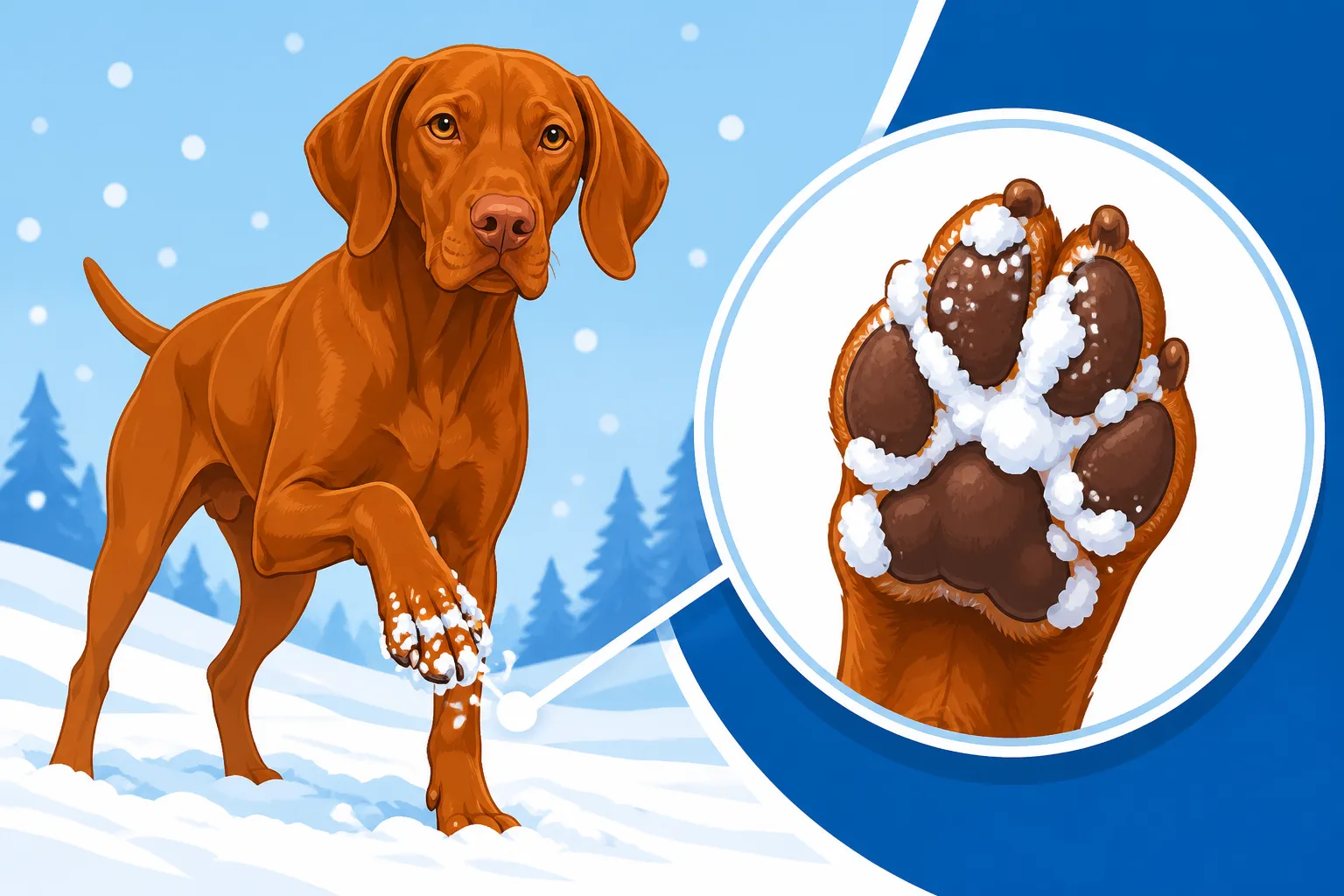
The process of snow and ice accumulation on a Vizsla's feet and lower legs is surprisingly efficient and frustratingly quick. As your Vizsla bounds through fresh snow, their body heat causes the snowflakes that land on their fur to melt ever so slightly. As they continue to move, this slightly melted water, mixed with more snow, begins to cling to the fine hairs. The constant motion and friction then compact this mixture, and the cold external temperature causes it to refreeze, forming small, hard ice balls or dense clumps of frozen snow. This isn't just happening on their paw pads; it's also occurring between their toes, around their dewclaws, and up their lower legs and belly.
These seemingly small ice formations grow quickly. Within minutes of being in even moderately deep snow, you might notice your Vizsla start to lift their paws, shake their legs, or even limp. The ice balls become larger and harder with every step, like tiny, painful stones embedded in their fur. Because the Vizsla's coat is so short and close to the skin, these ice balls are often right up against their sensitive skin, causing constant irritation and a chilling effect. It’s a vicious cycle: they move, snow collects, it melts and refreezes, becomes bigger and harder, and causes more discomfort, which then impacts their gait and willingness to continue their walk. It’s no wonder they might start looking at you with those mournful Vizsla eyes, begging to go home.
The Practical Problems of Snow and Ice on Vizsla Paws
Beyond the immediate discomfort, the accumulation of snow and ice on your Vizsla's paws and legs can lead to a host of practical problems, ranging from mild irritation to serious injury. It's not just about a dog being a bit chilly; it's about their physical well-being and preventing painful issues that could sideline them for days or weeks.
Discomfort and Pain for Your Vizsla
Imagine walking with small, sharp pebbles wedged between your toes, or with chunks of ice constantly pressing into your skin. That's a good approximation of what your Vizsla experiences when snow and ice build up on their paws. The ice balls that form between their toes and on their pads can cause the toes to splay unnaturally, stretching the skin taut and creating an incredibly uncomfortable sensation. This stretching can lead to cracks and fissures in the delicate skin of their paw pads, especially if the pads are already dry or chapped from cold weather. Whether a Vizsla's Pads Split is a common concern for many owners during winter.
The sharp edges of the ice can also act like tiny razors, causing nicks and cuts on the sensitive skin around the paw pads, between the toes, and even higher up on the leg if the ice clumps are large. These micro-abrasions are not only painful but also create entry points for bacteria, leading to potential infections. You might notice your Vizsla constantly licking their paws during and after a snowy walk, which is often a sign of irritation and pain. They may also start limping, refusing to put weight on a particular paw, or displaying an overall reluctance to move or engage in their usual joyful romping. Ignoring these signs can exacerbate the problem, making a simple snowy walk a truly miserable ordeal for your usually energetic companion.
Potential for Injuries and Long-Term Issues
The issues caused by snow and ice on Vizsla paws extend far beyond mere discomfort; they can significantly increase the risk of injuries. When ice balls accumulate between the paw pads, they create an unstable, uneven surface for your dog to walk on. This means their natural grip is compromised, making them much more prone to slipping and falling, particularly on already slick surfaces like ice or compacted snow. A sudden slip can lead to muscle strains, sprains, or even more severe injuries such as ligament tears, including dreaded cruciate ligament ruptures. A hard fall on frozen ground, made worse by uneven pawing, is a serious risk for an active Vizsla. Cruciate Tears in a Working Vizsla are devastating and costly injuries that can sometimes stem from such seemingly innocuous events.
Furthermore, the continuous pressure and abrasion from the ice can lead to more than just superficial cuts. Deep cracks in paw pads are not only painful but also difficult to heal, especially with continued exposure to cold and moisture. If an open wound becomes infected, it can require veterinary intervention, including antibiotics and specialized wound care. Repeated exposure to severe cold and moisture, especially if not properly dried, can also contribute to frostbite on the paw pads and tips of the ears, though this is less common in typical snowy walks and more likely in extreme, prolonged conditions. It is crucial to remember that a Vizsla's active nature means they might try to push through discomfort, potentially worsening an injury before you even fully realize the extent of the problem. That's why Checking a Vizsla Over After a Hunt or even just after a walk in the snow is so important.
Essential Strategies for Protecting Your Vizsla's Paws in Snow
Protecting your Vizsla's paws in snowy conditions requires a proactive approach, combining preparation, protective gear, and diligent post-walk care. It’s all about creating a buffer between their sensitive paws and the harsh winter environment. With the right routine and tools, your Vizsla can still enjoy their winter adventures without suffering the consequences of icy paws.
Pre-Snow Prep: Trimming and Paw Balm
Before the first snowflake even touches the ground, you can start preparing your Vizsla for winter. One of the most effective preventative measures is to keep the hair between their paw pads meticulously trimmed. Longer hair in these areas provides more surface area for snow and ice to cling to and can trap moisture, leading to ice ball formation. Use small, blunt-nosed scissors or a paw-trimmer, being extremely careful not to cut the sensitive webbing or paw pads. If you're unsure how to do this safely, ask your groomer or veterinarian for a demonstration or to do it for you. This simple step can drastically reduce the amount of snow that accumulates and make post-walk cleanup much easier.
In addition to trimming, applying a protective paw balm or wax before each snowy outing is an absolute game-changer. These products create a barrier on the paw pads, preventing snow and ice from sticking directly to the skin and forming those painful clumps. They also help to moisturize and protect the pads from drying out and cracking in the cold, harsh air, which is a common issue for dogs. Look for balms made with natural ingredients like beeswax, shea butter, or various oils. Brands specializing in dog care often offer excellent paw protection products. You can find a wide selection of these balms at pet supply stores or online retailers like Chewy or Amazon. Apply a generous layer, making sure to work it thoroughly into the pads and between the toes. Reapply as needed for longer excursions. This barrier is critical in preventing the direct contact that leads to ice build-up. Whether a Vizsla Needs Paw Wax isn't just a question of comfort, but essential winter care.
Protective Gear: Boots and Leggings
While trimming and balm are excellent first lines of defense, for serious snow, extended time outdoors, or very sensitive paws, dog boots are often the most reliable solution. The thought of putting boots on a dog might seem a bit silly at first, but for a breed like the Vizsla, they can be invaluable. Good quality dog boots completely cover the paw, preventing any snow or ice from coming into contact with the fur or pads. They also offer a layer of insulation against the cold ground and provide extra grip on slippery surfaces. The challenge, of course, is getting your Vizsla to wear them! Start introducing boots slowly and positively, well before you need them. Let your Vizsla wear them for short periods indoors, associating them with treats and praise.
When selecting boots, look for ones that are waterproof, durable, and have a good sole for traction. Proper fit is crucial; boots that are too loose will twist and fall off, while boots that are too tight will be uncomfortable and restrict circulation. Measure your Vizsla's paws carefully and check sizing guides provided by manufacturers. Many brands offer different styles, some with straps that secure them around the ankle. While leggings are less common, some owners might find protective leg coverings useful for deeper snow to prevent ice balls from forming higher up on the legs, particularly in very thick or crusty snow. You can explore various options, read reviews, and compare prices for dog boots and other winter gear on platforms like Amazon. Remember, persistence and positive reinforcement are key to getting your Vizsla comfortable in their winter footwear. For a deeper dive into this specific topic, check out Whether a Vizsla Needs Boots in Winter.
Post-Walk Care: Cleaning and Inspection
No matter how well you prepare or how much protective gear your Vizsla wears, post-walk care is absolutely critical after any snowy outing. As soon as you come inside, dedicate a few minutes to thoroughly inspecting and cleaning your Vizsla's paws and lower legs. Even with boots, some snow or moisture can find its way in, and if your Vizsla wasn't wearing boots, ice balls will almost certainly have formed. The best way to remove ice balls is not to pull or yank them, as this can be incredibly painful and tear their delicate skin. Instead, gently melt them using warm (not hot!) water. You can dip their paws in a shallow basin of warm water, or use a warm, damp cloth to carefully wipe away the ice.
Once all the snow and ice are removed, it’s imperative to thoroughly dry their paws. Moisture left between the toes can lead to irritation, chapping, or even fungal infections. Use a soft towel to pat dry each paw, paying close attention to the spaces between the pads and toes. After drying, take a moment to inspect each paw carefully for any signs of trouble. Look for redness, swelling, cuts, cracks, or any foreign objects that might have become lodged. If you find any minor cuts or abrasions, clean them gently with an antiseptic wipe suitable for dogs and monitor them closely. For deeper cuts or persistent limping, a call to your veterinarian is warranted. This diligent post-walk routine helps prevent immediate discomfort from becoming a long-term problem and ensures your Vizsla’s paws stay healthy throughout the winter.
Further Considerations for Winter Vizsla Ownership
Winter brings more than just pretty snow; it brings colder temperatures, shorter days, and often harsher conditions that demand adjustments to our routines with our Vizslas. Understanding these broader considerations can make a significant difference in your Vizsla's overall well-being during the colder months.
Adjusting Winter Exercise Routines
Vizslas are high-energy dogs, built for activity, and they need their exercise even when it's cold outside. However, winter weather often means modifying how they get that exercise. Deep snow can be incredibly tiring and increase the risk of injury, especially if they’re constantly post-holing (sinking deep into the snow). Hard, frozen ground can be brutal on joints, and slick ice patches are a clear hazard. It’s often best to opt for shorter, more frequent outdoor excursions during truly harsh conditions. Seek out cleared paths or open fields where the snow isn't too deep, allowing them to run without excessive strain.
On days when outdoor conditions are particularly unforgiving, or if your Vizsla is showing signs of discomfort or cold (remember, The Cold a Vizsla Genuinely Cannot Handle can be a real issue for this breed), prioritize indoor mental and physical stimulation. Interactive puzzle toys, training sessions, or even a game of indoor fetch in a safe space can help burn off some of that famous Vizsla energy. If your Vizsla is older or has any joint issues, consider their comfort even more keenly. The cold can exacerbate arthritis, making soft, warm bedding even more crucial indoors. Beds That Suit an Arthritic Vizsla can provide significant relief. While your Vizsla might look longingly at the snowy outdoors, sometimes the kindest thing you can do is adjust their routine to keep them safe and warm.
Recognizing and Addressing Cold-Related Issues
Being attentive to your Vizsla's behavior is paramount during winter. Because they have such a thin coat, they are prone to feeling the cold much more acutely than many other breeds. Signs of being too cold include shivering (even indoors, as explored in Whether a Vizsla Shivers Indoors), hunching their back, reluctance to move, or seeking warmth by burrowing into blankets or leaning heavily against you. If you notice any of these signs, it’s time to head indoors immediately. For long-term protection, considering Whether a Vizsla Needs a Winter Jacket is a sensible choice, especially for older or more sensitive Vizslas.
Specific to their paws, beyond the obvious limping or licking, look for any discoloration (pale or bluish pads can indicate poor circulation or even frostbite), extreme sensitivity to touch, or any persistent cracking or bleeding. Always ensure road salt and de-icers are not ingested. These chemicals can be highly toxic and cause severe irritation to paw pads. If you suspect your Vizsla has stepped in such substances, rinse their paws thoroughly with warm water as soon as possible. If you ever have concerns about frostbite, deep cuts, or persistent lameness, do not hesitate to contact your veterinarian. They can assess the situation, treat any injuries, and provide specific advice tailored to your Vizsla's needs, helping to ensure your loyal companion stays healthy and happy through every winter season.
Disclaimer
This article is for general informational purposes only and does not constitute professional advice. Laws, prices and regulations vary by location and change over time. Consult a qualified professional for guidance on your specific situation.