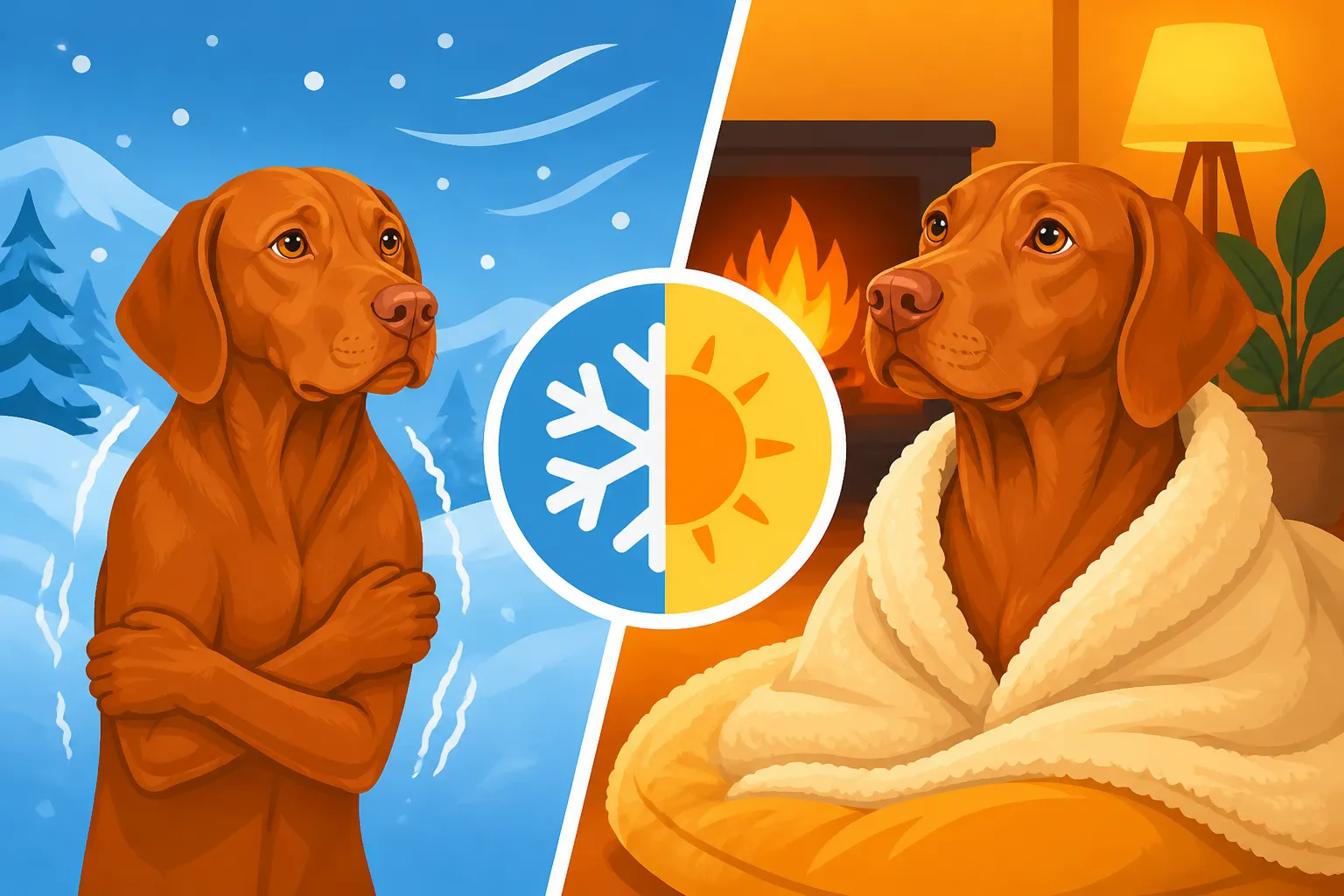
Whether a Vizsla Feels the Cold
It’s a common sight for Vizsla owners: your sleek, rust-colored companion shivering on a crisp autumn morning, or burrowing deep under blankets when you barely feel a chill. It’s enough to make you wonder if your sweet, sensitive Vizsla is simply dramatic, or if they truly feel the cold more acutely than other dogs. The truth is, that seemingly dramatic shiver is often a genuine physiological response, and understanding why your Vizsla feels the cold is key to ensuring their comfort and well-being, both indoors and out. This guide will explore the unique characteristics of the Vizsla breed that make them susceptible to cold, how to recognize the signs of discomfort, and practical ways to keep them cozy.
The Vizsla's Unique Coat: Why It Offers Little Protection
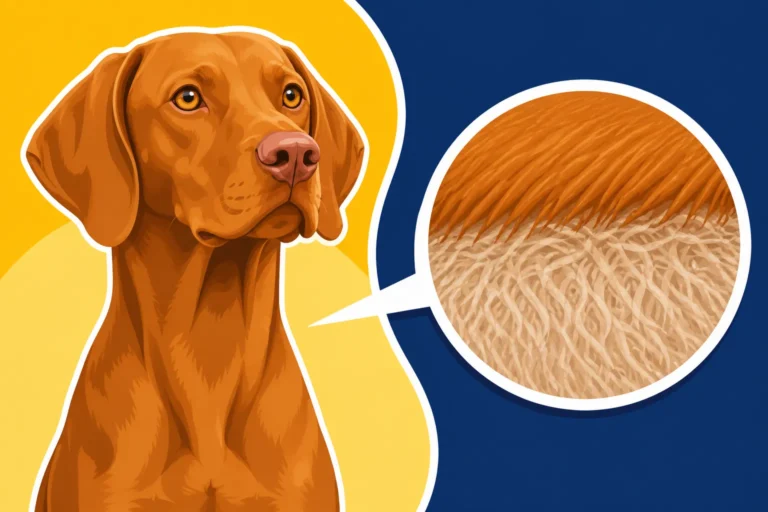
Unlike many dog breeds bred for colder climates, the Vizsla’s signature short, smooth, and dense coat, while beautiful, is not designed for significant insulation. This breed's heritage as a versatile hunting dog in the relatively milder climates of Hungary means their natural defenses against harsh cold are limited. It's not just about the length of the hair; it's about the entire structure of their coat.
Absence of an Insulating Undercoat
Many breeds, especially those from colder regions, boast a double coat. This means they have a coarse outer guard coat that repels water and protects against thorns, and a soft, fluffy undercoat that traps air close to the body, acting as a natural insulator. Think of a Siberian Husky or a Newfoundland—they have this thick, protective layer. Your Vizsla, however, primarily has a single coat. The Single Coat a Vizsla Has and Why It Changes Everything This means there's no fuzzy layer underneath to trap warmth. Their short, sleek hair lies close to the skin, offering minimal air pockets for insulation. This is fantastic for staying cool in warmer weather and for quickly shedding water after a dip, but it's a significant disadvantage when the temperature drops.
Thin Skin and Low Body Fat
Beyond the coat, a Vizsla's physical build also plays a role. They are renowned for their lean, athletic build, which is ideal for speed and endurance in the field. However, this leanness often means they carry less subcutaneous fat compared to stockier breeds. Fat acts as a natural insulator, providing an extra layer of warmth beneath the skin. A Vizsla’s thin skin and minimal body fat mean there’s less buffer between their internal organs and the ambient temperature. When they’re active, their metabolism generates heat, but when they’re resting, or the air is particularly cold, that heat dissipates rapidly. This is why you often see them shivering, even when they're simply lounging inside the house.
How Cold is Too Cold: Understanding Their Limits
Determining "how cold is too cold" for a Vizsla isn't a precise science, as individual tolerance can vary based on age, health, and activity level. However, there are general guidelines that can help owners make informed decisions about their dog's outdoor exposure and indoor comfort. Ignoring these signs can lead to more than just discomfort; it can pose serious health risks.
Temperature Thresholds for Vizslas
For most healthy adult Vizslas, temperatures above 45-50°F (7-10°C) are generally tolerable for normal outdoor activities, especially if they are actively running or playing. As the temperature dips below this, caution becomes increasingly important. Between 32-45°F (0-7°C), shorter outings are advisable, and protective gear like a well-fitted coat becomes almost essential. Below freezing (32°F/0°C), the risks of hypothermia and frostbite escalate rapidly, especially for dogs that are inactive, very young, old, or have underlying health conditions. For puppies, senior Vizslas, or those with compromised immune systems like those dealing with Thyroid Failure in a Vizsla or other illnesses, even moderately cool temperatures can be too much. The Temperature a Vizsla Needs a Coat At
| Temperature Range | Vizsla Activity/Protection Recommendations |
|---|---|
| Above 50°F (10°C) | Generally comfortable for most activities. Monitor for overheating in direct sun or high humidity. |
| 45-50°F (7-10°C) | Comfortable for active play or walks. Consider a light sweater or jacket for sedentary periods outdoors, especially for sensitive dogs or those prone to shivering. |
| 32-45°F (0-7°C) | Shorter outdoor exposure recommended. A warm, waterproof dog coat is highly advisable for walks, potty breaks, and any outdoor activity. Watch for shivering and seek warmth if observed. |
| 20-32°F (-7 – 0°C) | Limit outdoor time to quick potty breaks. A heavy, insulated dog coat and paw protection (boots) are crucial. Risk of hypothermia and frostbite increases significantly. Monitor constantly. |
| Below 20°F (-7°C) | Extremely dangerous. Avoid outdoor exposure almost entirely, even for short periods. Potty breaks should be very quick. Immediate veterinary attention needed if signs of hypothermia or frostbite appear. |
The Dangers of Prolonged Cold Exposure
Prolonged exposure to cold temperatures can lead to serious health issues for your Vizsla. Hypothermia occurs when a dog's body loses heat faster than it can produce it, causing a dangerously low body temperature. Symptoms include shivering, lethargy, weakness, pale gums, and in severe cases, collapse. Frostbite, while less common for the main body, can affect extremities like ears, tail, and paw pads. The thin skin on a Vizsla's ears and the exposed pads of their feet are particularly vulnerable to cold-related injuries. Even seemingly minor cold can exacerbate existing conditions or make them more susceptible to illness. For instance, cold can make joint pain worse in older dogs, or weaken a dog already battling an immune system issue. It’s crucial to remember that a Vizsla's love for the outdoors doesn’t negate their vulnerability to the elements; they’ll often push themselves even when they're uncomfortable, so it's up to us to protect them.
Signs Your Vizsla is Feeling Chilly: Beyond the Shivers
While shivering is the most obvious indicator that your Vizsla is cold, it's not the only one. Our dogs communicate their discomfort in various ways, and learning to interpret these subtle cues can help you keep them warm and safe. A Vizsla’s innate desire to please and their high pain tolerance from their hunting background means they might try to tough it out longer than they should.
Body Language and Behavioral Changes
Beyond the noticeable shivers, pay close attention to your Vizsla’s posture and activity levels. If your dog is hunched over, tail tucked, or lifting their paws off the cold ground, they are definitely trying to tell you they're uncomfortable. You might notice them moving more slowly, or conversely, running excessively in an attempt to generate body heat. They might seem stiff or reluctant to move, particularly after being outside. Many Vizslas will try to "make themselves small" by curling into a tight ball, tucking their nose under their tail, or burying their head into your lap or a blanket. This instinctual behavior helps reduce the amount of surface area exposed to the cold, thereby conserving body heat. Sometimes, the change isn't dramatic; they might just seem a little less enthusiastic on a walk, or quicker to want to head home.
Seeking Warmth and Physical Contact
One of the most endearing and obvious signs that a Vizsla is cold is their relentless pursuit of warmth, usually in the form of human contact. This is where the "Velcro Vizsla" nickname really comes into play. If your Vizsla is constantly trying to crawl under your blanket, wedge themselves between your legs on the sofa, or outright sit on you, it’s not just affection—it's often a quest for heat. The Vizsla That Sits On You Rather Than Beside You You might find them gravitating towards heat vents, sunny spots on the floor, or even trying to sneak into your bed under the covers. Whether a Vizsla Burrows Under Blankets for Warmth Look for them to seek out soft, warm surfaces like dog beds with thick blankets, or the warmest spot on the couch. Their need for physical closeness, even more than usual, is a strong indicator that they’re feeling the chill.
Practical Steps to Keep Your Vizsla Warm Indoors and Out
Keeping a Vizsla warm requires a proactive approach, both inside your home and when venturing outdoors. Their limited natural insulation means you, as their owner, need to provide the warmth and protection they lack. This isn't just about comfort; it's about their health.
Indoor Comfort Strategies
Even indoors, Vizslas can feel the cold, especially if your home is drafty or the ambient temperature is set lower. Providing warm, comfortable bedding is paramount. Invest in a plush dog bed, perhaps one with raised sides that allows them to curl up and retain body heat. Memory foam beds can offer insulation from cold floors, and for especially chilly homes or older Vizslas, a self-warming or heated dog bed can be a game-changer. You can find excellent options for these on sites like Chewy or Amazon. Make sure they have access to blankets to burrow under—many Vizslas absolutely adore tunneling under a soft fleece. If they are still shivering indoors (see Whether a Vizsla Shivers Indoors) despite these measures, consider adjusting your thermostat slightly, or giving them a light indoor sweater, especially during inactive periods.
Essential Outdoor Gear for Cold Weather
When it comes to outdoor activities, a high-quality dog coat is not a luxury, it's a necessity for a Vizsla. Look for coats that are waterproof or water-resistant, insulated, and provide good coverage over their chest and belly, as these areas are particularly exposed. Consider coats made with materials like fleece lining and an outer shell that blocks wind and moisture. Brands like Ruffwear or Hurtta are often recommended for their durability and warmth. For very cold or snowy conditions, paw protection is also crucial. Dog boots can prevent frostbite, protect against ice and salt, and provide better traction. Introduce boots gradually and make it a positive experience. You can browse a wide selection of coats and boots from retailers like Chewy or Amazon, ensuring you find something that fits your Vizsla's athletic build without hindering their movement. Whether a Vizsla Needs a Winter Jacket
Winter Care Essentials: Gear and Nutrition Considerations
Preparing your Vizsla for winter goes beyond just buying a coat; it involves a holistic approach to their care, including specialized gear and adjustments to their diet to support their increased energy needs in cold weather.
Dressing for the Elements: Coats and Paw Protection
As discussed, a good coat is non-negotiable for a Vizsla in cold weather. But consider when to use it. On a breezy 50-degree day, a lightweight fleece or quilted jacket might suffice for a short walk. When the temperature drops below freezing, or if there's precipitation like rain or snow, a heavier, insulated, and waterproof coat is essential, covering as much of their body as possible. For very active Vizslas that are still hunting or training in cold conditions, look for vests that offer warmth without restricting movement, and in blaze orange for visibility if hunting. You can typically find a robust selection of these on Amazon or specialized hunting dog supply sites.
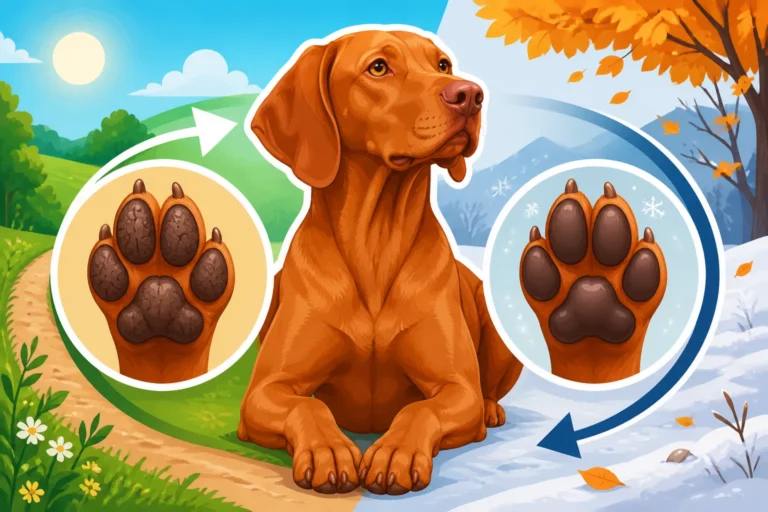
Paw protection is equally vital. Snow and ice can cling to paw pads, causing painful ice balls, while road salt and de-icers can be irritating and even toxic if ingested. Dog boots are the best defense, but if your Vizsla won't tolerate them, a paw balm or wax (like Musher's Secret) can provide some protection and prevent cracking. Always rinse and dry your Vizsla’s paws thoroughly after walks in winter to remove any chemical residue or ice.
Nutritional Adjustments for Colder Months
In colder weather, your Vizsla's body works harder to maintain its core temperature, which means they burn more calories. If your Vizsla is active during the winter, whether hunting or just playing vigorously in the snow, they may require an increase in their daily food intake to maintain their weight and energy levels. Keeping Weight On a Working Vizsla This is particularly true for working Vizslas. Consult with your veterinarian to determine if a slight increase in their normal, high-quality kibble is appropriate, or if a food with a slightly higher fat content would be beneficial. Some owners find that supplementing their dog's regular diet with a bit of cooked, lean meat or a specialized performance formula can help keep weight on. If you're considering dietary changes, you might explore high-quality fresh dog food services like Ollie, or find suitable performance kibble on Chewy, making sure to introduce any new food gradually to avoid stomach upset. Whether a Vizsla Needs More Food in Winter Regular monitoring of their weight and body condition throughout the colder months will help ensure they are getting adequate nutrition.
Disclaimer
This article is for general informational purposes only and does not constitute professional advice. Laws, prices and regulations vary by location and change over time. Consult a qualified professional for guidance on your specific situation.