Whether a Vizsla Has an Undercoat
One of the most common questions new Vizsla owners, or those simply admiring the breed, ask is about their coat. You might hear people say Vizslas don't shed much because they don't have an undercoat, or conversely, be surprised by the amount of fine, golden-rust hair that ends up on your furniture. Understanding the unique nature of the Vizsla's coat is crucial for their comfort, health, and for managing your home, and this guide will dive deep into whether a Vizsla genuinely has an undercoat and what that means for their daily care.
The Truth About the Vizsla Coat: A Single Layer of Golden Rust
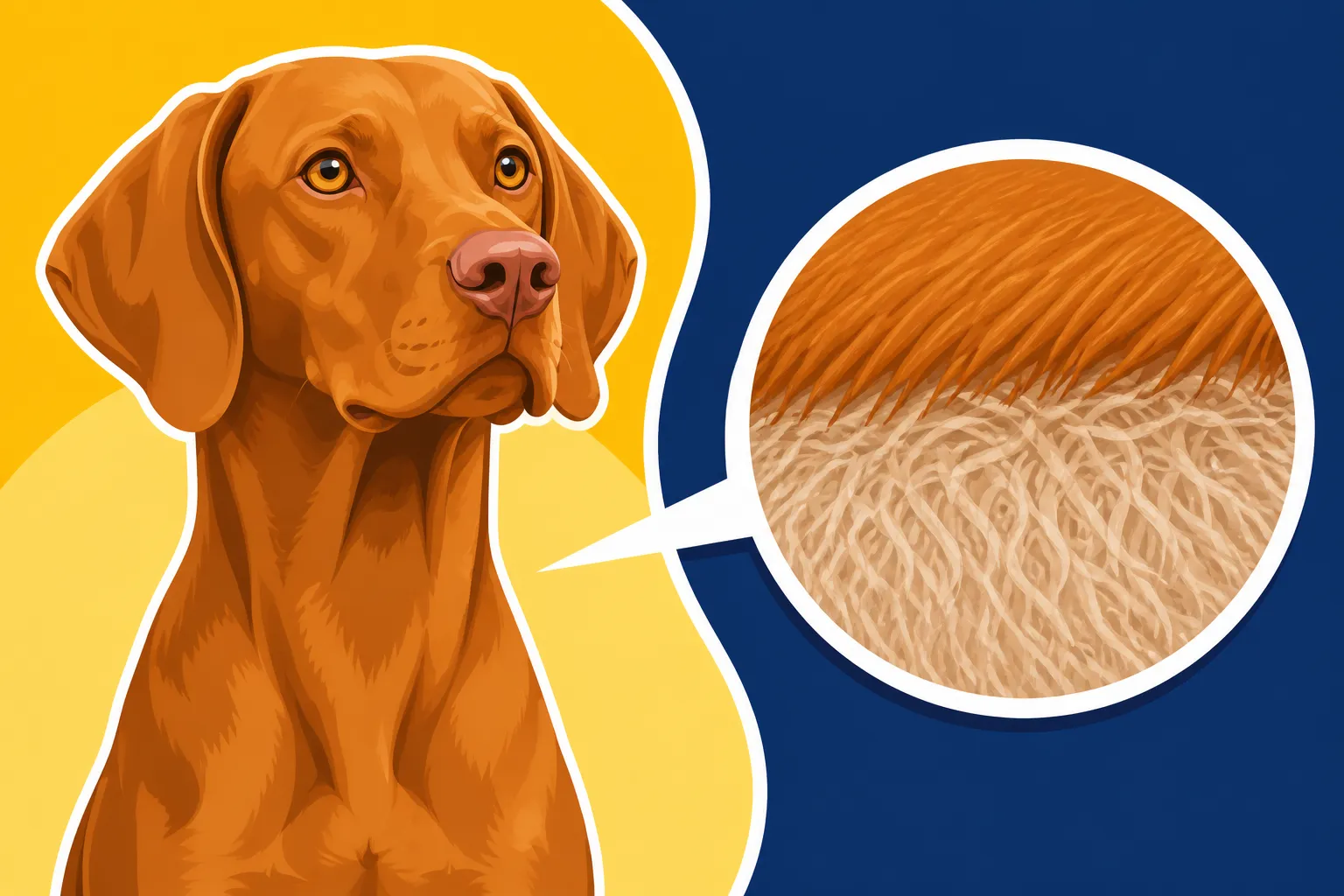
Let's cut right to the chase: your beautiful, sleek Vizsla does not have an undercoat in the traditional sense that many other breeds do. When we talk about an undercoat, we usually mean that dense, fluffy, insulating layer of shorter hairs that lies beneath the longer, coarser guard hairs. Breeds like German Shepherds, Labradors, Huskies, and many others have this double coat, designed to protect them from extreme temperatures and moisture. The Vizsla, however, is built differently, a testament to its specific role as a versatile hunting dog in the Hungarian plains.
Understanding the Single Coat Structure
The Vizsla's coat is what we call a single coat, meaning it consists primarily of short, dense, smooth guard hairs, with no soft, downy underlayer. These hairs are remarkably fine, feeling almost like velvet to the touch, and they lie flat against the body. This characteristic golden-rust coat is not just for looks; it's a functional masterpiece. Its texture and density allow it to offer a degree of protection against minor abrasions and light weather while being lightweight enough not to impede the dog's agility or cause overheating during intense physical activity in warmer climates or during long hunts.
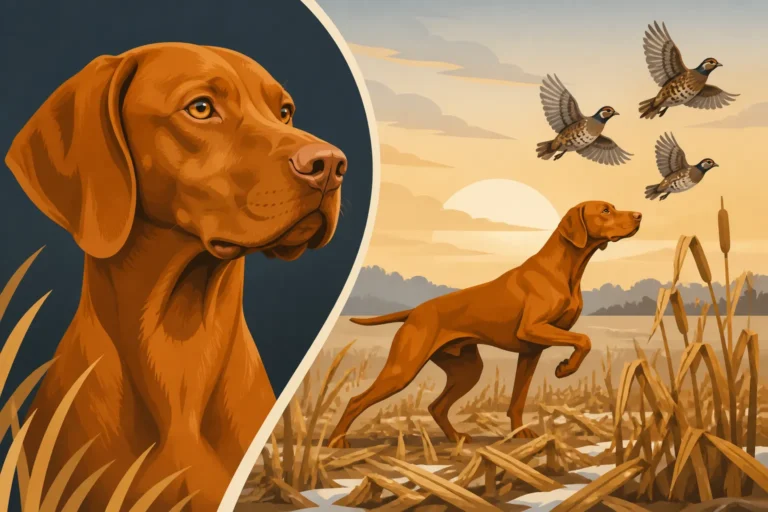
Imagine your Vizsla tearing through tall grass, scenting game. A heavy, double coat would drag them down, make them sweat excessively, and become waterlogged in damp conditions, taking ages to dry. The Vizsla's single coat, by contrast, is designed for efficiency. It sheds water relatively quickly and provides a streamlined profile, allowing them to move with incredible speed and endurance. This streamlined design also means less bulk to carry, contributing to their athletic prowess. It’s truly a coat built for purpose, honed over centuries of selective breeding for a specific hunting role.
Why a Single Coat Matters for Vizsla Care
The absence of an undercoat has profound implications for how you care for your Vizsla, affecting everything from grooming routines to how you protect them from the elements. First and foremost, without that thick insulating layer, Vizslas are far more susceptible to cold. You'll quickly notice your Vizsla shivering even in mild temperatures that wouldn't bother a double-coated breed. This means they absolutely need protection in colder weather, whether it's a cozy sweater for a walk or a warm, insulated bed indoors. You'll find many owners purchasing special gear to ensure their Vizsla stays comfortable, especially if they spend time outdoors in cooler months.
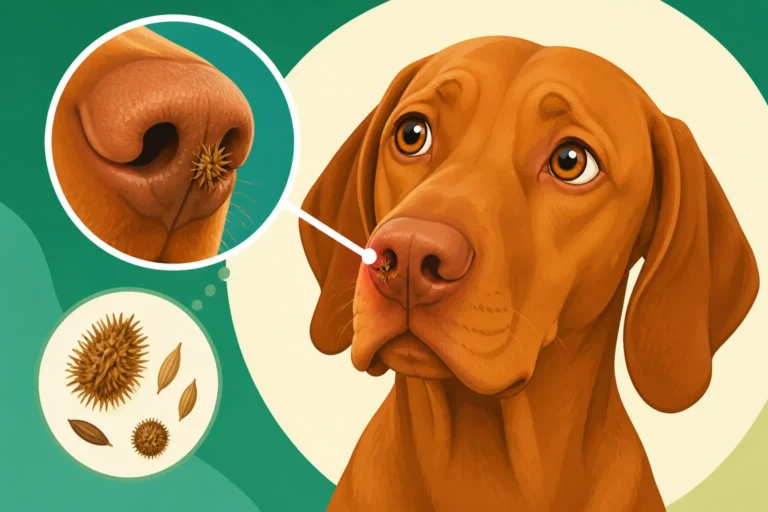
Conversely, while they can overheat during strenuous exercise, their single coat helps them dissipate heat more effectively than a double-coated dog would once they stop working. The downside here is also related to protection: that thin skin, covered by a single layer, is more vulnerable to scratches, scrapes, and even sunburn. This sensitivity means you'll need to be extra vigilant about checking them over after every outdoor adventure, particularly if they've been running through dense brush or prickly fields. Understanding their coat type isn't just a matter of aesthetics; it's central to their health and well-being.
Shedding: Dispelling the Low-Shed Myth
Often, when people hear "single coat" or "no undercoat," they assume it means the dog doesn't shed much. Oh, if only that were entirely true! While it's accurate that Vizslas don't have the heavy, seasonal "coat blow" that breeds with dense undercoats experience, they absolutely do shed. In fact, many Vizsla owners will tell you that they shed quite a bit, albeit a different type of shedding. It's a common point of frustration for those expecting a truly low-shedding companion, only to find fine, golden hairs clinging to everything.
The Reality of Vizsla Shedding
A Vizsla's shedding is often characterized by a continuous, fine hair loss throughout the year, rather than distinct periods of heavy shedding. These short, needle-like hairs can embed themselves surprisingly stubbornly into carpets, upholstery, and clothing. Because the hairs are so fine and short, they can be more challenging to remove than longer, coarser hairs. It's not the massive clumps you might rake off a Husky, but it's a persistent sprinkle that can accumulate quickly if not managed. While there might be slight fluctuations with seasons, the shedding remains pretty constant.
The idea that "no undercoat" equals "no shedding" is a misunderstanding. All dogs shed, as it's a natural process of hair growth and replacement. The difference lies in the volume and type of hair. For a Vizsla, you're dealing with a constant turnover of their single-layer coat. This means that a diligent grooming routine is still very much a part of Vizsla ownership, not just for their appearance, but for the cleanliness of your home. Expect to find these distinctive golden hairs on your favorite black sweater, no matter how much you brush!
Managing Seasonal and Year-Round Hair Loss
Managing a Vizsla's shedding is less about preventing it entirely and more about containing it. Regular brushing is your best friend here. Even though they have short hair, frequent brushing helps to remove loose and dead hairs before they have a chance to land on your furniture or clothes. A good quality rubber curry brush or a grooming mitt can work wonders, especially one designed to grab fine, short hairs. Aim for several times a week, or even daily during perceived heavier shedding periods. This isn't just about reducing hair in your house; it also helps to distribute natural skin oils, keeping their coat healthy and shiny. You can find excellent options on Chewy or Amazon with positive reviews from other short-haired dog owners.
Beyond brushing, consider your cleaning routine. Regular vacuuming, especially with a vacuum designed for pet hair, will be essential. Lint rollers will become a staple in your home, car, and possibly even your purse or briefcase! Some owners also find that adding omega-3 fatty acid supplements to their Vizsla's diet can contribute to healthier skin and coat, potentially reducing excessive shedding caused by dryness. While no supplement will stop shedding completely, a healthy coat sheds less overall. Remember, even with the best efforts, a Vizsla's golden hairs are simply part of the package.
Grooming Essentials for the Vizsla's Unique Coat
Because the Vizsla's coat is so distinctive—single, short, fine, and close-lying—their grooming needs differ significantly from breeds with double coats or longer hair. You won't be dealing with mats or intricate styling, but you will focus heavily on maintaining skin health, managing shedding, and protecting their exposed skin. A thoughtful grooming routine is key not just for cleanliness, but for keeping their sensitive skin in top condition, which directly impacts the health and appearance of their coat.
Brushing Techniques to Handle Fine Hair
Forget the rake-style brushes or de-shedding tools designed for undercoats; these won't be effective, and might even be too harsh for your Vizsla's delicate skin. For a Vizsla, the goal of brushing is to remove loose hair, stimulate circulation, and distribute natural oils. A soft rubber curry brush or a grooming mitt is ideal. The nubs on these tools gently massage the skin while effectively grabbing those fine, short hairs that would otherwise end up on your sofa. You simply brush in the direction of hair growth, applying light to moderate pressure. Many owners swear by the daily ritual, turning it into a bonding experience.
Another excellent tool is a bristle brush with natural bristles, which can add a beautiful sheen to their coat by smoothing the hairs and further distributing oils. For a quick touch-up or to remove dust and dander, a hound glove (a glove with a textured palm) can also be quite effective. Remember, the frequency of brushing is more important than the intensity for a Vizsla. Regular, gentle sessions are far more beneficial than infrequent, vigorous ones, which could irritate their skin. Think of it as polishing a fine piece of furniture rather than scrubbing a heavily soiled item.
Bathing for Skin and Coat Health
Bathing a Vizsla is generally a straightforward affair. Since they lack an undercoat, drying time is usually much quicker compared to many other breeds. However, their single coat and often sensitive skin mean you need to be mindful of the products you use and the frequency of bathing. Over-bathing can strip their skin of natural oils, leading to dryness, itchiness, and even secondary skin issues. Unless your Vizsla has rolled in something truly disgusting (a common Vizsla pastime!), baths are typically only needed when they are visibly dirty or once every few weeks to once a month.
When you do bathe your Vizsla, use a mild, pH-balanced dog shampoo, preferably one formulated for sensitive skin or designed to promote a healthy coat. Avoid harsh detergents or human shampoos, which can disrupt their skin's natural balance. Always rinse thoroughly to ensure no residue is left behind, as this can also cause irritation. After bathing, gently towel-dry your Vizsla. Because their coat is so short, a powerful blow dryer is rarely necessary and could even be uncomfortable or irritating for their skin. A quick rub down, and they'll air dry rapidly, especially indoors. For Vizslas prone to certain skin issues, your vet might recommend specific medicated shampoos; Whether a Vizsla Needs Medicated Baths for Life delves deeper into these situations.
Tools and Products for Optimal Coat Care
Equipping yourself with the right tools makes Vizsla coat care a breeze. Beyond the aforementioned rubber curry brush, a high-quality, soft bristle brush is great for finishing touches and adding shine. For those fine hairs that seem to stick everywhere, a good lint roller (and plenty of refills!) is invaluable.
For bathing, choose a reputable brand of dog shampoo known for gentle ingredients. Hypoallergenic or oatmeal-based shampoos are often excellent choices for Vizslas with sensitive skin. Many owners also find certain supplements beneficial for coat health. Fish oil, rich in omega-3 fatty acids, can promote a lustrous coat and support skin health from the inside out. You can find a wide range of these grooming tools and supplements from trusted retailers like Chewy or Amazon. When considering their diet, some owners opt for specialized dog foods, which can be found from brands like Ollie, known for fresh ingredients that contribute to overall health, including skin and coat condition. This attention to detail in their diet can often reflect directly in the quality of their coat.
| Grooming Tool / Product | Purpose | Ideal For Vizslas? |
|---|---|---|
| Rubber Curry Brush | Removes loose hair, massages skin | Yes, excellent for short, fine hair and stimulating skin. |
| Bristle Brush | Adds shine, distributes oils | Yes, for finishing, smoothing, and promoting a healthy sheen. |
| Grooming Mitt | General shedding, light massage | Yes, good for quick de-shedding and bonding. |
| Mild Dog Shampoo | Cleansing, maintaining skin pH | Yes, essential for sensitive skin; avoid harsh chemicals. |
| Fish Oil Supplement | Promotes healthy skin and coat | Recommended for internal coat health, shine, and skin moisture. |
| Lint Rollers | Removes stray hairs from surfaces | Absolutely essential for managing shed hair on clothing and furniture. |
| Soft Towels | Drying after bath | Yes, quicker drying time due to single coat. |
Temperature Regulation and the Vizsla's Single Coat
The lack of an undercoat isn't just a grooming consideration; it's a fundamental aspect of the Vizsla's physiology that dictates how they interact with their environment, particularly concerning temperature. Their streamlined, single coat means they excel in certain conditions and struggle in others, making temperature regulation a significant aspect of Vizsla ownership. You'll quickly learn that a Vizsla's comfort zone is narrower than that of a Golden Retriever or a Siberian Husky.
Protecting Your Vizsla in Cold Weather
This is where the single coat truly makes a difference. Without that insulating underlayer, Vizslas lose body heat much more rapidly, especially when inactive or in damp conditions. A chilly breeze can send shivers through them in minutes, and prolonged exposure to cold can quickly lead to hypothermia. This isn't just anecdotal; it's a well-documented trait. As a result, providing warmth is paramount for your Vizsla in cooler temperatures. The Cold a Vizsla Genuinely Cannot Handle explores this topic in detail.
For outdoor excursions in autumn or winter, a dog coat or sweater is not a fashion statement; it's a necessity. Look for waterproof or water-resistant options that offer good insulation, especially for their chest and belly, which are areas particularly prone to heat loss. Indoors, ensure they have a warm, draft-free place to sleep. Many Vizslas love to burrow under blankets or sleep snuggled up with their people for warmth. Heated beds or self-warming pads can also be a godsend. Ignoring their need for warmth can lead to discomfort, illness, and a very unhappy, shivering dog.
Addressing Heat and Sun Sensitivity
While a single coat makes Vizslas sensitive to cold, it also helps them dissipate heat more efficiently when they are not actively working. However, this doesn't mean they are impervious to overheating during strenuous activity in warm weather. Their high energy levels mean they can push themselves too hard, and their sleek coat, while not holding heat like a dense undercoat, doesn't prevent internal heat buildup from exercise. Always provide plenty of fresh water, plan exercise for cooler parts of the day, and be vigilant for signs of overheating. Whether a Vizsla Overheats Working in Heat is a good resource here.
Furthermore, their thin coat offers less protection from the sun's harsh rays. Vizslas, especially those with paler noses or bellies, can get sunburned. This is particularly true for their delicate nose leather and any areas with sparse hair. Just like humans, repeated sunburn can increase the risk of skin damage. If your Vizsla spends significant time outdoors in sunny conditions, especially at high altitudes or near reflective surfaces like water or snow, consider using pet-safe sunscreen on their nose and ear tips. Whether a Vizsla Sunburns covers this concern. The single coat means you need to be their protector against both ends of the temperature spectrum.
Common Coat and Skin Issues in Vizslas
The very characteristics that make the Vizsla's coat unique—its single layer, fine texture, and proximity to sensitive skin—also predispose them to certain coat and skin issues. Understanding these potential problems is crucial for early detection and effective management, ensuring your Vizsla remains comfortable and healthy. It's not uncommon for Vizsla owners to become quite familiar with their vet's office for skin-related concerns.
Dry Skin and Flakiness
Without the protective and insulating properties of an undercoat, a Vizsla's skin can be more prone to dryness, especially in arid climates or during colder months when indoor heating can strip moisture from the air. This can manifest as flakiness, dandruff-like particles, and sometimes a dull, lacklustre coat. An itchy Vizsla is a miserable Vizsla, and constant scratching can lead to secondary skin infections. Managing a Vizsla's Skin for Life offers broader advice.
To combat dry skin, ensure your Vizsla's diet is rich in essential fatty acids. Quality dog foods often include these, but supplements like fish oil can provide an extra boost. Avoiding over-bathing with harsh shampoos is also critical, as mentioned earlier. If dryness persists, consult your veterinarian. They might recommend specific moisturizing shampoos, topical treatments, or dietary adjustments. Sometimes, what appears to be simple dry skin can be an early sign of a more complex dermatological issue, so always keep an eye on persistent flakiness or itching.
Allergic Reactions and Their Impact on the Coat
Vizslas are unfortunately known for their propensity for immune-mediated diseases, and allergies are a common manifestation of this. Why a Vizsla's Immune System Is the Breed's Weak Point explains this further. Their sensitive skin, coupled with their single coat providing less physical barrier, can make them particularly susceptible to environmental allergens, food sensitivities, or contact irritants. Allergic reactions often present as intense itching, redness, rashes, hot spots, and, of course, changes in their coat. You might notice excessive shedding, dullness, or even localized hair loss from scratching or licking.
Identifying the allergen can be a lengthy process involving dietary trials, environmental changes, and sometimes allergy testing. Common culprits include pollens, dust mites, certain food proteins (like chicken or beef), and even household cleaning products. If you suspect allergies, a trip to your vet is essential. They can help devise a diagnostic and management plan, which might include antihistamines, steroids, specialized diets (perhaps using novel proteins or limited ingredients available from retailers like Ollie), or immunotherapy. Dealing with allergies can be a lifelong journey for many Vizsla owners, and understanding their coat and skin's vulnerability is the first step in providing relief.
Disclaimer
This article is for general informational purposes only and does not constitute professional advice. Laws, prices and regulations vary by location and change over time. Consult a qualified professional for guidance on your specific situation.