Whether a Vizsla Coat Is Self Cleaning
If you're a Vizsla owner, or thinking of becoming one, you've probably heard whispers about their "self-cleaning" coats. It sounds like a dream, doesn't it? A dog that can romp through mud and emerge pristine, saving you endless grooming battles. The truth, however, is a bit more nuanced than that wishful thinking. While Vizslas do have some characteristics that make their coats remarkably easy to manage compared to many other breeds, calling them truly "self-cleaning" might set you up for disappointment when your orange dog decides to redecorate himself with a fresh layer of pond muck. This guide will dive deep into the unique properties of the Vizsla's coat, explore what "self-cleaning" actually means in the canine world, and help you understand the practical steps you can take to keep your furry companion looking and feeling his best, even after the most enthusiastic outdoor adventures.
Understanding the Vizsla Coat: Characteristics and Structure
The Vizsla's coat is one of its most striking features, both for its beautiful golden-rust color and its distinct texture. Unlike many other breeds, there's no complex undercoat to contend with, which significantly influences how it handles the elements and your grooming routine.
The Vizsla's Signature Single Coat
One of the defining characteristics of the Vizsla is its single coat. This isn't just a trivial detail; it’s a fundamental aspect that shapes almost everything about their coat care. Many dog breeds, especially those originating from colder climates or working in harsh conditions, possess a double coat. This means they have a soft, dense undercoat for insulation beneath a coarser, protective outer layer. Think of a Labrador, a Husky, or a German Shepherd – they all sport that thick, fluffy undercoat that helps them stay warm and sheds profusely in chunks.
The Vizsla, on the other hand, has The Single Coat a Vizsla Has and Why It Changes Everything. Their coat is uniformly short, smooth, and dense, lying close to the body without a separate insulating layer. This single layer is why they are often perceived as having an easier coat to maintain. It doesn't trap debris as readily as a double coat might, and it tends to dry faster. However, this also means they lack the natural insulation against cold and wet weather that a double-coated dog enjoys, which is a crucial consideration for owners.
Texture and Density: What Makes it Unique
Beyond being a single coat, the Vizsla's fur has a very specific texture: it's short, smooth, and typically quite firm, not soft and silky like a spaniel's or wiry like a terrier's. This texture, combined with its density, plays a large role in how it interacts with dirt and moisture. When you run your hand over a Vizsla's coat, it feels sleek and almost velvety, but firm enough to offer some protection.
This unique combination allows the coat to shed dirt remarkably well once it's dry. Mud, for example, often forms a crust on the surface of their short hair. Once this crust dries, it tends to flake off quite easily with a shake or a quick brush. This is where the "self-cleaning" myth largely originates. Compared to a shaggy, long-haired breed where mud can get deeply embedded, or a double-coated breed where it can cling to the undercoat, a Vizsla's coat appears to shed grime with minimal effort. The density means that while the individual hairs are short, there are a lot of them, providing a uniform barrier.
Natural Oils and Their Role in Coat Health
Like all dogs, Vizslas produce natural oils from glands in their skin. These oils are vital for maintaining a healthy coat and skin. They provide a natural barrier, helping to keep the skin moisturized and the fur supple. For Vizslas, these oils also contribute to the sheen of their distinctive golden-rust coat, giving it that lustrous appearance.
These natural oils, along with the smooth texture, can also offer a slight repellency to water and dirt. They prevent water from soaking directly into the skin as quickly as it might on a drier coat, and they can make dirt particles less likely to stick stubbornly. However, this isn't a waterproof barrier, and heavy rain or a dip in a pond will still leave your Vizsla thoroughly wet. Maintaining the right balance of these oils is key; too much can lead to an oily, potentially smelly coat or skin issues, while too little can result in dry, flaky skin and a dull coat. This balance is often influenced by diet, environment, and your grooming routine, particularly how often you bathe your Vizsla and with what products. Whether a Vizsla Needs Fish Oil can be a related consideration for supporting healthy skin and coat.
The Reality of "Self-Cleaning" in Dog Coats
The idea of a "self-cleaning" coat is undeniably appealing, conjuring images of effortless dog ownership. However, in reality, no dog coat is truly self-cleaning in the way a self-cleaning oven operates. The term is more about relative ease of maintenance and how certain coat types are better at shedding dirt and debris than others.
The Myth vs. the Practical Truth
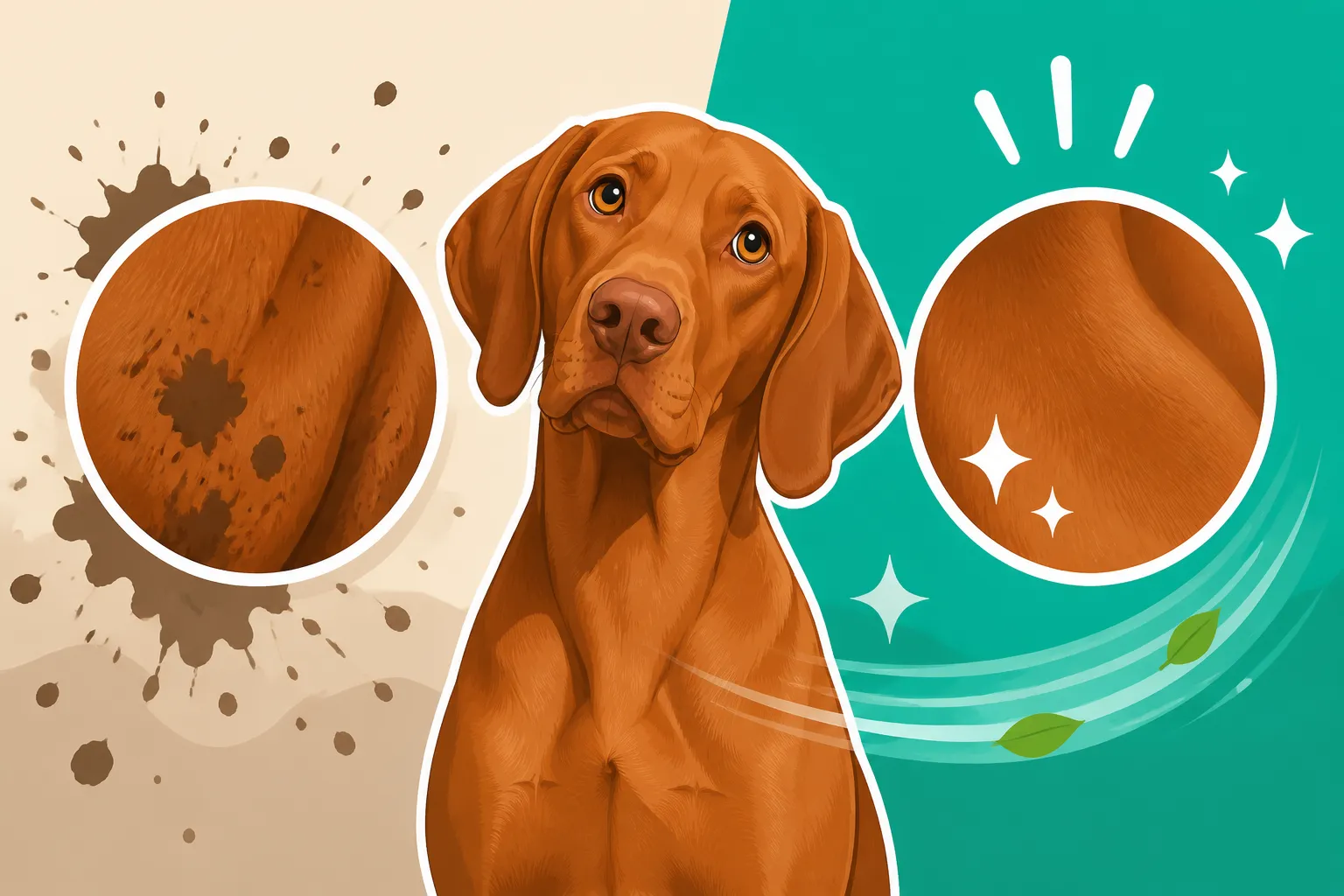
Let's bust the myth right away: your Vizsla will not emerge from a muddy field sparkling clean through some magical canine ability. What happens is a remarkable, but still biological and physical, process. When a Vizsla runs through mud, their short, dense coat prevents the mud from becoming deeply embedded in the way it would in a long-haired or heavily undercoated breed. The mud tends to dry on the surface, forming a crust.
Once this crust is dry, it's far easier for a Vizsla to shake it off or for you to brush it away. Their short, smooth hairs don't provide many anchor points for debris. This is the "self-cleaning" aspect people refer to – the ability to shed dried dirt with minimal intervention. It doesn't mean no dirt sticks, or that all dirt will disappear without your help. It means less effort on your part to remove the visible dirt once it's dry, compared to what you'd face with a Newfoundland or a Portuguese Water Dog. It's a convenience, not a miracle. Many Vizsla owners will tell you stories of their dog rolling in something questionable, only for much of it to have flaked off by the time they get home, leaving behind a fine dust rather than caked-on gunk.
Comparing Vizsla Coats to Other Breeds
To truly appreciate the Vizsla's coat, it helps to compare it to other common coat types:
- Double-Coated Breeds (e.g., German Shepherds, Labs, Huskies): These dogs have a thick, insulating undercoat. While fantastic for warmth, this undercoat acts like velcro for dirt, burrs, and water. Mud gets trapped deep within, requiring extensive brushing and often bathing. Drying takes forever. The Vizsla's single coat is a breeze by comparison.
- Long-Haired Breeds (e.g., Golden Retrievers, English Setters): Beautiful coats, but prone to matting and collecting everything. Mud, leaves, twigs – it all becomes part of the dog's coat, needing diligent daily brushing to prevent tangles and skin irritation. A Vizsla’s short coat rarely mats.
- Wirehaired Breeds (e.g., Terriers, Wirehaired Vizslas): These coats are coarse and designed to repel water and dirt. They are very efficient at this, often shedding water and mud with ease. They typically require stripping or hand-plucking to maintain texture. While effective, their grooming needs are different from a smooth-coated Vizsla.
- Hairless Breeds (e.g., Chinese Crested): Minimal "coat" to clean, but their exposed skin requires significant care, including moisturizers and sun protection.
The Vizsla's smooth, short coat sits in a sweet spot: it's easy to clean because it doesn't trap debris, dries relatively quickly, and doesn't demand intricate grooming routines. This is why many refer to it as "self-cleaning" – it cleans up itself far more readily than most other breeds.
How Coat Type Influences Dirt Repellency
The primary factor in "dirt repellency" for a Vizsla's coat is its smooth texture and the way the hairs lie flat against the body. There's less surface area for dirt to cling to and fewer nooks and crannies for it to get lodged in. Imagine trying to stick mud to a smooth, flat surface versus a textured, shaggy one – the smooth surface will shed it more easily.
Secondly, the natural oils mentioned earlier provide a slight hydrophobic (water-repelling) quality, meaning water, and by extension, water-based mud, might bead up and run off slightly more than it would on a very dry or cottony coat. This isn't a perfect shield, but it contributes to the coat's ability to dry quickly and shed dirt.
However, this doesn't mean immunity to all grime. Sticky substances like tree sap, tar, or truly stubborn, oily mud will still cling. And while many small dry particles will fall off, a fine layer of dust will often remain, especially after rolling on a dusty trail. This is where regular, albeit minimal, human intervention comes into play. For instance, if your Vizsla comes home from a hunting trip covered in burrs, they might be easier to pick off their short coat than a long one, but they won't magically disappear. Whether a Vizsla Gets Grass Seeds in Its Feet is a common concern in the field, and while the coat might shed some, the feet always need a thorough check.
How the Vizsla Coat Handles Dirt, Mud, and Debris
While the Vizsla's coat is often praised for its "self-cleaning" properties, understanding how it handles various forms of outdoor grime gives a clearer picture of what to expect and how to best assist your dog.
Mud and Dust: What Really Happens
This is where the Vizsla's coat truly shines, relatively speaking. When your Vizsla plunges into a muddy puddle or churns through a mucky field, their short, sleek coat does not absorb the mud deeply. Instead, the mud tends to coat the outer layer of hair. This is due to the smooth texture and the way the hairs lie close, offering fewer attachment points for the thick, wet earth.
Once the mud begins to dry, it contracts and forms a brittle crust. Because the Vizsla's hairs are short and don't tangle easily, this dried mud layer often flakes off remarkably well. A vigorous shake from your Vizsla can send a shower of mud crumbs flying, leaving behind a much cleaner, though perhaps still dusty, dog. If your Vizsla dries off in their crate or on a designated mat, you'll find a pile of dried mud rather than a completely clean dog, but the bulk of the mess will have detached.
For dust, the process is similar. Fine dust from trails or fields will settle on the coat. Again, a good shake will dislodge a significant portion, but a fine layer will often remain. This is where a quick wipe with a damp cloth or a brush comes in handy to restore that signature shine. The ease with which mud and dust are shed is the main reason why Vizsla owners often feel their dogs are "self-cleaning." It saves a lot of heavy-duty scrubbing compared to breeds with long or double coats.
Water and Moisture Absorption
Given their single, short coat, Vizslas tend to dry much faster than most other breeds. This is a huge advantage, especially for dogs that love to swim or work in wet conditions. There's no thick undercoat to hold onto moisture for hours. After a swim, a few good shakes will remove the majority of the water, and their coat will air dry relatively quickly.
However, "drying fast" is not the same as "water-repellent." A Vizsla's coat will get thoroughly soaked. They don't have the dense, oily outer coat of a water retriever that makes water bead off like a duck's feathers. If your Vizsla is working in cold, wet weather, that quick drying time is crucial for preventing them from getting too chilled. But it also means they need protection in very cold or prolonged wet conditions, as their thin skin offers minimal insulation when wet. Whether a Vizsla Handles Cold Water is a pertinent question for those who hunt waterfowl, and the answer is usually with appropriate gear and monitoring.
Dealing with Burrs, Ticks, and Other Field Treasures
For field dogs like Vizslas, encountering burrs, thorns, and ticks is an inevitability. Here, the short coat offers a mixed bag of advantages and disadvantages.
On the positive side, burrs and sticky seeds are generally much easier to spot and remove from a Vizsla's short, sleek coat than from a long, shaggy one. They don't have the long fur to get deeply embedded or create massive tangles. You can usually pick them off quickly or brush them away with a slicker brush or a grooming mitt. This saves a lot of pain for both dog and owner.
However, the very nature of their adventurous spirit means they will pick up these things. And while easily removed from the body, burrs can still be a nightmare in sensitive areas like armpits, behind the ears, or between the paw pads. Ticks, too, might be easier to spot on a short, light-colored coat, but they can still attach anywhere. A thorough check after every outdoor excursion, especially in grassy or wooded areas, is non-negotiable. This is not a "self-cleaning" aspect; it requires diligent inspection from the owner. Checking a Vizsla Over After a Hunt is an absolute must to prevent issues like embedded grass seeds or unnoticed ticks.
Beyond "Self-Cleaning": Essential Vizsla Grooming Practices
Relying solely on the "self-cleaning" reputation of the Vizsla's coat is a recipe for a less-than-pristine pup and potential skin issues. While their coat is low-maintenance, it's not no-maintenance. Consistent, simple grooming practices are key to their health and happiness.
Regular Brushing for a Healthy Coat
Even if your Vizsla's coat sheds dirt easily, regular brushing is still essential. It's not just about removing visible grime; it's about promoting overall coat and skin health.
Firstly, brushing helps to distribute the natural oils produced by your Vizsla's skin across their coat. This keeps the fur shiny, healthy, and helps maintain that slight dirt and water repellency. Without brushing, these oils can build up in some areas and leave others dry, potentially leading to skin irritation or a dull coat.
Secondly, brushing removes loose hair, dead skin cells, and any fine dust or dander that hasn't fallen off naturally. Vizslas do shed, contrary to what some might assume about short-haired dogs. While they don't typically "blow coat" in large clumps like double-coated breeds, they have a continuous, fine shedding process. How Much a Vizsla Sheds might surprise some first-time owners. Regular brushing minimizes the amount of hair that ends up on your furniture and floors. A rubber curry brush, grooming mitt, or a bristle brush works wonderfully for their short coat. A quick daily or every-other-day brush-down is usually all it takes to keep their coat in top condition. You can find excellent grooming tools on platforms like Amazon or at specialty pet retailers like Chewy.
Bathing Frequency and Techniques for Vizslas
The "self-cleaning" myth might lead some to believe Vizslas rarely need baths. While they don't require bathing as frequently as some other breeds, skipping baths entirely is not advisable. The frequency depends largely on their lifestyle. A Vizsla who primarily enjoys walks on paved paths might only need a bath every few months, or when they've rolled in something particularly smelly. A working Vizsla who spends hours in fields, ponds, and woods will likely need more frequent baths.
The key is to avoid over-bathing, which can strip the natural oils from their skin, leading to dryness and irritation. Whether Frequent Bathing Dries a Vizsla's Skin is a valid concern. When you do bathe your Vizsla, use a mild, dog-specific shampoo. Human shampoos are too harsh and can disrupt their skin's pH balance. Look for shampoos formulated for sensitive skin if your Vizsla has any tendencies towards dryness. A good lather and thorough rinse are crucial. For heavily soiled dogs, a pre-rinse to get off the worst of the mud before shampooing can make the process more efficient. Finish with a thorough towel dry – their short coat dries quickly, making this process much faster than with long-haired dogs. Which Shampoo Suits a Vizsla's Skin and Whether a Vizsla Needs Conditioner are helpful resources for selecting the right products.
Maintaining Skin Health Underneath the Coat
A healthy coat starts with healthy skin. Because Vizslas have a thin coat, their skin is more exposed and can be more sensitive than that of breeds with denser fur. It's important to pay attention to the skin underneath.
Regular checks of their skin for any redness, flakiness, bumps, or lesions are vital, especially after outdoor activities. Their delicate skin is prone to scratches or minor cuts from rough cover, and these can become infected if not noticed. Additionally, some Vizslas can be predisposed to certain skin conditions. Managing a Vizsla's Skin for Life might involve specific care routines or dietary supplements if your dog is prone to issues.
Good nutrition also plays a massive role in skin and coat health. A high-quality diet rich in essential fatty acids (like Omega-3 and Omega-6) supports a healthy skin barrier and a lustrous coat. Many premium dog food brands, like Ollie, offer recipes designed to provide optimal nutrition, which indirectly supports skin health. If your Vizsla's coat seems dull, or their skin is dry, it's always worth consulting your vet to rule out underlying issues and discuss dietary adjustments or supplements.
Addressing Common Vizsla Coat Challenges
Even with a relatively easy-care coat, Vizsla owners can encounter specific challenges that require attention beyond the "self-cleaning" myth. Understanding these common issues and how to tackle them is part of being a responsible Vizsla parent.
Excessive Shedding and How to Manage It
While Vizslas are short-haired, they are by no means non-shedding. Many new owners are surprised by How Much Hair a Vizsla Leaves on Furniture. Their short, stiff hairs tend to weave themselves into fabric, making them quite noticeable on couches, carpets, and clothes. They shed continuously throughout the year, with potentially heavier periods seasonally.
Managing this shedding primarily comes down to consistent grooming. As mentioned, regular brushing with a rubber curry brush, a grooming mitt, or a deshedding tool designed for short coats can make a huge difference. These tools help to pull out the loose, dead hairs before they have a chance to fall out naturally around your home. Brushing outdoors, weather permitting, can also save you vacuuming time indoors.
Beyond brushing, a healthy diet supports stronger hair follicles, which can reduce excessive shedding. Ensure your Vizsla is eating a high-quality food. Some owners also find that adding omega fatty acid supplements (like fish oil) can improve coat health and reduce shedding, though always discuss supplements with your veterinarian first. Remember, shedding is a natural process; the goal isn't to eliminate it entirely, but to manage it effectively.
Dry Skin and Dull Coat Issues
A Vizsla's sleek, shiny coat is one of their hallmarks. If you notice their coat becoming dull, brittle, or if their skin is flaky and dry, it's a sign that something is amiss. Several factors can contribute to these issues:
- Dietary Deficiencies: Insufficient intake of essential fatty acids or other vital nutrients can directly impact skin and coat health. A review of their diet, possibly with a vet or a canine nutritionist, might be necessary. High-quality foods from brands like Ollie often emphasize balanced nutrition for skin and coat.
- Environmental Factors: Dry indoor air, especially in winter, can dehydrate skin. Likewise, prolonged exposure to harsh sun can dry out the coat.
- Over-Bathing or Wrong Products: Using human shampoo, harsh dog shampoos, or bathing too frequently can strip the natural oils, leading to dry skin.
- Underlying Medical Conditions: Hypothyroidism or certain immune-mediated diseases can manifest with poor coat quality and dry skin. If dietary and environmental changes don't help, a vet visit is essential to rule out medical causes. Thyroid Failure and the Vizsla's Coat is a known issue for the breed.
- Allergies: Environmental or food allergies can cause skin irritation, dryness, and a dull coat.
For dry skin and dull coats, increasing healthy fats in their diet, using a moisturizing dog shampoo (many are available on Amazon or Chewy), and considering a humidifier in dry environments can help. Never hesitate to consult your vet for persistent issues.
Odor and Its Underlying Causes
Most Vizsla owners proudly boast that their dogs have Why a Vizsla Has No Doggy Smell. This is largely true due to their single coat and generally healthy skin. However, if your Vizsla develops a noticeable odor, it's usually a sign of an underlying issue, not just a dirty coat that needs a "self-cleaning" reset.
Common causes of odor include:
- Skin Infections: Bacterial or yeast infections on the skin, often secondary to allergies or excessive moisture, can produce a distinct, unpleasant smell. Whether a Vizsla Gets Hot Spots and Whether a Vizsla Gets Yeast in Its Ears are common scenarios where odor can be a symptom.
- Allergies: Chronic skin inflammation from environmental or food allergies can lead to changes in skin oils and secondary infections, resulting in odor.
- Dental Disease: A strong odor from your dog's mouth often indicates dental issues, which are very common in dogs. Whether a Vizsla Needs Its Teeth Brushed is important for preventing this.
- Ear Infections: Moist, warm ear canals are breeding grounds for bacteria and yeast, leading to foul-smelling ear infections.
- Anal Gland Issues: Dogs have two anal glands that secrete a strong-smelling liquid. If these glands become impacted or infected, they can release their contents, causing a very noticeable and unpleasant smell.
- General Dirt: While their coat sheds mud, if they've rolled in something truly offensive (like animal waste or a dead critter), they will smell until properly bathed.
If your Vizsla starts to smell, don't just assume they need another bath. Investigate the source of the odor. Check their ears, teeth, skin folds, and under their tail. If you can't identify the cause or the smell persists after a bath, it's time for a vet visit. Addressing the root cause is the only way to eliminate the odor.
| Feature | Vizsla Coat | Double Coat (e.g., Lab) | Long Coat (e.g., Golden Retriever) | Wire Coat (e.g., Wirehaired Vizsla) |
|---|---|---|---|---|
| Layers | Single coat | Dense undercoat + coarse outer coat | Long, silky topcoat + softer undercoat | Coarse, wiry outer coat + softer undercoat |
| Dirt Repellency | Good, sheds dry mud/dust easily, but not truly "self-cleaning" | Poor, traps mud/debris deeply | Poor, collects dirt, burrs, prone to matting | Excellent, sheds dirt and water effectively |
| Drying Time | Fast | Very slow | Slow, especially if thick | Moderate to fast |
| Shedding | Moderate, continuous fine hairs | Heavy, seasonal "blowing" of undercoat | Moderate to heavy, long hairs | Minimal (unless stripped/plucked), stiff hairs |
| Matting Risk | Very low | Low (can mat if undercoat neglected) | High, especially behind ears, legs, tail | Low (if maintained, can tangle if neglected) |
| Grooming Needs | Minimal: regular brushing, occasional baths | Moderate: frequent brushing (especially seasonal), baths | High: daily brushing, regular professional grooming | Moderate: regular brushing, periodic stripping/plucking |
| Insulation | Poor, sensitive to cold/wet conditions | Excellent in cold/wet | Good in moderate cold | Good in various weather |
Disclaimer
This article is for general informational purposes only and does not constitute professional advice. Laws, prices and regulations vary by location and change over time. Consult a qualified professional for guidance on your specific situation.