What Vizslas Are Most Often Treated For
Bringing a Vizsla into your life is an absolute joy, filled with boundless energy, intelligent antics, and an unmatched loyalty that truly earns them the "Velcro" nickname. But as any seasoned Vizsla owner will tell you, this incredible breed also comes with its share of health challenges that can be incredibly frustrating and, let's be honest, often heart-wrenching. Understanding what Vizslas are most often treated for is crucial, not just for preparedness, but for proactive care that can make a real difference in their quality of life. This comprehensive guide will walk you through the most common health concerns, helping you navigate the sometimes complex world of Vizsla wellness.
Understanding the Vizsla's Unique Health Landscape
It’s no secret that Vizslas are a breed defined by their athleticism, intelligence, and incredibly devoted nature. However, these very traits often come intertwined with a predisposition to certain health issues. Their sleek, short coat, for instance, isn't just beautiful; it's a window into their delicate skin. Their high-octane energy and drive in the field put particular stress on their joints and muscles. And beneath that shiny exterior, many Vizslas harbor a genetic blueprint that can lean towards immune system quirks.
It’s tough when you've done everything right – sourced from a reputable breeder, fed high-quality food, provided ample exercise – only to find your beloved companion facing recurring health battles. It can feel unfair, especially when these issues seem to pop up more frequently than in other breeds you might have owned. Acknowledging this inherent vulnerability isn't about dread; it's about empowerment. Knowing what to watch for and understanding why these conditions are prevalent can help you catch problems early and provide the best possible care.
The Genetic Tapestry and Immune System Vulnerabilities
Vizslas, like many purebred dogs, have a relatively small gene pool, which can unfortunately concentrate certain genetic predispositions. This isn't a fault of the breed itself, but a consequence of its history and the dedicated efforts to preserve its unique traits after facing near extinction events. This genetic commonality means that specific health issues, particularly those related to the immune system, tend to appear more frequently within the breed. It’s a sad reality that while we cherish their distinct appearance and temperament, this also brings a heightened risk.
For many Vizsla owners, the question of Why a Vizsla's Immune System Is the Breed's Weak Point becomes a pressing concern. They are, for lack of a better term, a "sensitive" breed. Their immune systems can sometimes be overactive or misguided, leading to a range of conditions where the body mistakenly attacks its own healthy tissues. This can manifest in various ways, from skin problems to more systemic diseases, making diagnosis and treatment a complex journey for both you and your veterinarian. It often feels like walking a tightrope, trying to balance their lively spirit with their underlying sensitivities.
Activity Levels and Their Impact on Health
A Vizsla isn't just an active dog; it's an athlete, a tireless machine purpose-built for covering vast amounts of ground in pursuit of game. Two hours a day of vigorous exercise isn't a recommendation; it's a minimum requirement for their mental and physical well-being. This intense energy is part of their charm, but it also places significant demands on their bodies, especially their musculoskeletal system. Young, exuberant Vizslas often don't know their own limits, pushing themselves harder than perhaps they should.
This constant high-impact activity can lead to wear and tear over time, particularly on their joints. While proper nutrition and conditioning help, the sheer volume of running, jumping, and quick turns can exacerbate any underlying weaknesses. Owners often feel caught between fulfilling their Vizsla's instinctual need to run and worrying about the long-term impact on their physical health. It's a delicate balance, trying to prevent injuries without dampening their incredible zest for life and work.
Common Skin and Allergy Conditions
If there's one area where Vizslas seem to consistently struggle, it's their skin. That beautiful, short, coppery coat, while low-maintenance in terms of shedding, is remarkably delicate and prone to a range of issues. It's incredibly frustrating to see your dog constantly scratching, developing red patches, or losing hair, especially when you're trying everything in your power to make them comfortable. These conditions can be chronic, requiring ongoing management and patience.
The thinness of their coat, coupled with their active outdoor lifestyle, means their skin is more exposed to environmental irritants and allergens. What might cause a fleeting itch in a double-coated breed can turn into a full-blown skin crisis for a Vizsla. This sensitivity often requires a multi-pronged approach, from special diets to topical treatments and sometimes even systemic medications, making it a significant part of their routine healthcare.
Sebaceous Adenitis and Related Coat Problems
One of the most disheartening skin conditions a Vizsla can face is Sebaceous Adenitis (SA). It's a rare, immune-mediated disease where the sebaceous glands, responsible for producing the oils that lubricate the skin and hair, become inflamed and are eventually destroyed. For many owners, watching their Vizsla's beautiful coat thin, become brittle, or even fall out in patches, is incredibly upsetting. The flaking, the smell, the constant worry – it's a heavy burden.
We often hear questions like What Sebaceous Adenitis Does to a Vizsla or Sebaceous Adenitis and the Vizsla That Loses Its Coat, because it's so characteristic of the breed's immune vulnerabilities. The condition isn't typically painful itself, but the compromised skin can lead to secondary bacterial or yeast infections, which are painful and itchy. Managing SA usually involves a dedicated regimen of medicated baths, oil soaks, and often systemic medications like cyclosporine. It’s a lifelong commitment to skin care, and while it doesn't shorten their lifespan, it certainly impacts their quality of life and demands incredible dedication from their owners.
Environmental and Food Allergies
Beyond SA, Vizslas are unfortunately highly susceptible to more common allergies, both environmental (atopy) and food-related. This means constant itching, chewing at paws, rubbing their faces, and frequent ear infections. It’s a cycle of discomfort that can drive both dog and owner crazy. Pinpointing the exact allergen can feel like detective work, as symptoms often overlap. Is it the pollen? Dust mites? A specific protein in their food? The endless possibilities can be overwhelming.
Veterinarians often explore elimination diets to rule out food allergies, which can take weeks or even months to get clear answers. Environmental allergies might involve allergy testing (blood tests or intradermal skin tests) to identify specific triggers, followed by immunotherapy shots or oral medications. Dealing with these allergies means constant vigilance, from choosing appropriate cleaning products to dietary restrictions and regular ear cleaning. It's a testament to a Vizsla owner's love that they navigate these persistent challenges.
Musculoskeletal Concerns for the Active Vizsla
The very athleticism that makes Vizslas such magnificent companions and hunting partners also makes them prone to a range of musculoskeletal issues. Their lean, muscular build and incredible stamina mean they put their bodies through a lot. While a well-bred Vizsla should have sound structure, years of high-impact activity can still take their toll. It’s hard to tell a dog that lives to run and retrieve to "take it easy," but sometimes, injuries demand it.
When your Vizsla starts showing signs of lameness or discomfort, it's particularly worrying. You know how much they thrive on movement, and anything that restricts that freedom is distressing. Many owners invest heavily in preventative care, from joint supplements to careful conditioning, hoping to prolong their active years and minimize the risk of injury.
Joint Dysplasia and Cruciate Ligament Injuries
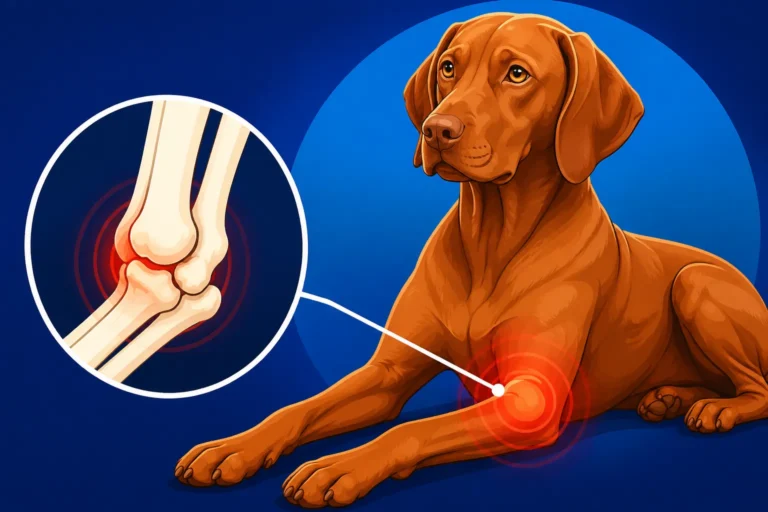
Hip and elbow dysplasia, while not as prevalent as in some larger breeds, can still affect Vizslas, especially those from lines not rigorously screened. Dysplasia is a genetic condition where the joints don't develop correctly, leading to a loose fit and eventually arthritis. It’s devastating to learn your young, active Vizsla has this condition, knowing the pain and limitations it can cause over time. We often talk about Hips and Elbows on a Vizsla That Runs All Day because their activity levels put extra strain on these developing joints.
Perhaps even more common for the athletic Vizsla are cruciate ligament injuries. The cranial cruciate ligament in the knee (similar to the ACL in humans) can tear during sudden stops, twists, or jumps. This can happen suddenly while playing or hunting, or it can be a chronic degeneration that eventually gives way. For owners, the sudden lameness and the often significant cost of surgery and rehabilitation are incredibly stressful. You want your dog back in the field, chasing birds, but recovery is a long road. Many wonder What Cruciate Surgery Costs a Vizsla Owner and if their dog will ever return to its former athletic prowess.
Muscle-Related Ailments Like Polymyopathy
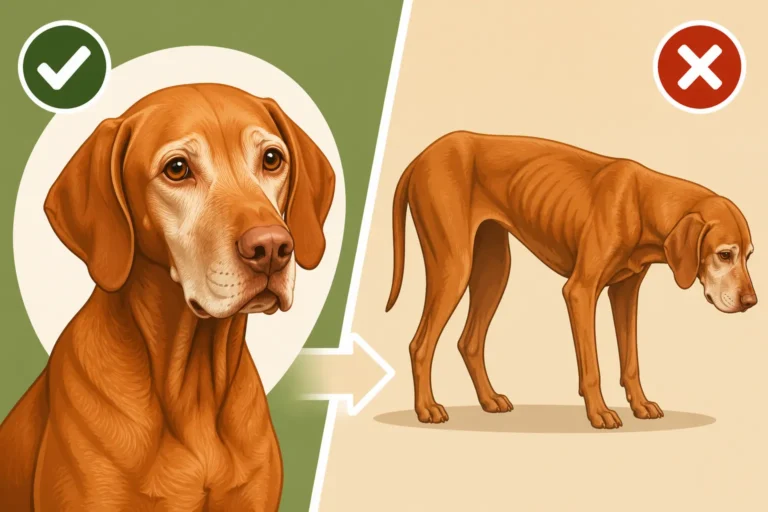
Vizslas are also unfortunately predisposed to a unique muscle wasting condition known as Vizsla Inflammatory Polymyopathy (VIP). This immune-mediated disease specifically targets the muscles of the head, neck, and esophagus, leading to progressive muscle weakness. It's truly heartbreaking to watch a dog that once bounded through fields with such power suddenly struggle to eat, drink, or even lift its head.
When we discuss What Vizsla Inflammatory Polymyopathy Does, we're talking about a disease that can dramatically alter a Vizsla's life. Dogs with VIP might develop a dropped jaw, have difficulty swallowing (dysphagia), and show significant muscle atrophy around their head and neck. It’s a very distressing condition, and diagnosis can sometimes be tricky. Treatment often involves corticosteroids and other immunosuppressive drugs to try and halt the immune system's attack on the muscles. Early detection and consistent management are key, but it's a challenging journey for both the dog and its family.
Digestive Sensitivities and Urgent Care Needs
Vizslas have a reputation for being somewhat delicate in the stomach department. Many owners find themselves navigating a minefield of dietary choices, trying to find a food that agrees with their dog without causing loose stools, gas, or vomiting. Beyond these chronic sensitivities, there's also the ever-present, terrifying threat of bloat, which requires immediate emergency intervention.
It's frustrating to constantly worry about what your Vizsla eats, or to wake up in the middle of the night to a dog clearly in distress. Their high metabolism means they burn through food quickly, and sometimes, their digestive system just can't keep up or reacts badly to seemingly innocuous changes.
Bloat (GDV) – A Life-Threatening Emergency
Gastric Dilatation-Volvulus (GDV), commonly known as bloat, is a rapid and life-threatening condition where the stomach fills with gas (dilatation) and then twists (volvulus). While it can affect any deep-chested breed, Vizslas are among those at higher risk. The onset is sudden and terrifying: a distended abdomen, unproductive retching, restlessness, and signs of extreme pain.
Every Vizsla owner lives with a latent fear of bloat, and it's something that absolutely requires immediate emergency veterinary care. There's no waiting it out. Time is literally of the essence. Many owners choose to have a prophylactic gastropexy performed, a surgical procedure where the stomach is tacked to the abdominal wall to prevent it from twisting. This doesn't prevent the stomach from dilating, but it significantly reduces the risk of the fatal volvulus. It's a tough decision, but one that can offer immense peace of mind. Learning Whether a Vizsla Bloats is often a rude awakening for new owners, highlighting the critical need for vigilance.
Chronic Digestive Upset and Dietary Needs
Even without the immediate danger of bloat, many Vizslas contend with chronic digestive issues. This can manifest as intermittent diarrhea, excessive gas, vomiting, or a general "sensitive stomach." It's incredibly frustrating when you're doing your best to provide a healthy diet, only to have your dog consistently struggle. Finding the right food can become an obsession, trying different brands, protein sources, and formulations.
The question of Whether a Vizsla Has a Sensitive Stomach is frequently asked because it's such a common complaint. Some Vizslas do best on a limited ingredient diet, others on a novel protein, and some require prescription gastrointestinal foods. Managing these sensitivities often involves careful portion control, avoiding table scraps, and sometimes adding probiotics or digestive enzymes. It's a continuous process of observation and adjustment to keep their digestive system calm and happy.
Autoimmune and Endocrine System Challenges
As mentioned earlier, the Vizsla's immune system can sometimes be a double-edged sword. While it's vital for fighting off illness, an overactive or misdirected immune response can lead to a variety of autoimmune diseases. These conditions often require long-term medication and careful monitoring, adding another layer of complexity to their care. Beyond autoimmune, endocrine imbalances, particularly thyroid issues, are also notably common.
Dealing with these invisible illnesses can be particularly taxing. There's no obvious cut or broken bone; instead, you're watching for subtle changes in energy, coat quality, or behavior. It demands a keen eye and a close relationship with your veterinarian to catch and manage these conditions effectively.
Thyroid Dysfunction and Hormonal Imbalances
Hypothyroidism, or an underactive thyroid gland, is a surprisingly common diagnosis in Vizslas. The thyroid gland produces hormones crucial for metabolism, and when it's not functioning correctly, it can lead to a cascade of symptoms. Owners might notice their dog becoming lethargic, gaining weight despite no change in diet, developing a dull or thinning coat, or showing increased sensitivity to cold.
It's easy to dismiss some of these signs as normal aging or seasonal changes, but for a Vizsla, they can point to a treatable condition. Getting a diagnosis of Thyroid Failure in a Vizsla typically involves a simple blood test. The good news is that hypothyroidism is usually very manageable with daily thyroid hormone supplementation. While it's a lifelong medication, once regulated, most Vizslas return to their normal, energetic selves, making it one of the less frightening chronic diagnoses.
Other Autoimmune Manifestations
Beyond skin and muscle issues, Vizslas can be prone to other, less common but equally serious, autoimmune conditions. Immune-mediated hemolytic anemia (IMHA) and immune-mediated thrombocytopenia (ITP) are two examples where the body's immune system mistakenly attacks its own red blood cells or platelets, respectively. These conditions can cause sudden weakness, lethargy, pale gums, and require aggressive emergency treatment, often including blood transfusions and high doses of immunosuppressants.
The concern Whether a Vizsla Gets Immune Mediated Anemia highlights the breed's broader susceptibility to such diseases. Additionally, while thankfully rarer, Vizslas have also been noted for a higher incidence of certain cancers, which can sometimes have an immune-mediated component or simply be a consequence of genetic predisposition. Conditions like lymphoma or hemangiosarcoma are devastating diagnoses that require intensive and costly treatment. These serious conditions, though less frequent, are a stark reminder of the importance of regular veterinary check-ups and being attuned to any changes in your Vizsla's health.
Addressing the Cost of Vizsla Healthcare
Let's be real: owning a Vizsla, especially one with a few of the common health quirks, is not cheap. The emotional toll of their health struggles is often compounded by the significant financial burden. From diagnostic tests to long-term medications, specialized foods, and potential surgeries, the bills can add up quickly. It’s a harsh reality, but being prepared for these costs is just as important as knowing the symptoms.
Many owners, myself included, have had those moments of sticker shock at the vet's office, wondering how we're going to manage. It's not about loving your dog any less; it's about being practical and ensuring you can provide the best care without completely bankrupting yourself. This is where strategic planning and considering options like pet insurance become invaluable.
Vet Visits, Diagnostics, and Treatment Costs
A single vet visit for an unexplained lameness or skin irritation can quickly escalate. Initial consultation fees, blood work, X-rays, skin biopsies, or specialized allergy testing can easily run into hundreds, if not thousands, of dollars. Then, once a diagnosis is made, there are the treatment costs: medications, special shampoos, prescription diets, or even surgical procedures. A cruciate repair, for example, can range from $3,000 to $7,000, depending on your location and the specific surgical technique.
Chronic conditions mean ongoing expenses. A Vizsla with Sebaceous Adenitis might need regular oil soaks and cyclosporine, which alone can cost hundreds of dollars a month. A hypothyroid Vizsla will need daily medication and regular blood tests to monitor thyroid levels. These aren't one-off payments; they're part of the lifelong commitment. This is why discussions around What a Vizsla Costs a Year to Keep often factor in a significant portion for veterinary care, far beyond routine vaccinations.
The Role of Pet Insurance in Managing Expenses
Given the breed's predispositions, pet insurance can be an absolute lifesaver for Vizsla owners. It’s not a magic bullet, and it won't cover pre-existing conditions, but for new diagnoses, it can significantly alleviate the financial stress. Imagine being faced with a $5,000 emergency bill for bloat surgery or a long-term cancer treatment – having a good policy in place can mean the difference between making a tough decision based on finances and simply doing what's best for your dog.
Companies like Healthy Paws are often recommended for their comprehensive accident and illness plans, which typically cover conditions like cancer, hip dysplasia (if not pre-existing), and chronic illnesses. It's vital to research different providers and understand what their policies cover, waiting periods, and deductibles are. Enrolling your Vizsla as a puppy before any conditions manifest is usually the smartest financial move. When considering Whether Cancer Is Covered on a Vizsla Policy, for instance, it's clear how much peace of mind a robust plan from a provider like Healthy Paws can offer. While it adds to your monthly expenses, it’s an investment in your Vizsla's health and your own financial well-being, freeing you to focus on their recovery rather than the looming vet bill.
Here's a quick overview of some common Vizsla health concerns and typical treatments:
| Condition | Common Symptoms | Typical Treatments | Lifelong Management? |
|---|---|---|---|
| Sebaceous Adenitis (SA) | Hair loss, dry skin, scaling, secondary infections | Medicated baths, oil soaks, Cyclosporine, antibiotics | Yes |
| Environmental/Food Allergies | Itching, paw chewing, ear infections, hot spots | Antihistamines, steroids, Apoquel, Cytopoint, elimination diets, immunotherapy | Often |
| Hip/Elbow Dysplasia | Lameness, stiffness, reluctance to move, pain | Pain medication, joint supplements, physical therapy, surgery (e.g., THR) | Often |
| Cruciate Ligament Tear | Sudden lameness, non-weight bearing, knee instability | Surgery (TPLO, TTA), pain relief, physical therapy | Sometimes (arthritis likely) |
| Vizsla Inflammatory Polymyopathy (VIP) | Dropped jaw, difficulty swallowing, muscle atrophy (head/neck) | Corticosteroids, immunosuppressants (e.g., Azathioprine) | Often |
| Bloat (GDV) | Distended abdomen, unproductive retching, restlessness | Emergency surgery, gastropexy (prophylactic) | No (but prevention is key) |
| Hypothyroidism | Lethargy, weight gain, coat changes, cold intolerance | Daily thyroid hormone replacement | Yes |
| Immune-Mediated Anemia (IMHA) | Pale gums, lethargy, weakness, jaundice | Immunosuppressants, blood transfusions, supportive care | Often |
Conclusion
Owning a Vizsla is an incredibly rewarding experience, full of adventures, snuggles, and the unique bond that only these magnificent dogs can forge. However, being a Vizsla owner also means being prepared for the potential health challenges that are, unfortunately, quite common in the breed. From chronic skin conditions like Sebaceous Adenitis and persistent allergies, to orthopedic issues like cruciate tears, and serious immune-mediated diseases or the terrifying threat of bloat, their delicate systems often require attentive care.
The journey of managing a Vizsla's health can be demanding, both emotionally and financially. It means working closely with your veterinarian, being proactive about preventative care, and sometimes, making tough decisions. But armed with knowledge about what Vizslas are most often treated for, and understanding options like comprehensive pet insurance from providers like Healthy Paws, you can better navigate these waters. Ultimately, the joy and love they bring into our lives are immeasurable, making every effort to keep them healthy and happy profoundly worth it.
Disclaimer
This article is intended for informational purposes only and does not constitute veterinary advice. Always consult with a qualified veterinarian for any health concerns or before making any decisions about your Vizsla's medical care. Breed-specific information is general and individual dogs may vary.