Whether a Vizsla Refuses to Go Out in Rain
Vizsla rain refusal stems from their thin single coats and high cold sensitivity, causing rapid body temperature drops and shivering.
The daily stuff, done right.
Feeding amounts by life stage, coat and skin routines, dental and nail care, exercise needs, and what changes as they age.
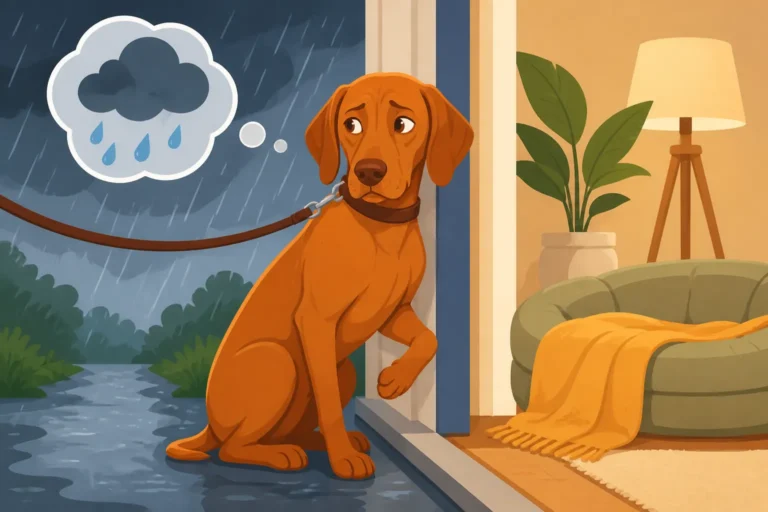
Vizsla rain refusal stems from their thin single coats and high cold sensitivity, causing rapid body temperature drops and shivering.
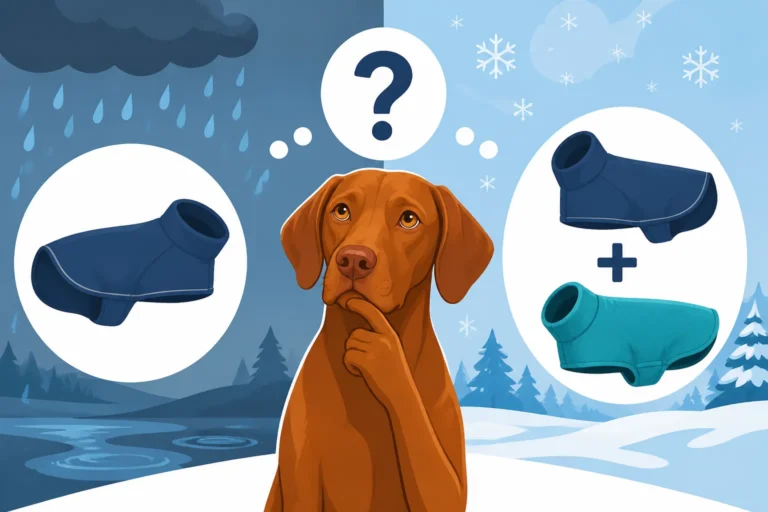
Vizsla dogs lack a dense insulating undercoat, causing rapid heat loss and severe hypothermia risks in wet weather conditions.
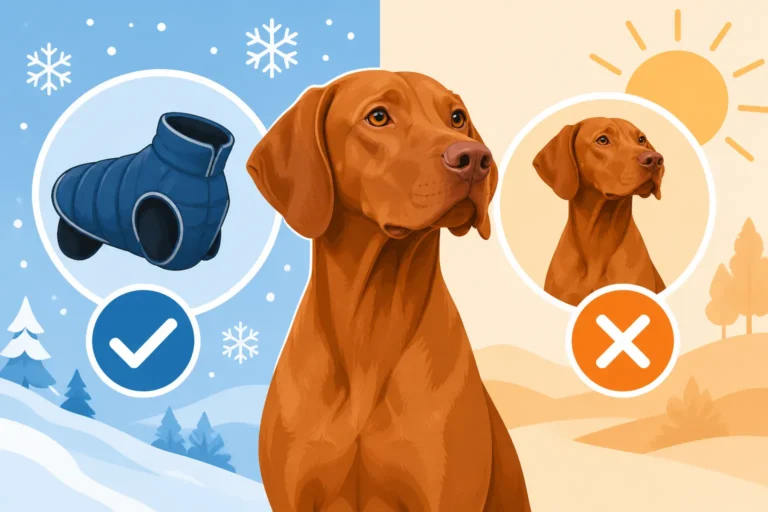
Vizsla coats lack insulating undercoats, meaning these lean hunting dogs genuinely cannot handle extreme cold without protection.
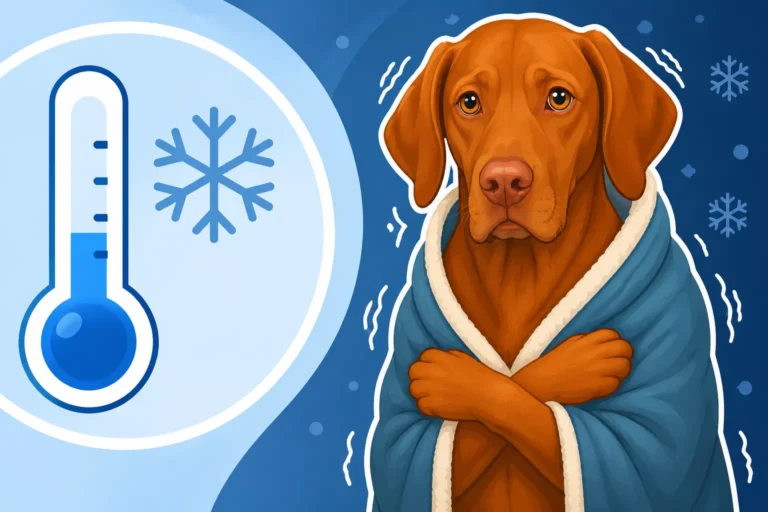
Vizsla shivering temperatures and cold stress signs, explaining when single coats and lean bodies require extra winter protection.
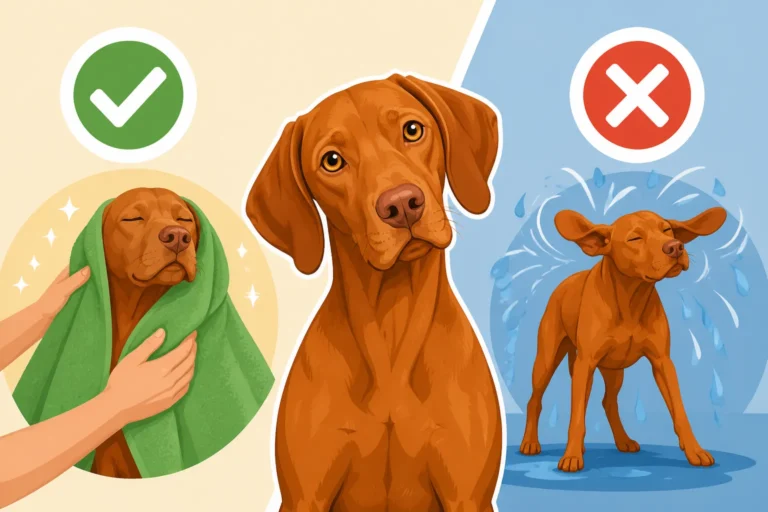
Vizsla drying techniques and coat characteristics explain why this dog breed gets cold fast and needs proper towel care.
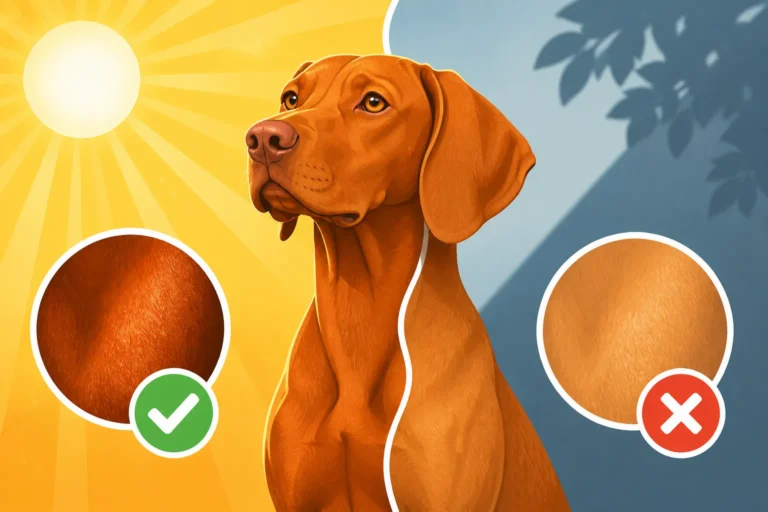
Vizsla coat color changes and fading from sun exposure, explaining phaeomelanin pigment and practical steps to maintain fur.
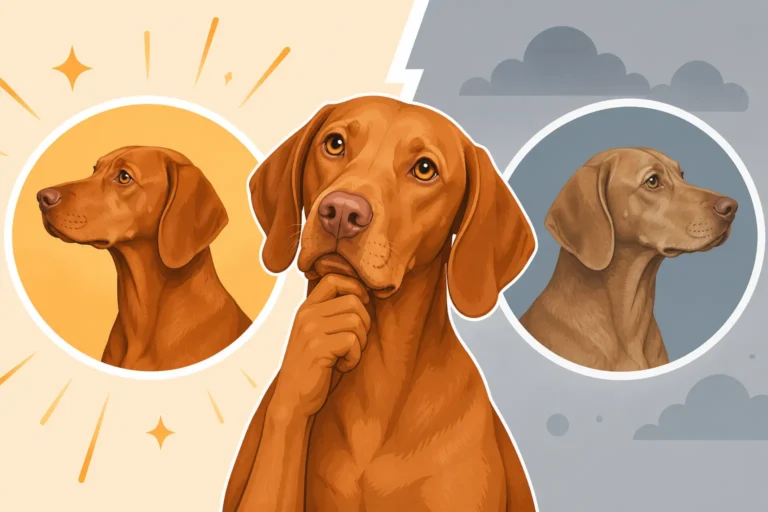
Aging Vizsla coat dullness indicates health, nutrition, or environmental issues behind faded golden rust colors and graying.
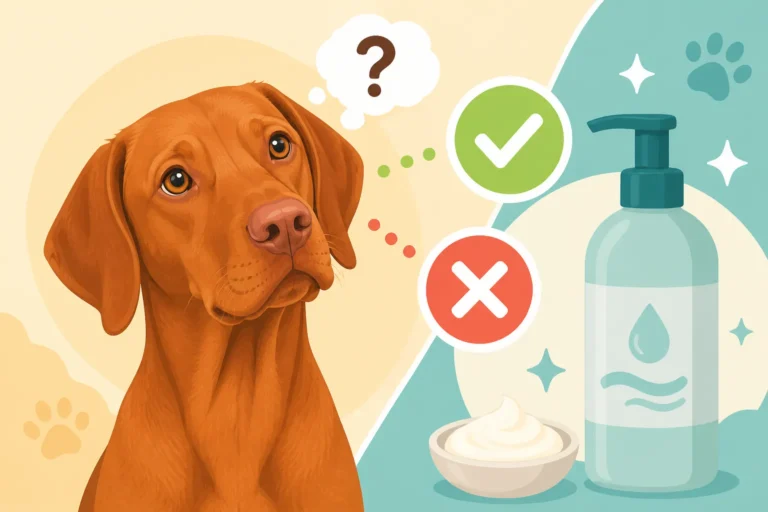
Vizsla coat care and conditioner use details for owners dealing with dry or dull fur, single layers, and sensitive skin.
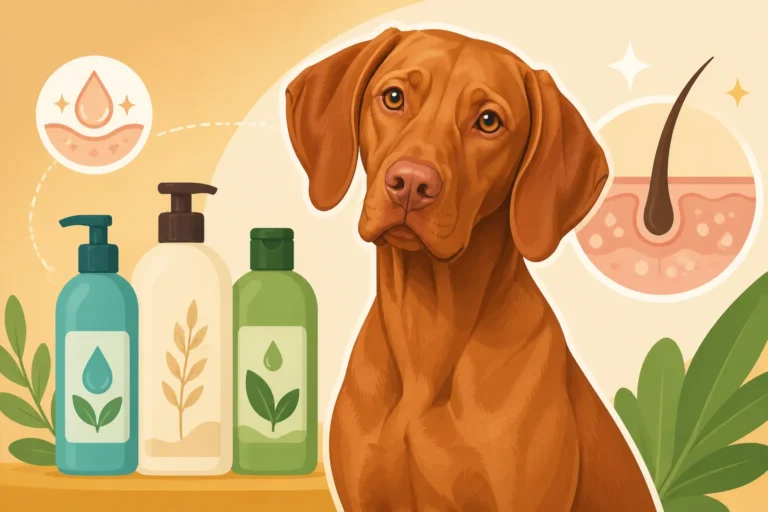
Vizsla skin care requires choosing appropriate shampoo types to prevent dryness, flaky irritation, and painful hot spots.
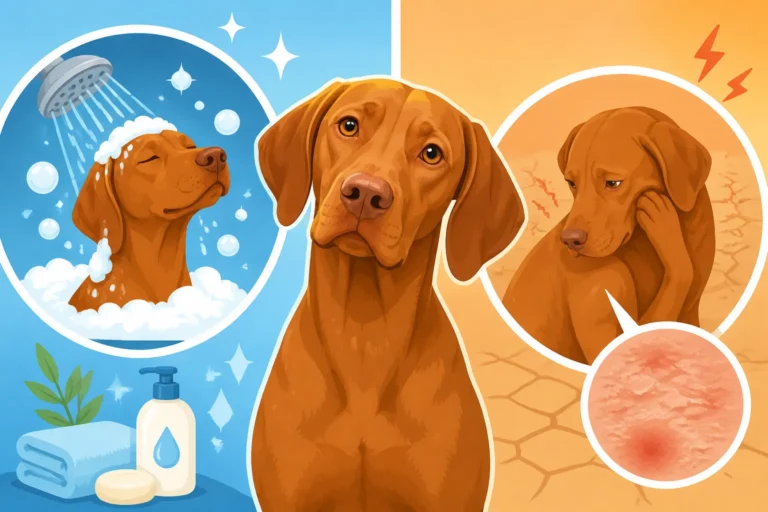
A single, fine coat with no thick undercoat leaves thin skin sensitive to harsh shampoos, which shapes how often a bath is wise.