Feeding an Old Vizsla
Senior Vizsla nutrition adjustments and high protein diets explain how to prevent weight gain and muscle loss in aging dogs.
The daily stuff, done right.
Feeding amounts by life stage, coat and skin routines, dental and nail care, exercise needs, and what changes as they age.
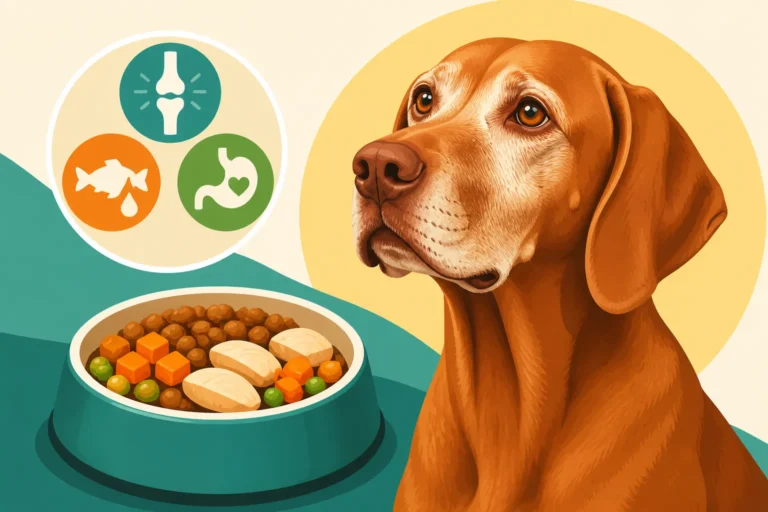
Senior Vizsla nutrition adjustments and high protein diets explain how to prevent weight gain and muscle loss in aging dogs.

Traveling with a Vizsla requires car harnesses, vaccination records, packing food, and consulting a veterinarian for health checks.
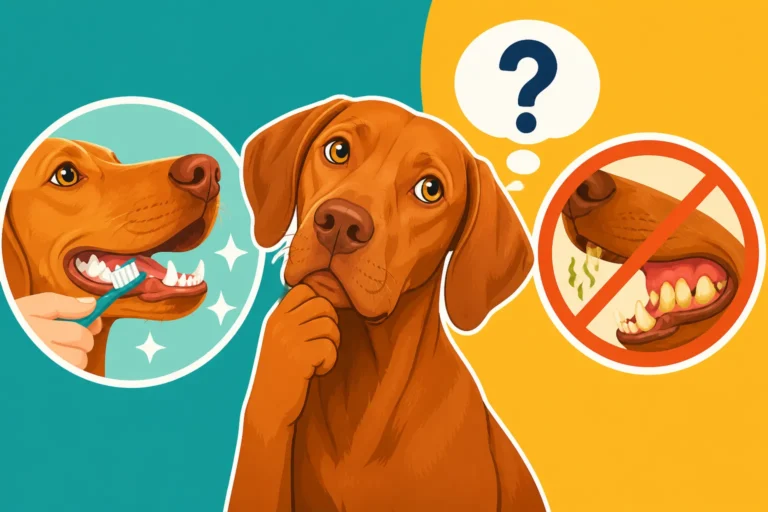
Vizsla dental care and regular brushing prevent plaque, tartar, gingivitis, and dangerous systemic bacterial infections.
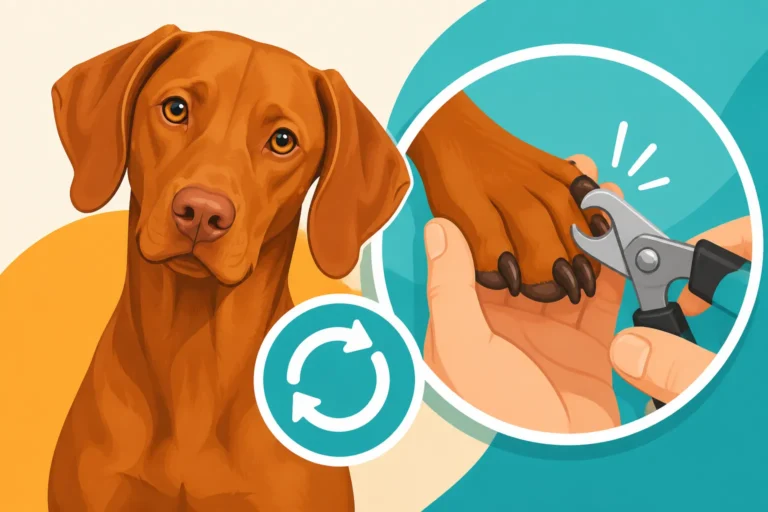
Vizsla nail trimming schedules and paw anatomy details prevent joint pain, altered gaits, and torn nails in active dogs.
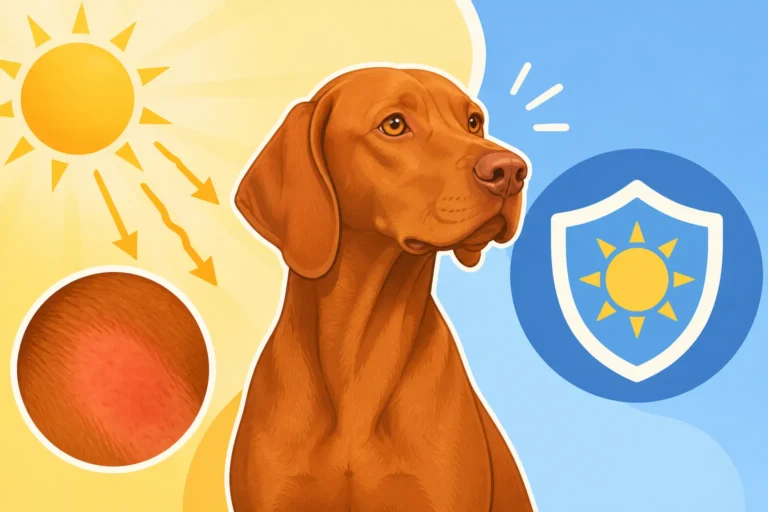
Vizsla sunburn risks, skin vulnerability, and coat characteristics explain why this dog breed requires sun protection measures.

Vizsla nose color loss stems from seasonal changes, puppy development stages, aging, or health issues requiring veterinary attention.
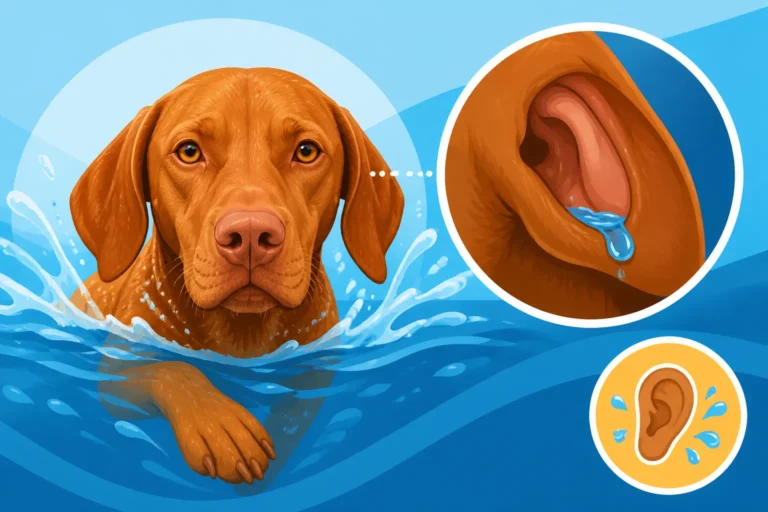
Vizsla drop ears trap swimming water inside the deep canal, creating a warm microclimate and moisture risks for the dog.

Vizsla floppy ear anatomy traps moisture from swimming and wet fields, causing yeast and bacteria infections that make dogs miserable.
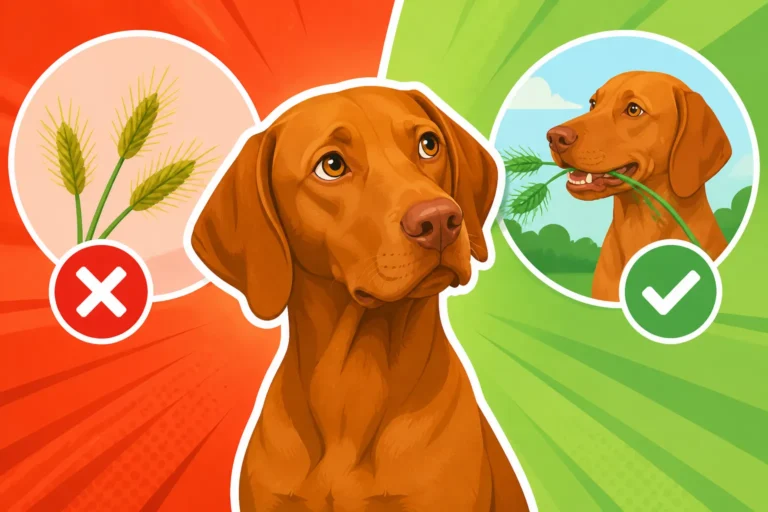
Vizsla vulnerability to grass seeds includes thin single coats, low exploration styles, and floppy ears causing medical issues.
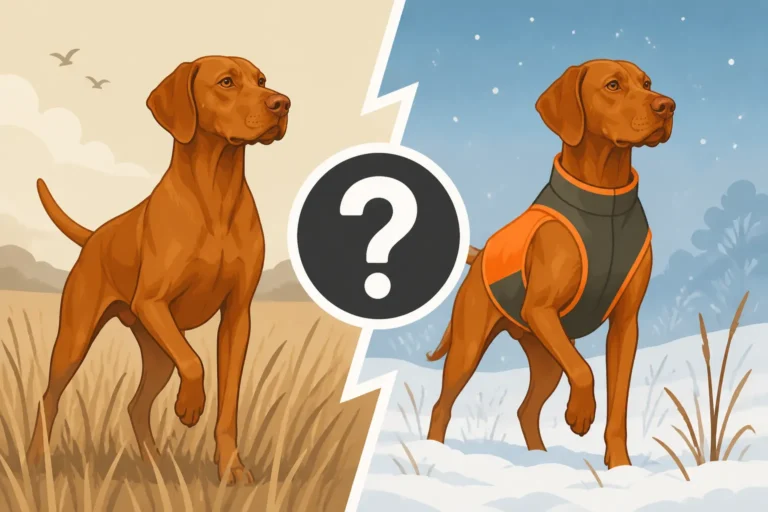
Vizsla field vests protect thin-skinned dogs with single coats against cold weather, sharp briars, and abrasive terrain.