Whether a Vizsla Shivers Indoors
Indoor shivering in Vizslas happens because their lean bodies and single coats lack natural thermal insulation against 68-70 degree rooms.
The daily stuff, done right.
Feeding amounts by life stage, coat and skin routines, dental and nail care, exercise needs, and what changes as they age.
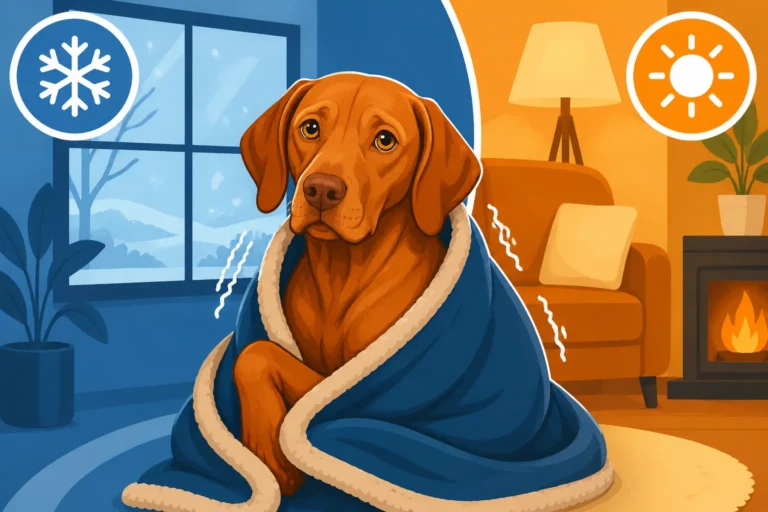
Indoor shivering in Vizslas happens because their lean bodies and single coats lack natural thermal insulation against 68-70 degree rooms.
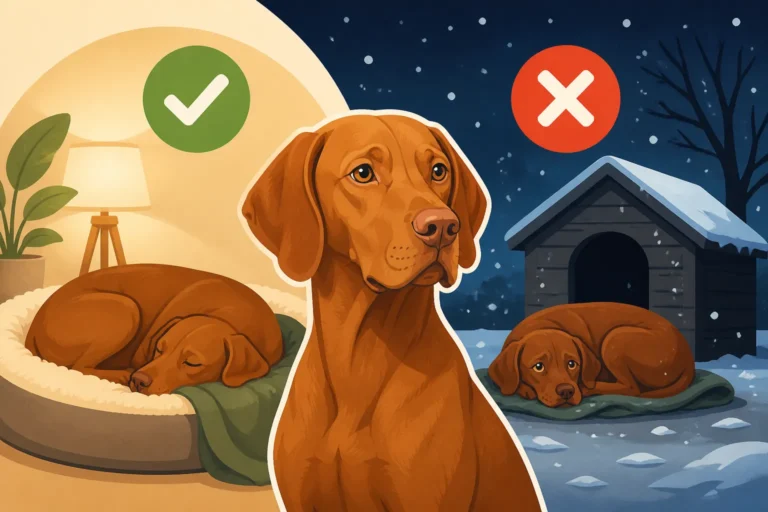
Vizslas face hypothermia risks from sleeping outdoors because their single coat and low body fat cause rapid heat loss in the cold.
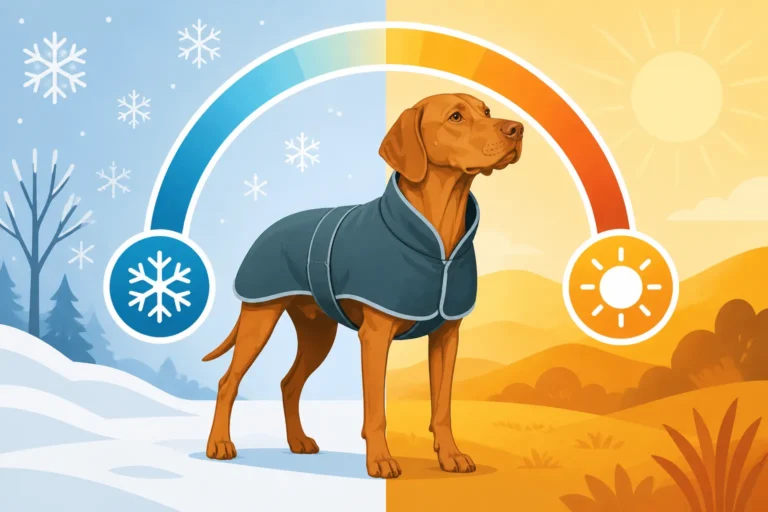
Vizsla cold tolerance details explain why single-coated dogs need coats when temperatures drop into chilly weather conditions.
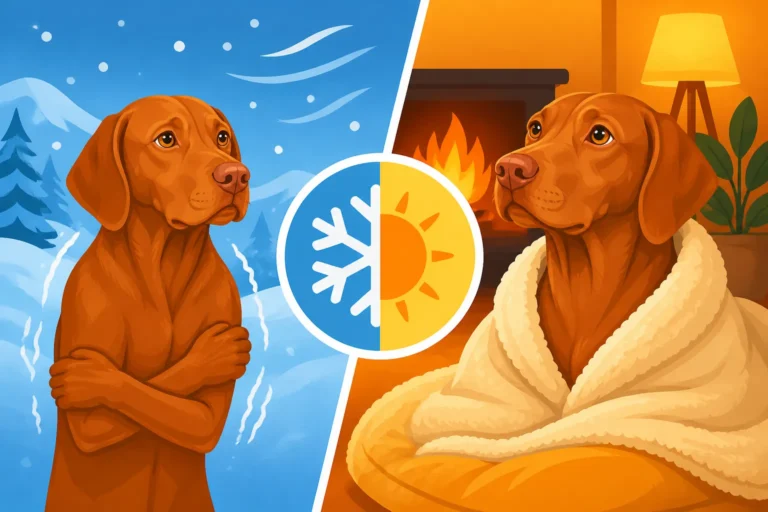
Vizsla cold tolerance and coat characteristics explain why this lean breed shivers and needs a protective coat outdoors.
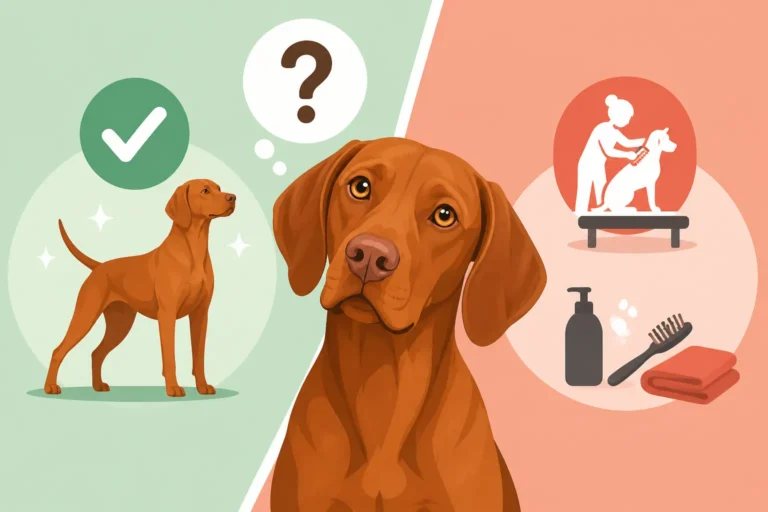
Vizsla coat care and sensitive skin requirements explain when at-home rubber brush use or professional grooming is necessary.
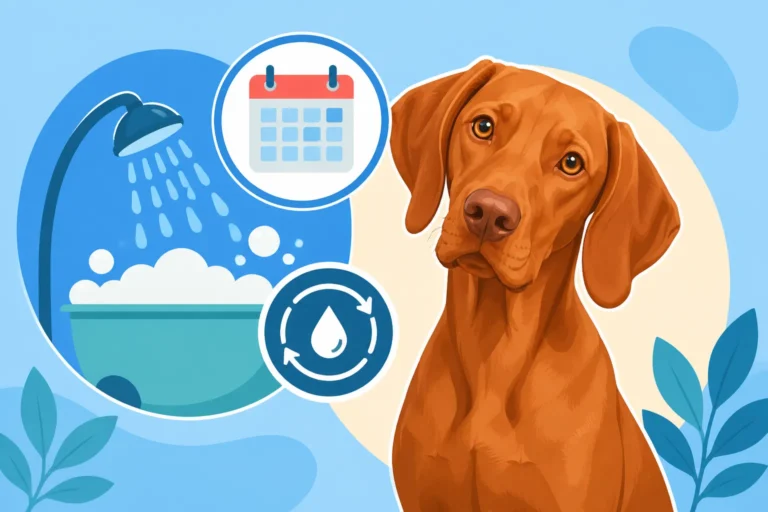
Vizsla bathing frequency depends on single coat care, low natural oil production, and activity levels to prevent skin irritation.
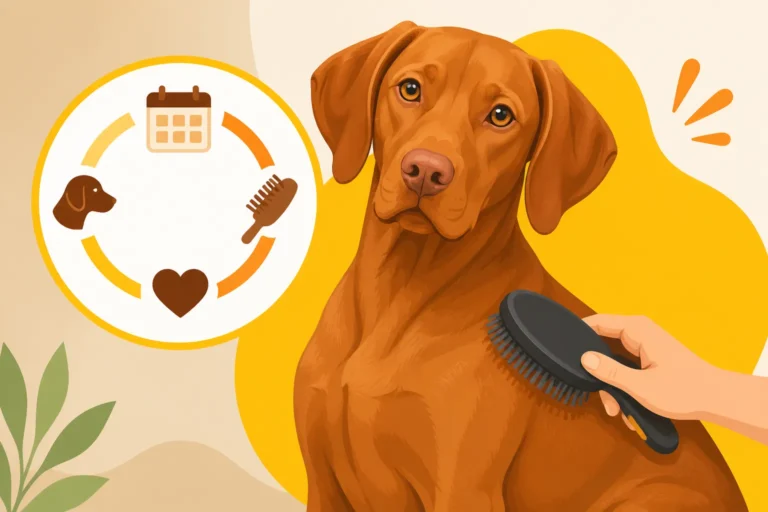
Vizsla coat maintenance and brushing routines explain how to manage single layer hair shedding and protect skin health all year round.
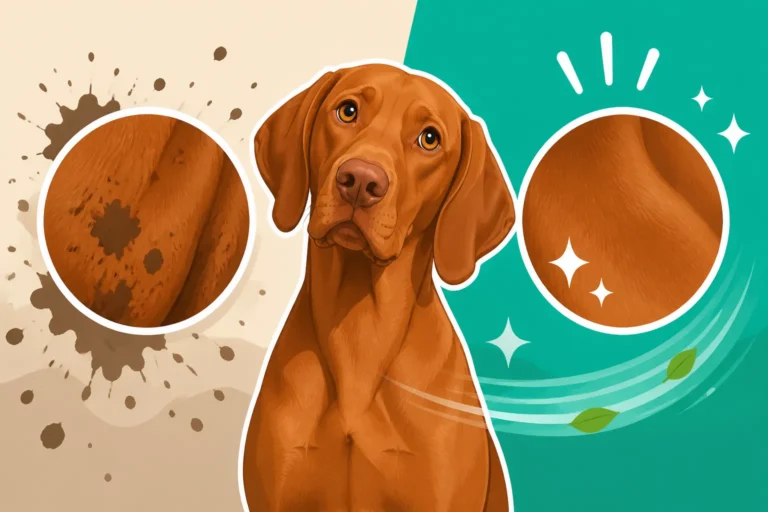
The golden-rust Vizsla single coat lacks an undercoat, featuring short dense fur and natural oils that help shed dried mud.
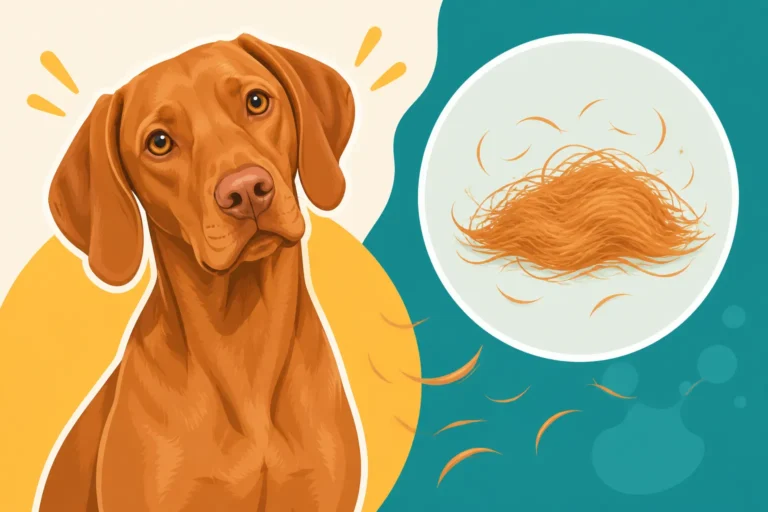
Vizsla shedding characteristics, single coat realities, and strategies to manage short, stiff hairs on household fabrics.
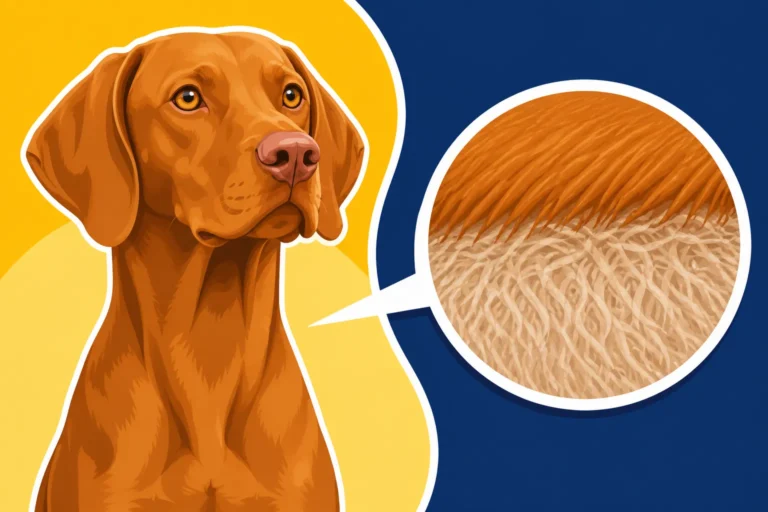
Vizsla coat structure, lacking a traditional insulating undercoat, determines their shedding habits and cold weather care needs.