Checking a Vizsla Over After a Hunt
A post-hunt head-to-tail examination of your Vizsla helps detect hidden injuries, ticks, and debris before issues escalate.
The daily stuff, done right.
Feeding amounts by life stage, coat and skin routines, dental and nail care, exercise needs, and what changes as they age.
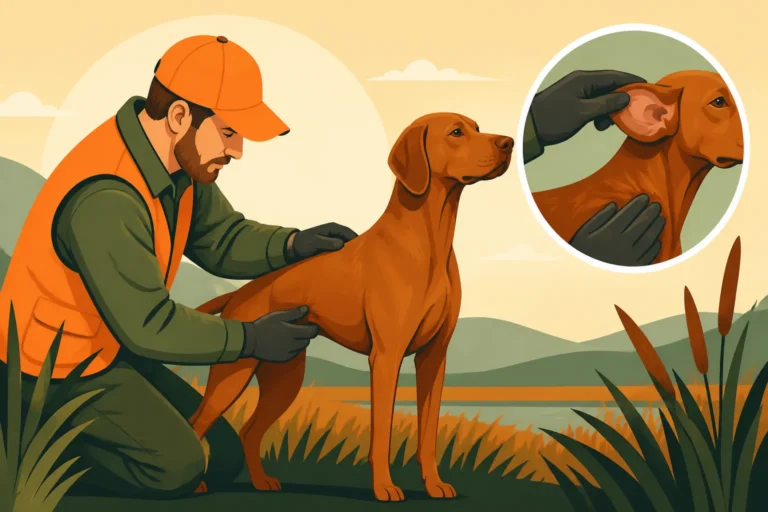
A post-hunt head-to-tail examination of your Vizsla helps detect hidden injuries, ticks, and debris before issues escalate.

Vizsla thin skin and single coats lack protective padding, causing cuts and tears on chests, bellies, and flanks from sharp field cover.

Vizsla digestive issues, high-energy metabolism, and sensitive gut symptoms explained for owners seeking lasting canine comfort.

Optimal Vizsla feeding schedules balance canine digestion and strenuous exercise to prevent dangerous stomach bloat and discomfort.

Vizsla puppy meals at different stages, preventing rapid growth issues and low blood sugar with frequent small portions.

Working Vizslas burn massive calories, requiring specific high fat and protein performance formulas to maintain healthy weight.

Vizsla metabolic rates and high energy demands explain whether athletic dogs genuinely require concentrated fat sources in dog food.

Working Vizslas burn high calories and need tailored diets to maintain their lean, athletic builds and peak field performance.

Vizsla dogs struggle with temperature extremes because a single coat and thin skin cause rapid heat loss and vulnerability.

Vizsla single coat vulnerability and thin skin explain cold stress risks and safety steps for hunting in freezing weather.