Caring for an Old Vizsla That Has Stopped Hunting
An aging Vizsla that has stopped hunting needs new routines, adjusted feeding, and gentle care for retirement.
The daily stuff, done right.
Feeding amounts by life stage, coat and skin routines, dental and nail care, exercise needs, and what changes as they age.
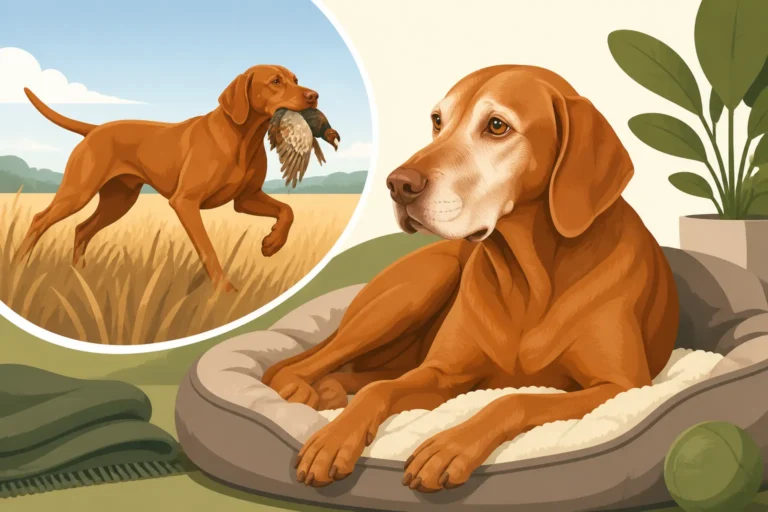
An aging Vizsla that has stopped hunting needs new routines, adjusted feeding, and gentle care for retirement.
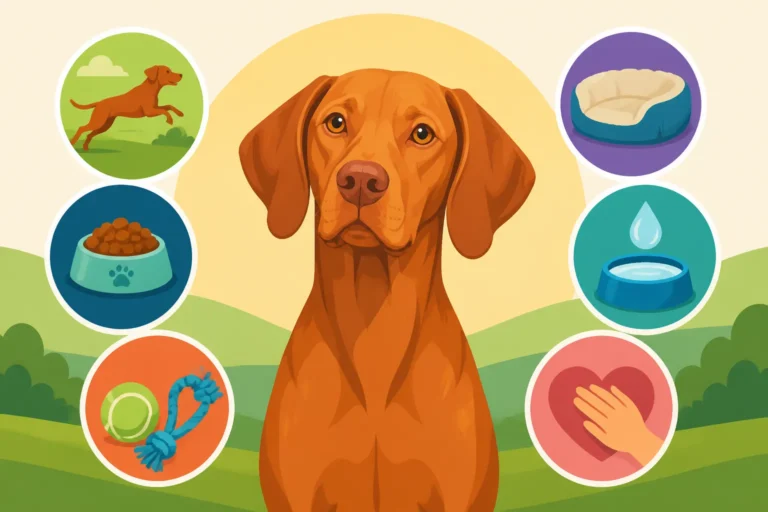
Daily physical demands and mental stimulation requirements for a Vizsla to prevent destructive behaviors and stay happy.

Vizsla sunburn prevention details the risks of thin single coats and pale skin, explaining early warning signs for dogs.
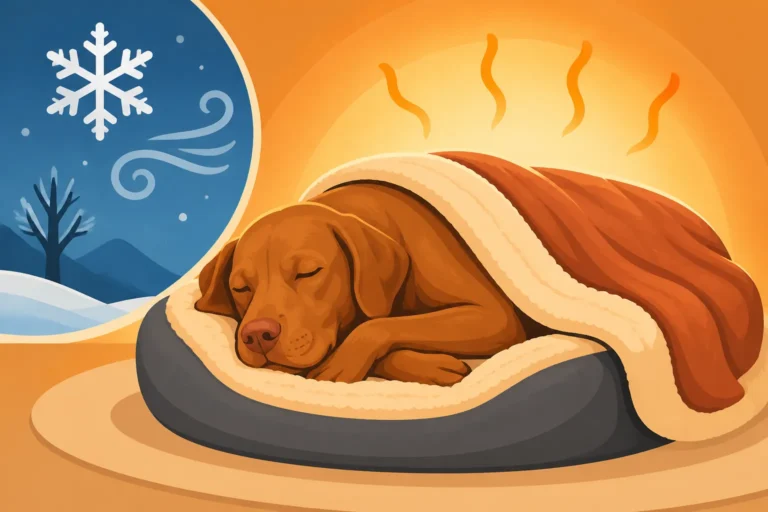
Vizsla cold sensitivity stems from lacking a thick undercoat to retain heat, causing rapid body temperature loss in chilly rooms.

Vizsla floppy ear anatomy and the L-shaped canal trap swimming water, causing painful recurring infections without proper cleaning.
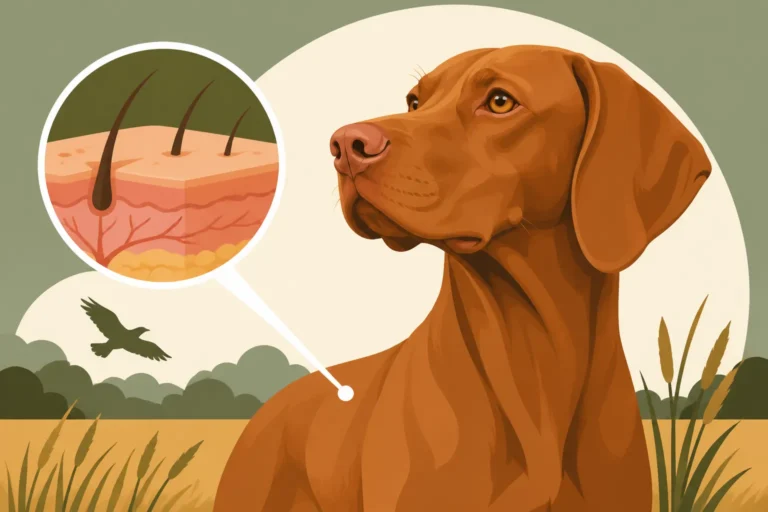
The Vizsla thin skin and single layer coat vulnerability requires careful protection against cuts, scratches, temperature extremes, and rough terrain.

Vizsla high metabolism and energy demands explain why active dogs burn calories fast, maintaining a lean athletic build with visible ribs.
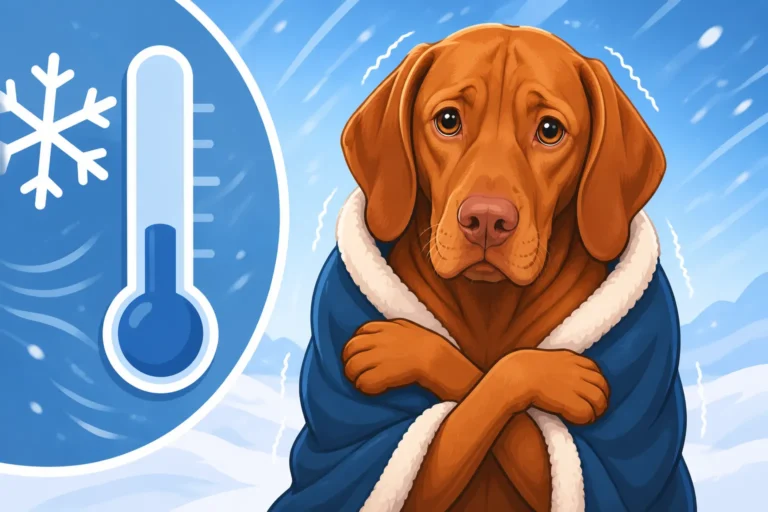
Vizsla single coats lack insulating undercoats, causing these active hunting dogs to rapidly lose body heat and shiver during cold weather.
Vizsla skin biology, genetics, and short coats explain why this specific dog breed lacks strong, persistent everyday odors.

The Vizsla single coat lacks a dense undercoat, impacting winter comfort, skin health, daily care, and thermal regulation needs.