Whether Cold Water Is Dangerous for a Vizsla
Cold water risks for Vizslas explained through single coats, lean body mass, and rapid hypothermia threats during winter.
The daily stuff, done right.
Feeding amounts by life stage, coat and skin routines, dental and nail care, exercise needs, and what changes as they age.

Cold water risks for Vizslas explained through single coats, lean body mass, and rapid hypothermia threats during winter.
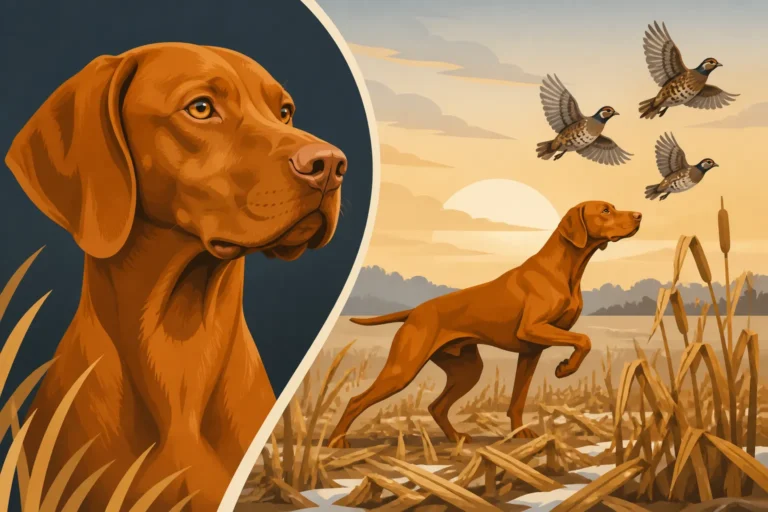
Late season bird hunting preparation and cold weather care help thin-coated Vizslas safely handle freezing temperatures.

Vizslas struggle in cold weather due to a single coat, lean body, and high metabolism that burns calories quickly.
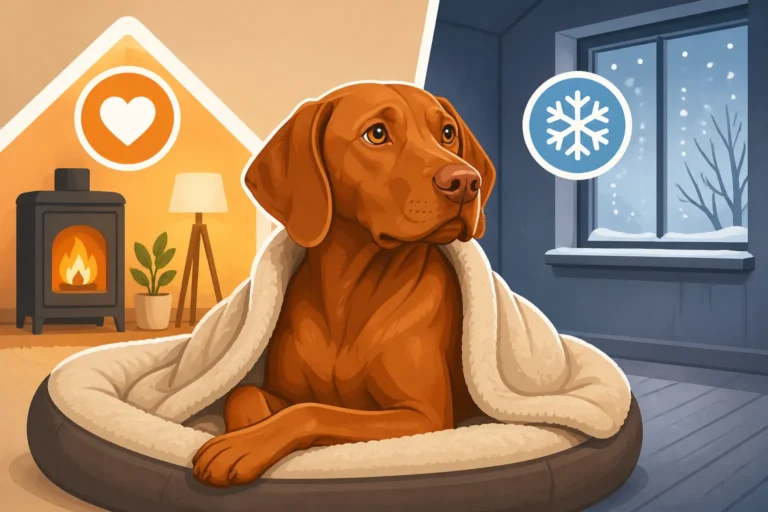
Vizsla sleeping habits in unheated rooms involve risks like hypothermia due to their thin coats and lean builds.

Vizsla burrowing habits are driven by single coats, low body fat, high metabolism, and instincts for denning and security.
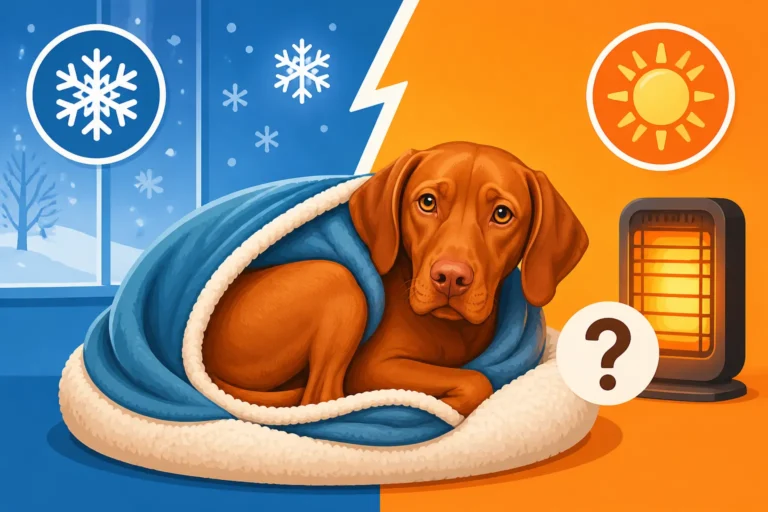
Vizsla dogs lack a thick undercoat and natural insulation, explaining whether the breed stays warm safely without external heat sources.
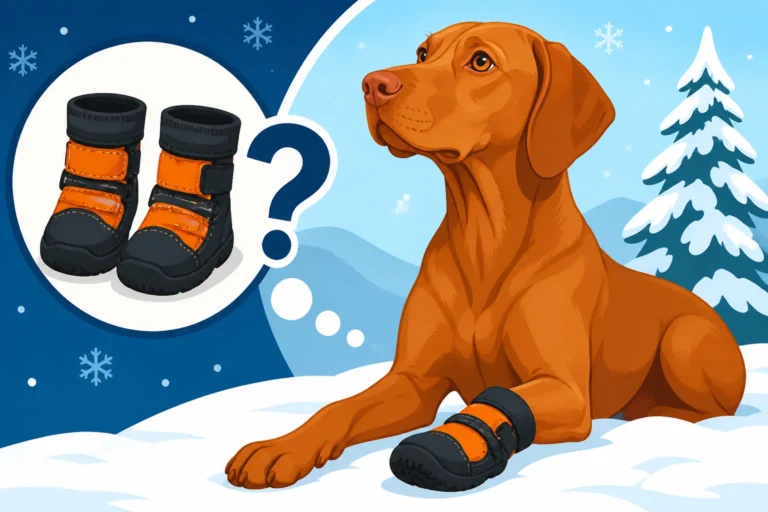
Winter paw protection for active Vizslas explains whether boots are necessary to prevent cracked skin and cold injuries.
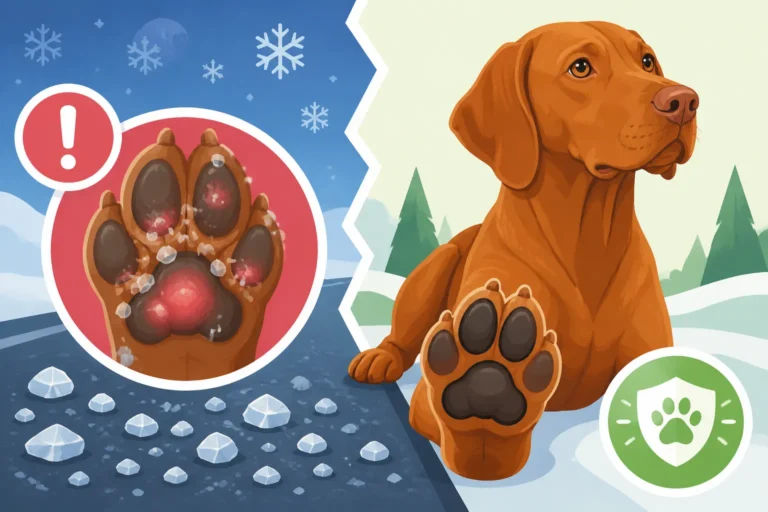
Road salt risks for Vizsla pads and practical winter paw protection strategies for active athletic dogs during cold walks.
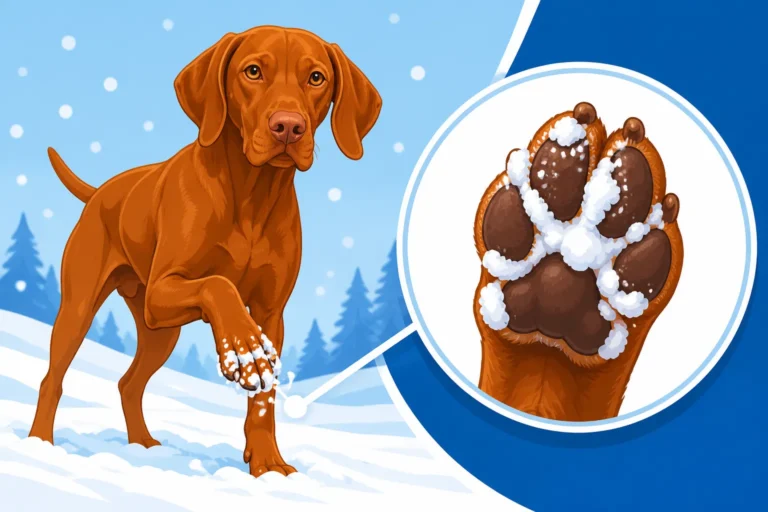
Vizsla dogs develop painful ice balls on their delicate paws, legs, and bellies when snow melts and refreezes in their short coat.

Vizsla cold tolerance explains single coat limitations, wet snow dangers, and factors influencing snow comfort for dogs.