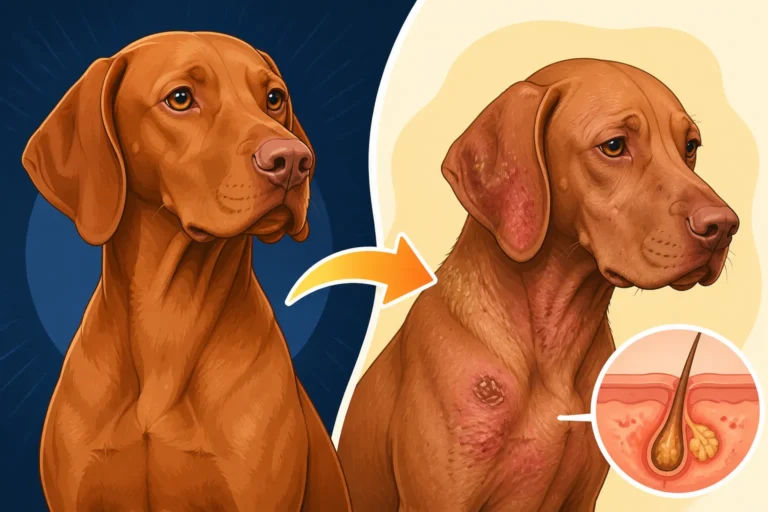
Whether the Small Founding Population Explains It
It’s a heartbreaking reality for many Vizsla owners: you fall head over heels for their stunning looks and vibrant personalities, only to find yourself navigating a complex world of health issues, particularly those tied to their immune system. We often hear whispers that this beautiful breed is 'delicate' or 'prone to everything,' and it's easy to feel overwhelmed, wondering if there's a deeper reason for these struggles. This guide aims to explore one of those common theories: whether the Vizsla's small founding population might explain their susceptibility to various immune-mediated diseases.
The Vizsla's Harrowing Journey Through History
To truly understand why our beloved Vizslas sometimes seem to battle so many health challenges, we have to rewind their story quite a bit. It’s not just a tale of ancient hunting companions; it's a testament to incredible resilience against the odds, a story that unfortunately comes with a genetic cost. The Vizsla breed, as we know it today, has faced not one, but two near-extinction events, pushing their numbers to alarmingly low levels.
Surviving the Brink of Oblivion
Imagine a breed so cherished, so integral to a culture's hunting traditions, that it almost vanishes from existence. That's the dramatic history of the Vizsla. By the late 19th and early 20th centuries, factors like political upheaval, economic shifts, and a lack of organized breeding efforts saw the Vizsla population dwindle dramatically. It's often said that The Vizsla Came Back From Extinction Twice, and this period was one of those critical junctures. Dedicated enthusiasts, seeing their national treasure on the brink, embarked on a monumental task of rebuilding the breed. This meant working with an incredibly limited number of remaining dogs, essentially creating a genetic bottleneck. When you're trying to save a breed from vanishing, you often have to make tough choices, prioritizing survival over genetic diversity, and that has long-term implications.
The Rebuilding Effort and Its Genetic Consequences
The monumental effort to save the Vizsla meant relying on a handful of individuals to carry on the torch. Imagine a family tree that suddenly becomes incredibly narrow at its base – that's essentially what happened to the Vizsla gene pool. We know, for example, that The Twelve Dogs the Vizsla Was Rebuilt From in 1900 played a crucial role. While this was a heroic undertaking that preserved the breed, it inherently reduced the genetic diversity present within the population.
Think of it like this: if you have a vast library of genes, and then you're forced to create a new library using only a few select books, you’re bound to miss out on some important knowledge. In dogs, this 'knowledge' includes a wide range of genes that contribute to robust health and strong immune systems. With fewer distinct genetic variations available, certain traits, both desirable and undesirable, become more prevalent because there are simply fewer alternative genes to mask or dilute them. This increased homozygosity (having two identical copies of a gene) can lead to a higher expression of recessive genes, some of which might predispose the breed to specific health issues.
The Genetic Bottleneck and Immune System Vulnerabilities
The term "genetic bottleneck" sounds rather scientific, but it’s a concept that profoundly impacts breeds like the Vizsla. When a population shrinks dramatically and then expands again from those few survivors, the genetic diversity of the entire future population is limited to what those founders carried. It’s like pouring sand from a wide container through a narrow funnel – only the grains that pass through the funnel make it to the other side, regardless of how many grains were in the original container.
How Limited Diversity Affects Immune Function
Our dogs' immune systems are incredibly complex, relying on a diverse array of genes to recognize and fight off a countless number of pathogens, from simple bacteria to complex viruses and even cancerous cells. A key part of this defense mechanism involves the Major Histocompatibility Complex (MHC), a set of genes that helps the immune system distinguish between the body's own cells and foreign invaders. The more varied these MHC genes are within a population, the better equipped the population is to respond to a wide range of threats.
In a breed that has passed through a severe genetic bottleneck, like the Vizsla, the diversity of these crucial immune system genes can be significantly reduced. This reduction means that many individuals within the breed might share more similar immune system responses, making them potentially more susceptible to certain infections or, paradoxically, more prone to autoimmune diseases where the immune system mistakenly attacks the body's own tissues. This is a critical factor when we consider Why Vizslas Carry So Much Immune Disease. Their relatively homogenous genetic background, a direct consequence of past bottlenecks, can make them less adaptable to new pathogens and more reactive to their own healthy cells. It's a cruel irony that saving the breed led to this vulnerability.
Common Immune-Mediated Conditions Linked to Genetics
The Vizsla is unfortunately predisposed to a range of immune-mediated conditions, many of which are suspected to have a genetic component, amplified by their limited gene pool. These aren't just isolated incidents; they're recurring patterns that dedicated Vizsla owners learn to recognize and manage.
Consider conditions like What Vizsla Inflammatory Polymyopathy Does, a debilitating muscle disease that specifically targets the chewing and swallowing muscles. While the exact genetic markers are still being researched, its prevalence in the breed suggests an inherited susceptibility. Similarly, Sebaceous Adenitis and the Vizsla That Loses Its Coat is another frustrating immune-mediated skin condition where the immune system attacks the sebaceous glands, leading to hair loss, flaky skin, and secondary infections. This condition, too, is seen disproportionately in breeds with narrower gene pools.
Other examples include autoimmune thyroiditis, leading to Thyroid Failure in a Vizsla, where the body's immune system attacks its own thyroid gland. Owners often see changes in their dog's coat, weight, and energy levels. Then there's Whether a Vizsla Gets Immune Mediated Anemia, a severe condition where the immune system destroys red blood cells. These are just a few examples that highlight the challenges faced by the breed and underscore the importance of genetic diversity for a robust immune system. Managing these conditions can be a lifelong commitment, and having a good pet insurance plan, like those offered by Healthy Paws, can certainly alleviate some of the financial burden for unexpected vet visits and treatments.
Navigating Life with a Genetically Predisposed Vizsla
So, if a small founding population does explain some of the Vizsla’s immune vulnerabilities, what does that mean for us as owners and for responsible breeding practices? It doesn't mean giving up on the breed, but it does mean being informed, proactive, and incredibly dedicated.
The Role of Responsible Breeding
For breeders, understanding the implications of the breed's history is paramount. It’s not enough to simply produce pretty puppies; health and longevity must be at the forefront. This means prioritizing genetic diversity where possible and rigorously health testing breeding stock to minimize the passing on of known problematic genes.
| Immune-Mediated Condition | Primary Symptoms | Suspected Genetic Link | Management Focus |
|---|---|---|---|
| Inflammatory Polymyopathy | Muscle weakness (head/neck), difficulty swallowing | Yes (Polygenic) | Immunosuppressants, supportive care, feeding assistance |
| Sebaceous Adenitis | Progressive hair loss, flaky skin, odor, secondary infections | Yes (Recessive) | Medicated baths, oil soaks, immune modulation |
| Autoimmune Thyroiditis | Lethargy, weight gain, poor coat, skin issues | Yes (Polygenic) | Lifelong thyroid hormone replacement therapy |
| Immune-Mediated Anemia (IMHA) | Lethargy, pale gums, weakness, jaundice | Yes (Polygenic) | Immunosuppressants, blood transfusions, supportive care |
| Lupus (Systemic Lupus Erythematosus) | Varies widely; skin lesions, joint pain, kidney disease | Yes (Complex) | Immunosuppressants, symptom management |
Breeders should be transparent about their lines and the health history of their dogs. They should actively participate in health screening programs, even for conditions where specific genetic tests aren't yet available. For example, knowing Whether a Vizsla Breeder Screens for Thyroid is a good indicator of a breeder's commitment to health. They should also be cautious about breeding closely related dogs, trying to diversify their gene pool responsibly while maintaining type and temperament. This is a delicate balance, but a crucial one for the breed's future. Potential puppy buyers should never hesitate to ask detailed questions about health clearances and the health of the entire pedigree, not just the parents.
Proactive Ownership and Lifelong Care
As Vizsla owners, our role is to be vigilant and provide the best possible care, recognizing their unique sensitivities.
- Observant Care: Become an expert on your Vizsla. Pay close attention to subtle changes in appetite, energy levels, coat quality, or behavior. Because of their genetic predispositions, what might be a minor issue in another breed could be the early sign of something more serious in a Vizsla. For instance, being aware of the first signs of polymyopathy or skin issues is vital.
- Veterinary Partnership: Develop a strong relationship with a veterinarian who understands the breed's unique health profile. Regular check-ups, including Whether a Vizsla's Thyroid Should Be Tested Yearly, are essential. Don't hesitate to seek a second opinion or a specialist if your Vizsla is diagnosed with a complex immune-mediated disease.
- Nutrition and Environment: While diet isn't a cure-all, providing high-quality, easily digestible food can support overall health. Many owners find that a balanced diet rich in omega fatty acids can help with skin health, especially for breeds prone to issues like sebaceous adenitis. Minimizing exposure to environmental triggers (allergens, certain chemicals) can also be beneficial, though not always possible.
- Financial Preparedness: Let's be realistic: chronic immune diseases can be expensive to manage. Medications, specialized diets, and frequent vet visits add up. Having pet insurance can be a game-changer. Companies like Healthy Paws offer comprehensive coverage that can help ease the financial strain when dealing with long-term conditions. It's truly an investment in your dog's well-being and your peace of mind. Discussing What Insuring a Vizsla Runs Monthly is always a good idea early in your dog's life, before any pre-existing conditions emerge.
Understanding the historical genetic bottlenecks of the Vizsla breed helps us comprehend why they might be prone to certain immune system challenges. This knowledge empowers us to be more responsible breeders and more proactive, compassionate owners, ensuring these magnificent dogs continue to thrive for generations to come.
Disclaimer
Please remember that the information provided here is for general educational purposes only and should not be considered a substitute for professional veterinary advice. Always consult with a qualified veterinarian regarding your Vizsla's health, diagnosis, and treatment options.