Whether a Vizsla With Skin Disease Smells
It’s a heartbreaking worry for any Vizsla owner: noticing a peculiar, unpleasant odor emanating from your beloved companion, especially when you know their normally clean, almost "odorless" coats are a breed hallmark. This distinct smell, often accompanying skin issues, is a sign that something deeper is amiss, causing discomfort for your dog and concern for you. This comprehensive guide will delve into why a Vizsla with skin disease might develop a smell, what those odors signify, and how to effectively address them, helping you restore your Vizsla's natural freshness and comfort.
Understanding "Doggy Odor" in Vizslas
Many Vizsla owners proudly boast about their dog's minimal "doggy smell," a trait often attributed to their single, short coat and diligent self-grooming habits. However, this natural cleanliness can make any sudden or persistent odor even more alarming, signaling a potential health concern that needs attention. It’s crucial to distinguish between a fleeting, minor scent and a pervasive, unhealthy one.
The Myth of the "Odorless" Vizsla
While it's true that Vizslas generally don't carry the heavy, musky scent often associated with many other breeds, calling them completely "odorless" might be a slight overstatement. Like all living creatures, dogs have a natural scent. Their skin produces oils, they shed microscopic dander, and their paws, ears, and mouths can all carry subtle smells that are perfectly normal. Most owners grow accustomed to their Vizsla's unique, mild aroma, which is often described as warm, slightly sweet, or even like corn chips, particularly from their paws. This natural smell is usually only noticeable when you get close, like burying your face in their fur for a cuddle.
The moment this familiar, comforting scent changes or intensifies into something distinctly unpleasant, it becomes a red flag. A truly healthy Vizsla, with proper diet and grooming, should not have a strong, noticeable odor unless they’ve just rolled in something unspeakable in the yard (a classic Vizsla move!). When the smell becomes pervasive, clinging to their bedding, your furniture, or even your clothes, it’s a clear indication that something is off with their health, often related to their skin. For more on this, you might find our article on Why a Vizsla Has No Doggy Smell insightful.
Common Causes of General Dog Odor
Beyond specific skin diseases, there are several everyday reasons a dog might develop a temporary odor. These are usually easy to identify and rectify. For instance, a dirty coat from playing in mud or rolling in something pungent will definitely make your Vizsla smell. Regular bathing can solve this quickly. Dental disease is another significant culprit; bad breath can spread beyond their mouth, affecting their overall scent. Ear infections, particularly in breeds with floppy ears like Vizslas, can also produce a distinct, often yeasty or foul odor that seems to emanate from their head.
Anal gland issues are less common but can cause an incredibly potent, fishy smell when they express spontaneously or become impacted. Even certain dietary changes or allergies can sometimes contribute to a subtle shift in body odor, as digestive health and skin health are closely linked. While these general causes should always be considered, if the smell is specifically accompanied by visible skin changes like redness, scaling, hair loss, or irritation, it’s time to zero in on dermatological problems.
How Skin Disease Creates Odor in Vizslas
When a Vizsla's skin health declines, it creates an environment ripe for opportunistic microorganisms, leading to specific, often strong, and unpleasant odors. The skin is the body's largest organ and acts as a barrier, but when that barrier is compromised, it loses its protective function, allowing problems to flourish.
Yeast and Bacterial Infections
One of the most common reasons a Vizsla with skin disease will smell is due to secondary infections, specifically from yeast (Malassezia) or bacteria (Staphylococcus). These microorganisms are naturally present on a dog's skin in small numbers. However, when the skin barrier is damaged by allergies, parasites, hormonal imbalances, or autoimmune conditions, they can overgrow.
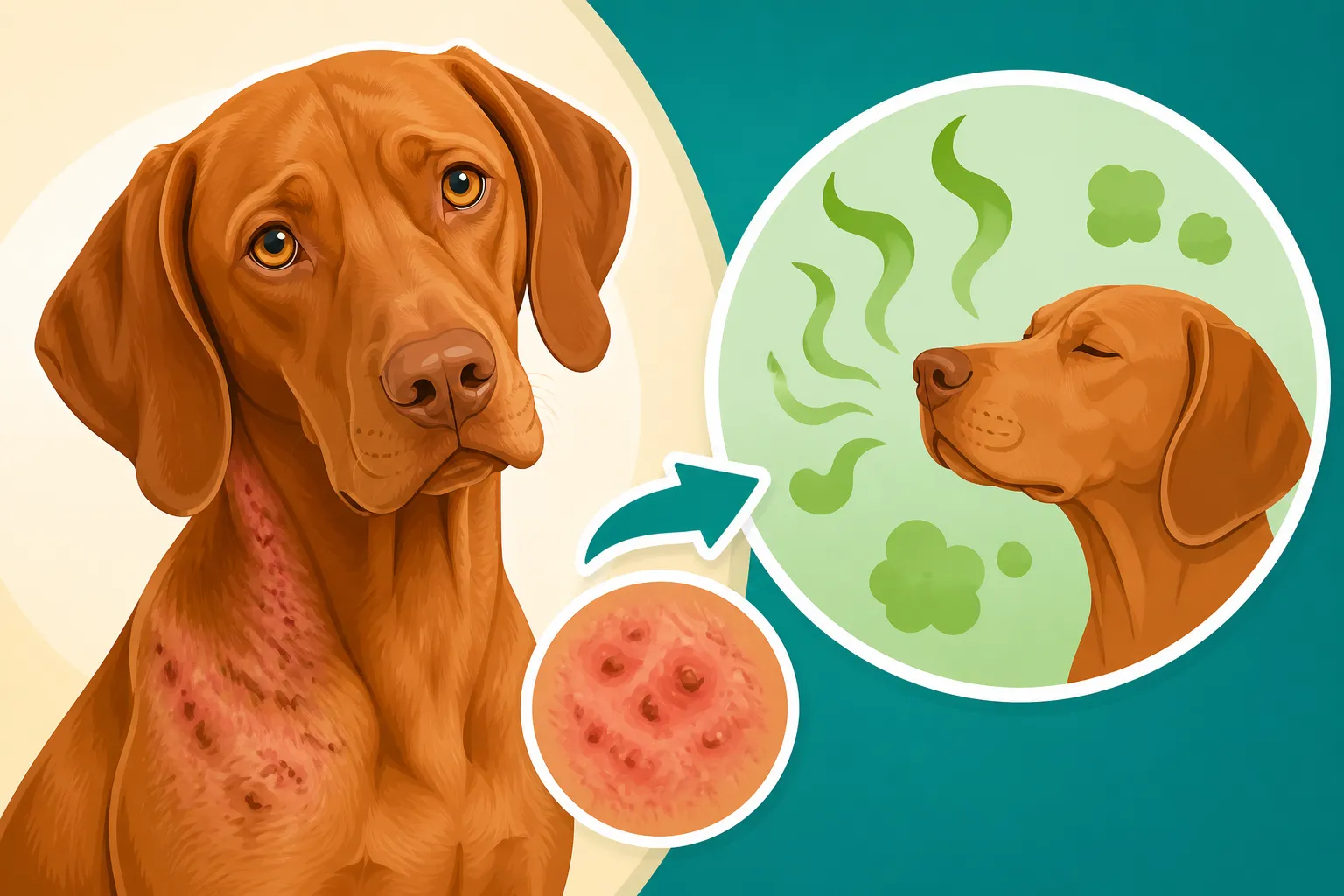
Yeast infections typically produce a sweet, musty, or sometimes cheesy smell, often likened to corn chips or stale bread. This odor is particularly prevalent in warm, moist areas like skin folds, paw pads, and ears. Bacterial infections, on the other hand, tend to create a more rancid, pungent, or foul odor, which can be quite strong and unpleasant. These infections often manifest as red, inflamed skin, pustules, scabs, and hair loss. If your Vizsla is experiencing recurrent infections, it's worth exploring Whether a Vizsla Gets Secondary Infections to understand the underlying causes and treatment. The smell isn't just a nuisance; it's a clear indicator of discomfort for your dog.
Excessive Sebum Production and Inflammation
Certain skin conditions lead to an overproduction of sebum, the natural oily substance that moisturizes the skin and hair. This condition is known as seborrhea. When sebum is produced in excess, it can become a breeding ground for yeast and bacteria, contributing to the strong, rancid smell. The oil itself can also oxidize, creating a distinct, unpleasant odor. Vizslas with conditions like sebaceous adenitis, an autoimmune disease that attacks the sebaceous glands, can develop severe skin and coat issues, including a noticeable odor.
Beyond the smell, you might observe a greasy, flaky coat and skin, often accompanied by intense itching and inflammation. The skin can appear red, thickened, and greasy to the touch. This inflammatory response, coupled with the altered skin microbiome, exacerbates the odor problem. For Vizslas specifically, understanding What Sebaceous Adenitis Does to a Vizsla is critical, as this condition can severely impact their skin and overall well-being, including producing a very distinct smell.
Allergic Reactions and Secondary Issues
Allergies are a huge contributor to skin problems and subsequent odor in Vizslas. Whether it's environmental allergies (atopy), food allergies, or flea allergies, the primary allergic reaction causes intense itching. This itching leads to scratching, licking, and biting, which further breaks down the skin barrier. Once the skin is compromised, it's an open invitation for secondary yeast and bacterial infections to take hold, as discussed earlier.
Think of it as a domino effect: allergen exposure triggers itching, scratching damages the skin, damaged skin allows microbes to flourish, and these microbes produce the foul odor. You might notice your Vizsla constantly licking their paws, rubbing their face, or scratching their flanks. These behaviors not only spread the infection but also perpetuate the cycle of inflammation and odor. Conditions like Whether a Vizsla Gets Atopic Dermatitis are common and often lead to chronic skin irritation and associated smells.
Identifying the Specific Smell of Vizsla Skin Disease
Pinpointing the exact nature and source of the odor is the first step toward effective treatment. It’s not just a general "bad dog smell"; different types of skin issues often present with distinct olfactory signatures. Becoming familiar with these can help your veterinarian diagnose the problem more quickly.
Distinguishing Odors: Yeasty vs. Rancid vs. Fecal
Understanding the nuances of the smell can provide valuable clues:
- Yeasty Odor: This is perhaps the most common and recognizable smell associated with dog skin issues. It's often described as sweet, musty, like old bread, or even distinctly "corn chippy" (especially from the paws). This smell is almost always indicative of an overgrowth of Malassezia yeast. You'll frequently find it in warm, moist areas such as between the toes, in the ear canals, under the tail, or in any skin folds your Vizsla might have.
- Rancid/Pungent Odor: A strong, sour, almost putrid smell is usually a hallmark of bacterial infection. This can smell like rotting meat or heavily soiled, stale fabric. This odor signifies a more severe infection, often with pus, crusts, or open sores on the skin. It indicates a significant bacterial presence that needs prompt medical attention.
- Fecal Odor: While less directly related to skin disease itself, sometimes a general unkempt coat can trap fecal matter, especially around the rear. However, if the fecal smell is coming from the skin itself, particularly around the hindquarters, it could indicate severe irritation, inflammation, or an infection stemming from poor hygiene in that area due to pain or discomfort, or even severe diarrhea that has contaminated the coat repeatedly.
It's important to remember that these smells can overlap, and your Vizsla might be suffering from a mixed infection involving both yeast and bacteria, leading to a complex and particularly offensive odor.
Locating the Source of the Smell
Once you’ve identified the type of smell, the next step is to locate its origin. This can be challenging because dogs move and groom themselves, spreading odors around. However, certain areas are more prone to specific issues.
Here's a quick guide to help you check:
| Body Part | Common Odor Types | Associated Issues |
|---|---|---|
| Ears | Yeasty, pungent | Yeast infections, bacterial infections, mites |
| Paws/Pads | Yeasty, corn chip | Yeast infections (often from licking due to allergies) |
| Skin Folds | Yeasty, rancid | Yeast/bacterial overgrowth, moisture trapping |
| Armpits/Groin | Yeasty, rancid | Yeast/bacterial overgrowth, allergic dermatitis |
| Back/Flanks | Rancid, pungent | Bacterial infections, seborrhea, Staph dermatitis |
| Tail/Rear | Fecal, yeasty | Poor hygiene, anal gland issues, perianal dermatitis |
Gently examine your Vizsla in each of these areas. Look for redness, swelling, hair loss, crusts, flakes (like from Whether a Vizsla's Skin Flakes Badly), greasy patches, or pustules. Don't forget to check under their chin and around their muzzle, especially if they rub their face a lot. This thorough inspection will not only help you understand the problem but also provide crucial information to your veterinarian.
Managing and Preventing Odor from Vizsla Skin Disease
Addressing the odor means addressing the underlying skin disease. This typically involves a multi-pronged approach that combines veterinary treatment with dedicated at-home care. There's no quick fix when it comes to chronic skin issues, but consistent effort yields significant results.
Veterinary Diagnosis and Treatment Protocols
The very first step is always a visit to your veterinarian. They can conduct a thorough examination and often perform in-house diagnostic tests such as skin scrapings (to check for mites), cytology (examining skin cells for yeast and bacteria), or fungal cultures. In more complex cases, a skin biopsy may be recommended to definitively diagnose conditions like sebaceous adenitis or autoimmune diseases. Understanding What a Vizsla's Skin Biopsy Costs can help you prepare for potential diagnostic expenses.
Based on the diagnosis, your vet will prescribe a treatment plan. This might include:
- Antibiotics or Antifungals: For bacterial or yeast infections, these can be oral medications or topical creams/shampoos.
- Steroids or Immunosuppressants: For inflammatory or autoimmune conditions, these can help manage itching and inflammation. Cyclosporine is a common medication for conditions like atopic dermatitis or sebaceous adenitis.
- Parasite Control: Ensuring your Vizsla is on year-round flea and tick prevention is crucial, as parasites can trigger intense allergic reactions.
- Allergy Management: If allergies are suspected, your vet might recommend allergy testing (intradermal or blood tests) to identify specific allergens. Treatment could involve allergy shots (immunotherapy), antihistamines, or newer medications like Apoquel or Cytopoint, which target the itch pathway.
It’s vital to follow your vet’s instructions precisely, even if the odor and visible symptoms seem to improve quickly. Stopping treatment prematurely often leads to relapse, and you’ll be back to square one with a smelly Vizsla.
At-Home Care and Maintenance Strategies
Consistent at-home care is paramount for managing skin disease and preventing odor recurrence. This isn't just about masking the smell; it's about supporting skin health.
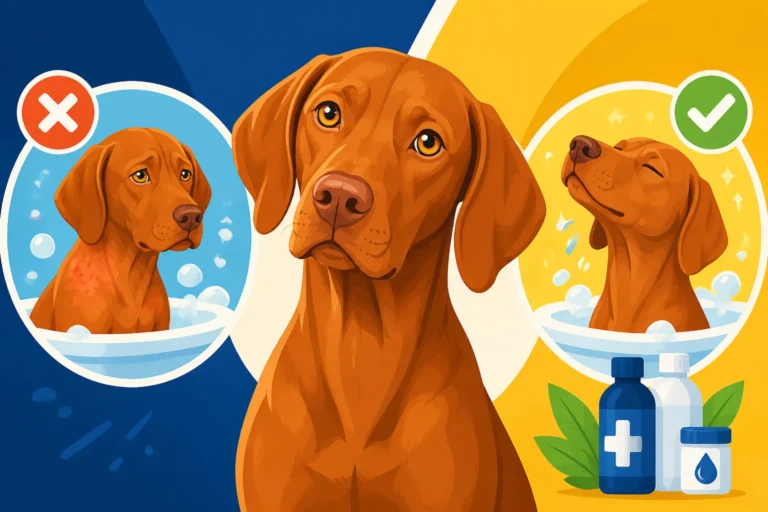
- Medicated Baths: Your vet will likely prescribe a medicated shampoo tailored to your Vizsla's specific condition (e.g., antifungal, antibacterial, or anti-seborrheic). These shampoos need to be used regularly, often several times a week initially, with contact time (leaving the shampoo on for 10-15 minutes) being crucial for efficacy. For some, maintaining skin health for life may require specialized products; knowing What Medicated Shampoo Costs a Vizsla Owner Yearly can help with budgeting. Be gentle when bathing and ensure thorough rinsing to prevent residue buildup, which can irritate the skin further.
- Topical Treatments: Sprays, mousses, and wipes containing antimicrobial agents or soothing ingredients can be used between baths, especially in localized problem areas like paws or skin folds.
- Ear Cleaning: If ear infections are part of the problem, regular cleaning with a vet-approved ear cleanser is essential.
- Paw Soaks: For Vizslas with yeasty paws, regular paw soaks can be incredibly beneficial. Diluted apple cider vinegar or specific medicated paw washes can help reduce yeast populations and soothe irritated skin.
- Grooming and Brushing: Regular, gentle brushing helps distribute natural oils, remove loose hair and dander, and allows you to inspect their skin closely. Always be gentle, as vigorous brushing can irritate compromised skin.
- Providing a Clean Environment: Regularly wash your Vizsla's bedding, blankets, and toys in hot water to remove allergens, bacteria, and yeast spores. Keep their living areas clean and dry to minimize environmental triggers.
The Role of Diet and Supplements
Nutrition plays a significant role in skin health, and a healthy diet can support the skin's barrier function and reduce inflammation.
- High-Quality Diet: Feed your Vizsla a high-quality, balanced diet rich in essential fatty acids. Look for foods that list meat as the primary ingredient and avoid excessive fillers or common allergens if your dog is sensitive. For Vizslas with suspected food allergies, a prescription hydrolyzed protein diet or a novel protein diet might be recommended by your vet. Understanding Whether a Vizsla Reacts to Its Food can guide your dietary choices.
- Omega-3 Fatty Acids: Supplements containing Omega-3s (EPA and DHA), such as fish oil, are powerful anti-inflammatories that can significantly improve skin barrier function, reduce itching, and promote a healthier coat. Always consult your vet for appropriate dosing, as too much can have adverse effects.
- Probiotics: A healthy gut microbiome can influence overall immune function and skin health. Probiotic supplements may be beneficial for some Vizslas with chronic skin issues.
- Coconut Oil or Other Oil Soaks: While not a cure-all, some Vizsla owners find relief for dry, flaky skin with topical application of certain oils, or even adding them to their diet. Exploring Whether Oil Soaks Help a Vizsla's Skin might give you ideas for complementary care, but always discuss with your vet first to ensure it won't exacerbate any existing conditions, especially if yeast is present.
Managing these chronic conditions can be costly. Consider looking into pet insurance providers like Healthy Paws, which often cover chronic conditions including dermatological issues, which can help mitigate the financial burden of ongoing vet visits, medications, and specialized foods.
When to Be Concerned: Red Flags and Urgent Action
While managing chronic skin disease is a long-term commitment, there are times when an immediate veterinary visit is warranted. Knowing these red flags can prevent a minor issue from escalating into a serious health crisis for your Vizsla.
Rapid Onset or Worsening Odor
If your Vizsla suddenly develops a strong, foul odor, or if an existing odor worsens significantly over a short period (a day or two), it's a cause for immediate concern. This rapid change can indicate a sudden flare-up of an underlying condition, a new and aggressive infection taking hold, or even an abscess or deep wound that has become infected. Don't wait to see if it improves; prompt veterinary attention is crucial to identify and treat the root cause before it causes further pain and spreads.
Accompanying Symptoms to Watch For
The odor itself is a symptom, but when it's accompanied by other worrying signs, it elevates the situation to an urgent matter. Look out for:
- Intense, Unrelenting Itching: If your Vizsla is scratching, licking, or biting themselves constantly, to the point of self-mutilation, they are in significant distress.
- Visible Skin Lesions: Open sores, deep crusts, large patches of hair loss, excessive redness, swelling, or warm spots on the skin.
- Pain or Discomfort: If your Vizsla flinches, whimpers, or becomes aggressive when you touch a particular area of their skin, they are experiencing pain.
- Lethargy or Loss of Appetite: These are systemic signs that the infection or inflammation might be affecting their overall health.
- Fever: Your Vizsla might feel unusually warm to the touch, or their gums might appear very red.
- Discharge: Any pus, blood, or excessive fluid coming from the skin or ears.
These symptoms, especially in combination with a strong odor, indicate that your Vizsla needs professional medical help immediately. Chronic skin conditions, if left untreated or poorly managed, can severely impact your dog's quality of life and even lead to more serious systemic health issues. Taking proactive steps, including pet insurance coverage from providers like Healthy Paws for chronic conditions, can ensure you're always ready to provide the best care. Early intervention is always the best course of action. You are your Vizsla's best advocate, and trusting your instincts when something feels wrong is vital.
Disclaimer
This article is intended for informational purposes only and does not constitute veterinary advice. Always consult with a qualified veterinarian for any health concerns or before making any decisions about your Vizsla's medical care.