Whether Polymyositis and VIP Are the Same Thing
It's truly heartbreaking and confusing when your beloved Vizsla starts showing strange symptoms, especially when you're hearing complex medical terms like "polymyositis" or "Vizsla Inflammatory Polymyopathy (VIP)." Many owners worry if these are two entirely different diagnoses or somehow connected. This guide aims to clear up that confusion, explaining what these conditions entail and how they relate, so you can better understand your Vizsla's health journey.
Unraveling the Jargon: Polymyositis and VIP
When you're trying to understand a new health issue impacting your Vizsla, the medical terminology alone can be overwhelming. Let's break down two terms that often cause a lot of head-scratching: polymyositis and the more specific Vizsla Inflammatory Polymyopathy (VIP). While they sound similar, and indeed are related, understanding their nuances is key to grasping what's happening with your dog.
What is Polymyositis?
Polymyositis, at its core, is a broad medical term that literally means "inflammation of many muscles." It's a type of inflammatory myopathy, and it can affect various muscle groups throughout the body in different species, including dogs. Imagine your body's immune system, which is designed to protect you from invaders, mistakenly identifying your own muscle tissue as a threat. That's essentially what happens in polymyositis. The immune system launches an attack, leading to inflammation, muscle weakness, pain, and eventually, muscle wasting.
This condition isn't exclusive to any one breed, and its symptoms can vary widely depending on which muscles are primarily affected. A dog with generalized polymyositis might show overall weakness, difficulty rising, a stiff gait, or even a reluctance to exercise. The inflammation can sometimes be triggered by infections, certain medications, or even underlying cancers, but often, it's idiopathic, meaning the cause isn't definitively known. It's a complex, challenging diagnosis because the symptoms can mimic many other neuromuscular conditions, making a clear path forward feel incredibly elusive for worried pet parents.
Introducing Vizsla Inflammatory Polymyopathy (VIP)
Now, let's talk about Vizsla Inflammatory Polymyopathy, or VIP. This is where the distinction becomes crucial. VIP isn't just any polymyositis; it is a specific form of polymyositis that has been identified and studied within the Vizsla breed. Think of it like this: all squares are rectangles, but not all rectangles are squares. Similarly, VIP is a type of polymyositis, but not all polymyositis cases are VIP.
What makes VIP unique is its strong breed-specific predilection and its characteristic pattern of muscle involvement. While general polymyositis can affect muscles anywhere, VIP primarily targets the muscles of the head, neck, and sometimes the esophagus in Vizslas. This distinction is vital because it explains why symptoms in an affected Vizsla often center around difficulty eating, swallowing, and reduced jaw mobility. There's a suspected hereditary component to VIP, meaning it's believed to be passed down through genetic lines within the breed, which is why breeders are so focused on health testing. Learning that your dog's condition is specific to their breed can be a double-edged sword: it offers a clearer diagnostic path but also brings the weight of understanding a breed-specific vulnerability. You can delve deeper into The Muscle Disease Named After the Vizsla to understand its broader impact on our beloved red dogs.
The Distinctive Symptoms of VIP in Vizslas
Living with a Vizsla means appreciating their boundless energy and their deep connection to their family. So, when something feels "off," it's deeply unsettling. With VIP, the symptoms can start subtly, making them easy to miss at first, but they eventually progress to more severe and concerning signs. It's a heartbreaking journey for many owners watching their vibrant companion struggle with basic functions like eating.
Early Signs and Subtle Changes
The initial manifestations of Vizsla Inflammatory Polymyopathy can be incredibly insidious. Many owners report noticing a slight change in their Vizsla's behavior or routine that they might initially dismiss as typical Vizsla quirkiness or a temporary off day. One of the earliest and most common signs is a reluctance to open the mouth wide, which might become apparent during a yawn or when they try to pick up a larger toy or treat. You might also observe subtle changes in how they eat – perhaps they're taking longer to finish their food, dropping kibble, or showing discomfort when chewing. Some dogs might even develop a soft, muffled bark, which is a big red flag given how vocal many Vizslas are.
Another tell-tale sign that often appears early is increased drooling. While some drooling can be normal, particularly around meal times, a persistent increase, especially combined with difficulty managing food in the mouth, is concerning. This happens because the muscles involved in chewing and swallowing aren't functioning optimally. Owners might also notice that their dog's enthusiasm for their favorite chew toys or bones diminishes, or they might try to chew and then quickly give up, seemingly frustrated. Paying close attention to these small details can be critical in catching the disease early. If you're wondering about specifics, you can learn more about The First Signs of Polymyopathy in a Vizsla and Whether a Vizsla Drools Before It Loses Muscle.
Progression and Severe Manifestations
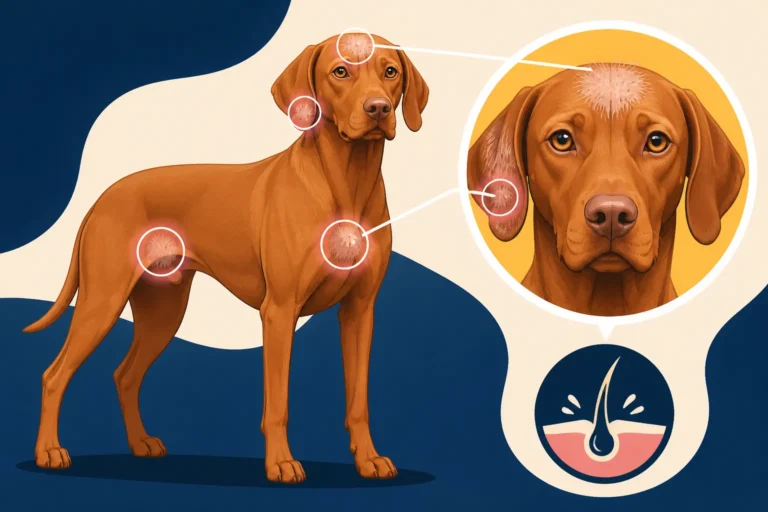
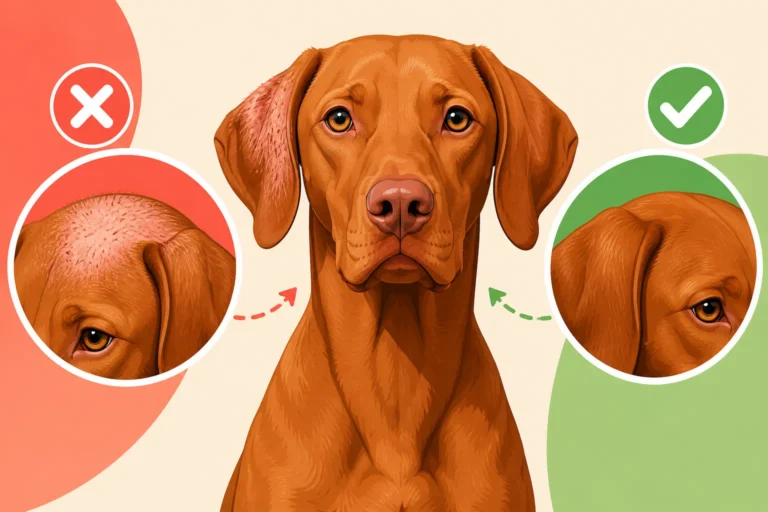
As VIP progresses, the symptoms become much more pronounced and distressing. The inflammation and subsequent atrophy (wasting away) of the masticatory muscles – those used for chewing – become quite evident. You might notice a visible hollowing above your Vizsla's eyes and along their jawline, making their head appear narrower than usual. This muscle loss is not just cosmetic; it severely impacts their ability to eat. What starts as a slight difficulty can quickly escalate to profound dysphagia, or trouble swallowing. Your Vizsla might gag, cough, or repeatedly try to swallow, often with little success. This is incredibly frustrating for both the dog and the owner, as feeding becomes a painstaking process.
The most serious complication of advanced VIP is aspiration pneumonia. When a dog cannot properly swallow, food or liquid can accidentally enter the windpipe and lungs, leading to a severe lung infection. This is a life-threatening condition that requires immediate veterinary intervention. The pain associated with the muscle inflammation can also make the dog reluctant to be touched around the head or neck, further isolating them. It's a truly devastating progression to witness, and it's essential for owners to understand these potential outcomes to advocate for their dog's care. For more information on how the disease impacts their physical appearance, see Whether a Vizsla's Head Muscles Waste Away, and for challenges with eating, refer to Whether a Vizsla With VIP Struggles to Eat. The risk of aspiration is a major concern, detailed further in Whether a Vizsla Aspirates Its Food.
Diagnosing and Differentiating the Conditions
When you suspect something is wrong with your Vizsla, getting a definitive diagnosis is paramount. The path to diagnosis for a generalized polymyositis versus a specific condition like Vizsla Inflammatory Polymyopathy can have some overlaps, but also crucial distinctions that help pinpoint the exact issue. Navigating this medical maze requires a strong partnership with your veterinarian, and often, specialists.
Veterinary Diagnosis for Polymyositis
For a dog presenting with general signs of muscle weakness, stiffness, or pain that might suggest polymyositis, your veterinarian will typically begin with a thorough physical examination and a detailed history of symptoms. They'll look for signs of muscle atrophy, assess your dog's gait, and check for any tenderness or swelling in the muscles.
Initial diagnostic steps often include blood tests. A common indicator of muscle damage is elevated levels of creatine kinase (CK), an enzyme released into the bloodstream when muscle tissue is inflamed or breaking down. However, elevated CK levels only indicate muscle damage; they don't tell you the cause. To get closer to a diagnosis, more advanced tests might be recommended. Electromyography (EMG) can assess electrical activity in the muscles, identifying abnormal patterns consistent with inflammatory myopathy. The gold standard for diagnosing polymyositis, however, is a muscle biopsy. This involves taking a small sample of affected muscle tissue and examining it under a microscope to look for inflammatory cells and muscle degeneration. This comprehensive approach helps rule out other conditions that might present with similar symptoms, ensuring the correct diagnosis is made.
Confirming VIP in Your Vizsla
When a Vizsla presents with symptoms highly suggestive of VIP—particularly those affecting the head and neck muscles—the diagnostic process becomes more targeted. Given the breed's known predisposition to this specific inflammatory myopathy, veterinarians often have VIP high on their list of differentials. As with general polymyositis, blood tests may show elevated CK levels, indicating muscle damage, and sometimes an inflammatory leukogram (changes in white blood cell counts).
However, to definitively confirm VIP, a muscle biopsy from the affected masticatory (chewing) muscles is usually required. This specialized biopsy allows veterinary pathologists to identify the characteristic inflammatory changes and muscle fiber damage specific to VIP. While there's ongoing research into genetic markers for breed-specific diseases, at present, a universally available genetic test that definitively predicts or confirms VIP in all Vizslas isn't widely used as a primary diagnostic tool, though research continues. This is why discussions with experienced Vizsla breeders and specialized neurologists are often invaluable. Knowing Whether Any Test Predicts VIP in a Vizsla is a common question, and it highlights the current reliance on invasive but definitive biopsies. Early communication with your vet, potentially involving referrals to a veterinary neurologist, is key for a precise diagnosis.
| Feature | General Polymyositis | Vizsla Inflammatory Polymyopathy (VIP) |
|---|---|---|
| Definition | Broad term for inflammation of multiple muscles. | Specific, breed-related form of polymyositis in Vizslas. |
| Affected Breeds | Can occur in any breed, various species. | Primarily affects Vizslas. |
| Primary Muscle Groups | Can affect muscles anywhere in the body, leading to generalized weakness. | Predominantly targets muscles of the head, neck, and sometimes esophagus. |
| Common Symptoms | General weakness, stiff gait, reluctance to exercise, muscle pain, muscle wasting. | Difficulty opening mouth, drooling, trouble chewing/swallowing, muffled bark, visible head muscle atrophy, aspiration risk. |
| Suspected Cause | Idiopathic, immune-mediated, or secondary to infection, cancer, drugs. | Immune-mediated, strongly suspected hereditary component within Vizslas. |
| Diagnostic Gold Standard | Muscle biopsy (general affected muscle). | Muscle biopsy (specifically masticatory muscles). |
| Prognosis | Variable, depends on severity and response to treatment. | Variable, often requires lifelong management; aspiration risk is a concern. |
Management and Prognosis for Vizslas with VIP
Getting a diagnosis of Vizsla Inflammatory Polymyopathy can feel like a punch to the gut. The path forward often involves dedicated, long-term care, but understanding the treatment options and what to expect regarding prognosis can empower you to give your Vizsla the best possible quality of life. It’s a marathon, not a sprint, and having a good support system, including your vet and potentially pet insurance, makes a world of difference.
Treatment Approaches and Challenges
The cornerstone of VIP treatment revolves around managing the immune system's misguided attack on the muscles. This primarily involves immunosuppressive drugs. Corticosteroids, such as prednisone, are usually the first line of defense. They work by dampening the immune response, reducing inflammation, and hopefully, halting further muscle damage. The initial doses are often high, and then, if the Vizsla responds well, the dosage is slowly tapered to the lowest effective level to minimize side effects. Unfortunately, these drugs come with their own set of challenges, including increased thirst, urination, appetite, and potential long-term effects on organs.
For Vizslas that don't respond adequately to steroids or experience severe side effects, other immunosuppressive agents like azathioprine, cyclosporine, or mycophenolate mofetil might be added or used instead. These drugs offer alternative ways to modulate the immune system, but they also require careful monitoring through regular blood work to ensure they're not causing other health issues. Beyond medication, supportive care is absolutely critical. This includes feeding soft, palatable food, often from elevated bowls, or even using a specially designed feeding chair to help gravity assist with swallowing. Some Vizslas, especially those with severe dysphagia, might require a temporary or permanent feeding tube to prevent aspiration. The costs associated with these treatments can add up, making a strong case for pet insurance. If you're looking into managing long-term conditions like VIP, having pet insurance from providers like Healthy Paws can make a significant difference in covering these ongoing treatment costs, offering peace of mind during a stressful time. You can learn more about Whether Steroids Control a Vizsla's Polymyopathy and Whether a Vizsla Needs a Feeding Chair. For general costs, consider checking What a Vizsla's Emergency Field Injury Costs and What Insuring a Vizsla Runs Monthly for insights into typical expenses.
Living with VIP and Quality of Life
The prognosis for Vizslas with VIP is highly variable, and that’s one of the hardest parts for owners. Some dogs respond remarkably well to treatment, achieving a good quality of life with consistent medication and management. Their muscle strength might improve, and their eating difficulties can become manageable. However, for others, the disease can be more aggressive, leading to persistent challenges despite intensive therapy. Muscle wasting might continue, and the risk of aspiration pneumonia can remain a constant threat. This can be emotionally exhausting for owners who pour their hearts and resources into their beloved companions.
It's vital to focus on maintaining the best possible quality of life for your Vizsla. This means being vigilant about their eating and drinking, adapting their environment as needed, and working closely with your veterinary team to adjust medications and supportive care. While full recovery, meaning a complete cessation of symptoms without medication, is rare, remission or significant improvement is definitely achievable for many. Understanding that this is a chronic, often lifelong, condition is key. It changes the dynamic of owning a Vizsla, requiring a different kind of dedication, but the bond you share remains as strong as ever. You might also wonder about the genetic implications, explored in Whether Polymyopathy Runs in Vizsla Lines, or the broader treatment possibilities, which you can find in Whether a Vizsla With VIP Can Be Treated. Knowing when to make difficult decisions about your Vizsla's comfort and well-being is part of this journey, and having financial support from a plan like Healthy Paws can at least alleviate some of the monetary burdens involved in providing continuous care.
Disclaimer
Please remember that this article is intended for informational purposes only and is not a substitute for professional veterinary advice. Always consult with a qualified veterinarian for any health concerns or before making any decisions about your pet's medical care.