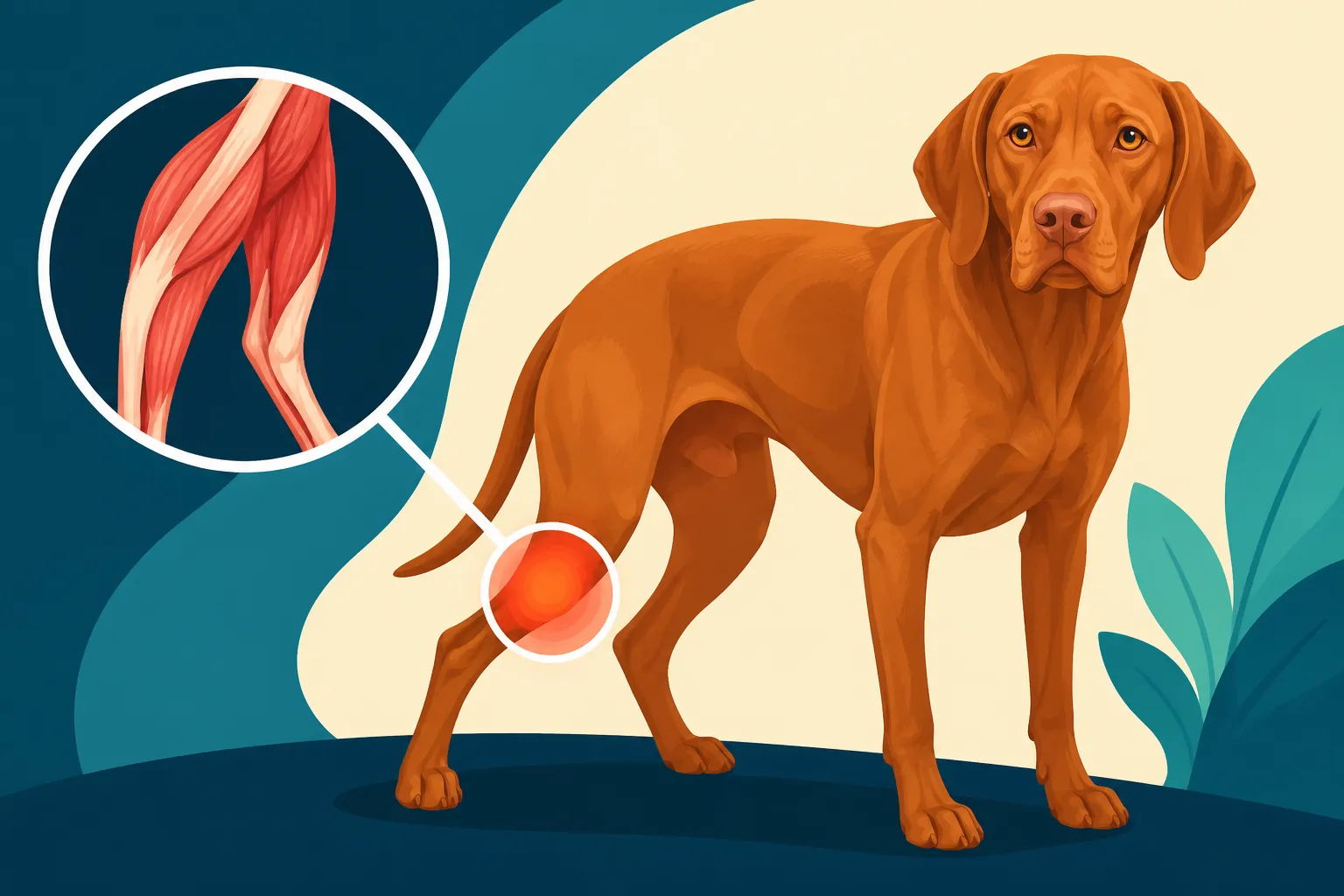
The First Signs of Polymyopathy in a Vizsla
It’s a heart-wrenching experience when your vibrant, energetic Vizsla starts showing subtle changes that just don't feel right. That creeping fear that something serious might be brewing, especially when it involves a rare or complex condition, can be incredibly isolating. This guide is here to shed light on those crucial first signs of polymyopathy in a Vizsla, helping you understand what to look for and how to react, so you can advocate effectively for your beloved companion.
Understanding Vizsla Inflammatory Polymyopathy
Vizsla Inflammatory Polymyopathy (VIP) is one of those conditions that strikes at the very core of what makes our Vizslas so special – their incredible musculature and zest for life. It's a progressive, immune-mediated disease that primarily affects the muscles of the head, neck, and esophagus, leading to significant weakness and dysfunction. Unlike a simple muscle strain, this condition is systemic, meaning your dog's own immune system mistakenly attacks its healthy muscle tissue. It’s a truly devastating diagnosis for many owners who cherish their active companions.
For a deeper dive into the specific mechanisms of this condition, you might want to read our article on What Vizsla Inflammatory Polymyopathy Does.
The Immune System’s Misguided Attack
Imagine your Vizsla’s immune system, usually a diligent guardian, suddenly turning on itself. That’s essentially what happens with VIP. The immune system identifies the muscle cells as foreign invaders and mounts an inflammatory response, gradually destroying the muscle fibers. This isn't just about pain; it's about a fundamental loss of function. The muscles simply stop working as they should, and the consequences can be profound. The frustration for owners often comes from the insidious nature of the disease, as symptoms can be subtle at first and easily dismissed as something less serious.
Why VIP Targets Head and Neck Muscles
It’s peculiar, isn't it, how this disease seems to have a preference? While polymyopathy can affect various muscle groups in different breeds, Vizsla Inflammatory Polymyopathy has a distinct predilection for the muscles involved in chewing, swallowing, and supporting the head and neck. This is a crucial distinction and helps owners narrow down the possibilities when they see unusual symptoms. The specific targeting of these muscles is what makes VIP so particularly challenging and often life-threatening, as it directly impacts a dog's ability to eat and breathe properly. Our article Why VIP Attacks a Vizsla's Head and Neck offers more insights into this phenomenon.
Early Behavioral and Physical Cues
Catching VIP early is absolutely critical, but it’s often a challenge because the initial signs can be incredibly subtle. Many owners might write them off as a dog just "getting old," being "tired," or even "stubborn." This is where your intimate knowledge of your Vizsla's normal behavior becomes your most powerful diagnostic tool. You know your dog better than anyone, and those tiny, nagging feelings that something isn't quite right are usually worth investigating.
Subtle Changes in Demeanor
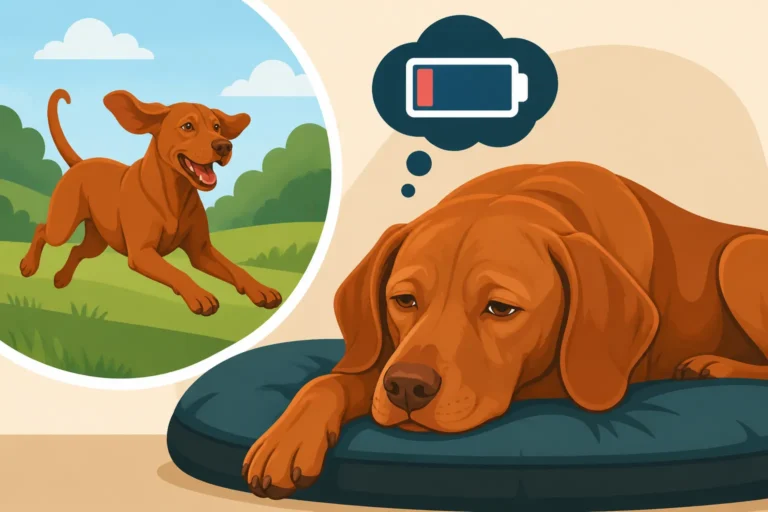
One of the first things you might notice is a change in your Vizsla’s overall attitude or energy levels. Perhaps your typically effervescent dog seems a bit more subdued, less eager to greet you with their usual full-body wiggle. They might still want to go for walks, but their enthusiasm for sustained play or intense retrieving sessions could wane. It’s not an outright refusal, but a slight hesitation, a quicker fatigue.
For instance, you might notice that after a brisk walk, your Vizsla, who normally would still be bouncing for more, now flops down almost immediately and takes longer to recover. Or perhaps they used to follow you from room to room with an unwavering intensity, and now they might lag behind, pausing more frequently. These aren’t dramatic symptoms, but they are departures from the norm. This shift often makes owners question if their beloved companion is simply showing The Age a Vizsla Develops Polymyopathy.
Weakness and Muscle Atrophy
This is where things start to become more physically evident, though still subtle initially. You might feel a slight loss of muscle mass, particularly around the head and neck. Run your hands over your Vizsla’s temporal muscles (on the sides of their head, above the eyes) or along their jawline. Do they feel less prominent, softer, or sunken compared to before? This can be difficult to assess without a baseline, which is why regular physical interaction with your dog is so important.
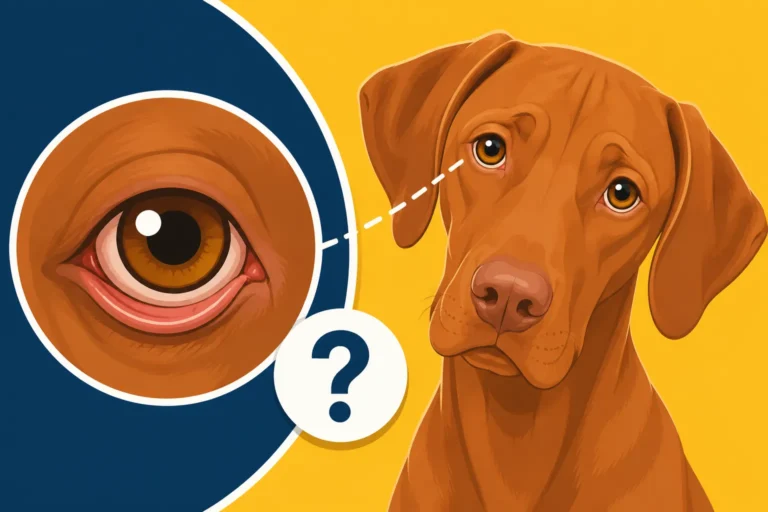
Visually, you might also start to see a subtle drooping of the eyelids or a less alert facial expression. The eyes, usually bright and keen, might appear a little more tired or hollowed. Your Vizsla might also hold their head slightly lower, or appear to have less strength when shaking their head. These are not always easy to spot, especially in a dog known for its lean, athletic build. It can be particularly concerning if you suspect Whether a Vizsla's Head Muscles Waste Away.
Changes in Bark or Whine
The vocalization of a Vizsla is quite distinctive, and any change can be a red flag. Because VIP can affect the muscles of the larynx and pharynx, which are involved in producing sound, you might notice a subtle alteration in your dog's bark or whine. It might become softer, hoarser, or have a slightly different pitch. They might struggle to bark with the same force or volume they once did.
Consider your Vizsla’s "happy whine" when you come home – does it sound a little weaker? Or their warning bark at the mail carrier – is it less robust? This is a symptom that often goes unnoticed until it's quite advanced, simply because most owners don't analyze their dog's vocalizations that closely unless there's a dramatic change.
Oral and Swallowing Difficulties
This category of symptoms is often the most critical and can rapidly lead to life-threatening complications if not addressed. When the muscles responsible for chewing, moving food around the mouth, and swallowing become weakened, everything from hydration to nutrition is at risk. It’s truly heartbreaking to watch a dog that wants to eat, but physically struggles to do so.
Drooling or Difficulty Holding Food
One of the hallmark signs that something is wrong with the oral muscles is excessive drooling, or simply an inability to keep food contained in the mouth. You might notice your Vizsla dropping kibble as they try to eat, or a steady drip of saliva that wasn’t there before. This isn't just a messy eating habit; it indicates a loss of control over the jaw and lip muscles.
It's particularly noticeable after they've taken a mouthful of food. Instead of chewing cleanly, food might fall out the sides of their mouth, or they might seem to struggle to properly form a bolus of food to swallow. For more on this, check out Whether a Vizsla Drools Before It Loses Muscle. This can quickly lead to a frustrating situation where your dog is hungry but cannot effectively nourish itself.
Pain or Reluctance to Chew
Chewing can become a painful or difficult endeavor. Your Vizsla might start to approach their food bowl with hesitation, or take unusually long to finish a meal. They might try to take smaller bites or avoid harder kibble altogether, preferring softer foods. You might even see them drop a chew toy or bone that they once loved, seeming to give up on it quickly.
Imagine trying to eat a steak when your jaw muscles are weak and sore – that’s a similar experience for your Vizsla. They might show subtle signs of pain, such as pulling back when you touch their jaw or showing a quick flinch. This is a clear indicator that feeding, once a joyous activity, is becoming a source of discomfort. Our article on Whether a Vizsla With VIP Struggles to Eat delves into this in more detail.
Regurgitation and Aspiration Risk
Perhaps the most dangerous symptom related to swallowing difficulties is regurgitation or, even worse, aspiration. Regurgitation is different from vomiting; it's the passive expulsion of undigested food, often tubular in shape, that never made it to the stomach. This happens because the esophageal muscles are too weak to properly propel food downwards.
Aspiration occurs when food or liquid enters the trachea (windpipe) instead of the esophagus, leading to severe pneumonia. You might notice coughing, gagging, or repeated attempts to swallow, especially after eating or drinking. If you suspect Whether a Vizsla Aspirates Its Food, it's an immediate emergency.
It is absolutely crucial to be vigilant about this, as aspiration pneumonia can be fatal. If your Vizsla starts coughing, gagging, or seems to be having trouble breathing after eating or drinking, seek veterinary care immediately.
Early Signs of Vizsla Inflammatory Polymyopathy
| Symptom Category | Specific Sign | What You Might Observe | Potential Underlying Issue | Urgency |
|---|---|---|---|---|
| Behavioral/Energy | Decreased enthusiasm for activity | Less eager to play, quicker fatigue after exertion, more subdued demeanor | Muscle weakness, discomfort, systemic inflammation | Moderate, watch closely |
| Reluctance to jump or climb | Hesitation before getting into a car or onto a sofa | Generalized muscle weakness, neck pain | Moderate | |
| Physical Changes | Subtle muscle loss (atrophy) | Sunken temporal muscles (sides of head), less prominent jawline, thinner neck | Muscle degeneration due to immune attack | Moderate, consult vet |
| Drooping eyelids, tired facial expression | Eyes appear less alert, face seems "saggy" | Weakness in facial and orbital muscles | Moderate, consult vet | |
| Altered head carriage | Holding head lower, less confident head movements | Neck muscle weakness or pain | Moderate | |
| Oral/Swallowing | Excessive drooling, food dropping | Kibble falling from mouth while eating, constant saliva drip | Weakness of jaw, lip, and buccal muscles | High, vet urgently |
| Difficulty chewing, prolonged eating | Taking smaller bites, avoiding hard food, taking a very long time to finish meals | Pain or weakness in masticatory muscles | High, vet urgently | |
| Regurgitation or gagging after eating/drinking | Expelling undigested food, repeated swallowing attempts, coughing | Esophageal dysfunction, aspiration risk | Emergency, vet immediately | |
| Changes in bark/whine | Hoarser, softer, or less forceful vocalizations | Laryngeal/pharyngeal muscle weakness | Moderate to High, consult vet |
What to Do When You Notice Symptoms
Spotting these early signs can be incredibly distressing, but it’s the first step towards getting your Vizsla the help they need. Time is often of the essence with conditions like VIP, so don't delay in seeking professional veterinary advice. It’s far better to investigate and find nothing serious than to wait and miss a critical window for intervention.
Schedule an Immediate Vet Visit
If you’re noticing any of these symptoms, especially those related to eating or swallowing, pick up the phone and call your veterinarian right away. Don’t wait for "regular" business hours if your dog is actively struggling to breathe or eat. Describe your concerns in detail. Your vet might suggest an emergency visit or an urgent appointment within a day or two, depending on the severity of the symptoms.
When you go to the vet, be prepared to discuss when you first noticed the changes, how they've progressed, and any other health history. It helps to keep a brief log or even take videos of your Vizsla's struggles, as they might not exhibit the exact symptoms perfectly during the vet examination. Discussing potential diagnostic costs with your vet and understanding how a policy from Healthy Paws might help with unexpected serious illnesses can also bring peace of mind.
Discuss Diagnostic Options
Your veterinarian will likely perform a thorough physical and neurological exam. To confirm a diagnosis of polymyopathy, several diagnostic tests might be recommended. These could include blood tests to look for elevated muscle enzymes (like CK – creatine kinase) which indicate muscle damage. However, elevated CK isn’t exclusive to polymyopathy and can be seen with other muscle injuries.
More specific diagnostics might involve electromyography (EMG) to assess muscle electrical activity, or even a muscle biopsy, which is often considered the definitive diagnostic tool. This involves taking a small sample of muscle tissue to be examined under a microscope for signs of inflammation and degeneration. This is a more invasive procedure, but it provides crucial information. If you're wondering about the specific test that predicts the condition, our guide on Whether Any Test Predicts VIP in a Vizsla might offer more context.
Consider Specialized Care
Given the complex nature of Vizsla Inflammatory Polymyopathy, your regular veterinarian might recommend a referral to a veterinary neurologist or an internal medicine specialist. These specialists have advanced training and equipment to diagnose and manage immune-mediated diseases more effectively. They can guide you through the intricacies of treatment options and long-term management.
It’s completely normal to feel overwhelmed by a potential diagnosis of VIP. Having a robust pet insurance plan, perhaps with a provider like Healthy Paws, can certainly alleviate some of the financial stress that comes with specialist consultations, advanced diagnostics, and long-term medication. These types of policies can be a lifesaver when faced with expensive chronic conditions.
Exploring Treatment and Management
While VIP is a serious condition, it's not always a death sentence. Treatment typically involves immunosuppressive medications, most commonly corticosteroids like prednisone, to halt the immune system's attack on the muscles. The goal is to reduce inflammation and prevent further muscle damage. The dosage and duration of treatment will be carefully monitored by your vet or specialist.
In addition to medication, supportive care is crucial. This might include dietary modifications (e.g., softer foods, elevated feeding bowls to aid gravity), and in severe cases, a feeding tube might be necessary temporarily. Physical therapy can also play a role in maintaining muscle function and preventing contractures. Our articles Whether a Vizsla Needs a Feeding Chair and Whether Steroids Control a Vizsla's Polymyopathy could provide more details on these management strategies. The path to recovery can be long and challenging, but with dedicated care, many Vizslas can achieve a good quality of life.
Disclaimer
This article is intended for informational purposes only and does not constitute veterinary advice. Always consult with a qualified veterinarian for any health concerns or before making any decisions about your Vizsla's care.