Managing a Vizsla’s Skin for Life
Anyone who shares their life with a Vizsla knows just how special these dogs are – their boundless energy, their unwavering loyalty, and that stunning, sleek coppery-gold coat. But that beautiful, thin coat and underlying delicate skin can also be a source of constant worry and frustration for many owners. It's a journey, not a destination, to keep a Vizsla's skin healthy and comfortable, and this guide is here to walk you through understanding, managing, and loving your Vizsla's unique skin for their entire life.
Understanding the Vizsla's Unique Skin and Coat
When you think of a Vizsla, you probably picture that striking, short, smooth coat. It's one of their most defining features, but it's also intrinsically linked to why their skin can be such a challenge. Unlike many other breeds, Vizslas have a very specific coat type that offers less natural protection, making their skin more vulnerable to environmental factors and underlying health issues.
The Single Coat and Its Vulnerabilities
Vizslas are known for their "single coat," meaning they lack the dense, insulating undercoat that many dog breeds possess. This absence of a protective layer means their skin is far more exposed to the elements – be it harsh sun, biting cold, or irritating flora they encounter during their adventures. Imagine stepping outside in just a thin t-shirt when everyone else is wearing a sweater and a jacket; that's often how a Vizsla's skin experiences the world.
This thinness isn't just about insulation; it also means their skin is more delicate and prone to injury. A Vizsla's skin can tear quite easily, especially when they're charging through dense brush or prickly undergrowth in the field. What might be a minor scratch on a thicker-skinned breed could be a nasty cut on a Vizsla, requiring more immediate attention and care. It’s a constant concern for those of us whose Vizslas live for the outdoors. Furthermore, their skin, especially on their belly and those lovely pink noses, is particularly susceptible to sunburn, requiring vigilance even on moderately sunny days. This makes understanding The Single Coat a Vizsla Has and Why It Changes Everything incredibly important for their overall well-being.
Why Vizslas are Prone to Skin Sensitivities
Beyond the physical vulnerability of their single coat, Vizslas also carry a genetic predisposition to various skin sensitivities and immune-mediated conditions. This means their skin isn't just delicate; it's often reactive. It's a sad reality that our beloved breed seems to have a more sensitive system overall, and the skin is frequently the first place these sensitivities manifest.
Many Vizslas battle environmental allergies, reacting to common irritants like pollen, dust mites, and certain grasses. Their immune systems, while generally robust, seem to have a penchant for overreacting to otherwise harmless substances. This can lead to persistent itching, redness, and discomfort, turning everyday life into a scratch-fest. It’s part of a broader picture where Why Vizslas Carry So Much Immune Disease really comes into play, making them susceptible to a range of complex health issues. Understanding these sensitivities is the first step in creating a management plan that truly works.
Common Skin Conditions in Vizslas
Living with a Vizsla often means becoming intimately familiar with their skin, and unfortunately, sometimes this means encountering various skin conditions. While some are common across all breeds, several are particularly prevalent or problematic in Vizslas, often due to their unique genetic makeup and coat type.
Sebaceous Adenitis: A Serious Concern
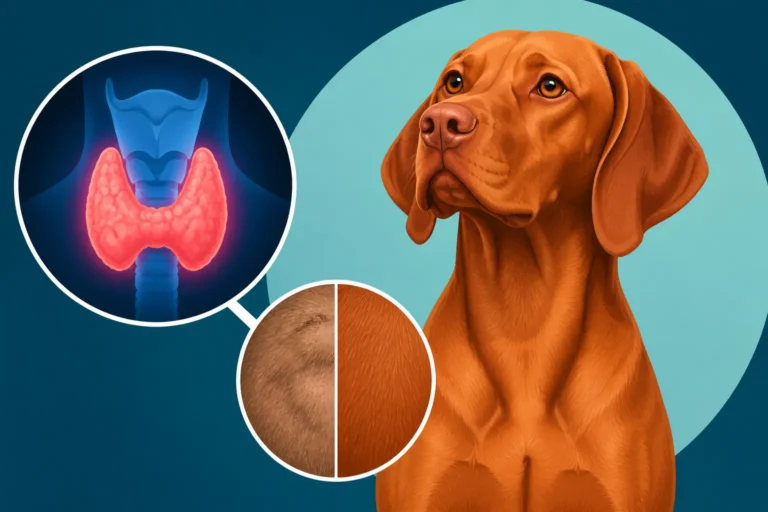
One of the most heart-wrenching and frustrating skin conditions unique to the Vizsla and a few other breeds is Sebaceous Adenitis (SA). This isn't just a minor skin irritation; it's a serious inflammatory disease that specifically targets and destroys the sebaceous glands, which are responsible for producing the natural oils that keep skin and coat healthy. When these glands are gone, the skin becomes incredibly dry, flaky, and prone to secondary infections.
The symptoms of SA are quite distinctive, though they can sometimes be mistaken for other conditions initially. You'll typically see progressive hair loss, often starting along the topline of the back, ears, and head, leading to a dull, brittle, and often sparse coat. The skin itself becomes scaly, thickened, and can develop a rancid odor due to bacterial overgrowth. This condition can be incredibly uncomfortable for your Vizsla, leading to relentless itching, scratching, and general misery. It's a disease that doesn't just affect their looks; it significantly impacts their quality of life. For more detailed information on its progression, you might want to look into What Sebaceous Adenitis Does to a Vizsla and How Common Sebaceous Adenitis Is in Vizslas.
Allergies and Atopic Dermatitis
Beyond the specific challenge of Sebaceous Adenitis, many Vizslas struggle with general allergies, often culminating in a diagnosis of atopic dermatitis. This is essentially an allergic reaction to environmental substances, much like hay fever in humans, but it primarily affects the skin in dogs. It's incredibly common, and if your Vizsla is constantly licking their paws, scratching their ears, or rubbing their face, allergies are often the culprit.
These environmental allergens can range from tree pollens and grasses to dust mites and mold spores, making it a year-round battle for some dogs, especially depending on your geographic location. The persistent itching can lead to a cascade of secondary problems, as the dog traumatizes their skin by scratching, opening the door for bacterial or yeast infections. Food allergies are another common component, where certain ingredients in their diet can trigger similar itchy skin responses. Identifying the specific triggers can be a long and challenging process, often requiring elimination diets or allergy testing, but it's crucial for long-term management. We've explored this further in articles like Whether a Vizsla Gets Atopic Dermatitis and Whether a Vizsla Reacts to Its Food.
Infections: Bacterial and Fungal
Because a Vizsla's skin can be compromised by conditions like Sebaceous Adenitis or constant scratching from allergies, it becomes a prime target for opportunistic infections. These secondary infections are often the reason for the most visible and unpleasant symptoms, such as foul odors, widespread redness, pustules, or greasy, discolored skin.
Bacterial infections, often caused by Staphylococcus bacteria that are normally present on the skin, can flourish when the skin barrier is damaged. These can manifest as folliculitis (inflammation of hair follicles), pyoderma (skin infection), or "hot spots" – acute moist dermatitis where the dog licks or chews so intensely that a rapidly spreading, painful lesion forms. Fungal infections, particularly yeast (most commonly Malassezia), also thrive in warm, moist, and compromised skin environments, leading to greasy, itchy, and often smelly patches, especially in skin folds or between paw pads. Addressing these infections usually requires specific medicated shampoos, topical treatments, or oral antibiotics/antifungals, alongside tackling the underlying issue that made the skin vulnerable in the first place.
Daily Care Routines for Healthy Vizsla Skin
Maintaining healthy skin in a Vizsla is a proactive, daily commitment, not just a reactive response to a problem. Because of their unique coat and inherent sensitivities, establishing a consistent and gentle care routine is paramount. This isn't about pampering; it's about prevention and comfort.
Gentle Bathing and Grooming Practices
Regular, but gentle, bathing is a cornerstone of managing a Vizsla's delicate skin. The frequency will depend on your individual dog and their specific skin needs – some may benefit from weekly baths, while others only need one every few weeks. The key is to use the right products. Harsh shampoos can strip the skin of its natural oils, exacerbating dryness and irritation. Instead, opt for hypoallergenic, pH-balanced shampoos specifically formulated for sensitive skin, or medicated shampoos prescribed by your vet if dealing with an active infection or condition like Sebaceous Adenitis.
When bathing, ensure the water is lukewarm, not hot, and gently massage the shampoo into their coat and skin. It’s absolutely critical to rinse thoroughly, and then rinse again. Any shampoo residue left behind can cause irritation and itching, defeating the purpose of the bath. After rinsing, gently towel-dry your Vizsla, paying close attention to drying between their toes and in their armpits. While their short coat dries relatively quickly, ensure they are completely dry before heading outside or snuggling into bed, especially in colder weather. For Vizslas with ongoing skin issues, your vet might recommend specific medicated baths, making Whether a Vizsla Needs Medicated Baths for Life a very real consideration for many owners. Choosing Which Shampoo Suits a Vizsla's Skin is a frequent topic of discussion among Vizsla enthusiasts.
Protecting Their Delicate Skin
Beyond bathing, everyday protection plays a vital role in safeguarding your Vizsla's thin skin. Their lack of an undercoat and fine skin makes them more vulnerable to the elements and physical trauma. Sun protection is a must, especially for Vizslas with paler noses, ears, or bellies. Just like us, they can get sunburned, leading to discomfort and potentially increasing the risk of skin cancer over time. Consider using pet-safe sunscreen on exposed, lightly pigmented areas, or limit sun exposure during peak hours.
For our active, adventurous Vizslas who love to run through fields and brush, physical protection is equally important. A protective vest, often made of durable Cordura or similar material, can prevent painful cuts and abrasions on their chest and belly when they're working or hiking in thick cover. After every outdoor excursion, especially in grassy or wooded areas, make it a habit to thoroughly check your Vizsla over. Look for ticks, burrs, thorns, and especially grass seeds (also known as foxtails) that can burrow into their skin, ears, or between their toes. Their thin skin means that even minor irritations can quickly become bigger problems. These checks are essential, as their delicate constitution means The Thin Skin a Vizsla Takes Into the Field really does require extra consideration. And of course, never underestimate the need to protect their sensitive noses from sunburn, as discussed in Sunburn and the Pale Vizsla Nose.
Nutrition's Role in Lifelong Skin Health
We often hear the adage "you are what you eat," and for our Vizslas, this couldn't be truer when it comes to their skin health. What goes into their bowl directly impacts the integrity of their skin barrier, the luster of their coat, and their overall ability to fight inflammation. Good nutrition is not just about fuel; it's foundational medicine for their skin.
Essential Fatty Acids and Omega Supplements
One of the most impactful dietary components for Vizsla skin health is essential fatty acids, particularly Omega-3s and Omega-6s. These are crucial for maintaining the skin's natural barrier function, reducing inflammation, and promoting a healthy, supple coat. Think of them as the building blocks for healthy skin cells and the natural moisturizing factors within the skin. When a Vizsla's diet is lacking in these crucial fats, their skin can become dry, flaky, itchy, and more susceptible to infections.
High-quality sources of Omega-3 fatty acids include fish oils (like salmon oil, anchovy oil, or krill oil), flaxseed oil, and certain algae-based supplements. Omega-6s are typically more abundant in most commercial dog foods, found in ingredients like chicken fat or vegetable oils. However, the ratio and quality of these fats are important, with an emphasis often placed on boosting Omega-3s to help balance inflammatory responses. Many Vizsla owners find a noticeable improvement in their dog's coat and a reduction in itching after consistently supplementing with a good quality fish oil. Always consult your vet to determine the appropriate dosage for your individual dog, as too much of a good thing can sometimes lead to other issues. This ties into the question of Whether a Vizsla Needs Fish Oil for Its Skin – for many, the answer is a resounding yes.
Identifying and Managing Food Sensitivities
As mentioned earlier, food sensitivities can play a significant role in chronic skin issues for Vizslas. Unlike a true food allergy, which involves an immediate immune response, sensitivities can cause more delayed and subtle reactions, often manifesting as persistent itching, ear infections, or gastrointestinal upset. Pinpointing these can be tricky, as symptoms might not appear until days after ingestion, and dogs can develop sensitivities over time to ingredients they've eaten for years.
The gold standard for identifying food sensitivities is an elimination diet. This involves feeding your Vizsla a novel protein source (one they've never eaten before, like venison, duck, or kangaroo) and a novel carbohydrate (like sweet potato or green peas) for 8-12 weeks, strictly avoiding all other foods, treats, and even flavored medications. During this period, skin symptoms should ideally improve. After the elimination phase, ingredients are slowly reintroduced one by one to identify the culprits. Once identified, managing food sensitivities means a lifelong commitment to avoiding those specific ingredients. This often means carefully scrutinizing food labels, choosing limited ingredient diets, or even working with a veterinary nutritionist to formulate a homemade diet. This can be a game-changer for a Vizsla with chronic skin woes, as explored in Whether a Vizsla Reacts to Its Food.
When to Seek Veterinary Care for Skin Issues
While diligent home care can make a huge difference, there are definitely times when a Vizsla's skin issues warrant immediate veterinary attention. Ignoring persistent or worsening symptoms can lead to more severe problems, greater discomfort for your dog, and more complicated, expensive treatments down the line. Knowing when to pick up the phone and call your vet is crucial for managing a Vizsla's skin for life.
Recognizing Red Flags
As a Vizsla owner, you become an expert in your dog's normal appearance and behavior. Any deviation from this should catch your eye, especially concerning their skin. Red flags that indicate it's time to see the vet include persistent scratching, licking, or chewing that doesn't resolve within a day or two, or that seems to be getting worse. Look for areas of redness, inflammation, pustules, or scabbing. If you notice any significant hair loss, particularly in patches or spreading areas, it's a definite cause for concern.
Another serious indicator is a change in the skin's texture or smell. Greasy or oily skin, a rancid odor, or a yeasty smell can all point to underlying infections. Swelling, pain when touched, or any discharge (pus or clear fluid) from the skin are also clear signs that something isn't right. Furthermore, if your Vizsla seems generally unwell – lethargic, losing appetite, or running a fever in conjunction with skin symptoms – don't delay. These are all signs that your dog's immune system might be struggling, and professional medical intervention is needed promptly.
Diagnostic Tests and Treatment Options
When you visit your vet for a skin issue, they won't just guess; they'll typically employ a range of diagnostic tools to get to the bottom of the problem. A thorough physical exam and a detailed history from you (when did it start, what have you tried, etc.) are always the first steps. From there, they might recommend tests such as skin scrapes to check for mites (like demodex or sarcoptes), cytology (examining cells under a microscope) to identify bacterial or yeast infections, or fungal cultures. In more complex cases, or when a condition like Sebaceous Adenitis is suspected, a skin biopsy may be recommended. This involves taking a small tissue sample for histopathological examination, providing a definitive diagnosis. It’s definitely not a decision to take lightly, and understanding Whether a Skin Biopsy Confirms It in a Vizsla is helpful.
Treatment options will vary widely depending on the diagnosis. For infections, antibiotics or antifungals (oral or topical) are common. Allergies might be managed with antihistamines, steroids (oral or topical), Apoquel, or Cytopoint injections. For conditions like Sebaceous Adenitis, treatments often involve medicated baths, oil soaks, and sometimes immune-modulating drugs like cyclosporine. Cyclosporine, in particular, can be very effective but comes with its own considerations, which we explore in Whether Cyclosporine Helps a Vizsla. Your vet will work with you to create a tailored treatment plan, which may also include dietary changes, supplements, and environmental management strategies. Investing in pet insurance from providers like Healthy Paws can be a real lifeline here, as chronic skin conditions and the diagnostics involved can become quite expensive over time.
Proactive Management and Long-Term Strategies
Living with a Vizsla with sensitive skin often means adopting a mindset of proactive, long-term management. It’s not about finding a quick fix, but rather establishing a sustainable routine that supports their skin health day in and day out, minimizing flare-ups and maximizing comfort. This approach requires consistency, vigilance, and a strong partnership with your veterinary team.
Environmental Management
Since many Vizslas battle environmental allergies, managing their immediate surroundings can significantly impact their skin health. Reducing exposure to known or suspected allergens is a crucial step. For instance, if your Vizsla reacts to pollen, consider wiping them down with a damp cloth or bathing them after outdoor excursions to remove pollen from their coat and paws. HEPA air purifiers in your home can help reduce indoor allergens like dust mites and mold spores, while regular vacuuming (with a HEPA filter) and washing bedding in hot water can also make a difference.
Controlling humidity levels in your home can also be beneficial; excessively dry air can irritate already sensitive skin, while overly humid environments can encourage yeast and bacterial growth. Simply put, creating a cleaner, more controlled environment can take a significant load off your Vizsla's immune system and skin barrier, allowing it to heal and maintain itself more effectively. It’s about minimizing the triggers that set off their skin’s reactivity.
Working with Your Vet and Specialists
Perhaps the most important long-term strategy for managing a Vizsla's skin for life is fostering a strong, ongoing relationship with your veterinarian. They are your primary partner in this journey, helping to diagnose, treat, and adjust management plans as needed. Don't hesitate to schedule regular check-ups specifically to discuss skin health, even when things seem stable. Catching potential issues early can prevent minor irritations from escalating into full-blown crises.
For particularly complex or persistent cases, your general practitioner might recommend a referral to a veterinary dermatologist. These specialists have advanced training and equipment to perform intricate diagnostics and implement cutting-edge treatments that might not be available at a general practice. They can offer specialized allergy testing, advanced imaging, and in-depth knowledge of rare or challenging skin conditions. Creating a comprehensive, long-term plan often involves a combination of dietary adjustments, topical therapies, oral medications, and environmental controls. This can be a costly endeavor, so having pet insurance like Healthy Paws, which covers chronic conditions, can provide immense peace of mind and ensure your Vizsla receives the best possible care without financial strain. Remember, you're a team with your vet, and open communication and collaboration are key to giving your Vizsla the most comfortable, itch-free life possible.
Disclaimer
Please remember that the information provided in this article is for general educational purposes only and should not be considered a substitute for professional veterinary advice. Every Vizsla is an individual, and skin conditions can vary widely in their presentation and required treatment. Always consult with a qualified veterinarian for any health concerns or before making any changes to your dog's diet, care routine, or medical treatment plan.