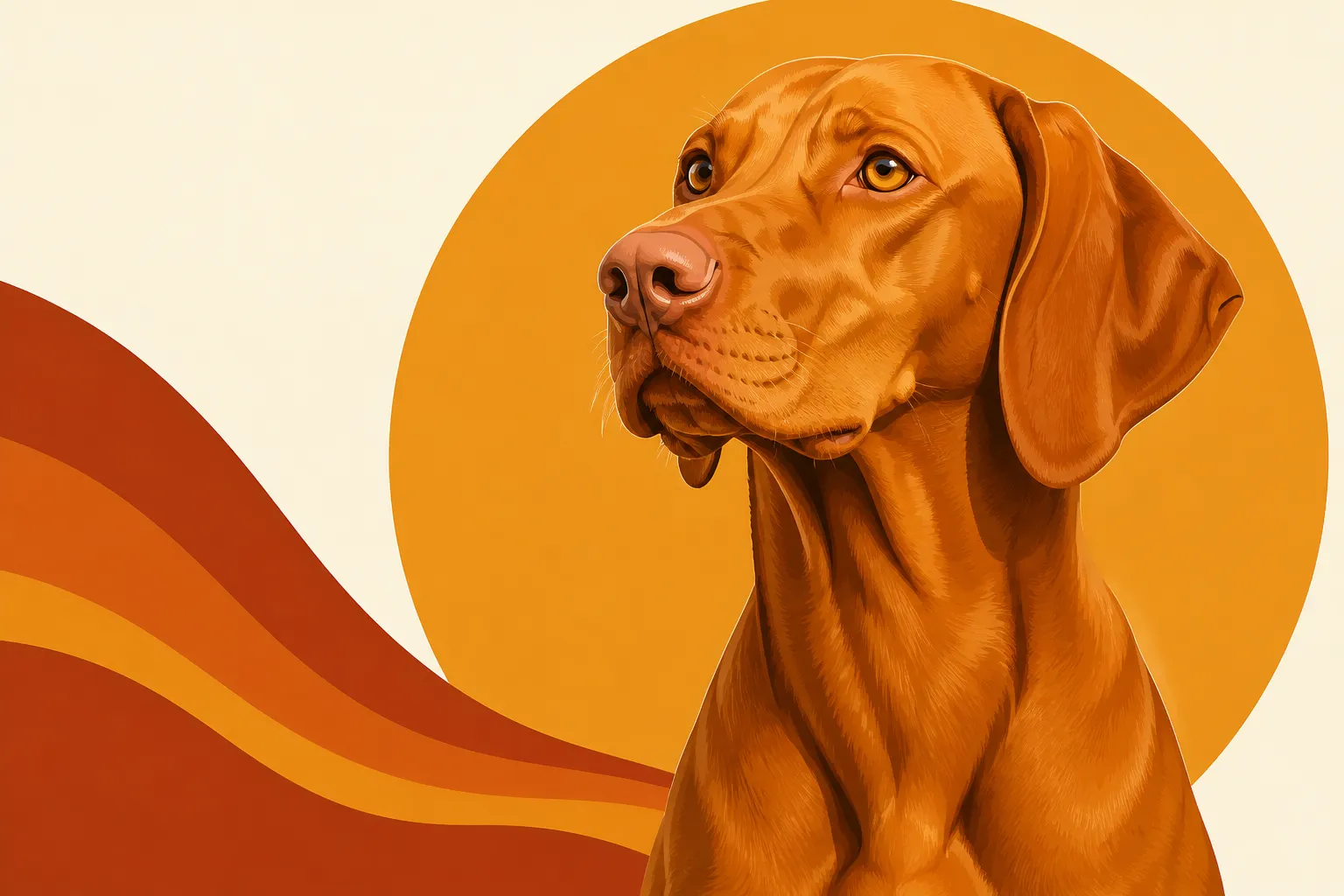
The Golden Rust Color Only a Vizsla Wears
One of the most instantly recognizable traits of the Hungarian Vizsla is their stunning, distinctive coat color. It's not simply "red" or "brown," and trying to describe it in generic terms just doesn't do it justice. Many new owners or those admiring the breed from afar often struggle to articulate this unique hue, sometimes calling it rust, golden, or even an unusual chestnut. This guide aims to thoroughly explore and celebrate the captivating golden rust color that truly defines a Vizsla, diving into its genetics, variations, and how to keep that beautiful coat gleaming.
The Unique Hue of the Vizsla Coat
When you first lay eyes on a Vizsla, that coat just hits you, doesn't it? It’s a color unlike any other in the dog world, a rich, luminous shade that seems to shift and glow in different lights. It's part of what makes them so striking and easily distinguishable, even to those who aren't steeped in the world of dog breeds. But beyond just "pretty," this color is a defining characteristic of the breed, a genetic signature that breeders strive to maintain and protect. It's a hallmark that tells a story of careful lineage and a proud heritage.
More Than Just "Red" or "Brown"
It’s easy to dismiss the Vizsla’s coat as just another shade of red or brown, especially if you’re only seeing a picture online or from a distance. But up close, in person, you’ll notice that it has a depth and vibrancy that transcends those simple descriptions. It's often referred to as "golden rust," and that descriptor really captures the essence of it: the warmth of gold mingling with the earthy richness of rust. It's neither a dark, heavy brown nor a bright, fiery red. Instead, it occupies this incredible middle ground, a warm, inviting hue that stands out without being garish. It’s a color that feels natural, reflecting the dog’s athletic build and the environments they were bred to work in.
Think about a copper penny freshly minted, or the rich autumn foliage just as the sun hits it – that’s closer to the mark. This isn't just semantics; it’s about appreciating the subtle nuances that make the Vizsla truly unique. When breeders talk about "correct" color, they aren't just being particular; they're upholding a standard that speaks to the breed's identity and history. You’ll find that Vizsla enthusiasts are fiercely protective of this color, and for good reason—it’s a living part of the breed’s legacy.
The Official Breed Standard Description
To truly understand the golden rust color, we need to look at what the official breed standards say. These standards are the blueprints that breeders and judges use to ensure the integrity of the breed. They describe the ideal Vizsla, from their build to their temperament, and of course, their coat. For the Vizsla, the color description is quite specific. It's usually defined as "golden rust" or "russet gold," with uniformity being a key factor. This means the color should be consistent across the entire body, without variations like darker patches or lighter streaks.
Any deviation, such as a pale yellow or a dark, mahogany red, is generally considered a fault. Small white markings on the chest and feet are often permissible, but anything extensive can be a disqualification. The standard emphasizes this striking, uniform color because it's so fundamental to the Vizsla's identity. It's not just about aesthetics; it's about adhering to the very essence of what makes a Vizsla, well, a Vizsla. This adherence ensures that the breed maintains its distinct look and genetic traits across generations.
Why the Color is So Distinctive
What makes this particular shade so distinctive? A lot of it has to do with the absence of certain pigments and the specific combination of others. Unlike many other breeds that come in a rainbow of colors, the Vizsla is essentially monochromatic in its body coat. You won't find black, merle, or piebald patterns in a purebred Vizsla. This narrow genetic palette means that all Vizslas, ideally, exhibit variations of this golden rust. The Golden Rust Color Only a Vizsla Wears is often what draws people to the breed in the first place, setting them apart from other sporting dogs.
The color itself is warm and rich, often described as having an inner glow, especially when the dog is healthy and their coat is well-conditioned. This isn't just subjective; it's a real phenomenon, influenced by the fine, short texture of their coat which allows light to reflect beautifully. It's a color that evokes images of autumn fields and sunsets, perfectly suiting a dog known for its athleticism and grace in the outdoors. This consistent, singular color palette means that when you see a Vizsla, you know it’s a Vizsla, even without seeing their characteristic head or gait.
Genetic Underpinnings of Golden Rust
Understanding the Vizsla's golden rust coat isn't just about admiring its beauty; it's about appreciating the fascinating genetics at play. Dog coat color is a complex science, determined by a combination of genes inherited from both parents. For the Vizsla, the specific genetic makeup ensures that this unique "golden rust" is the dominant and only acceptable color, reflecting centuries of careful breeding.
The Role of the Phaeomelanin Pigment
At the heart of the Vizsla’s golden rust coat is a pigment called phaeomelanin. This is the pigment responsible for all shades of red and yellow in dog coats. Think of it as the building block for colors like cream, tan, yellow, orange, and, yes, rust. In most breeds, you'll find a mix of phaeomelanin and eumelanin (the pigment for black and brown), but in the Vizsla, phaeomelanin is the star of the show, virtually unopposed by other major color genes.
The intensity of this phaeomelanin is what creates the vibrant, deep golden rust that we all know and love. Dogs with less intense phaeomelanin might have a paler yellow or cream coat, while those with more intense expression get that deeper, richer hue. The Vizsla has genes that ensure a high, consistent intensity of phaeomelanin production, giving them their characteristic uniform shade. This pigment isn't just in the hair; it also plays a role in the color of their nose, eyes, and paw pads, ensuring that delightful matching tone that completes their look.
Understanding the "E" and "B" Loci
Delving a little deeper into the genetics, two specific gene loci, the "E" locus and the "B" locus, are crucial to the Vizsla's color.
The E locus (Extension locus) controls the distribution of red and black pigments. In Vizslas, they typically carry two recessive "e" alleles (ee). This "ee" genotype means that only phaeomelanin (red/yellow pigment) can be produced in the hair shaft, effectively blocking any black eumelanin from showing up in the coat itself. It's why you won't see a black Vizsla or a Vizsla with black patches – the "ee" genotype ensures it. This is a common genetic trait found in other red breeds like Irish Setters and Golden Retrievers, but the specific shade of red is then determined by other genes.
The B locus (Brown locus) determines whether eumelanin (black pigment) is expressed as black or brown. While the "ee" genotype prevents eumelanin from appearing in the coat, it still influences the color of the nose, eyes, and paw pads. Vizslas are genetically "bb" at the B locus. This means that if they were to produce eumelanin in their coat (which they don't, thanks to "ee"), it would be brown. More importantly, this "bb" genotype gives them their distinctive liver or self-colored nose, amber eyes, and matching paw pads, rather than black. It’s this combination of "ee" and "bb" that truly locks in the Vizsla's iconic golden rust coat with its perfectly matched points. Why a Vizsla's Nose Matches Its Coat is a direct result of these genetic factors.
Why No Black is Present
It’s often a point of fascination for people new to the breed: why no black? Many dogs come in black, or black and tan, or have black pigment in their noses and eye rims. The complete absence of black in the Vizsla's coat, nose, and other points is a direct result of the specific genetic combination mentioned above. The recessive "ee" genotype at the E locus prevents the expression of black pigment in the hair shaft. It’s like a genetic switch that turns off the ability for black to show up on the coat.
Even if a Vizsla carried genes that could produce black, the "ee" effectively overrides it in the coat. Furthermore, the "bb" genotype ensures that any eumelanin produced (which, again, isn't visible in the coat) is brown, not black, hence the liver-colored nose, eye rims, and paw pads. This rigid genetic setup has been carefully maintained through generations of selective breeding to preserve the breed's distinct appearance. Any black hair in the coat, or a black nose, would indicate a mix-breed or a genetic anomaly that goes against the established breed standard. This commitment to the pure golden rust color is a testament to the dedication of Vizsla breeders throughout history.
Variations Within the Golden Rust Spectrum
While the breed standard calls for a uniform "golden rust," it's important to understand that no two Vizslas are exactly the same shade. Just like human hair color, there's a natural spectrum of variation that can occur, all falling within the acceptable range of the breed standard. This subtle diversity adds to the charm of the breed, allowing each Vizsla to have its own unique, yet still distinctly Vizsla, look.
From Lighter Sands to Deeper Reds
Within the golden rust spectrum, you might encounter Vizslas that lean slightly towards a "sandy gold" or a lighter, almost apricot hue. These dogs will still possess that characteristic warmth and glow, but perhaps a bit less intensity in their red tones. On the other end of the spectrum, some Vizslas will exhibit a deeper, richer "red gold," bordering on a dark copper or even a mahogany tint. This richer shade tends to be more saturated and vibrant.
Both ends of this spectrum, as long as they maintain the essential "golden rust" character and uniformity, are generally considered within the acceptable range. It’s usually when a dog deviates too far into pale yellow or very dark brown/red that it starts to fall outside the desired standard. These variations can be influenced by specific genetic lines, with some breeders perhaps inadvertently favoring slightly lighter or darker shades over generations. The beauty lies in appreciating this subtle variation while still recognizing the underlying golden rust identity.
Factors Influencing Shade (Sun, Age, Diet)
Several factors can subtly influence the apparent shade and vibrancy of a Vizsla's golden rust coat over their lifetime. It’s not just genetics at play; environmental and lifestyle elements also contribute.
Sun Exposure: Much like human hair, a Vizsla's coat can lighten or "bleach" with prolonged exposure to the sun. Dogs that spend a lot of time outdoors, especially during summer months, might develop a lighter, more faded appearance to their coat. The deeper golden rust can become a bit more washed out, appearing almost blonde in some areas. This is particularly noticeable on their backs and flanks. While it's a natural process, it's something to consider if you're trying to maintain a consistent coat color for show purposes. Whether a Vizsla's Coat Fades in the Sun is a common question, and the answer is definitely yes!
Age: As Vizslas mature and eventually become seniors, their coat can undergo changes. Often, the coat may lighten slightly, or become a bit duller with age. Some older Vizslas might also start to get graying on their muzzles, around their eyes, or on their chest, which is a completely normal sign of aging, just like in humans. This silvering contrasts with their golden rust, creating a distinguished, wise appearance. The Signs a Vizsla Is Getting Old often include these subtle coat changes.
Diet and Nutrition: What you feed your Vizsla can absolutely impact the health and luster of their coat, which in turn can affect how vibrant and rich the golden rust appears. A diet lacking in essential fatty acids (like Omega-3 and Omega-6), vitamins, and minerals can lead to a dull, dry, and less vibrant coat. Conversely, a high-quality diet, perhaps supplemented with fish oil, can contribute to a healthy, shiny coat that makes the golden rust pop. Brands like Chewy offer a wide range of foods and supplements specifically formulated for coat health, which can make a noticeable difference.
Acceptable and Unacceptable Markings
When it comes to markings, the Vizsla breed standard is quite strict to preserve the uniform golden rust appearance. Small white markings are generally the only permissible deviations from the solid golden rust coat.
Acceptable Markings:
- A small white patch on the chest, often referred to as a "blaze" or "star," is typically allowed. The size of this patch is usually limited, with anything larger than a quarter often being considered a fault in the show ring.
- White on the toes or feet, usually confined to the very tips, may also be accepted. Again, this must be minimal. Whether White Toes Are Allowed on a Vizsla is one of those specific points breeders look at.
Unacceptable Markings (Faults or Disqualifications):
- Any large white markings beyond a small chest patch or minimal toe white are usually considered serious faults or disqualifications. This includes white extending up the legs, a large white blaze on the face, or white patches on the body.
- Black hair anywhere on the body is a disqualification. As we discussed with the genetics, black pigment in the coat is fundamentally incorrect for a Vizsla.
- Any other color, such as solid yellow, brown that is too dark, or any brindling, would also be considered a severe fault or disqualification.
- Lack of pigment on the nose, lips, or eye rims (often called a "butterfly nose") is also a fault, as these should match the golden rust coat color. Whether a Vizsla Can Have a Black Nose is a definite "no" according to the standard.
These strict guidelines are crucial for maintaining the breed's visual identity and ensuring that breeders are producing dogs that conform to the historical and aesthetic standards of the Vizsla.
The Nose, Eye, and Pad Pigmentation
One of the most striking aspects of the Vizsla's appearance, alongside their golden rust coat, is the exquisite way their other pigmented features—their nose, eyes, and paw pads—harmoniously blend with their coat color. This isn't accidental; it's another defining characteristic carefully preserved by the breed standard and rooted in their genetics.
The Matching Nose Leather
The Vizsla's nose, or "nose leather," is a critical part of their distinctive look. It should always be self-colored, meaning it matches the golden rust of their coat. This isn't a black nose that you see on many other breeds, nor is it a pale, washed-out pink. Instead, it’s a beautiful, liver or reddish-brown shade that perfectly complements their overall coloring. It's often described as a "brick" color, or a shade of brown that is just a few tones deeper than the coat itself.
This self-colored nose is a direct result of the "bb" genotype at the B locus, which we discussed earlier. This gene ensures that any eumelanin pigment produced in the dog is brown, not black. Since the nose leather primarily consists of eumelanin, it takes on this rich, liver hue. A Vizsla with a black nose would be a serious fault, indicating a deviation from the breed's genetic makeup. Even a "snow nose" where the pigment lightens in winter, while common in some breeds, is not ideal for a Vizsla, as the self-color should remain consistent. It’s a subtle yet powerful detail that completes the elegant picture of a true Vizsla.
Amber Eyes That Blend In
Another captivating feature is the Vizsla's eyes. They aren't dark brown like many dogs; instead, they are typically a beautiful shade of amber or golden brown. This eye color is designed to blend seamlessly with their golden rust coat, giving them a soft, intelligent, and often soulful expression. The depth of the amber can vary, from a lighter, almost honey-colored amber to a richer, darker golden brown.
Again, this eye color is influenced by the same "bb" gene that dictates the nose color. The pigment in the iris is also eumelanin, and since the Vizsla is genetically "bb," their eyes express brown pigment. The particular shade of amber or golden brown comes from the specific concentration and distribution of this brown eumelanin within the iris. The rim of the eyelids should also be self-colored, matching the nose and overall coat, rather than being black. This careful coordination of colors ensures that the Vizsla's eyes don't stand out jarringly but instead complement their unique coat, creating an overall harmonious and beautiful appearance. Whether a Vizsla's Eyes Are Amber is a defining characteristic.
Pigmentation of Pads and Eyelids
The meticulous color coordination of the Vizsla extends even to their paw pads and eyelids. Just like the nose and eye rims, these areas should also exhibit self-colored pigmentation, consistent with the liver or reddish-brown tones associated with their golden rust coat.
Paw Pads: The pads on a Vizsla's feet should be a shade of reddish-brown or liver, matching their nose and coat color. You won't see black paw pads on a correctly pigmented Vizsla. This liver pigmentation can be quite robust, often appearing quite dark, but it will still be distinctly brown, not black. Healthy paw pads are important for a working dog, and their color is just another indicator of their purebred status. When checking your Vizsla over after a run in the field, take note of their pad color—it’s part of their unique charm. You can find paw balms on Chewy to keep those liver-colored pads healthy and protected.
Eyelids: The skin around a Vizsla's eyes, specifically the rims of the eyelids, should also be pigmented with the same self-colored, reddish-brown hue. This further enhances the seamless integration of their features with their coat color. A lack of pigment, or any black pigment, in these areas would be considered a fault in the breed standard. This consistent pigmentation across all these points – nose, eyes, paw pads, and eyelids – is a testament to the strong genetic traits that define the Vizsla and contribute to their unmistakable, elegant appearance. It's truly a breed where every detail matters.
Grooming and Maintaining the Golden Rust Luster
That glorious golden rust coat isn't just a genetic gift; it's also a reflection of your Vizsla's overall health and the care they receive. While Vizslas are known for being relatively low-maintenance in terms of grooming, a little attention goes a long way in keeping their distinctive coat vibrant, shiny, and healthy. It's about preserving that natural luster that makes them so special.
Preserving Coat Health and Shine
The Vizsla's single, short, dense coat is relatively easy to care for, but "easy" doesn't mean "no care." Regular grooming helps remove loose hair, distribute natural oils, and stimulate circulation, all of which contribute to a healthy, shiny coat.
Brushing: Even with a short coat, regular brushing is essential. Aim for at least once a week, or more frequently if your Vizsla is shedding. A rubber curry brush or a grooming mitt works wonders on a Vizsla's coat. These tools not only remove dead hair but also provide a gentle massage that stimulates the skin and brings natural oils to the surface, enhancing that golden rust shine. You’ll be surprised how much loose hair these tools can collect, keeping it off your furniture and helping prevent that fine, short hair from sticking to everything. How Much a Vizsla Sheds might surprise you; even with short hair, they do shed!
Bathing: Vizslas are often described as having "no doggy smell," which is a wonderful trait. This means they typically don't require frequent bathing. Over-bathing can strip their skin of essential oils, leading to dryness and dullness, which can detract from the golden rust's luster. Bathe your Vizsla only when they are genuinely dirty, using a mild, dog-specific shampoo. If your Vizsla has sensitive skin, look for hypoallergenic or oatmeal-based shampoos, many of which can be found on Chewy. After a bath, towel-dry thoroughly. How Often a Vizsla Should Be Bathed is usually less than you think!
Skin Health: The coat's appearance is a direct reflection of skin health. Ensure your Vizsla's skin is free from dryness, flaking, or irritation. Hydration from the inside out is key, which leads us to diet. If you notice any persistent skin issues, consult your vet, as it could be a sign of allergies or a more serious condition like Sebaceous Adenitis, a known Vizsla concern.
Diet's Impact on Color and Quality
Nutrition plays an incredibly significant role in the quality and vibrancy of your Vizsla's golden rust coat. A healthy coat starts from within.
High-Quality Diet: Feeding a high-quality, balanced diet is paramount. Look for dog foods where real meat is the first ingredient, and that contain essential vitamins, minerals, and fatty acids. Cheap fillers or artificial ingredients can often lead to a dull, brittle coat and even skin issues. A robust diet supports the production of healthy hair follicles and the vibrant pigmentation. For active Vizslas, a performance formula might be beneficial, providing enough calories and nutrients to fuel their energy and maintain their coat. How Much a Working Vizsla Eats can be substantial, so good food is an investment.
Omega Fatty Acids: Omega-3 and Omega-6 fatty acids are particularly beneficial for coat health. These "good fats" help keep the skin hydrated and the coat shiny. Many high-quality dog foods include these, but you can also add supplements like fish oil (salmon oil, cod liver oil) to their diet. A daily dose can make a noticeable difference in the luster and softness of your Vizsla's coat, truly making that golden rust glow. Chewy offers a wide selection of omega oil supplements specifically for dogs. Whether a Vizsla Needs Fish Oil for Its Skin is a common question, and for coat health, it's often a resounding yes.
Hydration: Ensure your Vizsla always has access to fresh, clean water. Good hydration is crucial for overall health, including skin and coat quality. A dehydrated dog's coat will often appear dull and dry.
Protecting the Coat from Environmental Factors
While Vizslas love being outdoors, their single, fine coat does make them a bit more susceptible to environmental stressors. Taking a few protective measures can help maintain their coat's health and the integrity of that beautiful golden rust color.
Sun Protection: As mentioned, prolonged sun exposure can bleach and fade the golden rust coat. If your Vizsla spends extended periods outdoors, especially during peak sun hours, consider providing shaded areas or limiting their time in direct sunlight. While sunscreen for dogs exists, it's generally best used on sensitive, sparsely haired areas like their nose or belly, not their entire coat. Sunburn and the Pale Vizsla Nose is a real concern.
Weather Protection: Vizslas have a single coat and don't tolerate cold as well as double-coated breeds. In cold, wet, or snowy weather, a dog coat or sweater can protect their skin and hair, preventing it from drying out and getting brittle. This isn't just about comfort; it helps maintain the health of the hair follicles. The Cold a Vizsla Genuinely Cannot Handle is something every Vizsla owner learns quickly.
Protection in the Field: For hunting Vizslas, thick brush and rough cover can cause abrasions, cuts, and snags, damaging the coat. A protective vest, especially in dense terrain, can help shield their body. After any outdoor adventure, a thorough check and brush will help remove burrs, foxtails, and debris that can irritate the skin or pull on the coat. Checking a Vizsla Over After a Hunt should be standard practice. By taking these steps, you not only preserve the beauty of their golden rust coat but also ensure your Vizsla stays comfortable and healthy.
When the Coat Color Changes or Fades
It's natural to expect some changes in your Vizsla's coat over their lifetime. Just like us, their bodies evolve, and these changes can manifest in subtle shifts in their golden rust hue. While their core color remains, understanding these normal variations can help you appreciate their journey and identify when a change might signal something more.
Graying with Age
One of the most common and undeniable signs of aging in a Vizsla, as with many dog breeds, is the appearance of gray hairs. This typically starts around the muzzle, eyes, and chin, often referred to as "sugar face." As they continue to age, the graying can spread to other areas of the face and even intersperse throughout their golden rust body coat, though it's usually most prominent on the face.
This natural process is a charming indicator of their seniority, adding a distinguished look to their already noble appearance. It's not a sign of ill health, but simply the march of time. The once uniform golden rust muzzle will slowly become speckled with silver, beautifully contrasting with the remaining vibrant color on their body. Watching your Vizsla transition through these stages is a poignant reminder of the years of companionship and love you've shared. The Age a Vizsla Counts as Senior is often when you'll start noticing these graceful silver threads appearing.
Sun Bleaching and Dullness
As we touched upon earlier, the sun can be both a blessing and a slight curse for that beautiful golden rust coat. While your Vizsla loves soaking up rays, prolonged exposure to UV light can cause the phaeomelanin pigment in their hair shafts to break down. The result? A lighter, often duller, or more faded version of their original golden rust. This is commonly seen on the back and sides, areas most exposed to direct sunlight.
This isn't permanent damage, but rather a temporary lightening. Once the intensity of sun exposure decreases, or new hair grows in, the original rich color can return. However, if your Vizsla spends a lot of time outdoors, especially during hunting season or long summer hikes, you might notice their coat takes on a more "sun-kissed" look. To minimize this, ensure they have access to shade during peak sun hours. Dullness can also occur if the coat is unhealthy due to poor diet or lack of grooming, regardless of sun exposure. A healthy coat reflects light better, making the golden rust appear more vibrant, so maintaining good coat health is key to fighting dullness.
Health Issues Affecting Coat Color
While most coat changes are benign, sometimes a change in coat color or quality can be a subtle indicator of an underlying health issue. It’s important to be observant of any significant or sudden alterations in your Vizsla’s golden rust coat.
Hypothyroidism: Thyroid failure is a condition where the thyroid gland doesn't produce enough hormones, and it's a known issue in Vizslas. One of the classic signs of hypothyroidism can be a dull, dry, and thinning coat, often accompanied by changes in skin texture. The golden rust can lose its luster and appear less vibrant. In some cases, there might be symmetrical hair loss, particularly over the flanks or tail. If you notice these changes along with other symptoms like lethargy or weight gain, it's definitely worth a trip to the vet for a blood panel. Thyroid Failure in a Vizsla is a serious concern, and coat changes can be an early warning.
Nutritional Deficiencies: As discussed, a poor diet can directly impact coat health. Deficiencies in essential fatty acids, zinc, or other micronutrients can lead to a dry, brittle, or faded coat. The golden rust might not seem as rich and luminous. Ensuring a high-quality diet, perhaps with supplements from Chewy, can often rectify this.
Skin Conditions: Chronic skin infections, allergies, or conditions like sebaceous adenitis (also seen in Vizslas) can also affect the coat's appearance. Inflammation, itching, or excessive oiliness/dryness can lead to hair loss, dullness, or changes in texture. If your Vizsla's coat looks unhealthy, feels coarse, or they're constantly scratching, it's time to investigate with your veterinarian. What Sebaceous Adenitis Does to a Vizsla can drastically alter their coat. Any unexplained or severe changes in your Vizsla's beautiful golden rust coat should always warrant veterinary attention, as it's often your dog's way of telling you something isn't quite right internally.
Distinguishing the Vizsla from Lookalikes
While the golden rust color is unique, it's easy for the untrained eye to confuse a Vizsla with other similar-looking breeds, especially other sporting dogs. These breeds might share similar builds or even some superficial color traits, but a closer look—especially at their pigmentation—reveals the distinct characteristics that set the Vizsla apart. Understanding these differences helps to truly appreciate the Vizsla's individuality.
Vizsla vs. Weimaraner (Color Comparison)
This is one of the most common mix-ups, and for good reason. Both breeds are sleek, athletic, and often similar in size and build, with a strong presence in the sporting group. However, their coat colors are fundamentally different.
- Vizsla: As we've extensively discussed, the Vizsla's coat is that unmistakable golden rust. It's a warm, reddish-gold, with a uniform appearance. Their nose, eye rims, and paw pads are always self-colored, a liver or reddish-brown. Their eyes are amber.
- Weimaraner: Weimaraners are known as "Gray Ghosts" for a reason. Their coat color is a solid gray, ranging from mouse-gray to silver-gray. There's no hint of red or gold in their coat. Their nose is gray, and their eyes are usually light amber, blue-gray, or gray. Their paw pads match their gray coat.
The key distinction is the base color: red/gold for the Vizsla, and gray for the Weimaraner. Even if a Weimaraner is a lighter, silvery-gray, it will never have the warm, rusty tones of a Vizsla. When you see them side-by-side, the difference is immediately obvious. The Vizsla Against a Weimaraner details even more differences.
Vizsla vs. German Shorthaired Pointer (Color Comparison)
Another popular and physically similar sporting dog is the German Shorthaired Pointer (GSP). Like the Vizsla, GSPs are muscular, energetic, and excellent hunting companions. Their coat patterns, however, set them clearly apart.
- Vizsla: Again, the solid, uniform golden rust coat with matching liver points and amber eyes.
- German Shorthaired Pointer: GSPs come in liver (a dark brown), or liver and white. They are known for their distinctive ticking or patching. You'll often see them with a solid liver head and large patches of liver on a white body, or entirely liver with a white flash. Their nose is usually brown, and their eyes are typically brown.
The primary difference here is the pattern and base color. A GSP's liver color is a deep, rich brown, not the reddish-gold of a Vizsla, and they almost always have white markings and sometimes a heavily ticked coat. A GSP might have a 'liver' color that is superficially similar to a Vizsla's nose, but their body coat color and patterns are entirely different. There's no solid golden rust GSP. The Vizsla Against a German Shorthaired Pointer further explores these distinctions.
The Wirehaired Vizsla Difference
It's important to mention the Wirehaired Vizsla, as they share the same Hungarian heritage and many characteristics with their smooth-coated cousins. However, they are officially recognized as a separate breed, primarily because of their coat type and subtle differences in build and temperament.
- Smooth Vizsla: The focus of this guide – the short, smooth, dense golden rust coat.
- Wirehaired Vizsla: These dogs possess a distinctive, harsh, wiry outer coat that is about 1 to 1.5 inches long, often with a softer undercoat. They also have characteristic furnishings like eyebrows and a beard. The color standard for the Wirehaired Vizsla is the same: golden rust.
So, while the color is identical, the texture and type of the coat are the defining factors that differentiate them. A Wirehaired Vizsla will still have the self-colored nose, amber eyes, and liver pads. The wire coat gives them a slightly more rugged appearance and offers better protection in dense cover and cold water than the smooth coat. This distinction is crucial for breed enthusiasts, as it represents a different set of physical traits and an evolutionary path, even if the color palette remains the same. The Wirehaired Vizsla Is a Different Breed is a must-read for anyone considering the variations within the Vizsla family.
| Feature | Vizsla (Smooth) | Weimaraner | German Shorthaired Pointer | Wirehaired Vizsla |
|---|---|---|---|---|
| Coat Color | Golden Rust (solid) | Gray (mouse to silver) | Liver or Liver & White | Golden Rust (solid) |
| Coat Texture | Short, smooth, dense | Short, smooth | Short, dense | Wiry, harsh, with beard |
| Nose Color | Liver/Reddish-Brown | Gray | Brown | Liver/Reddish-Brown |
| Eye Color | Amber/Golden Brown | Light Amber/Blue-Gray | Brown | Amber/Golden Brown |
| Paw Pads | Liver/Reddish-Brown | Gray | Brown | Liver/Reddish-Brown |
| Markings | Minimal white on chest/toes allowed | No white markings | White patches, ticking | Minimal white on chest/toes allowed |
Disclaimer
This article is for general informational purposes only and does not constitute professional advice. Laws, prices and regulations vary by location and change over time. Consult a qualified professional for guidance on your specific situation.