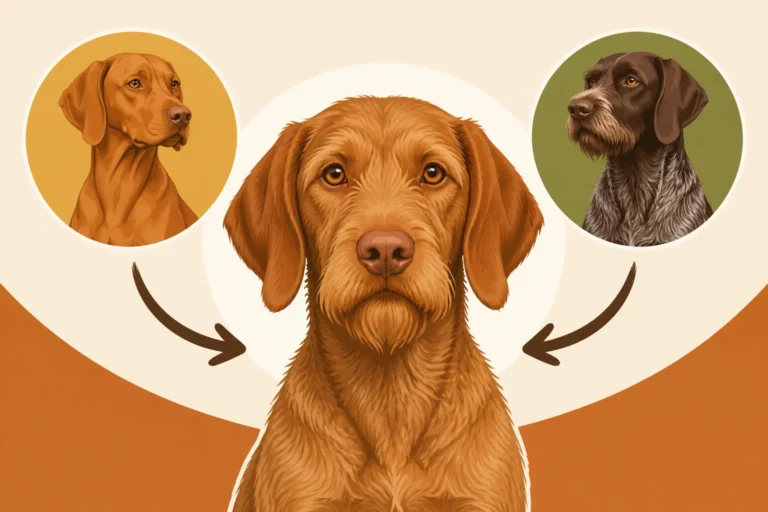
The Vizsla Against a German Shorthaired Pointer
Deciding between a Vizsla and a German Shorthaired Pointer can feel like an impossible choice, especially if you're an active individual or a devoted hunter looking for that perfect canine partner. Both breeds are stunning, intelligent, and incredibly athletic, but they come with distinct personalities and needs that can dramatically impact how they fit into your life. This guide will walk you through a detailed comparison, helping you understand the subtle—and not-so-subtle—differences so you can confidently choose the breed that truly aligns with your lifestyle and expectations.
Origins and History: A Tale of Two Hunters
When you look at a Vizsla or a German Shorthaired Pointer, you're seeing centuries of intentional breeding for specific purposes. Understanding their history isn't just a fun fact; it explains so much about their inherent drives, their temperaments, and even their physical makeup. These aren't just pretty faces; they are living legacies of the hunting traditions from their native lands.
The Noble Hungarian Vizsla's Journey
The Vizsla's history is steeped in the ancient traditions of Hungary, tracing its lineage back to the Magyar tribes who settled in the Carpathian Basin over a thousand years ago. These dogs were the companions of noblemen, revered for their exceptional hunting skills and distinctive golden-rust coats. They were developed to be versatile hunters, capable of pointing, retrieving, and tracking both feathered and furred game across varied terrains, working closely with their human partners.
Imagine a Hungarian nobleman riding through vast plains, his Vizsla silently quartering the field ahead, nose to the ground, then freezing into that iconic elegant point. These dogs were not just tools; they were family members, sharing their masters' homes and even beds due to their deep affection and desire for human contact. This close bond was crucial, as it fostered a dog highly attuned to its handler's wishes, but also incredibly sensitive and reliant on companionship. The breed faced near extinction not once, but twice, only to be lovingly rebuilt by dedicated enthusiasts who valued their unique qualities. The struggles and triumphs of their past have molded them into the intensely loyal, "Velcro" dogs we know today.
Germany's Robust All-Rounder: The German Shorthaired Pointer
In contrast to the Vizsla's ancient and somewhat romanticized origins, the German Shorthaired Pointer (GSP) is a more recent, deliberately engineered breed, developed in 19th-century Germany. German hunters sought to create the ultimate all-purpose gun dog—a dog that could point birds, retrieve from land and water, track wounded game, and even serve as a protective family companion. They selectively bred various established hunting breeds, including Spanish Pointers, English Pointers, and local German tracking hounds, to achieve this ideal.
The GSP was designed for maximum utility and durability in the demanding German hunting landscape. This meant a dog that was robust, intelligent, and resilient, capable of working long hours in diverse weather conditions. They needed a dog with an unwavering work ethic, capable of handling rough cover and cold water without complaint. The result is a breed known for its immense stamina, powerful drive, and bold, confident nature. While they also form strong bonds with their families, their history as a relentlessly utilitarian working dog means they often possess a greater degree of independence and a slightly less "delicate" disposition than their Hungarian counterparts. Their history is less about noble companionship and more about pure, unadulterated performance in the field.
Physicality and Appearance: More Than Just Coat Color
At first glance, both the Vizsla and the German Shorthaired Pointer share a similar silhouette: athletic, muscular, and built for speed and endurance. However, a closer look reveals distinct differences in their coats, coloring, and overall build that speak volumes about their individual heritage and needs. These aren't just aesthetic choices; they impact everything from their tolerance to weather to their grooming requirements.
The Vizsla's Elegant and Lean Build
The Vizsla is often described as the supermodel of the sporting dog world, and for good reason. They possess a truly elegant and aristocratic appearance, characterized by their lean, well-muscled physique and their signature golden-rust coat. This striking color is unique, ranging from a rich golden-red to a lighter sandy hue, and it's one of the most identifiable traits of the breed. It truly is The Golden Rust Color Only a Vizsla Wears. Their eyes often blend seamlessly with their coat color, giving them a soft, soulful expression.
What truly sets the Vizsla apart physically is its coat and skin. They have a single, short, dense coat that lies close to the body, almost like velvet. This means they lack an insulating undercoat, making them particularly sensitive to cold weather. The Single Coat a Vizsla Has and Why It Changes Everything for their daily comfort and outdoor activities. Their skin is also quite thin, which, while contributing to their sleek appearance, can make them more prone to superficial cuts and scrapes in dense cover. When it comes to size, Vizslas are typically medium-large, with males often weighing between 45-65 pounds, and females slightly less. Their overall impression is one of graceful power, built for agility and endurance rather than brute force. If you're wondering What a Vizsla Actually Weighs, you'll find they are generally lighter than many other sporting breeds.
The GSP's Muscular and Durable Frame
The German Shorthaired Pointer, while also undeniably athletic, presents a more rugged and robust picture compared to the Vizsla. They are built for strength and resilience, with a solid, muscular frame that can withstand the rigors of all-day hunting in varied conditions. Their coat is typically liver and white, either ticked, patched, or roan, though solid liver GSPs are also common and quite striking. Their eyes are usually a deep brown, conveying an alert and intelligent expression.
The GSP's coat is short, thick, and coarse, providing excellent protection against the elements. Unlike the Vizsla, they have a slightly denser coat that offers better insulation against cold and wet weather, a crucial feature for a dog expected to retrieve from icy waters. This coat is also quite water-repellent, helping them dry quickly after a swim or a run through damp fields. Their skin tends to be thicker and more durable, offering better protection against thorns and briars. In terms of size, GSPs are generally slightly larger and heavier than Vizslas, with males often falling into the 55-70 pound range, and females between 45-60 pounds, showcasing a powerful, well-balanced build perfectly suited for their demanding working roles. Their conformation screams "utility" and "endurance."
Temperament and Personality: Affectionate Companions vs. Energetic Workhorses
This is where the differences between these two magnificent breeds truly come to light, extending far beyond their physical attributes. While both are loyal and loving, their innate personalities dictate how they interact with their families, how they handle alone time, and what makes them truly happy. Understanding these nuances is crucial for any potential owner.
The Vizsla's Velcro Nature and Sensitivity
Ah, the "Velcro Vizsla." This isn't just a cute nickname; it's a fundamental aspect of their being. Vizslas are renowned for their intense desire to be physically close to their human companions at all times. They will follow you from room to room, sit on your feet while you work, and, given the chance, will happily snuggle under the covers with you at night. This isn't just a preference; it's a deep-seated need for companionship. Many Vizsla owners joke that they don't even need to be on a leash indoors because their dog is always within touching distance. They are truly the breed that will The Vizsla That Sits On You Rather Than Beside You.
This extreme attachment, while endearing, means they are particularly prone to separation anxiety. Being left alone for long periods can cause significant distress, leading to destructive behaviors, excessive barking, or even self-mutilation. They thrive on constant interaction and can become quite miserable if denied it. Furthermore, Vizslas are notoriously soft and sensitive dogs. They respond best to positive reinforcement and gentle guidance. Harsh corrections, loud voices, or scolding can easily cause them to shut down, become fearful, or lose trust. They are highly attuned to their owners' emotions and thrive in a calm, consistent, and loving environment. Think of them as emotional sponges, soaking up the atmosphere around them. This sensitivity also means they can be more prone to anxiety if not properly socialized or if their needs for attention and exercise aren't met.
The GSP's Boisterous Enthusiasm and Independence
German Shorthaired Pointers, while equally devoted to their families, generally exhibit a more boisterous, confident, and somewhat independent nature. They are certainly affectionate and love to be part of family activities, but they are less likely to be literally glued to your side than a Vizsla. They'll greet you with enthusiastic wiggles and happy barks, but might then go off to chew a favorite toy or patrol the yard, rather than immediately settling onto your lap. They possess a boundless enthusiasm for life and approach everything with vigor.
Their history as an all-around hunting dog has instilled in them a resilient and sometimes bolder temperament. They are often less sensitive to changes in routine or to firm (but fair) training methods. GSPs are known for their strong prey drive and an unwavering focus when working, which can sometimes translate into a stubborn streak if they're not adequately motivated or engaged. While they thrive on companionship, they are often more self-assured when left alone, provided they've had sufficient exercise and mental stimulation. They are less likely to develop severe separation anxiety if their foundational needs are met, though no GSP will be truly happy as a neglected outdoor kennel dog. They are often described as having a good sense of humor, playful to a fault, and always ready for the next adventure. This inherent robustness can make them a bit more forgiving for a first-time owner, though their exercise needs are not to be underestimated.
Exercise Requirements and Working Drive: Fueling the Field Dogs
Both Vizslas and German Shorthaired Pointers are high-energy sporting breeds, bred for endurance and a strong work ethic. If you're considering either of these dogs, you absolutely must be prepared for a significant commitment to daily exercise. These aren't breeds that are content with a couple of short leash walks around the block. They are athletes, and they need to be treated as such.
Vizsla: Marathon Runners and Mental Gymnasts
Vizslas possess an almost unbelievable amount of stamina. They are true marathon runners of the dog world, capable of going for miles and miles without tiring. Their energy isn't just physical; it's mental, too. An under-exercised Vizsla is a destructive, anxious, and unhappy Vizsla. They need more than just physical exertion; their intelligent minds also require a challenge. For a Vizsla, "exercise" means a combination of vigorous physical activity and engaging mental work.
Many Vizsla owners find that two hours of strenuous activity per day is a baseline requirement, and even then, some will still be ready for more. This could involve long, off-leash runs in open fields, intense games of fetch, swimming, or accompanying their owners on bike rides. Simply walking on a leash, even for an hour, often isn't enough to satisfy their deep-seated need to run and explore. Without adequate outlets, they can become restless, prone to pacing, whining, and destructive chewing. Beyond the physical, activities like scent work, obedience training, or agility classes are vital for their mental well-being. They thrive when given a job to do, even if it's just searching for hidden treats around the house or mastering new tricks. Remember, The Two Hours a Vizsla Needs Before It Will Settle is not an exaggeration for this breed; it’s a daily reality.
GSP: Powerhouses of the Sporting World
German Shorthaired Pointers are equally, if not more, demanding when it comes to exercise. They are powerhouses, bred for relentless activity in the field, and that drive doesn't simply disappear when they become family pets. GSPs need sustained, vigorous exercise every single day to be content and well-behaved companions. Their energy levels are often described as stratospheric, and they possess an incredible drive to hunt and work.
Like Vizslas, GSPs need activities that allow them to stretch their legs and engage their powerful bodies. Running, hiking, cycling alongside their owner, and extensive fetch sessions are all excellent ways to burn off their abundant energy. Many GSP owners report that their dogs are less likely to be mentally satisfied with purely physical exercise if it doesn't involve some form of "work" or problem-solving. Field training, whether for hunting or hunt tests, is often the ultimate outlet for a GSP's innate drives. Their strong prey drive and scenting abilities mean they excel at anything involving tracking or bird work. Without these outlets, a GSP can quickly become bored, leading to destructive habits, excessive barking, or attempts to "create" their own fun, which rarely aligns with human preferences. They are true working dogs at heart, and their physical and mental needs reflect that heritage.
Training and Intelligence: Smart but Sensitive vs. Eager and Driven
Both Vizslas and German Shorthaired Pointers are highly intelligent and capable of learning a vast array of commands and tasks. However, their distinct temperaments mean that the approach to their training needs to be tailored to their individual personalities. What works wonders for one might completely backfire with the other.
Training the Soft-Natured Vizsla
Vizslas are exceptionally intelligent dogs, eager to please their beloved humans, which makes them highly trainable when approached correctly. Their sensitivity, however, is a critical factor. They respond best to positive reinforcement methods – gentle praise, tasty treats (Chewy has a great selection of high-value training treats!), and rewarding good behavior. They are quick to understand what is expected of them, but equally quick to become disheartened or shut down if subjected to harsh corrections, yelling, or physical punishment. This is why The Soft Vizsla That Shuts Down When You Raise Your Voice is a common frustration for new Vizsla owners who might be used to more robust breeds.
Consistency is key with a Vizsla. They thrive on routine and clear expectations. If you're inconsistent, they'll become confused and anxious. Early socialization is also paramount to ensure they grow into confident, well-adjusted adults, as their sensitive nature can make them prone to shyness or fear if not exposed to a variety of sights, sounds, and experiences from a young age. While they learn quickly, their short attention spans as puppies mean training sessions should be kept brief, fun, and engaging. They love to work and will excel in activities like obedience, agility, and scent work, but always remember to keep it positive and build on their eagerness to be your partner.
Training the Confident GSP
German Shorthaired Pointers are also highly intelligent and possess a strong desire to work, often with a more independent and sometimes boisterous spirit than the Vizsla. They are generally eager to learn and excel in various dog sports and working roles. However, their confidence can sometimes translate into a bit of stubbornness, and they require a handler who is consistent, firm, and clear with their expectations. While they also respond well to positive reinforcement, they can often handle a slightly more direct approach than the ultra-sensitive Vizsla.
GSPs need early and extensive socialization, just like Vizslas, but their natural exuberance means they need to learn good manners around other dogs and people from a young age. Without proper guidance, their boundless energy can lead to them being overwhelming in social situations. Their strong prey drive also means recall training is absolutely vital and often requires more dedicated effort. They need to learn that coming back to you is the most rewarding thing, even when there's an interesting scent or a squirrel darting by. Training sessions should be engaging and varied to keep their sharp minds interested, as they can get bored with repetitive drills. Many GSP owners find success incorporating their natural hunting instincts into their training, making it feel less like work and more like play.
Health Considerations and Lifespan: Breed-Specific Challenges
No dog breed is entirely free from health concerns, and both Vizslas and German Shorthaired Pointers have certain predispositions that prospective owners should be aware of. Understanding these potential challenges can help you make informed decisions about breeder selection, preventative care, and budgeting for their lifetime.
Vizsla Health Tendencies
Vizslas are generally a healthy breed, often living 12-14 years. However, they are known for a few specific health concerns that prospective owners should be vigilant about. One of the most significant areas of concern for Vizslas is their immune system. They appear to be predisposed to several immune-mediated diseases, which can manifest in various ways. Why a Vizsla's Immune System Is the Breed's Weak Point is a topic often discussed among breed enthusiasts and veterinarians. Conditions such as sebaceous adenitis (a skin condition), inflammatory polymyopathy (a muscle disease), and certain allergies can affect them.
Cancer is another serious concern in the breed, with various types, including lymphoma and hemangiosarcoma, appearing in some lines. It's heartbreaking when The Cancers That Take a Vizsla Early, and responsible breeders work hard to screen their lines. Joint health is also important, given their active nature. While not as prevalent as in some larger breeds, hip and elbow dysplasia can occur. Eye conditions, like progressive retinal atrophy, are also sometimes seen. Responsible breeders will conduct health screenings for these conditions, and asking to see OFA (Orthopedic Foundation for Animals) certifications for hips, elbows, and thyroid, as well as eye clearances from CERF (Canine Eye Registration Foundation), is crucial. Regular vet check-ups, a high-quality diet (Chewy offers many premium dog food brands catering to sensitive stomachs or specific life stages), and consistent exercise are vital to maintaining a Vizsla's health.
GSP Health Tendencies
German Shorthaired Pointers also enjoy a generally robust health profile and a lifespan similar to Vizslas, typically ranging from 12-14 years. However, like all purebreds, they have their own set of hereditary health issues to watch for. Hip and elbow dysplasia are significant concerns in GSPs, given their active and powerful build. This is why screening parents for good joint health is paramount for responsible breeders. Understanding Hip Dysplasia in a Vizsla can give you an idea of the types of joint issues that can also affect GSPs.
Eye conditions such as progressive retinal atrophy (PRA) and entropion are also seen in the breed. Heart conditions, including certain forms of cardiomyopathy, can occur, making cardiac screenings important. Some GSPs can also be prone to von Willebrand's disease, a bleeding disorder. Bloat, or Gastric Dilatation-Volvulus (GDV), is a life-threatening condition that can affect deep-chested breeds like the GSP, and owners should be aware of its symptoms and preventative measures. Responsible GSP breeders will perform a range of health clearances, including OFA evaluations for hips and elbows, eye examinations, and sometimes cardiac screenings. Regular veterinary care, a balanced diet, and appropriate exercise are essential for keeping a GSP in peak condition throughout its life.
Living with Each Breed: Which One Fits Your Life?
Choosing between a Vizsla and a German Shorthaired Pointer isn't just about their looks or hunting prowess; it's about how their core nature integrates with your daily life, your family, and your home environment. Both breeds require significant commitment, but the type of commitment differs in important ways.
The Vizsla in Your Home
Bringing a Vizsla into your home means preparing for a constant companion, literally. Their "Velcro" nature dictates that they need to be with their people. They are not dogs that do well in a kennel or left alone for extended periods in the backyard. They crave physical contact and often prefer to be in the same room as you, if not right on top of you. This makes them ideal for individuals or families who are home a lot, or who can bring their dog to work. If you work long hours away from home, a Vizsla might not be the best fit unless you have dedicated dog walkers, doggy daycare (Chewy can help you find local services!), or a strong support system to provide companionship. Teaching a Vizsla to Be Alone is possible, but it takes careful, gradual training and understanding of their deep need for connection.
Their thin coat means they genuinely feel the cold, making them strictly indoor dogs who need a warm, comfortable place to sleep. Many Vizslas will burrow under blankets or sleep under the covers with their owners. This is not just a quirk; it’s a genuine need for warmth and security. Their sensitive nature also means they thrive in a calm, consistent household. Loud arguments, frequent changes in routine, or a chaotic environment can stress them out. They are typically excellent with children, often forming deep bonds, but their boundless energy means supervision is always necessary, especially with very young kids, as they can inadvertently knock a toddler over during a burst of play. Living with a Vizsla means embracing a loving shadow, always close, always seeking connection.
The GSP in Your Home
Living with a German Shorthaired Pointer means embracing a dog with boundless energy and a confident, outgoing personality. While they are affectionate, they generally don't demand the same level of constant physical contact as a Vizsla. They'll happily snuggle up on the couch, but they're also content to chew a bone at your feet or play independently in a fenced yard, as long as they know you're nearby. They are often more adaptable to slightly longer periods of alone time than a Vizsla, provided their exercise needs have been thoroughly met beforehand. However, like Vizslas, they are not suited to being outdoor-only dogs; they thrive as integral members of the family.
Their robust coat provides better protection against the elements than a Vizsla's, meaning they can tolerate cooler temperatures for outdoor activity. However, they still need to live indoors with their family. GSPs are known for their exuberance and can sometimes be a bit clumsy or bouncy, especially as puppies and young adults. This energy needs an outlet, and if they don't get it, they can become destructive. They are generally good with children and other pets if properly socialized, though their high prey drive means careful introductions with smaller animals like cats are always necessary. Their confidence and drive can make them a great match for active families who enjoy hiking, running, or hunting and are looking for a dog to be a full-fledged partner in those activities. If you want a dog that is equally at home retrieving game in the field and curling up for a nap at your feet after a long day, a GSP is a fantastic choice, provided you can meet their intense exercise demands.
Comparison Summary: Vizsla vs. German Shorthaired Pointer
To help put some of these differences in perspective, here's a quick comparison:
| Feature | Vizsla | German Shorthaired Pointer |
|---|---|---|
| Origin | Ancient Hungarian nobility, versatile hunter | 19th-century Germany, all-purpose gun dog |
| Appearance | Golden-rust, lean, elegant, single coat | Liver & white (or solid liver), muscular, dense coat |
| Temperament | "Velcro" dog, sensitive, affectionate, eager to please | Boisterous, confident, energetic, more independent |
| Exercise Needs | Extremely high, physical & mental, marathon runner | Extremely high, physical & mental, powerhouse |
| Training | Highly intelligent, sensitive, positive reinforcement crucial | Highly intelligent, driven, benefits from firm consistency |
| Cold Tolerance | Low, sensitive, needs warmth | Moderate, better insulation, but still needs indoor home |
| Separation | Prone to separation anxiety, craves companionship | Can tolerate more alone time if well-exercised |
| Potential Health | Immune-mediated diseases, cancer, joint issues | Hip/elbow dysplasia, eye/heart issues, bloat |
| Grooming | Minimal shedding, low maintenance | Minimal shedding, low maintenance |
Ultimately, both the Vizsla and the German Shorthaired Pointer are incredible dogs, born to run, hunt, and love their families fiercely. The "better" breed is entirely subjective and depends on your personal lifestyle, experience, and what you are truly seeking in a canine companion. If you crave an intense, sensitive, devoted shadow who will always be by your side and you can commit to extensive, engaging daily activity, the Vizsla might be your perfect match. If you're looking for a bold, endlessly energetic, and slightly more robust partner for all your outdoor adventures, who still wants to snuggle but perhaps with a bit more independence, the German Shorthaired Pointer could be the one for you. Whichever you choose, be prepared for an intelligent, athletic, and loving companion that will enrich your life beyond measure.
Disclaimer
This article is for general informational purposes only and does not constitute professional advice. Laws, prices and regulations vary by location and change over time. Consult a qualified professional for guidance on your specific situation.