How the Wirehaired Vizsla Was Made
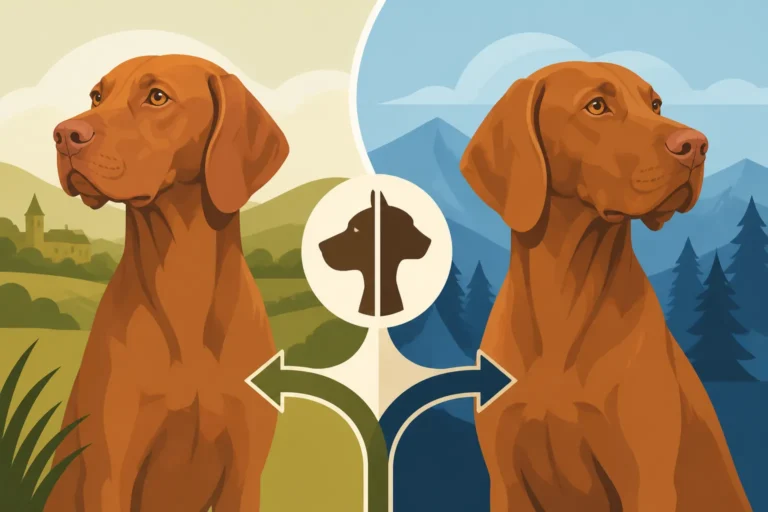
Many Vizsla owners, and even those just admiring these beautiful dogs from afar, often wonder about the Wirehaired Vizsla. They see the smooth-coated "golden rust" dog and then encounter its wirehaired cousin, distinct yet undeniably similar. The question inevitably arises: how did this unique variation come about? This guide dives deep into the fascinating history and deliberate breeding efforts that brought the Wirehaired Vizsla into existence, exploring the challenges faced by its smooth-coated relatives and the vision that shaped this robust hunter.
The Smooth Vizsla's Foundation and Limitations
The original Vizsla, the smooth-coated Hungarian Pointer we all know and adore, is truly a remarkable breed. For centuries, these dogs were the prized companions of Hungarian nobility, renowned for their exceptional scenting abilities, strong pointing instinct, and biddable nature. They are stunning to look at, with that unmistakable golden-rust coat that seems to glow in the sunlight. But for all their incredible qualities, their very nature presented certain limitations when faced with the harshest hunting conditions.
The Vizsla's Original Purpose and Coat Type
The smooth Vizsla was developed to be a close-working gun dog, primarily for upland game in the relatively milder climates and open fields of Hungary. Their sleek, short, dense coat, often described as "silky to the touch," is perfect for shedding burrs and drying quickly after a dip in a pond on a warm autumn day. This single coat provides a good degree of protection against brush and minor scrapes, allowing them to move through light cover with ease. It's truly a marvel of natural selection for its intended environment. It’s also one of the reasons why The Vizsla Came Back From Extinction Twice is such an important story; their specific characteristics were preserved through dedication.
However, this beautiful, fine coat, while practical for much of their traditional work, isn't designed for everything. Imagine your own Vizsla, snuggled up on the couch, feeling the chill of a winter breeze even indoors. Now picture that same dog pushing through thick, thorny brambles in freezing rain, or breaking ice to retrieve a duck from frigid waters. While their heart and drive are boundless, their physical protection is not. This inherent characteristic, the very feature that contributes to their elegant appearance and low-maintenance grooming needs, also presented a vulnerability that some hunters sought to overcome.
Challenges in Harsh Terrain and Cold Climates
For hunters operating in more extreme conditions—think dense, thorny thickets, icy marshes, or snow-covered fields in harsher northern European climates—the smooth Vizsla's single coat proved less than ideal. Their thin skin, easily susceptible to nicks and scratches from heavy cover, and their lack of an insulating undercoat, meant they could quickly become chilled, especially when wet. This wasn't a reflection of the smooth Vizsla's desire or ability to hunt; they have incredible stamina and an insatiable drive. It was simply a matter of physical resilience against the elements.
A hunting trip might see a beloved smooth Vizsla emerge from a thorny patch with multiple superficial cuts, or shivering uncontrollably after a retrieve from an icy pond. For dedicated hunters who valued the Vizsla's temperament and ability but needed a dog that could withstand more punishment from the environment, this was a genuine problem. It's a common concern for owners to consider The Cold a Vizsla Genuinely Cannot Handle when planning outdoor activities or even choosing appropriate bedding for their sensitive dogs. This specific vulnerability led to a desire for a Vizsla with the same heart and brains, but with a hardier exterior that could truly excel in any weather or terrain.
The Vision for a Hardier Hunter
The desire for a Vizsla with increased physical fortitude wasn't about dissatisfaction with the smooth coat's hunting prowess, but rather a recognition of environmental limitations. Breeders and hunters in Hungary, particularly in the 1930s, envisioned a dog that combined the smooth Vizsla's elegant hunting style, intelligence, and affectionate nature with a more robust, weather-resistant coat and greater bone structure. This wasn't merely a cosmetic undertaking; it was about enhancing the breed's functional capabilities for demanding working conditions.
Desired Traits Beyond the Smooth Coat
The primary goal was, of course, a wire coat that offered superior protection against cold, wet weather and dense, abrasive cover. This meant a coat that was harsh to the touch, dense, and ideally had a bit of an undercoat for insulation. They weren't just looking for longer hair, but for texture that could repel water and resist snagging. Beyond the coat, breeders also aimed for a slightly more substantial build. While the smooth Vizsla is undeniably athletic and agile, a little more bone could offer added resilience against impacts and strains experienced when crashing through heavy brush or negotiating difficult terrain. This enhanced physicality would allow the dog to comfortably perform tasks like retrieving from icy waters or pushing through frozen fields, enabling them to hunt late-season birds without undue risk to their health.
Crucially, however, these desired physical enhancements could not come at the expense of the Vizsla's beloved temperament and hunting style. The new variant still needed to retain the classic Vizsla traits: the close-working range, the natural pointing ability, the soft mouth for retrieving, and that deep, unwavering loyalty that makes them such incredible companions. It was a delicate balance – ruggedness without losing refinement, tenacity without sacrificing sensitivity. The breeders were looking for a truly "versatile" hunter, much like What Versatile Means for a Vizsla today.
Identifying the Right Breeds for Crossbreeding
To achieve this ambitious goal, breeders had to look outside the established Vizsla lines. They needed breeds that already possessed the desired coat characteristics and structural integrity, but also ones that shared enough common ground in terms of hunting instinct and temperament to be compatible. The key was to introduce new genes without diluting the essential "Vizsla-ness." This meant careful selection and a deep understanding of canine genetics, even if the tools available at the time were far less sophisticated than today's.
The search led them to other European hunting breeds, known for their hardy coats and strong working drives. The intention was not to simply create a mongrel, but to strategically infuse specific traits, then meticulously breed back to the Vizsla type over successive generations. It was a long-term project requiring patience, foresight, and a keen eye for individual dogs that exemplified the desired combination of characteristics. This wasn't a quick fix but a dedicated program of selective breeding to enhance and diversify the genetic pool, not unlike the historical journey of The Magyar Hunting Dogs Behind the Vizsla.
The Early Breeding Programs and Key Influences
The creation of the Wirehaired Vizsla was not a random occurrence but a deliberate and sustained effort by dedicated Hungarian breeders. The primary driver behind this initiative was Vasas Jozsef, who, starting in the 1930s, sought to create a Vizsla variant better suited to the challenging hunting conditions of Hungary's diverse landscapes, particularly those with dense undergrowth and colder, wetter climates.
Introducing the German Wirehaired Pointer and Other Breeds
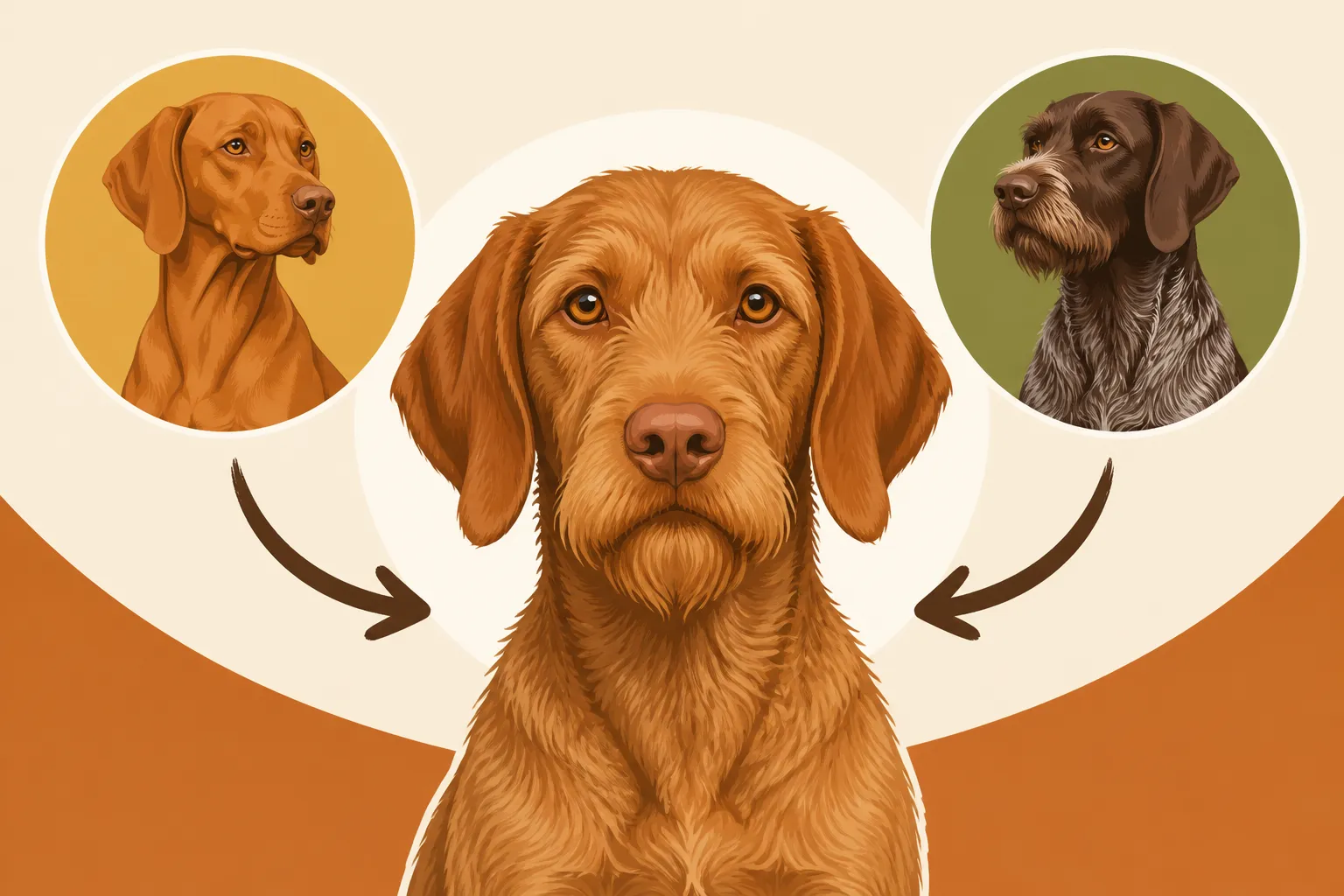
The main ingredient in the genetic cocktail that formed the Wirehaired Vizsla was widely believed to be the German Wirehaired Pointer. This breed was an obvious choice due to its already established rugged wire coat, excellent hunting instincts, and robust build. German Wirehaired Pointers are known for their resilience in the field, capable of enduring tough conditions that would leave a smooth-coated dog shivering or cut. By introducing this bloodline, breeders aimed to impart the much-needed protective wire coat and a slightly more substantial bone structure.
However, it wasn't just a simple cross with a German Wirehaired Pointer. Other breeds were likely brought into the mix in the early stages to contribute specific traits or to broaden the genetic base. The Pudelpointer, a German breed already a cross itself (Poodle and Pointer), was another strong candidate due to its dense, wiry coat, water-loving nature, and biddable temperament. The precise combination of initial crosses is debated and not perfectly documented from that era, but the intent was clear: to blend the Vizsla’s exceptional pointing ability and affectionate disposition with the hardiness of other established wire-coated hunting breeds. This was a true project of genetic engineering, decades before the term became commonplace.
The Role of the Irish Setter and Pudelpointer
While the German Wirehaired Pointer is often cited as the primary influence, the strategic inclusion of other breeds played a nuanced role. For instance, some theories suggest that the Irish Setter, despite its smooth coat, may have been used in some early lines to contribute to a deeper red color and perhaps enhance certain aspects of temperament or hunting drive. This might seem counterintuitive when trying to achieve a wire coat, but it highlights the complex and multi-generational approach taken by these early breeders. They were selecting for a multitude of traits, not just one.
The Pudelpointer, with its distinctive wiry coat and strong retrieving instinct, would have provided an excellent genetic foundation for both coat texture and overall working ability. Its heritage, which includes the Poodle, also contributed to a certain level of intelligence and trainability, traits highly valued in the Vizsla. Imagine the painstaking process: breeding a smooth Vizsla to a German Wirehaired Pointer or Pudelpointer, then carefully selecting the offspring that showed the desired wire coat and retained the Vizsla’s signature color and temperament. These selected individuals would then be bred back to smooth Vizslas, or other suitable first-generation crosses, to re-establish the core Vizsla type while integrating the new coat. This wasn't a one-off event, but a continuous cycle of careful observation and pairing. Breeders would need keen eyes to spot the right pups, ensuring they were getting the desired blend of traits and not losing the essential characteristics that made the Vizsla so special.
Developing the Distinct Wirehaired Standard
Once the initial crosses were made, the real work began: stabilizing the new "type" and ensuring that the desired characteristics were consistently passed down through generations. This wasn't just about getting a wire coat, but about creating a distinct breed that could stand on its own, with a predictable appearance, temperament, and working ability. It's a testament to the dedication of those early breeders that they managed to achieve such consistency.
Selective Breeding for Consistency
The process involved rigorous selective breeding, where only dogs exhibiting the ideal combination of wire coat, Vizsla color, and Vizsla temperament were chosen for future breeding. This meant culling puppies that didn't meet the emerging standard – those with coats that were too long and soft, those that lacked the characteristic golden-rust color, or those whose temperaments deviated too far from the biddable, sensitive nature of the smooth Vizsla. Breeders had to make tough decisions, always with the ultimate goal of creating a consistent, functional dog.
This wasn't a fast process; it took many generations to refine the traits. They were essentially reverse-engineering a new breed, starting with a broader genetic pool from the crosses and then narrowing it down to achieve uniformity. Every breeding decision was crucial, aimed at solidifying the wire coat while maintaining the core Vizsla characteristics that were so highly prized. They were looking for that perfect balance – a rugged exterior guarding the gentle, intelligent soul of a Vizsla. This level of dedication is why we can now differentiate between the two breeds, understanding that The Wirehaired Vizsla Is a Different Breed and not just a coat variation.
Distinguishing Features and Temperament
The result of this meticulous selective breeding was a dog that, while clearly a Vizsla in spirit and color, had distinct physical features. The most obvious, of course, is the harsh, wiry coat, which offers superior protection. But beyond the coat, Wirehaired Vizslas often have slightly heavier bone, a more robust frame, and a pronounced beard and eyebrows that give them a more rugged, intelligent expression. These features are all practical adaptations for the demanding work they were bred to do.
Despite these physical differences, the Wirehaired Vizsla largely retained the core temperament of its smooth-coated ancestor. They are still affectionate, loyal, highly intelligent, and possess that strong "velcro" tendency that makes Vizslas such devoted companions. They are eager to please and highly trainable, though their slightly more independent nature and increased endurance might require a slightly firmer, more consistent hand in training compared to some smooth Vizslas. But make no mistake, the heart of the Vizsla beats strongly within them, making them wonderful family dogs as well as tireless hunters. You'll find many suitable products for these active dogs on platforms like Chewy, whether you need heavy-duty training leads or specialized grooming tools for their unique coat.
The Wirehaired Vizsla Today: A Separate but Related Breed
Today, the Wirehaired Vizsla stands as a testament to dedicated breeding and a clear vision. It’s no longer an experimental cross but a recognized, distinct breed with its own passionate following, celebrated for its unique blend of traditional Vizsla traits and enhanced hardiness.
AKC and FCI Recognition
The Wirehaired Vizsla achieved official recognition relatively later than its smooth-coated cousin. The Fédération Cynologique Internationale (FCI), the international canine organization, recognized the Wirehaired Vizsla as a separate breed in 1963. In the United States, the American Kennel Club (AKC) followed suit much later, admitting the Wirehaired Vizsla to its Sporting Group in 2014. This formal recognition marked a significant milestone, confirming its status as a distinct and established breed rather than merely a variant of the smooth Vizsla. This journey to recognition often involves careful adherence to a breed standard, detailing everything from coat texture and color to size and temperament. Knowing What a Wirehaired Vizsla Looks Like according to these standards helps to understand its unique lineage.
This separate recognition means that Wirehaired Vizslas are bred to their own standard and compete independently in conformation shows and performance events. While they share a common ancestor, their distinct physical characteristics and subtle temperament nuances warrant their own classification. Owners often celebrate this separation, as it highlights the deliberate development that went into creating a dog perfectly suited for specific demands, proving that Whether a Wirehaired Vizsla Is the Same Breed is indeed a complex question with a definitive "no" answer in terms of official status.
The Wirehaired Vizsla in the Field and Home
In the field, the Wirehaired Vizsla excels. Its protective coat allows it to confidently plunge into icy water, push through heavy brambles, and withstand biting winds, making it an ideal companion for diverse hunting conditions. They retain the exceptional scenting ability and natural pointing instinct of their smooth relatives, but with an added layer of resilience. Many hunters find them to be utterly tireless, capable of working all day in conditions that would challenge other breeds. Their robust nature also means they can take the knocks and scrapes that come with navigating challenging terrain, often needing fewer repairs after a day's hunt.
| Feature | Smooth Vizsla | Wirehaired Vizsla |
|---|---|---|
| Coat Type | Short, smooth, dense, silky to the touch | Harsh, wiry, dense, protective with undercoat |
| Cold Tolerance | Sensitive to cold, needs protection in winter | More tolerant of cold and wet, hardier |
| Brush Protection | Good for light cover, susceptible to thorns | Excellent for dense, thorny brush |
| Build | Elegant, athletic, fine to medium bone | Slightly more robust, heavier bone |
| Grooming | Minimal brushing, occasional bath | Regular brushing, stripping might be needed |
| Face | Clean-cut, no beard or prominent eyebrows | Distinctive beard, mustache, and eyebrows |
| Temperament | Affectionate, sensitive, biddable | Affectionate, biddable, often a bit more independent |
| Water Work | Enthusiastic, but can get chilled in cold water | Excellent in cold water, well-insulated |
In the home, the Wirehaired Vizsla is just as affectionate and devoted as its smooth-coated counterpart. They thrive on human companionship and are definitely "velcro dogs," eager to be part of every family activity. However, their robust energy levels and drive mean they require substantial daily exercise and mental stimulation. They are not content with a simple walk around the block; they need to run, explore, and engage their keen minds. This combination of intense loyalty and demanding energy means they fit best into active households that can provide both the physical outlets they need and the close human bond they crave. Like all Vizslas, they appreciate a good, comfortable bed and plenty of toys from places like Chewy to keep them occupied when they're not out adventuring. For those considering this breed, it's wise to consider Whether a Vizsla Can Be Hunted and Kept as a Pet, as their dual purpose informs their needs.
Disclaimer
This article is for general informational purposes only and does not constitute professional advice. Laws, prices and regulations vary by location and change over time. Consult a qualified professional for guidance on your specific situation.