The Age a Vizsla Develops Polymyopathy
It's incredibly heartbreaking to see your active, vibrant Vizsla start to show signs of slowing down, especially when those signs are subtle and perplexing. You might notice little things, like them struggling to pick up a toy or seeming a bit off when they drink water, and your mind immediately jumps to a host of worst-case scenarios. This guide aims to pull back the curtain on Vizsla Inflammatory Polymyopathy (VIP), specifically focusing on the typical age of onset, so you can be better equipped to recognize, understand, and address this challenging condition.
Understanding Vizsla Inflammatory Polymyopathy
Vizsla owners know their dogs are special – incredibly athletic, fiercely loyal, and often, quite sensitive. Unfortunately, this breed also carries a predisposition to certain health challenges, and one of the most perplexing and difficult to manage can be Vizsla Inflammatory Polymyopathy. It’s a condition that targets the very muscles that make our Vizslas so distinctive.
What Exactly is Polymyopathy?
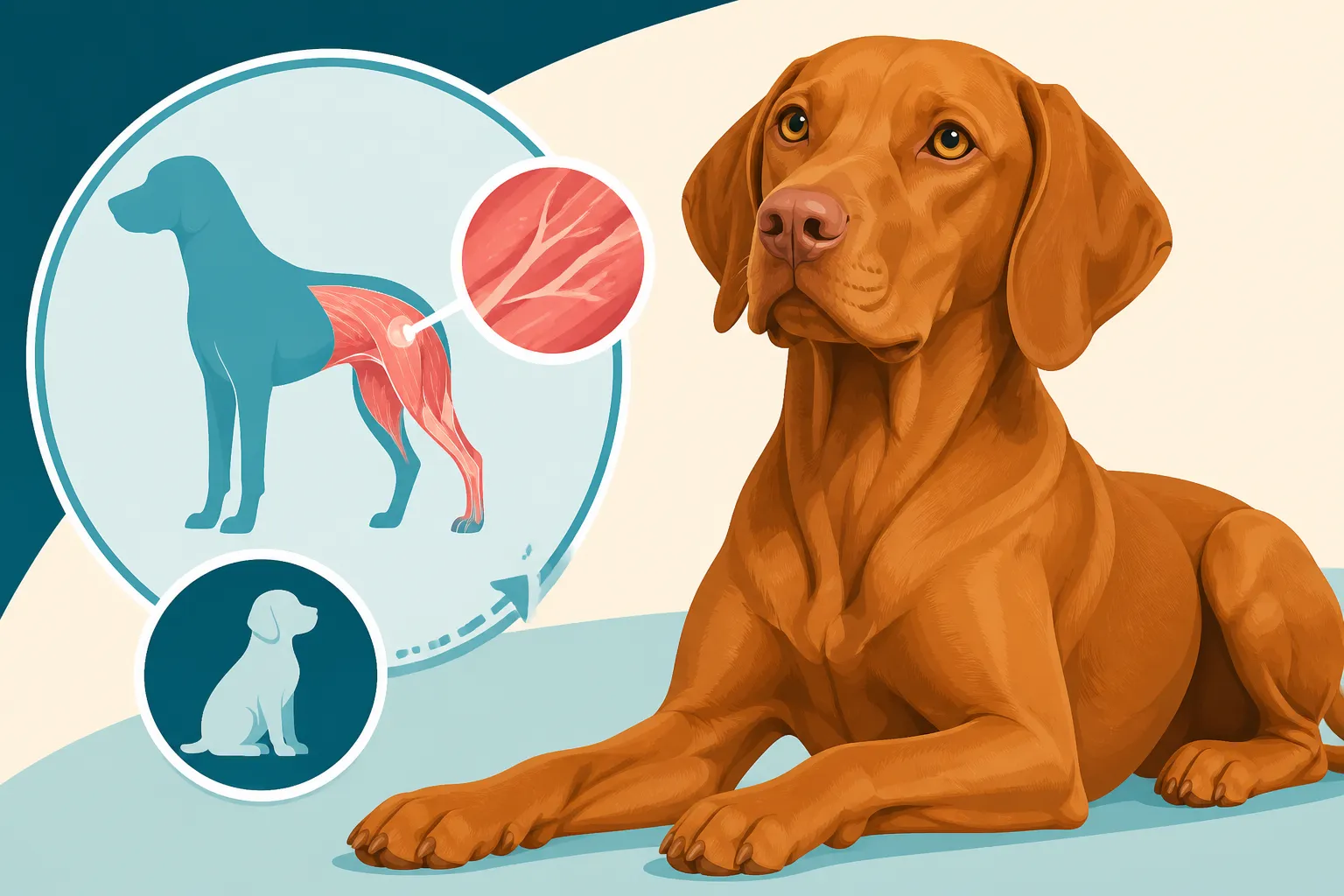
Polymyopathy, in its simplest terms, means “disease of many muscles.” For Vizslas, this isn’t just any muscle disease; it’s a specific inflammatory condition where the body’s own immune system mistakenly attacks its muscle fibers. Imagine your dog’s immune system, designed to protect them from foreign invaders, suddenly deciding that healthy muscle tissue is a threat. It’s a cruel twist of biology, leading to inflammation, pain, and progressive muscle degeneration. This isn’t like a sprain or a strain from a hard day in the field; this is a systemic attack.
The muscles primarily affected in Vizsla Inflammatory Polymyopathy are often those of the head, neck, and esophagus, which has profound implications for a dog's ability to live comfortably and even eat. Over time, as the inflammation persists and muscle tissue is destroyed, dogs can experience muscle wasting, weakness, and significant difficulty with everyday actions like chewing, swallowing, and even holding their head up. It can be incredibly frustrating for owners to witness, especially in a breed known for its boundless energy and strength. To truly grasp the gravity of this condition, it helps to understand more about its effects, which are explored in depth in our guide on what to expect if your dog develops What Vizsla Inflammatory Polymyopathy Does.
Why Vizslas Are Prone to This Condition
The question of “why” is always at the forefront of every owner’s mind when faced with a breed-specific illness. For Vizsla Inflammatory Polymyopathy, the answer lies, unfortunately, in genetics and the breed’s immune system. Vizslas, as a breed, are known to have a somewhat unique and, at times, overly zealous immune system, making them susceptible to a range of autoimmune disorders. It’s a double-edged sword: their incredible vitality often comes hand-in-hand with this genetic predisposition.
Researchers believe there's a strong hereditary component to VIP, meaning it's passed down through specific lines. This isn't to say every Vizsla will get it, but the genetic blueprint makes them more vulnerable than many other breeds. It’s thought to be tied to a complex interplay of genetic markers that influence how their immune system functions. This heightened sensitivity means their immune system can sometimes become dysregulated, leading to conditions like polymyopathy, sebaceous adenitis, or even thyroid issues. Understanding this underlying immune system vulnerability is key to comprehending why such a beautiful and robust breed can face these challenges, a topic we delve deeper into in Why a Vizsla's Immune System Is the Breed's Weak Point. It’s a constant reminder of the importance of responsible breeding practices and health screening.
Typical Age of Onset for Vizsla Polymyopathy
When dealing with any potential health issue, knowing the typical age of onset can be a vital piece of the puzzle for concerned owners. For Vizsla Inflammatory Polymyopathy, while there isn’t a single, fixed age, there are common patterns that emerge from veterinary observations and research.
The “Sweet Spot” for Diagnosis
Most often, Vizsla Inflammatory Polymyopathy tends to manifest in young to middle-aged adult Vizslas. We’re generally talking about dogs between **3 and 7 years old** when the initial symptoms become noticeable enough to warrant veterinary attention. This can be particularly heart-wrenching because this is often when Vizslas are in the prime of their lives – actively hunting, running, and enjoying their boundless energy. An owner might be planning their next field trial or adventure, only to start noticing subtle changes that begin to steal their dog’s vitality.
It’s a timeframe where many owners might attribute slight stiffness or reduced energy to "just getting older" or a minor injury, especially given the active lifestyle of the breed. However, when these symptoms persist or worsen, and particularly when they start to involve the head and neck muscles, it's a strong indicator that something more serious like polymyopathy could be at play. This age range aligns with many autoimmune conditions, where the immune system takes time to fully develop its patterns of self-attack.
Variations in Onset Age
While the 3-7 year window is common, it’s crucial to understand that polymyopathy isn’t a strict rule-follower. There can be variations. Some Vizslas might show very early signs, perhaps as young as **1 to 2 years old**, though this is less frequent. In these younger cases, the disease might present more acutely or aggressively, catching owners completely off guard as their vibrant puppy-like dog suddenly struggles.
Conversely, some Vizslas might not develop noticeable symptoms until they are 8 years old or even older. These later-onset cases can sometimes be harder to diagnose initially, as the symptoms might be mistaken for general aging, arthritis, or other senior dog ailments. The gradual progression in older dogs can obscure the true nature of the condition. Anecdotal evidence among Vizsla owners suggests that while the disease is most common in the middle years, you can see it on either side of that average. The key is recognizing the specific symptoms, regardless of age, which leads us to what those crucial signs look like, a topic also touched upon in The First Signs of Polymyopathy in a Vizsla.
Recognizing the Early Signs of Polymyopathy in Your Vizsla
One of the biggest challenges with Vizsla Inflammatory Polymyopathy is that its early signs can be subtle and easily overlooked or mistaken for other issues. As dedicated owners, being vigilant for these nuanced changes can make all the difference in early diagnosis and management.
Subtle Behavioral and Physical Changes
The initial indications of polymyopathy often involve difficulty with functions most dogs take for granted. Since the muscles of the head, neck, and esophagus are frequently targeted, one of the earliest and most telling signs is **swallowing difficulty** (dysphagia). Your Vizsla might start dropping food, excessively salivating or drooling after eating, or gagging during meals. They might take longer to eat, or show a reluctance to eat kibble, preferring softer foods instead. Imagine your dog trying to chew and swallow, but the muscles simply aren’t coordinating effectively – it’s a struggle you might notice immediately. For a deeper dive into these feeding struggles, check out our article on Spotting Swallowing Trouble in a Vizsla.
Beyond eating, you might notice changes in their overall head carriage. Some dogs develop a head tilt or have trouble holding their head up for extended periods, perhaps resting it more often. There might be visible muscle wasting around the temples (temporal muscles) or jawline (masseter muscles), giving their head a sunken, almost skeletal appearance. General weakness, exercise intolerance, or a reluctance to play as vigorously as usual could also be early indicators, though these are less specific. Another sign can be a change in their bark or voice, as the laryngeal muscles can sometimes be affected.
Distinguishing Polymyopathy from Other Conditions
Because the symptoms can be vague initially, it’s easy for polymyopathy to be confused with other conditions. For example, a sudden reluctance to eat or drooling could also indicate dental disease or a foreign object lodged in the mouth or throat. Stiffness or general weakness might be dismissed as arthritis or a minor soft tissue injury, especially if your Vizsla is active. Even changes in behavior or energy levels could be attributed to anything from stress to nutritional deficiencies.
This is why a thorough veterinary examination is paramount. Your vet will need to rule out other potential causes, such as:
- Masticatory Myositis: Another immune-mediated muscle disease, but it specifically targets the muscles of mastication (chewing) and often presents with acute jaw pain and an inability to open the mouth. While it shares some similarities, VIP affects a broader range of muscles.
- Hypothyroidism: Thyroid issues can cause lethargy, weakness, and sometimes muscle weakness, though typically without the specific swallowing difficulties seen in VIP. For more on this, see our article on Thyroid Failure in a Vizsla.
- Myasthenia Gravis: A neuromuscular disease causing muscle weakness that worsens with exercise, often leading to megaesophagus and regurgitation.
- Brain or Spinal Cord Issues: Neurological conditions can also cause weakness or coordination problems.
The key differentiator for polymyopathy often comes down to the characteristic progressive muscle atrophy, particularly in the head and neck, combined with swallowing difficulties. Providing your vet with a detailed history of all symptoms, no matter how minor, is crucial for guiding their diagnostic process.
The Diagnostic Journey: What to Expect
Receiving a diagnosis of Vizsla Inflammatory Polymyopathy is a multi-step process. It requires careful observation from you and a systematic approach from your veterinarian, often involving several diagnostic tests to confirm the condition and rule out others. It’s a journey that can sometimes feel long and frustrating, but each step brings you closer to understanding and managing your Vizsla’s health.
Initial Veterinary Examination and Blood Work
When you first bring your Vizsla in with suspected symptoms, your vet will perform a thorough physical examination, paying close attention to muscle mass, gait, and neurological function. They’ll specifically palpate the head and neck muscles, looking for atrophy or tenderness. They’ll also carefully observe how your dog eats and drinks, looking for signs of dysphagia.
Blood work is usually the first line of defense in the diagnostic process. Specific tests often include:
- Complete Blood Count (CBC): To check for signs of inflammation or infection, though this can be non-specific.
- Chemistry Panel: To assess organ function and look for elevated muscle enzymes, particularly Creatine Kinase (CK). Elevated CK levels are a strong indicator of muscle damage, which is characteristic of polymyopathy.
- Thyroid Panel: To rule out hypothyroidism, which can mimic some symptoms. This is a common and important step, as Whether a Vizsla's Thyroid Should Be Tested Yearly can reveal other potential issues.
- Autoimmune Antibody Tests: Some vets might run specific autoantibody tests if available, though these aren't always definitive for polymyopathy itself.
While elevated muscle enzymes are highly suggestive, they aren't unique to polymyopathy, as other forms of muscle injury or disease can also cause them. Therefore, further, more definitive tests are typically needed to confirm the diagnosis.
Advanced Diagnostics: EMG and Biopsy
To get a definitive diagnosis of Vizsla Inflammatory Polymyopathy, your vet will likely recommend more specialized tests, often requiring a referral to a veterinary neurologist or internal medicine specialist. These advanced diagnostics include:
- Electromyography (EMG): This procedure involves inserting tiny needles into various muscles to measure their electrical activity. In dogs with polymyopathy, the EMG will often show characteristic abnormal electrical activity, indicating ongoing muscle inflammation and denervation (nerve damage to the muscle). It helps pinpoint affected muscles and assess the extent of the damage.
- Muscle Biopsy: This is often considered the gold standard for diagnosing polymyopathy. A small sample of muscle tissue is surgically removed, usually under general anesthesia, from an affected muscle. This sample is then sent to a specialized veterinary pathologist who examines it under a microscope. The pathologist looks for specific inflammatory cell infiltrates (immune cells attacking muscle fibers) and degenerative changes characteristic of immune-mediated polymyopathy. A biopsy can differentiate polymyopathy from other muscle diseases, like muscular dystrophy, and confirm the inflammatory nature of the condition.
These tests, while more invasive and costly, provide the conclusive evidence needed for a precise diagnosis. They allow for the most effective and targeted treatment plan to be developed, giving your Vizsla the best chance at managing the disease. It’s a significant step, but one that provides clarity in a confusing time.
Managing Polymyopathy and Its Long-Term Implications
Once a diagnosis of Vizsla Inflammatory Polymyopathy is confirmed, the focus shifts to management. This is rarely a one-time fix but rather an ongoing commitment to mitigating symptoms, improving quality of life, and slowing disease progression. Owners often find themselves adjusting their lives to accommodate the specific needs of their beloved Vizsla.
Treatment Protocols and Ongoing Care
The primary goal of treatment for polymyopathy is to suppress the overactive immune system that is attacking the muscles and to reduce inflammation. This typically involves medication:
- Corticosteroids: Drugs like prednisone or prednisolone are often the first line of defense. They are powerful anti-inflammatory and immunosuppressive agents. Your Vizsla will likely start on a high dose, which is then gradually tapered to the lowest effective dose to control symptoms while minimizing side effects. While steroids can be highly effective at bringing the disease under control, they do come with potential side effects such as increased thirst, urination, appetite, and long-term concerns like weight gain and muscle weakness (paradoxically). Our guide on Whether Steroids Control a Vizsla's Polymyopathy offers more detailed insights into this treatment.
- Other Immunosuppressants: If steroids alone aren't sufficient, or if your Vizsla experiences significant side effects from steroids, your vet might add other immunosuppressive drugs, such as azathioprine or cyclosporine. These medications work in different ways to modulate the immune response and can allow for lower doses of steroids to be used.
- Supportive Care: This is just as critical as the medication. If your Vizsla has difficulty swallowing, dietary modifications are essential. Soft, palatable foods, often mixed with water to create a slurry, can make eating easier. Some dogs may even benefit from eating from an elevated bowl or a special feeding chair to help gravity assist with swallowing. We discuss this in more detail in Whether a Vizsla Needs a Feeding Chair. Hydration is also key; ensuring they can drink enough water without struggling is vital. In severe cases, a feeding tube might be temporarily or permanently necessary.
Regular veterinary check-ups are crucial to monitor your Vizsla's response to medication, adjust dosages as needed, and watch for any recurrence of symptoms or side effects. This often means consistent blood work to ensure liver and kidney function remain healthy while on these potent medications.
Living with a Vizsla with Polymyopathy
A diagnosis of polymyopathy means a significant lifestyle adjustment for both you and your Vizsla. Their days of intense field work or long, strenuous runs might be behind them, at least in their previous capacity. You’ll need to adapt their exercise routine to prevent overexertion, which can exacerbate muscle damage. Shorter, gentler walks, and mental stimulation through scent games or puzzle toys will become more important than intense physical activity.
Nutritional considerations are paramount. Beyond the texture of food, ensuring your Vizsla receives adequate calories and nutrients to maintain muscle mass, even as they fight the disease, is vital. High-quality protein and potentially specific supplements recommended by your vet can play a role. Keeping a close eye on their weight and muscle condition is an ongoing task.
Perhaps one of the most challenging aspects for owners is the emotional and financial toll. Managing a chronic immune-mediated disease like polymyopathy can be costly, encompassing medications, frequent vet visits, specialized diagnostics, and potentially dietary changes or assistive devices. This is where having pet insurance, especially a comprehensive plan from providers like Healthy Paws, can be an absolute lifesaver. Policies that cover chronic conditions and specialty care can significantly alleviate the financial burden, allowing you to focus on providing the best possible care for your Vizsla without constantly worrying about the bills. When considering a Vizsla, particularly given the breed's predispositions, exploring Insuring a Vizsla Against Immune Disease early on is a very sensible step. It means you can say "yes" to necessary treatments without hesitation.
Prognosis and Quality of Life Considerations
Understanding the age a Vizsla typically develops polymyopathy is important, but equally critical is comprehending what the future might hold once the diagnosis is made. Every dog is an individual, and their journey with polymyopathy will be unique, but there are general expectations regarding prognosis and quality of life.
What the Future Holds for Affected Vizslas
The prognosis for Vizslas with polymyopathy can vary widely, largely depending on the severity of the disease at diagnosis, how quickly treatment is initiated, and the individual dog’s response to therapy. With early and consistent management, many Vizslas can achieve a good quality of life and even periods of remission. Remission means the symptoms are well-controlled, and the dog appears largely normal. However, it’s important to understand that polymyopathy is often a lifelong condition, meaning true “cure” is rare.
Relapses are possible, especially if medication is tapered too quickly or if the dog experiences stress or other immune triggers. Owners need to remain vigilant for returning symptoms throughout their Vizsla's life. The progression of muscle wasting, particularly in the head and neck, can lead to permanent changes, even with treatment. Dogs might always require softer food or struggle with certain movements. The goal is to keep the disease in remission for as long as possible, managing flare-ups as they occur. For a detailed discussion on recovery, you might find our article on Whether a Vizsla Recovers From VIP very helpful.
The Importance of Early Intervention and Dedicated Care
Without a doubt, early intervention plays a pivotal role in shaping the long-term outlook for a Vizsla with polymyopathy. The sooner the condition is identified and appropriate treatment begins, the better the chances of controlling the inflammation and preventing irreversible muscle damage. Delaying diagnosis can lead to more severe muscle atrophy, making rehabilitation and management much more challenging.
Dedicated, ongoing care is also paramount. This isn't a condition where you can give medication for a few weeks and consider it resolved. It requires a committed owner who can consistently administer medications, monitor for symptoms and side effects, adjust diet as needed, and maintain regular veterinary visits. This long-term commitment directly impacts the Vizsla's quality of life. With proper care, many Vizslas with polymyopathy can live comfortable and happy lives, albeit with certain limitations. Pet insurance, such as a plan from Healthy Paws, can certainly help shoulder the financial burden of this dedicated, lifelong care, ensuring that cost doesn't become a barrier to optimal treatment. This level of support can truly make a difference in how well your Vizsla navigates this challenging condition throughout their life, allowing them to still enjoy many of their favorite activities, just perhaps at a modified pace. When considering the overall health journey of the breed, it’s worth noting that What Vizslas Are Most Often Treated For often includes immune-mediated issues like polymyopathy, highlighting the commonality of needing comprehensive care. While we often hope for The Twelve to Fourteen Years a Vizsla Lives, proactive management of conditions like VIP is key to maximizing that potential.
Disclaimer
Please remember that this article is intended for informational purposes only and should not be considered a substitute for professional veterinary advice. If you suspect your Vizsla is exhibiting signs of polymyopathy or any other health concern, consult with a qualified veterinarian immediately for accurate diagnosis and treatment.