Why a Vizsla Needs Somewhere Warm to Sleep
One of the most common frustrations Vizsla owners face, especially those new to the breed, is just how sensitive these lean, muscled dogs are to the cold. Unlike many other sporting breeds, a Vizsla simply isn't equipped to handle chilly temperatures, whether outdoors or even inside a slightly drafty home. This guide dives deep into why your Vizsla needs a genuinely warm spot to sleep and thrive, exploring their unique physical makeup, the impact of cold on their health and behavior, and practical ways to ensure they stay cozy and content.
The Vizsla's Unique Coat and Its Limitations
If you've ever run your hand over your Vizsla's beautiful, sleek coat, you've probably noticed just how fine and short it is. It feels wonderful, almost like velvet, but that silky texture comes with a significant trade-off when it comes to keeping warm. This isn't a coat built for harsh winters or even cool autumn nights.
Understanding the Single Coat
Vizslas are what we call single-coated dogs. This means they lack the thick, fluffy undercoat that insulates breeds like Labradors, German Shorthaired Pointers, or even many terrier types. That dense, woolly layer found close to the skin on double-coated dogs acts like a built-in down jacket, trapping air and providing a barrier against both cold and heat. Your Vizsla doesn't have that natural protection.
Think of it like this: you wouldn't head out into a brisk wind wearing only a thin t-shirt, even if it was made of the finest silk. That's essentially what your Vizsla is wearing all the time. When the mercury drops, there's very little between their skin and the cold air. This makes them highly susceptible to heat loss, even in environments that might feel perfectly comfortable to you or a more heavily coated dog. It’s why you might feel their skin is surprisingly cool after they’ve been out on a crisp autumn walk, despite their energetic romping. They simply don't hold heat like other dogs. The Single Coat a Vizsla Has and Why It Changes Everything delves deeper into this fascinating aspect of their breed.
Why Their Coat Doesn't Offer Winter Protection
Their short, fine hair, while gorgeous and easy to maintain, is simply not designed for cold climates. It offers minimal thermal insulation, meaning that body heat escapes rapidly into the surrounding air. This is fantastic for a dog that needs to dissipate heat quickly during intense exercise in warmer conditions, but it's a huge disadvantage when temperatures drop.
Consider the evolutionary purpose of a coat. Many breeds developed their fur over centuries to survive in specific environments. Northern breeds have incredibly thick coats to withstand arctic temperatures, while breeds like the Vizsla, originating from the plains and forests of Hungary, were developed for speed and agility in often milder conditions. Their primary job was to scent, point, and retrieve game, not to lie out in a snowdrift. Their thin skin and coat, therefore, provide very little barrier against frost, cold winds, or even just a perpetually chilly room. If you've ever wondered Whether a Vizsla Has an Undercoat, the answer is largely no, which directly contributes to their poor cold tolerance.
How Cold Affects a Vizsla's Well-being
Being consistently cold isn't just about shivering; it has a profound impact on a Vizsla's physical health and mental state. It's not a minor inconvenience for them; it's a stressor that can compromise their overall well-being.
The Physical Toll of Being Chilly
When your Vizsla is cold, their body has to work harder to maintain its core temperature. This leads to involuntary muscle contractions – shivering – which burns energy rapidly. Imagine trying to sleep while your muscles are constantly tensed; it's exhausting. This constant expenditure of energy can weaken their immune system, making them more vulnerable to common illnesses. A dog that is chronically cold is less resilient and may pick up colds or other infections more easily.
Furthermore, prolonged exposure to cold can exacerbate joint issues. For an older Vizsla, or one prone to conditions like hip or elbow dysplasia, being cold can lead to increased stiffness and pain. The lack of insulating fat and fur means their joints are more exposed to the chill, potentially causing discomfort that makes them reluctant to move or enjoy their usual activities. This is particularly important for active breeds like Vizslas, as joint health is paramount. The Cold a Vizsla Genuinely Cannot Handle isn't just a saying; it's a real physiological limitation.
The Mental and Behavioral Impact
A Vizsla that is uncomfortably cold often struggles to settle down and truly rest. They might pace, whine, or constantly try to burrow into anything soft they can find, whether it's your lap, a pile of clean laundry, or under a blanket. This restlessness can lead to anxiety, especially if they are unable to find adequate warmth. Their inability to get comfortable can translate into behavioral issues, making them seem more agitated or needy than usual.
Lack of proper rest also impacts their overall temperament. Just like humans, a dog deprived of restful sleep can be grumpier, less patient, and less engaged. You might notice your perpetually chilly Vizsla isn't as enthusiastic about playtime or training, or perhaps they're just generally a bit more "off" than their usual bright and bubbly selves. It's not always just boredom; sometimes, they're simply too uncomfortable to participate fully. Understanding Whether a Vizsla Feels the Cold is key to addressing these behavioral cues.
Recognizing the Signs of a Cold Vizsla
Your Vizsla can't tell you in words that they're cold, but they certainly communicate it through their body language and behavior. Learning to read these signals is essential for their comfort and health.
Obvious Physical Cues
The most common and undeniable sign of a cold Vizsla is shivering. This can range from subtle tremors to full-body shakes, even when indoors. You might also notice them hunching their back, tucking their tail tightly, and pulling their limbs close to their body, all in an effort to minimize heat loss. Their ears, paws, and nose might feel noticeably cooler to the touch than usual, indicating that their body is prioritizing warmth for vital organs.
Another clear sign is their relentless pursuit of warmth. They might try to crawl under blankets, burrow deep into cushions, or wedge themselves between you and a sofa. This isn't just affection; it's a desperate attempt to find a warm, insulated spot. They might become insistent about sharing your bed, or even try to push their way under your clothes if you're sitting on the couch. This instinct to seek warmth is powerful and often overrides their usual manners. The Temperature a Vizsla Starts Shivering At can be surprisingly mild for these dogs, often well above what you'd consider "cold."
Subtle Behavioral Changes
Beyond the obvious shivering, a cold Vizsla might display more subtle behavioral shifts. They could become lethargic or unusually subdued, simply not having the energy or motivation to move around much. They might refuse to go outside for their usual walk or cut it short, preferring to be back in the warmth. A general disinterest in toys or games they normally adore can also be a red flag.
The "Velcro Vizsla" phenomenon, where they stick to your side, can intensify when they're cold. They might become exceptionally clingy, following you from room to room, leaning on you constantly, or trying to make physical contact at all times. This is often their way of seeking body heat from you. Conversely, some might become withdrawn or even a bit irritable if they're too uncomfortable, unable to find a cozy spot. Understanding Why They Call It a Velcro Vizsla often comes down to their need for connection and warmth, among other things.
Creating the Ideal Warm Sleeping Environment
Providing a truly warm and comfortable sleeping spot for your Vizsla is not a luxury; it's a necessity for their health and happiness. Investing in the right bedding and strategically placing it can make all the difference.
Choosing the Right Bedding
When it comes to beds for Vizslas, think insulation and plushness. Elevated beds, while great for air circulation in warm weather, often aren't enough on their own in colder environments unless they're topped with a very thick, insulating pad. Orthopedic beds, especially those with memory foam, can provide excellent insulation from cold floors and offer crucial joint support, which is a double win for these athletic dogs. Look for beds with high-density foam that won't flatten easily, allowing a good barrier from the cold floor.
Self-warming beds are another fantastic option. These often contain reflective thermal layers that bounce your dog's own body heat back to them, creating a cozy pocket of warmth without needing electricity. Beds with bolsters or high sides are also wonderful, as they give your Vizsla something to lean against and burrow into, mimicking a den. Many excellent options can be found on retailers like Chewy or Amazon, offering a wide range of styles and materials designed to keep sensitive dogs warm. Remember, a thin, cheap bed simply won't cut it for a Vizsla. Whether a Vizsla needs a heated bed is a question many owners ponder, and while not always essential, a truly insulating bed is non-negotiable.
Location, Location, Location
Even the best bed can't do its job if it's placed in a drafty area. Scout out the warmest spots in your home. This usually means away from exterior doors, single-pane windows, or direct vents that blow cold air. A corner in a frequently used living area, where ambient heat is consistently present, is often ideal. Many Vizslas love to be near their people, so a spot in your bedroom or living room keeps them warm from both body heat and emotional comfort.
Consider areas that get some natural sunlight during the day, allowing the bed itself to warm up. If you have multiple floors, remember that heat rises, so an upstairs bedroom might be naturally warmer than a basement family room. It's often beneficial to have a few warm spots available throughout the house – a main sleeping bed, and perhaps a smaller, secondary bed or plush mat in another common area. This allows your Vizsla to choose their preferred cozy nook at any given time. Ensure that wherever you place their bed, it's not directly under an air conditioning vent or in a heavily trafficked, breezy hallway. Understanding Whether a Vizsla Sleeps Warm Enough Without Heat often depends heavily on the specific location of their bed within your home.
Supplemental Warmth Solutions for the Home
Beyond a good quality bed and strategic placement, there are several other ways you can boost your Vizsla's comfort and ensure they have access to adequate warmth, especially during colder months.
Blankets, Covers, and Sleeping Bags
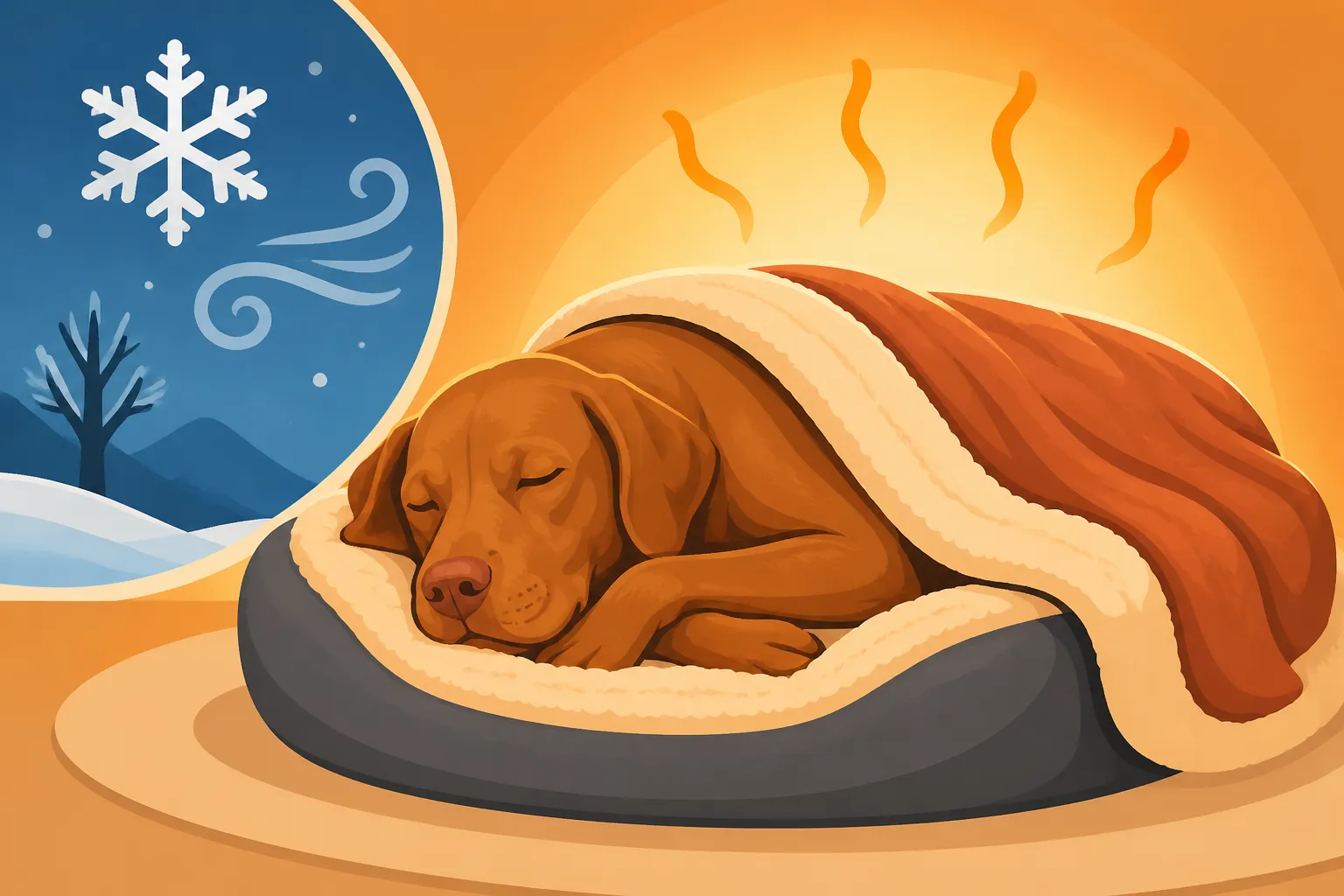
For a Vizsla, blankets are not just a nicety; they're often a deeply ingrained need. Their strong instinct to burrow, which is a natural self-warming behavior, means they adore soft, plush blankets they can dig into and nest under. Having a few blankets readily available on their bed or draped over a sofa can make a huge difference to their comfort. Fleece blankets are particularly popular because they're soft, warm, and easy to wash.
Some Vizslas even prefer dog-specific sleeping bags or "cave beds," which are essentially beds with an attached, soft cover that they can tunnel under. These provide an enclosed, insulated space that caters perfectly to their burrowing instinct, offering a secure and warm retreat. Imagine the comfort of being completely tucked in on a cold night – that's what a good blanket or cave bed offers your Vizsla. This is also why many owners find Whether a Vizsla Burrows Under Blankets for Warmth is an emphatic "yes!"
Heaters and Environmental Control
Maintaining a consistent indoor temperature, especially overnight, is paramount. While you don't need to turn your home into a sauna, avoiding drastic temperature drops can prevent your Vizsla from becoming uncomfortably cold. If certain rooms are colder than others, a safe, pet-friendly space heater can be a game-changer. Ensure any space heater has tip-over protection and is placed in an area where your Vizsla cannot knock it over or get too close to the heating elements. Never leave a traditional space heater unsupervised.
For areas where a space heater isn't practical, consider a heated pet mat or bed (ensure it's designed for continuous use and has auto-shutoff features). These can provide localized warmth directly to their sleeping spot. Ultimately, the goal is to create an ambient temperature that prevents shivering and allows them to relax deeply. It might mean adjusting your thermostat a few degrees higher than you normally would, but the comfort of your Vizsla is worth it. For more ways to manage cold, you might consider Whether a Vizsla Needs a Winter Jacket for outdoor excursions, but for indoor comfort, ambient heating is key.
Warmth Beyond the Bed: Daily Care Considerations
Ensuring your Vizsla is warm isn't just about their sleeping arrangements; it's an all-encompassing approach to their daily care, especially when venturing outdoors or considering their diet.
Appropriate Outdoor Attire
Given their thin, single coats, a Vizsla absolutely needs appropriate outdoor attire when temperatures drop. A good quality dog coat or sweater is not just a fashion statement; it's a vital piece of equipment to protect them from the cold. Look for coats that cover their chest and belly, as these areas are particularly vulnerable to cold. Waterproof and windproof materials are ideal for keeping them dry and blocking chilling drafts during walks or outdoor activities.
Even if they are active, a Vizsla can get dangerously cold if exposed for too long without protection. This is especially true if they are standing around, waiting for you, or during breaks in their exercise. Always check the weather forecast before heading out and consider their individual tolerance. What feels brisk to you might be downright painful for them. Knowing The Temperature a Vizsla Needs a Coat At is crucial for their safety and comfort during any outdoor adventure.
Diet and Hydration for Thermoregulation
A well-fed Vizsla is a warmer Vizsla. Proper nutrition plays a critical role in thermoregulation, as their body uses calories to generate internal heat. Working Vizslas, in particular, burn an immense amount of energy, and if they're not receiving enough high-quality fuel, they will struggle to maintain their body temperature. Consider a diet that supports their high metabolism and energy needs. Many performance dog foods are designed for active breeds, offering a higher caloric density. Brands like Ollie, known for their fresh, nutrient-dense meal plans, could be an excellent option to ensure your Vizsla is receiving optimal nutrition, which in turn supports their natural ability to stay warm.
Ensuring constant access to fresh water is also vital. Dehydration can impair their body's ability to regulate temperature effectively. While it might seem counterintuitive to offer cold water in cold weather, it's essential for their bodily functions. A well-hydrated dog with a robust metabolism is better equipped to handle cooler temperatures. For insights into their dietary needs, check out Feeding a Vizsla That Burns Everything It Eats and How Much a Working Vizsla Eats.
Common Misconceptions and Troubleshooting
Despite their popularity, there are still some common misunderstandings about Vizslas and their cold tolerance. Addressing these can help ensure your dog's comfort and safety.
"They're Hunting Dogs, They Should Be Tough"
This is one of the most persistent and damaging misconceptions about Vizslas. While it's true they are incredibly driven, resilient, and athletic hunting dogs, their "toughness" lies in their mental fortitude, endurance, and working drive, not in their physical ability to withstand cold temperatures. Their thin skin and single coat are simply not designed for prolonged exposure to the elements, unlike many other traditional "tough" hunting breeds like retrievers or huskies.
Their origins in Hungary, while not tropical, also didn't typically involve extreme arctic conditions. They were bred for speed and scent work in often milder environments. Expecting a Vizsla to comfortably endure freezing temperatures because they're a "working dog" is akin to expecting a marathon runner to swim the English Channel without training – they might be tough, but not in that specific way. This misconception can lead to dogs being left out in conditions that are genuinely detrimental to their health. Even when hunting, they require protection; Whether a Vizsla Hunts Late Season Birds often depends entirely on the owner's commitment to protecting them from the cold. Their inherent drive to please means they'll often push through discomfort for you, making it even more important for us to recognize their limits. The Thin Skin a Vizsla Takes Into the Field also highlights their vulnerability to injury and cold.
When Warmth Isn't Enough: Other Comfort Factors
Sometimes, even with all the right warm bedding and environmental controls, a Vizsla might still seem restless or uncomfortable. If you've ensured they are physically warm, it's time to consider other factors that might be contributing to their unease. Anxiety, pain, or an unmet need for exercise or mental stimulation can all manifest as restlessness.
If your Vizsla is constantly pacing, whining, or unable to settle despite being warm, observe them closely for other signs of distress. Are they limping? Are they exhibiting any unusual bathroom habits? Have there been recent changes in their routine or environment that could be causing stress? Sometimes, a visit to the veterinarian is warranted to rule out any underlying medical conditions, especially if their discomfort is new or worsening. An older Vizsla, for example, might be warm but still struggle with arthritis pain that prevents them from getting comfortable. In these cases, understanding Knowing When an Old Vizsla Has Had Enough can become a heartbreaking but necessary part of their care. Addressing their holistic needs – physical, mental, and emotional – is crucial for their overall happiness.
Bedding Comparison for Your Vizsla
To help you choose the best sleeping arrangements for your beloved Vizsla, here's a quick comparison of common bed types:
| Bed Type | Pros | Cons | Best For |
|---|---|---|---|
| Orthopedic/Memory Foam | Excellent insulation from cold floors, superb joint support, very durable. | Can be more expensive, heavier to move, some lack bolster sides for burrowing. | Older Vizslas, those with joint issues, general all-around comfort. |
| Self-Warming Beds | Uses dog's body heat for warmth, no electricity needed, often soft and plush. | May not provide enough warmth in extremely cold rooms, can be less durable if made cheaply. | Vizslas who love to burrow, energy-conscious owners. |
| Bolster Beds | Provides a sense of security, good for leaning, plush sides for nesting. | Center cushion might not be thick enough for floor insulation, bolsters can wear down. | Vizslas who like to curl up and lean, creating a den-like space. |
| Cave/Cuddle Beds | Perfect for burrowers, provides enclosed warmth and security. | Can be harder to clean, may be too warm for some dogs in summer, limited sizes. | Extreme burrowers, anxious Vizslas, very cold sleepers. |
| Elevated Beds | Excellent for air circulation in heat, good joint support. | Poor insulation from cold air moving underneath, requires additional thick padding in cold. | Warm climates, summer use, good for outdoor covered areas (with padding). |
| Standard Cushioned | Affordable, widely available, variety of styles. | Often lacks sufficient insulation or support, flattens quickly, less durable. | Not recommended as a primary bed for a Vizsla, unless heavily supplemented. |
Disclaimer
This article is for general informational purposes only and does not constitute professional advice. Laws, prices and regulations vary by location and change over time. Consult a qualified professional for guidance on your specific situation.