The Cold a Vizsla Genuinely Cannot Handle
It’s a common misconception that because Vizslas are hunting dogs, they must be inherently tough and able to withstand all weather. The truth is, many Vizsla owners find themselves constantly battling the elements, especially the cold, because their beloved rusty marvels are simply not built for it. This guide is here to shed light on why your Vizsla struggles with cold, how to recognize when they’re genuinely uncomfortable or even at risk, and the practical steps you can take to keep them safe and warm, whether you're navigating a frosty morning walk or a late-season hunt.
Understanding the Vizsla's Unique Coat for Cold Weather
The first step in appreciating your Vizsla's sensitivity to cold is understanding their remarkable, yet vulnerable, coat. While it’s stunning to look at, its very nature is what makes them so susceptible when temperatures drop.
The Lack of an Undercoat: A Game Changer
Most breeds adapted to colder climates, or even those meant for general outdoor work, possess a dense undercoat. Think of it like a built-in down jacket: short, fluffy hairs close to the skin that trap air and provide a thick layer of insulation against the cold. It’s what allows breeds like German Shepherds, Huskies, or even many retrievers to comfortably brave chilly weather.
Your Vizsla, however, does not have this luxury. They are a single-coated breed, meaning their fur consists solely of short, sleek guard hairs. These hairs lie close to the body, offering fantastic protection against briars and burrs in the field, and allowing water to shed relatively quickly, which is great for a quick dip in warmer months. But when it comes to insulation, they offer very little. There's just no fluffy layer to hold warm air against their skin.
This lack of an undercoat is truly a game-changer. It means that once the ambient temperature drops, your Vizsla's body heat dissipates much more rapidly than a double-coated dog. You might see your Vizsla shivering even when you feel perfectly comfortable, and it's not them being "dramatic"—it's a genuine physiological response to cold that their coat just can't counteract. It's a frustration many owners share; you want your dog to be happy and robust, but you're constantly aware of their shivers and their need for warmth.
How Their Active Lifestyle Plays a Role
Vizslas are renowned for their incredible energy and endurance. When they are actively running, hunting, or playing at high intensity, their muscles are generating a significant amount of internal heat. This metabolic heat production can temporarily offset some of the heat loss from their thin coat. This is why you might see your Vizsla bounding through snowy fields seemingly unfazed for a while, especially if they are actively pursuing game.
However, this internal furnace isn't a constant. The moment they slow down, stop to point, retrieve, or even just rest, that heat generation drops dramatically. And if they're wet from snow or water, the evaporative cooling effect will make them feel even colder, much faster. Imagine being soaked to the bone in winter—that's how quickly a Vizsla can lose critical body heat when they're not actively generating it. The Cold a Vizsla Genuinely Cannot Handle
For the typical pet Vizsla, their daily "active lifestyle" might involve a brisk walk or a session of fetch, which, while energetic, doesn't always sustain enough heat production to counter genuinely cold temperatures. If they're waiting for you outside a shop, sitting in a cold car, or just lounging on a cold floor indoors, they aren't generating that crucial heat. This distinction between "active and warm" and "inactive and freezing" is vital for Vizsla owners to understand. It means you can't assume their field capabilities translate to general cold tolerance in all situations.
Identifying the Telltale Signs of a Cold Vizsla
Your Vizsla can't tell you in words that they're cold, but they certainly communicate it through their body language. Learning to recognize these signs is crucial for their comfort and safety. Many owners might dismiss a subtle shiver as just "being a Vizsla," but often, it's a genuine plea for warmth.
The Visible Shivers and Hunched Posture
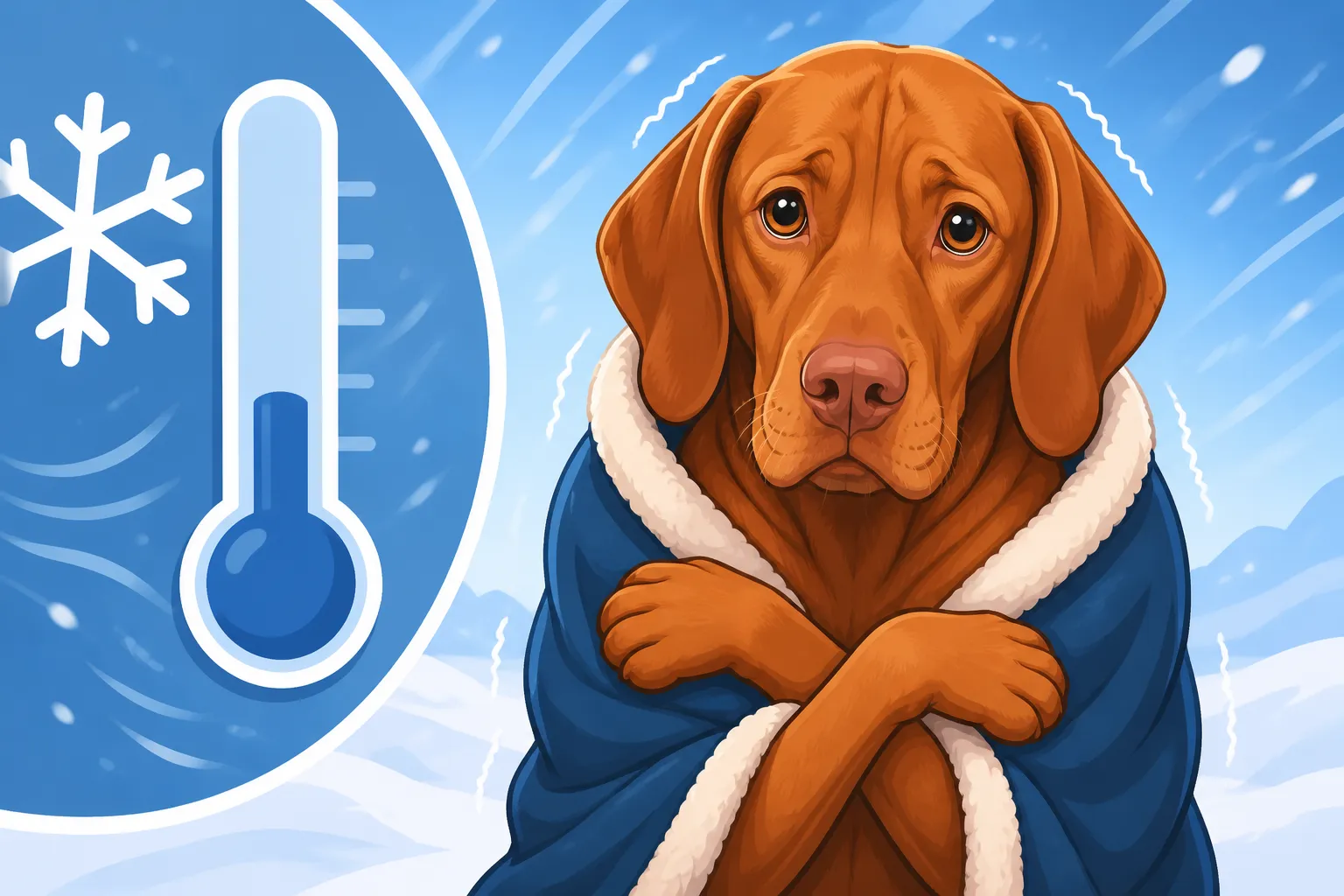
The most obvious sign that your Vizsla is cold is, of course, shivering. This isn't just a slight tremor; it can be quite pronounced, shaking their entire body. Shivering is a natural, involuntary muscular contraction designed to generate heat. It's their body's desperate attempt to warm itself up. If you see your Vizsla shivering, especially when they're not wet or excited, it's a clear signal that they are genuinely feeling the chill.
Alongside shivering, you might notice a change in their posture. A cold Vizsla will often hunch their back, tuck their tail tightly between their legs, and pull their legs closer to their body. This posture is an instinctive way to minimize their exposed surface area and conserve body heat. Their ears might be flattened against their head, and their usually bright, alert expression might be replaced with one that looks pinched or uncomfortable. This isn't just a minor discomfort; it's their body trying to protect its core temperature, and it's a sign that they need warmth, and quickly. Don't assume they're just being dramatic; their thin skin and lack of an undercoat mean they feel cold far more intensely than a furrier breed.
Seeking Warmth and Reluctance to Move
When a Vizsla is cold, their primary instinct will be to seek out warmth. This might manifest as them burrowing under blankets, trying to push their way onto your lap, or curling up tightly in the smallest possible space. If you have multiple blankets on the sofa, don't be surprised to find your Vizsla meticulously arranged within a cozy nest they’ve created. Whether a Vizsla Pushes Under a Blanket They might repeatedly nudge you or whine softly, trying to communicate their need for a warm spot or physical contact.
Another significant indicator is a reluctance to move, particularly outdoors. If your Vizsla, usually eager to bound outside, hesitates at the door, lifts their paws, or tries to turn back after only a few steps, it's a strong sign the cold is bothering them. They might walk with a stiff gait or try to rush through their potty break, eager to get back indoors to the warmth. This reluctance is particularly telling for a breed known for its boundless energy; an unenthusiastic Vizsla in cold weather is almost certainly an uncomfortable Vizsla. They understand that prolonged exposure means sustained discomfort, and their intelligence drives them to find refuge.
Other Subtle Indicators of Discomfort
While shivering and seeking warmth are overt signs, Vizslas can display more subtle indicators of cold stress. Keep an eye out for these less obvious cues. For example, they might start lifting individual paws off the cold ground, alternating which paw they hold up, almost as if they're trying to warm them. This is especially common on icy sidewalks or frozen ground, and it's a clear sign their pads are getting uncomfortably cold.
Some Vizslas might also whine more frequently or become more anxious when cold. This isn't just attention-seeking; it can be a genuine expression of distress. Their muscles might feel stiff, and their joints might ache, especially if they are an older dog or prone to conditions like arthritis. Arthritis in a Vizsla at Ten In extreme cases of prolonged cold exposure, a Vizsla's appetite might decrease, or they might become lethargic and slow to respond. It's vital not to ignore these signs, as prolonged cold can quickly escalate from discomfort to a serious health risk like hypothermia or frostbite, which we’ll discuss next.
When Cold Becomes a Serious Health Risk
For a Vizsla, cold isn't just uncomfortable; it can rapidly become life-threatening. Their thin coat means they have little margin for error when temperatures drop, and serious conditions like hypothermia and frostbite can set in faster than you might expect.
Hypothermia: What Every Vizsla Owner Fears
Hypothermia is a dangerous condition where a dog's body temperature drops below normal. For a Vizsla, this can happen surprisingly quickly, especially if they are wet, inactive, or exposed to cold, windy conditions. Their lack of an insulating undercoat means they simply cannot retain body heat efficiently. What might be a "brisk" day for a Golden Retriever could be dangerously cold for a Vizsla.
Symptoms typically progress in stages. In mild hypothermia, you'll see intense shivering, weakness, and perhaps a tucked tail and hunched posture. As it advances to moderate hypothermia, the shivering may stop (paradoxically, as their body's energy reserves are depleted), they'll become lethargic, their breathing and heart rate will slow, and their muscles will feel stiff. In severe hypothermia, they may become unresponsive, their pupils might dilate, and they could fall into a coma. This is an emergency.
If you suspect mild hypothermia, the immediate goal is to warm them gently. Get them indoors, dry them thoroughly if wet, and wrap them in warm towels or blankets. You can also use body heat by cuddling them close. Offer warm (not hot) chicken broth or water. Avoid rapid rewarming, like immersing them in hot water, as this can be dangerous. For moderate or severe cases, or if your Vizsla doesn't improve quickly, you need to seek veterinary attention immediately. Whether a Vizsla Gets Hypothermia This is not a situation where you should "wait and see."
Frostbite: The Hidden Danger to Extremities
While hypothermia affects the whole body, frostbite is localized tissue damage caused by freezing. Because Vizslas have such thin skin and minimal fur on their extremities, they are particularly vulnerable to frostbite on their ears, tail tip, paw pads, and for males, their scrotum. These areas have less blood flow and are more exposed to the elements.
Initially, frostbitten skin may appear pale, waxy, or grayish due to restricted blood flow. It might feel cold and stiff to the touch. As the tissue thaws, it can become red, swollen, and painful. Blisters may form, and in severe cases, the tissue will eventually turn black and necrotize, requiring amputation. The problem with frostbite is that it often isn't immediately obvious; the damage can be done before symptoms become visually alarming.
If you suspect frostbite, again, gentle rewarming is key. Apply warm (not hot) compresses to the affected areas, or soak the paws in warm water. Do not rub the frozen tissue, as this can cause further damage. Once the area is thawed, keep it clean and dry, and seek veterinary care. Your vet can assess the extent of the damage, provide pain relief, and prevent secondary infections. Prevention is always best, which means protecting these vulnerable areas when your Vizsla is out in the cold.
Exacerbating Existing Conditions
Beyond acute dangers like hypothermia and frostbite, cold weather can significantly worsen existing health issues in Vizslas. Just like in humans, cold can lead to increased discomfort and pain for dogs with certain conditions.
One of the most common issues is arthritis. Older Vizslas, or those with underlying joint conditions like hip or elbow dysplasia, will often experience increased stiffness and pain in cold, damp weather. Arthritis in a Vizsla at Ten The cold can make their joints ache more intensely, reducing their mobility and overall quality of life. Owners might notice their normally energetic senior Vizsla is even more reluctant to move, struggles to get up, or limps more noticeably after being out in the cold. Providing extra warmth, comfortable orthopedic beds, and keeping them out of drafts becomes even more critical for these dogs.
Furthermore, a Vizsla's immune system, which can be a weak point for the breed, might be further taxed by constant exposure to cold stress. Why a Vizsla's Immune System Is the Breed's Weak Point While cold doesn't directly cause illness, the stress it places on the body can potentially make them more susceptible to respiratory infections or other illnesses. For an older Vizsla, who might already be slowing down and losing some muscle mass, cold can be particularly detrimental. The Old Vizsla That Still Wants to Hunt Their ability to regulate body temperature naturally declines with age, making proper insulation and warmth a non-negotiable part of their senior care. Understanding these risks helps owners make informed decisions about their Vizsla's winter care.
Practical Strategies for Keeping Your Vizsla Warm Indoors
Since your Vizsla can't handle the cold, making sure their indoor environment is a haven of warmth and comfort is paramount. It’s not just about turning up the thermostat; it's about creating specific warm zones where they can truly relax and recuperate.
Creating a Cozy Sleeping Environment
For a Vizsla, their bed isn't just a place to sleep; it's a sanctuary from the cold. A bare dog bed on a cold tile or hardwood floor simply won't cut it for a thin-skinned Vizsla, especially if they are prone to shivering indoors.
Investing in a high-quality, insulated bed is a great start. Even better, consider a heated dog bed. These beds provide a consistent, gentle warmth that can be incredibly soothing and comforting for a cold Vizsla. You can find a range of options on sites like Amazon or Chewy, from simple self-warming mats that reflect body heat to electrically heated beds with temperature controls. Make sure to choose one with safety features like automatic shut-off and chew-resistant cords. Alternatively, an elevated bed can get them off a cold floor, and then layer it with thick blankets. Vizslas are notorious burrowers, so having a pile of soft blankets they can tunnel into will be deeply appreciated. They love to create their own little "nests" where they feel secure and warm.
Beyond the bed itself, consider its placement. Keep their primary sleeping area away from drafty doors, windows, or uninsulated walls. A spot in a sunny corner or near a warm, interior wall is ideal. If they usually sleep in a crate, cover the crate with a thick blanket on all sides except the front to help trap warmth inside, and ensure there's a cozy bed and blankets within the crate. These seemingly small adjustments can make a huge difference in their ability to maintain a comfortable body temperature overnight or during long naps.
Regulating Home Temperature and Avoiding Drafts
While we can't always keep our homes at a tropical temperature, being mindful of your Vizsla's comfort when it comes to overall home temperature and drafts is crucial. A chilly house, even if not freezing, can still make a Vizsla shiver, especially when they are resting and not generating much body heat.
Try to maintain a consistent indoor temperature, particularly in the areas where your Vizsla spends most of their time. If you use a programmable thermostat, consider setting it to a slightly warmer temperature during the day when you're out, or at night, specifically for your dog's comfort. It might seem like an extravagance, but for a breed so prone to cold, it's often a necessity to prevent constant discomfort.
Actively seek out and mitigate drafts. Walk around your home on a windy, cold day and feel for cold air coming in around windows, doors, or even electrical outlets. Use draft stoppers for doors, seal gaps around windows, and consider heavier curtains during the colder months. Even a seemingly minor draft can create a cold spot on the floor where your Vizsla might be trying to nap. If your Vizsla constantly tries to burrow under blankets on the sofa, or repeatedly seeks out sunbeams on the floor, it's a good indication that the ambient room temperature might not be warm enough for them. Providing a cozy, draft-free spot is key to their daily comfort.
Essential Outdoor Gear and Management for Cold Weather
Taking your Vizsla outside in cold weather requires more than just enthusiasm; it demands preparation and the right gear. Failing to adequately protect your Vizsla can quickly lead to discomfort or worse, serious health issues.
Choosing the Right Winter Coat or Jacket
A winter coat isn't a fashion statement for a Vizsla; it's a necessity. Given their single, thin coat, a good jacket acts as their missing undercoat, providing that crucial layer of insulation against the cold, wind, and moisture.
When selecting a coat, prioritize warmth, fit, and protection. Look for materials that are both insulated (like fleece lining or synthetic fill) and waterproof or water-resistant. This is important because a wet coat, even if insulated, quickly loses its ability to keep them warm. The coat should cover their back from neck to tail, and ideally, have good chest and belly coverage. Vizslas often have very little fur on their undersides, making their chest and belly vulnerable to cold, wet ground or snow. Measure your Vizsla carefully to ensure a snug but comfortable fit that doesn't restrict movement. A well-fitting coat should allow them to run, jump, and relieve themselves without hindrance.
There are many excellent brands available through retailers like Chewy or Amazon that offer durable, functional winter coats designed for active dogs. Don't be tempted by thin rain jackets unless they also offer significant insulation; a Vizsla needs real warmth. Remember, even if you’re just popping out for a quick potty break, if it's genuinely cold, that coat should go on. Whether a Vizsla Needs a Winter Jacket It's an essential piece of their winter wardrobe.
Paw Protection and Skin Care in the Cold
Your Vizsla's paw pads are tough, but they are still vulnerable to the extreme cold, ice, snow, and especially the harsh chemicals like road salt and de-icers found on winter pavements. Without protection, their pads can become chapped, cracked, frostbitten, or irritated by chemical exposure, leading to significant pain and potential infection.
Dog boots are an excellent solution for paw protection in winter. They create a barrier against the cold ground, ice, and salt. It can take some time to get your Vizsla accustomed to wearing boots, so start with short sessions indoors, gradually increasing the duration. Look for boots that are durable, waterproof, and have good traction. Ensure they fit well – too loose and they'll fall off, too tight and they'll be uncomfortable.
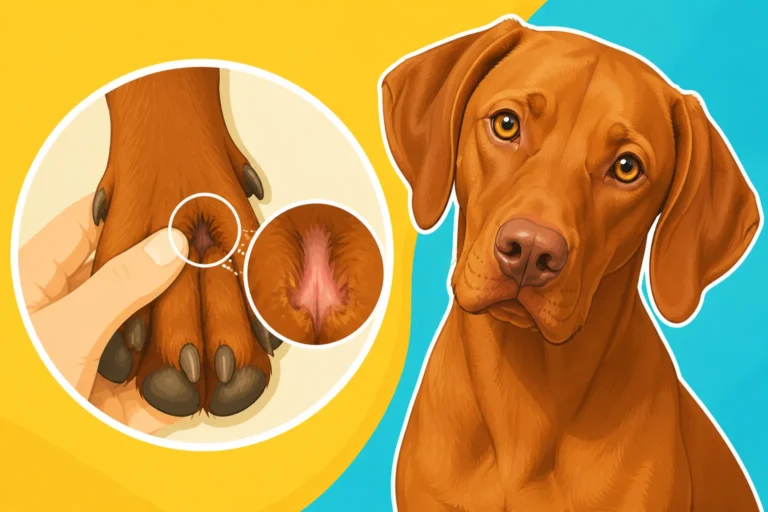
If boots aren't an option or for shorter excursions, consider using paw wax. Products like Musher's Secret or similar paw balms create a protective barrier on the pads, helping to moisturize them and shield them from irritants and some cold. Apply it before going out and clean their paws thoroughly with warm water and a soft cloth when you return home, especially if they've been on salted surfaces. Whether a Vizsla Needs Paw Wax This removes any lingering irritants and allows you to check for any cuts, cracks, or signs of frostbite between their toes. Regularly checking their paws is important. Whether a Vizsla Needs Boots in Winter
Adjusting Outdoor Activity and Limiting Exposure
Even with the best gear, a Vizsla's time outdoors in genuinely cold weather needs careful management. You can't just send them out for hours like a Labrador.
On frigid days, shorten your walks and outdoor play sessions. Instead of one long outing, consider several shorter, brisk walks throughout the day. This reduces prolonged exposure to the cold while still allowing them to get their necessary exercise and potty breaks. If you're doing high-intensity activities like running or hunting, be mindful that while they're working hard, they generate heat, but their body temperature can plummet quickly once they stop. Plan for warm-up and cool-down periods indoors or in a sheltered, heated space. Whether a Vizsla Hunts Late Season Birds
Avoid peak cold times of the day, usually early mornings and late evenings. Opt for mid-day outings when temperatures are typically highest. If it’s raining or snowing heavily, or if there’s a biting wind, consider indoor enrichment games, training sessions, or even a trip to an indoor dog facility instead of an extended outdoor adventure. It's a tough call for such an energetic breed, but their health comes first. Never leave your Vizsla unattended outside in cold weather, even for a few minutes. Their comfort level can quickly turn to distress, and then to danger.
Nutrition and Hydration to Combat the Cold
Just like us, dogs burn more calories to maintain their body temperature in cold weather. For an already lean, high-metabolism breed like the Vizsla, this increased energy expenditure is particularly significant. Proper nutrition and hydration play a vital role in their cold weather resilience.
Fueling for Internal Warmth
Maintaining body heat is an energy-intensive process. When your Vizsla is exposed to cold temperatures, their body has to work harder, burning more calories to shiver and keep warm. If their diet isn't adjusted to meet these increased demands, they can quickly lose weight, become lethargic, and their ability to stay warm will be compromised.
For active Vizslas, especially those who continue to hunt or engage in strenuous outdoor activities during winter, a significant increase in calorie intake might be necessary. This doesn't mean just giving them more food; it means ensuring the food itself is energy-dense. You might consider switching to a high-performance dog food formula, which typically has higher fat and protein content. Alternatively, you can supplement their regular diet with healthy, calorie-rich additions like cooked lean meats, eggs, or a quality dog-specific nutritional supplement. Brands like Ollie offer fresh, human-grade food options that are highly palatable and nutrient-dense, which can be an excellent way to ensure they're getting sufficient calories without excessive bulk.
Always consult with your veterinarian before making drastic changes to your Vizsla's diet, especially if they have any underlying health conditions. Monitor their weight and body condition closely. You want to see their ribs slightly, but not sharply defined. If they start looking too thin, increase their food. How Much a Working Vizsla Eats Providing adequate fuel is like giving them internal insulation against the cold.
Ensuring Adequate Hydration
It's easy to overlook hydration in cold weather. We often associate dehydration with hot, sunny days, but it's just as important, if not more so, in winter. Cold, dry air can be dehydrating, and dogs may drink less if their water bowl is chilly or if they prefer to eat snow, which isn't an efficient way to hydrate.
Ensure your Vizsla always has access to fresh, unfrozen water, both indoors and out. If you have outdoor water bowls, consider using a heated bowl to prevent the water from freezing solid. Offer them warm (not hot) water indoors, which they might be more inclined to drink. If you're out for an extended period, carry water with you and offer it frequently. Many portable dog water bottles and collapsible bowls are available on sites like Amazon or Chewy.
Hydration is critical for all bodily functions, including maintaining healthy circulation and organ function, which are essential for temperature regulation. A well-hydrated Vizsla will be better equipped to handle cold stress. If your Vizsla is eating snow, supervise them to ensure they aren't consuming too much, as large amounts can actually lower their core body temperature and potentially cause an upset stomach. Proper hydration supports their overall resilience, helping them withstand the physiological demands of colder temperatures.
Special Considerations for the Hunting Vizsla in Winter
Hunting with a Vizsla in winter demands an even higher level of vigilance and preparation. The risks are magnified, and the consequences of misjudgment can be severe, not just for the dog, but potentially for the hunter as well.
Assessing Risk in Field Conditions
For the hunting Vizsla, winter field conditions present a unique set of challenges and dangers. Ice, snow, and especially cold water dives can turn a successful hunt into a life-threatening situation in moments. A Vizsla's thin coat provides virtually no insulation once it's wet, making them highly susceptible to rapid heat loss.
Before heading out, carefully assess the environmental conditions. Is there a bitter wind? Has a sudden cold snap dropped temperatures significantly? Is the ground covered in icy patches or deep snow that could cause cuts or exhaustion? Are there frozen ponds or rivers where your Vizsla might break through thin ice, or be forced into frigid water for a retrieve? Even if the air temperature seems manageable, water work in cold weather is incredibly risky. Cold water causes core body temperature to drop rapidly, and getting soaking wet in freezing temperatures can quickly lead to hypothermia. Whether Cold Water Is Dangerous for a Vizsla
Consider using blaze orange vests for visibility and some added insulation. For water work, specialized neoprene vests can offer some protection, but even these have limits. Whether a Vizsla Needs a Raincoat You, as the owner, must be the primary risk assessor. A bird isn't worth your dog's life or health. Don't push your Vizsla beyond their physical limits or the safe boundaries dictated by the weather. Sometimes, the wisest decision is to stay home or choose a different kind of training session.
Post-Hunt Care and Warm-Up Routines
The care your Vizsla receives immediately after a winter hunt is just as critical as the precautions you take before and during the outing. A proper post-hunt warm-up routine can prevent hypothermia and help them recover quickly.
As soon as the hunt is over, or even during breaks, get your Vizsla into a warm, sheltered environment. This might be a heated dog box in your truck, or the cab of your vehicle. Immediately towel them dry, focusing on their chest, belly, and legs. Have a dry, warm blanket or an extra dog coat ready to put on them. The goal is to stop heat loss and begin the rewarming process gently.
Once home, continue the warm-up process. Ensure they have access to their cozy, heated bed indoors. Offer warm water or broth to rehydrate and replenish fluids. A small, easily digestible meal can also help them refuel their internal furnace. Checking a Vizsla Over After a Hunt This is also the time to thoroughly check their paws for cracks, cuts, or ice buildup, and inspect their ears and tail for any signs of frostbite. Taking these extra steps ensures your Vizsla recovers safely and comfortably, ready for their next adventure, or simply a long, warm nap by your side. Whether an Old Vizsla Still Needs Two Hours
| Gear Type | Purpose | Key Features to Look For | Brand Examples (for idea) |
|---|---|---|---|
| Winter Coat | Insulation from cold, wind, rain | Waterproof/resistant, insulated lining (fleece/synthetic), chest/belly coverage, durable, good fit | Ruffwear, Hurtta, Kuoser (on Chewy, Amazon) |
| Paw Protection | Shield from ice, snow, salt, chemicals, cuts | Boots: durable sole, good traction, secure fit. Wax: natural ingredients, protective barrier | Muttluks, Kurgo (boots); Musher's Secret (wax) |
| Heated Bed | Provide consistent warmth indoors | Chew-resistant cord, automatic shut-off, washable cover, appropriate size | K&H Pet Products, Thermo-Snuggly (on Amazon, Chewy) |
| Warm Blankets | Extra insulation, burrowing comfort | Fleece, wool, or thermal material, machine washable, multiple for layering | Any soft, durable blanket (on Amazon, Chewy) |
| Outdoor Water | Prevent dehydration, offer unfrozen water | Heated water bowl (for stationary use), collapsible travel bowl, insulated water bottle | K&H Pet Products (heated bowl); Kurgo, Nalgene (travel) |
| Recovery Vest | Warmth post-activity or during breaks (hunt) | Insulated, quick-drying, easy to put on/take off, high visibility | Firedog, Dogtra, Browning (specialized hunt gear) |
Disclaimer
This article is for general informational purposes only and does not constitute professional advice. Laws, prices and regulations vary by location and change over time. Consult a qualified professional for guidance on your specific situation.