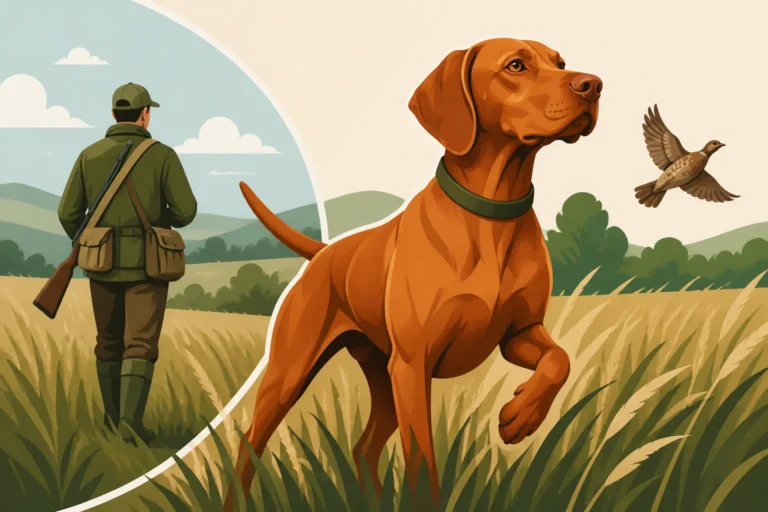
Whether a Vizsla Needs Acreage
A Vizsla does not need acreage to be happy, but a small yard or a quick walk around the block rarely meets this athletic, people-oriented dog’s needs on its own. If you’re wondering whether a city lot, townhouse, or apartment can work, the key is less about land size and more about daily exercise, training, safe access to space, and time together.
Does a Vizsla need acreage to thrive
No. Acreage can make it easier to offer a dog room to move, but it is not a substitute for attention, exercise, and training—and it is not a requirement for owning a Vizsla. A dog with several acres can still become restless if left alone much of the day with little to do. A Vizsla in a smaller home can do well when the household regularly plans activities that meet the dog’s physical and mental needs.
The breed’s athletic build and hunting background do matter. Many Vizslas enjoy running, exploring scents, retrieving, and learning new tasks. They also tend to want close contact with their people. An outdoor space that lets a dog stretch its legs is useful, but it does not automatically provide the companionship or purposeful activity a Vizsla needs.
What acreage provides and what it cannot
A large, securely enclosed property can offer convenient opportunities for supervised play and training. It may make it easier to practice recalls, set up scent games, or let a dog sniff around without preparing for a trip to a park. For owners who hunt or train in the field, living near suitable land can also simplify regular practice.
But acreage is not the same thing as safe, unrestricted exercise. A dog may find gaps in a fence, chase wildlife, or run toward a road. Even a large property needs supervision and secure boundaries. And if the land is not fenced, a Vizsla that spots a rabbit or deer may range beyond where you can safely call them back.
Land also does not solve the problem of a dog spending long stretches alone. A Vizsla left outside for the workday may become distressed, bark, dig, or look for a way out. Some dogs will simply wait by the door for their people. The breed’s strong attachment to its household makes companionship and a predictable routine important, regardless of property size. For more on whether a home without a yard is workable, see Whether a Vizsla Suits an Apartment.
The yard is a bonus, not the exercise plan
A fenced yard can be handy for bathroom breaks, brief play, and training sessions. It can also help when the weather is poor or a dog needs a quick outing between longer activities. But many dogs do not exercise themselves simply because a yard is available. They may sniff for a few minutes, then settle near the back door and wait for something more interesting to happen.
That is why it helps to think in terms of what you will do with your Vizsla each day, not how many square feet you own. A structured walk, a game of fetch in a safe area, obedience practice, or a scent activity can be more valuable than leaving a dog alone in a large yard. A rotating mix of activities also helps prevent every outing from becoming the same rushed loop around the block.
If you have a yard but are relying on it to meet all your dog’s needs, look honestly at what happens there. Does your Vizsla move, sniff, and interact with you, or do they stand by the gate and watch the house? If the latter sounds familiar, acreage may not be the missing piece. More engaging time together may be.
What matters more than property size
A Vizsla’s needs vary with age, health, temperament, and activity level. A young, energetic dog may need more structured outlets than an older dog who has slowed down. A working dog may have a different routine from a companion dog. The practical question is whether your household can offer regular activity and interaction without depending on the dog to entertain itself.
Daily exercise and mental activity
Many Vizslas need meaningful daily exercise, but there is no single routine that suits every dog. A combination of walks, opportunities to run safely, play, and training often works better than trying to tire a dog out with one long session. Start from your dog’s age and fitness, and build activity gradually rather than suddenly expecting a puppy or out-of-condition adult to run for miles.
Mental work counts, too. Practicing recall, searching for treats, learning useful household cues, or working through a food puzzle gives a dog something to focus on. Short training sessions can fit into an ordinary day: a few minutes before breakfast, a recall game on a walk, and a calm settle exercise in the evening. For ideas on balancing activities, see The Exercise a Vizsla Needs Every Day and Whether a Vizsla Needs Mental Work Too.
If your home lacks a yard, you may need to plan outings more deliberately. That could mean a walk before work, a midday visit from a trusted dog walker, and a longer outing after work. A secure dog park or fenced training area can help some dogs, but it is not automatically the right fit for every Vizsla. Consider your dog’s recall, comfort around unfamiliar dogs, and ability to settle after high-energy play.
Companionship and time alone
Acreage cannot replace company. Vizslas are often closely bonded to their people, and some have trouble coping when left alone for long stretches. Before choosing this breed, consider your real weekly schedule—not just an ideal weekend. Think about commuting, travel, children’s activities, and the days when bad weather or a packed calendar makes a long outing harder to fit in.
A dog walker, a family member who can provide a midday break, or carefully chosen daycare may help with some schedules. These options are not interchangeable: daycare can be overwhelming for a dog who finds busy group settings stressful, while a walk may provide a calmer break. A second dog may add companionship, but it does not guarantee that a Vizsla will feel comfortable alone or remove the need for human contact. See Whether a Vizsla Can Ever Be Left Alone and Whether a Vizsla Needs a Second Dog for more on those questions.
Enrichment can make time at home more manageable, especially when paired with gradual alone-time training. For example, you might offer a safe food puzzle after a walk, then step away briefly and return before your dog becomes distressed. Chewy is one place owners may look for food puzzles and other enrichment supplies, but a purchased toy is only helpful if it suits the individual dog and is safe to use unsupervised. If your Vizsla panics, drools heavily, or tries to escape when alone, talk with a veterinarian or qualified behavior professional rather than simply adding more toys.
Choosing a home setup that works
A Vizsla can live in a house with acreage, a suburban home, or an apartment. Each setup comes with different demands. The best choice is the one where you can reliably provide exercise, companionship, and safe places to practice skills—not the one with the biggest lawn.
| Home setup | Potential advantages | Common challenges | What to plan for |
|---|---|---|---|
| Home with fenced acreage | Convenient space for supervised play and training | Fencing gaps, wildlife, and false confidence that the land provides enough activity | Check boundaries and spend time actively engaging with your dog |
| Suburban home with a yard | Easy bathroom breaks and short play sessions | A yard may not motivate a dog to exercise independently | Schedule walks, training, and outings beyond the yard |
| Townhouse or apartment | Can work when the household is active and consistent | Bathroom trips and exercise require more planning | Build a dependable outdoor routine and teach calm indoor behavior |
| Rural home without secure fencing | Access to open surroundings may be convenient | Roads, livestock, and wildlife can create serious risks | Use a leash or long line unless the area is safely enclosed |
Fencing, recall, and off-leash safety
An open field is not automatically a safe place to let a Vizsla run loose. Prey interest, sudden distractions, and the distance a dog can cover in seconds all matter. A fenced area can provide a safer place to run, while a long line gives room to explore during recall practice without handing over full freedom too soon.
Even a dog with a strong recall should be assessed in the setting where you plan to use it. A Vizsla that comes back reliably in a quiet backyard may respond differently when a bird flushes from grass or another dog appears on the trail. Build skills gradually, reward check-ins, and follow local leash rules. For practical guidance, read Whether a Vizsla Is Safe Off Leash and Teaching a Vizsla to Check In.
If your home has a yard, inspect the fence from the dog’s point of view. Check gates, loose boards, low sections, and places where a determined dog could dig. Supervise outdoor time until you understand your dog’s habits. For an unfenced rural property, use a leash or long line unless you are in a secure, permitted area. Open acreage is not a substitute for containment.
Making a smaller home work
A smaller home can suit a Vizsla if the dog gets enough activity outside and has a calm place indoors. Teach a settle cue and reward resting on a bed or mat after exercise. This matters because the goal is not to keep a dog moving every waking minute; it is to meet their needs and help them learn how to relax.
In an apartment, plan bathroom breaks and activity around your schedule. A morning outing may be followed by a midday break, then a longer walk or training session later. In a building with shared corridors and elevators, practice walking politely past neighbors and other dogs. If your Vizsla becomes overstimulated outdoors, quieter routes or less busy times may help.
For indoor enrichment, rotate a few safe options rather than leaving every toy out all the time. You might hide kibble for a supervised search game, practice simple cues, or offer a chew that is appropriate for your dog. Chewy can be a convenient source to browse for puzzle feeders or training treats, but check that any item matches your dog’s chewing style and dietary needs. The activity itself—especially when you participate—is often more valuable than buying a large collection of equipment.
How to decide whether your home is a good fit
Instead of asking whether you have enough land, write down the routine you can realistically maintain. Include workdays, weekends, bad-weather days, and periods when your schedule gets disrupted. A plan that works only when you have an unusually free day is unlikely to feel manageable over the long term.
Try a realistic weekly routine
Imagine a typical weekday. Before work, can you provide a proper walk or another planned activity? During the day, will your dog be alone for a period they can cope with, or can someone provide a break? After work, will you have time for another outing, training, or play? The exact answer will differ by dog, but the questions reveal whether the property is distracting you from a scheduling problem.
Also consider the demands of your own neighborhood. A small home near trails, parks, or a secure dog exercise area may offer more practical opportunities than a larger home far from safe places to walk. In a dense area, you may need to work around traffic, crowded paths, and leash rules. In a rural area, you may have more open space but also more wildlife, farm activity, or roads where off-leash access would be risky.
If you are not sure what a Vizsla’s daily routine would look like, speak with people who live with the breed in homes similar to yours. Ask what they do on rainy weekdays, how they manage alone time, and what happens when a dog is recovering from an injury and cannot run. Their ordinary routines may tell you more than hearing that the breed is “high energy.”
Recognize when the setup needs adjusting
Restlessness, persistent attention-seeking, destructive behavior, or difficulty settling may mean a dog needs a different mix of activity, training, rest, or support. They do not automatically mean you need acreage. A dog who races around the yard and then remains unsettled indoors may benefit more from calmer enrichment and practice settling than from even more unstructured running.
At the same time, adding activity is not always the answer. If exercise suddenly increases, a young dog is asked to run hard for long distances, or a dog is pushed through heat, fatigue or injury can follow. Adjust activities to your dog’s age and condition, and contact a veterinarian if you notice limping, unusual tiredness, breathing difficulty, or a sudden change in behavior.
If you are still comparing living situations, Whether a Yard Is Enough for a Vizsla is a useful companion topic. A fenced yard can make life easier, but it is not a requirement and should not be treated as a complete exercise plan. A realistic routine, safe access to outdoor activity, and a household that enjoys spending time with the dog are more important than acreage itself.
Disclaimer
This article is for general informational purposes only and does not constitute professional advice. Laws, prices and regulations vary by location and change over time. Consult a qualified professional for guidance on your specific situation.