Whether a Longhaired Vizsla Exists
It’s a common question that pops up in online forums and at dog parks: "Do longhaired Vizslas exist?" Many folks fall in love with the classic golden-rust coat of a Vizsla and then, for various reasons, find themselves wondering if there’s a fluffier, longer-haired version out there. This confusion often stems from the existence of the Wirehaired Vizsla, which is an entirely different breed, or from people encountering Vizsla mixes. This guide will dive deep into the world of Vizsla coats, clarify the differences between the recognized breeds, explore the genetics behind coat types, and explain why a true, purebred longhaired Vizsla is simply a misconception, helping you understand what to expect from this magnificent breed.
The Distinctive Smooth Coat of the Vizsla
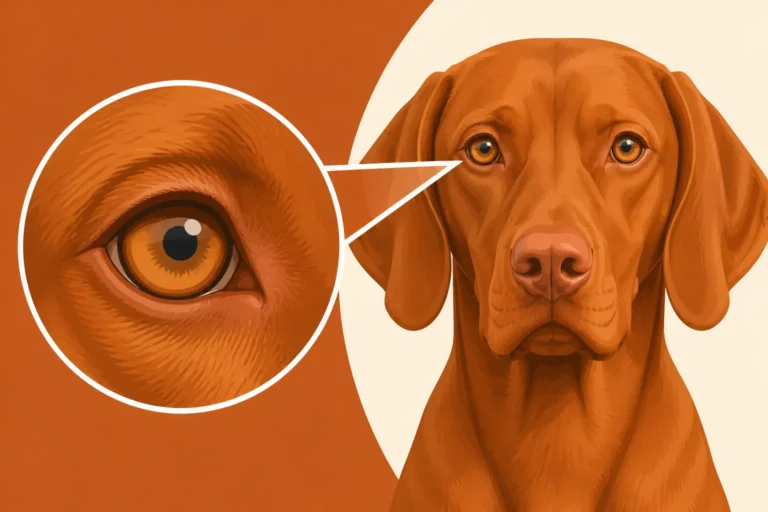
When most people picture a Vizsla, they envision that sleek, short, and incredibly soft golden-rust coat that truly makes the breed stand out. This signature coat is not just for looks; it's a vital part of the Vizsla's identity and its functional purpose as a versatile hunting dog. It’s what gives them that unmistakable "velvet" feel that so many owners adore.
Characteristics of the Smooth Coat
The defining characteristic of the standard Vizsla is its short, dense, and smooth coat. It's often described as feeling like velvet to the touch, and it lies flat against their muscular body. The color is always a varying shade of "golden rust," without any dark markings or black. You won't find an undercoat on a Vizsla, which is a major factor in why they feel the cold so readily and why their grooming needs are relatively straightforward. This single-coat structure is quite unique and The Single Coat a Vizsla Has and Why It Changes Everything. It means they don't have that fluffy layer underneath that many other breeds possess, which would trap heat or provide extra insulation. Their skin is quite thin beneath this coat, adding to their tactile softness but also making them more susceptible to nicks and scrapes in heavy cover.
Why the Short Coat is Essential for the Breed
The Vizsla's short, smooth coat evolved for a reason: it's perfectly suited to their role as an athletic, all-around hunting dog, particularly in the Hungarian plains and marshlands where they originated. A short coat dries quickly, which is crucial for a dog that's expected to work in and out of water, or through dew-laden fields. It also makes them less prone to picking up burrs, foxtails, and excessive mud, which can be a real nuisance for dogs with longer, denser coats. This practical aspect means less time spent de-burring your dog after a hunt and more time enjoying their company. Furthermore, the short coat allows for excellent heat dissipation during strenuous activity, a must for a breed known for its boundless energy and stamina. Imagine trying to run for hours in thick undergrowth with a heavy, long coat—it would quickly lead to overheating.
Grooming Needs of the Standard Vizsla
Given their short, single coat, the grooming demands of a standard Vizsla are quite minimal compared to many other breeds. Regular brushing, perhaps once or twice a week with a rubber curry comb or a grooming mitt, is usually sufficient to remove loose hairs and distribute natural oils. While they don't require professional grooming like many long-haired breeds, consistent home care is still important. How Much a Vizsla Sheds is a common concern, and while they don't shed in large clumps like a double-coated dog, their fine hairs can weave themselves into fabric, so regular brushing helps manage this. Bathing is only necessary when they're truly dirty, which, let's be honest, happens often with an active Vizsla! When it comes to finding the right grooming tools or a gentle shampoo for their sensitive skin, online retailers like Chewy offer a wide selection to keep your Vizsla's coat healthy and shining.
The Wirehaired Vizsla: A Distinct Breed
It’s absolutely crucial to understand that the Wirehaired Vizsla, while sharing a common ancestry and many characteristics with its smooth-coated cousin, is officially recognized as a separate and distinct breed. They are not simply a variation of the smooth Vizsla with a different coat length. This is where much of the confusion about "longhaired Vizslas" often begins.
Origin and Purpose of the Wirehaired Vizsla
The Wirehaired Vizsla was intentionally developed in the 1930s in Hungary, specifically to create a more robust hunting dog better suited to colder weather and dense, thorny cover. Breeders crossed the standard smooth Vizsla with the German Wirehaired Pointer and the Pudelpointer, among others, to introduce the wire coat. Their aim was to retain the Vizsla's excellent pointing and retrieving abilities, along with its famous biddable temperament, but to add a protective, weatherproof coat. This makes them exceptionally hardy in conditions where a smooth Vizsla might struggle, particularly in icy water or thick brush. Understanding How the Wirehaired Vizsla Was Made highlights the deliberate effort to engineer a dog for specific environmental challenges. They were bred for endurance and protection in harsh hunting environments, making their coat a functional necessity rather than a mere aesthetic choice.
Key Differences in Coat and Appearance
The most obvious difference is, of course, the coat. The Wirehaired Vizsla has a dense, wiry, close-lying, harsh coat that is typically 1 to 2 inches long. They also possess distinctive facial furnishings, including eyebrows and a beard, which are absent in the smooth Vizsla. This wiry texture provides excellent insulation and protection from thorns, briars, and cold water. Their coat color is also the same golden-rust, but the texture gives it a slightly duller, less reflective appearance than the smooth variety. While they share the same affectionate and energetic temperament, their appearance clearly sets them apart. What a Wirehaired Vizsla Looks Like is quite different from its smooth-coated relative, despite the shared color and general body structure. They often have a slightly more robust build, fitting their role as a tough, all-weather hunter.
Comparing Smooth and Wirehaired Temperaments
While their coats are different, the core temperament of the Wirehaired Vizsla is very much in line with its smooth-coated kin. They are known for being equally intelligent, sensitive, and incredibly affectionate, often earning the "Velcro Vizsla" nickname just like their smooth counterparts. Both breeds thrive on human companionship and can be prone to separation anxiety if left alone too much. They both possess a strong prey drive and an insatiable need for exercise and mental stimulation. However, some enthusiasts suggest that the Wirehaired Vizsla might be a touch more independent or slightly less "clingy" than the smooth variety, perhaps due to the influence of the German Wirehaired Pointer in their lineage. This is a subtle difference, though, and individual personalities within both breeds vary greatly. Ultimately, both are demanding but incredibly rewarding companions for active individuals or families who understand their needs.
The Myth of the Longhaired Vizsla
So, to answer the burning question directly: no, a true, purebred longhaired Vizsla does not exist within recognized breed standards. Any dog marketed as such is either a mixed breed, a misidentified dog of another breed, or a result of unusual genetics not aligned with the breed's established characteristics. It's a common misconception, but one that needs clarity for prospective owners.
Why the Misconception Persists
The idea of a longhaired Vizsla often stems from a combination of factors. First, the existence of the Wirehaired Vizsla sometimes leads to a misunderstanding that perhaps there's yet another coat variant. People might see a Wirehaired Vizsla and, not being familiar with the breed, assume it's simply a "longhaired" version of the standard Vizsla, rather than a separate breed entirely. Second, there are always mixed-breed dogs. A Vizsla might be crossed with a long-haired breed, resulting in puppies that inherit the Vizsla's color and general build, but with a longer, softer coat. These dogs might be affectionately called "longhaired Vizslas" by their owners, but they are not purebred Vizslas. Lastly, the internet can be a breeding ground for misinformation, with photos of mixed breeds sometimes being mislabeled.
What a "Longhaired" Appearance Might Indicate
If you encounter a dog that looks very much like a Vizsla but has a coat longer than the typical smooth coat, it almost certainly indicates one of two things: it's a Wirehaired Vizsla (a distinct breed), or it's a Vizsla mix. For example, a Vizsla mixed with a Golden Retriever or an Irish Setter could easily produce offspring with the Vizsla's characteristic color but a noticeably longer, feathery coat. It’s also important to consider that a very unhealthy or poorly groomed smooth Vizsla might have a coat that appears dull or less sleek, but this is a health issue, not a different coat type. Conditions like Sebaceous Adenitis and the Vizsla That Loses Its Coat can drastically alter the appearance of a Vizsla's fur, making it seem different from the healthy, smooth standard. However, this is not a "longhaired" variant but rather a dermatological problem.
Breeding Practices and Unrecognized Coats
Reputable Vizsla breeders adhere strictly to the breed standard, which explicitly calls for a short, smooth coat. Dogs with atypical coat lengths, such as those with fluffy or excessively long hair, would not be considered suitable for breeding within the purebred Vizsla community, as this deviates from the established characteristics of the breed. Such traits often point to either mixed ancestry further back in the lineage or a rare genetic anomaly that is not desired. Therefore, if a breeder claims to offer "longhaired Vizslas," it should be a significant red flag, indicating they are either misrepresenting their dogs, not breeding to standard, or are knowingly breeding mixed breeds. Understanding these standards is crucial when looking for a purebred dog, whether you're seeking a standard Vizsla or a Wirehaired Vizsla Is a Different Breed. Always research the breeder thoroughly and ask about their adherence to breed club standards.
Genetic Factors and Coat Variation in Dogs
The genetics behind coat length and texture in dogs are fascinating and relatively well-understood. For a specific breed like the Vizsla, the standard coat type is fixed by generations of selective breeding, ensuring a consistent appearance. This makes the idea of a longhaired Vizsla particularly unlikely within purebred lines.
The Genetics of Coat Length
Coat length in dogs is primarily determined by a few key genes. The FGF5 gene is a major player, with a specific mutation often linked to long hair. A dog must inherit two copies of the recessive long hair allele (one from each parent) to express a long coat. If a dog has even one dominant short hair allele, it will have a short coat, although it can still carry the long hair gene and pass it on. For the smooth Vizsla, the breed has been meticulously bred over centuries to exclusively carry and express the short hair gene. This means that a purebred Vizsla simply does not carry the genetic markers for long hair. This is why you will not find a truly longhaired purebred Vizsla; the genetic blueprint for it simply isn't present in the breed's established gene pool. This principle applies to Whether a Smooth Vizsla Litter Can Produce a Wire Coat, which is a different gene but similarly regulated.
Recessive Genes and Surprise Litters
While the dominant genes for short coats are prevalent in Vizslas, sometimes, in other breeds, recessive genes can surprise breeders. For instance, two short-haired parents could theoretically produce a long-haired puppy if both silently carry the recessive long-hair gene. However, this scenario is extremely rare, if not virtually impossible, in purebred Vizslas due to their specific breeding history and the rigorous adherence to their breed standard. The Vizsla gene pool is relatively small, having faced near extinction twice, and its reconstruction focused intensely on specific traits, including the smooth coat. Any "surprise" long-haired puppy in a purebred Vizsla litter would immediately raise questions about the true parentage or an unprecedented mutation, neither of which supports the existence of a recognized "longhaired Vizsla" variant. Genetic testing can now verify parentage and screen for various traits, which helps maintain the integrity of breed lines and standards.
Health Implications of Non-Standard Coats
Beyond aesthetics, a non-standard coat can sometimes have implications for a dog's health and functionality. For a Vizsla, its smooth, single coat means it's not well-equipped for extreme cold. A genuinely longhaired Vizsla (if one existed or was a mix) might theoretically offer more cold protection, but it could also bring other issues like increased matting, higher grooming demands, or even skin conditions if the coat isn't properly maintained. For instance, Whether a Vizsla's Skin Gets Secondary Infections is a concern with any coat type, but especially if hair texture or density leads to moisture retention or difficulty in thorough cleaning. Conversely, the protective wire coat of a Wirehaired Vizsla is essential for its well-being in rugged environments, and deviations from that standard could leave it vulnerable. This emphasizes that breed-specific coats are often evolved for purpose and function, not just appearance.
Misidentification and Other Breeds
A significant reason for the persistence of the "longhaired Vizsla" myth lies in misidentification. People often see dogs that resemble Vizslas in color or general build but have longer hair, and assume they are a variation of the breed. In reality, these are usually mixed breeds or entirely different breeds altogether.
Vizsla Mixes and Their Coats
The most common reason for a dog looking like a Vizsla but having longer hair is that it's a Vizsla mix. When a Vizsla breeds with another long-haired breed—perhaps a Golden Retriever, an Irish Setter, a Cocker Spaniel, or even a mixed-breed dog with long-haired ancestry—the resulting offspring can inherit the Vizsla's distinctive golden-rust color and some of its physical traits, while also displaying a longer, softer, or wavier coat from the other parent. These dogs can be absolutely wonderful companions, but it's important to recognize that they are not purebred Vizslas. Their temperament, exercise needs, and potential health issues will be a blend of both parent breeds. When considering such a dog, understanding its full genetic background can help predict its characteristics. You might find a beautiful "Vizsla-Setter" mix with gorgeous feathering, but it wouldn't be a purebred longhaired Vizsla.
Other Pointing Breeds with Longer Coats
There are several other pointing and retrieving breeds that possess longer, often feathery coats and share some physical characteristics or even colorations that could, at a glance, lead to confusion. Breeds like the Irish Setter, with its rich mahogany red coat and elegant feathering, or the English Setter, with its longer, silky coat, might be mistaken by an untrained eye. While their colors are different from the Vizsla's golden rust, the general body shape and athletic build common among sporting dogs can lead to quick assumptions. Even some spaniel breeds, known for their working ability and longer coats, might cause someone to wonder if there's a Vizsla connection. However, a closer look at their head shape, ear set, and overall conformation quickly reveals they are distinct breeds with their own unique standards and histories. This distinction underscores why understanding The Golden Rust Color Only a Vizsla Wears is important for proper breed identification.
The Importance of Breed Standards
Breed standards are meticulously developed by breed clubs to define the ideal characteristics of a purebred dog, including physical traits, temperament, and functional abilities. These standards serve as a blueprint for breeders and judges, ensuring the preservation of the breed's integrity and purpose. For the Vizsla, the standard explicitly calls for a short, smooth, dense, and close-lying coat. Any deviation from this, such as a longhaired coat, would be considered a fault and would disqualify a dog from conformation showing. The Wirehaired Vizsla has its own distinct breed standard, which describes its wiry coat and facial furnishings. These standards are not arbitrary; they reflect the historical development and intended function of each breed. When acquiring a purebred dog, seeking a breeder who adheres to these standards is paramount for ensuring you get a dog that truly embodies the breed's characteristics. Resources like Chewy can also help owners find breed-specific nutrition, which often ties into maintaining coat health as per breed standards.
Coat Care Across Vizsla Types
While the mythical longhaired Vizsla doesn't exist, comparing the care needs of the standard smooth Vizsla and the Wirehaired Vizsla can further highlight their differences and help potential owners understand what to expect. Both types require attentive care, but the nature of that care varies significantly with their coat type.
Grooming the Wirehaired Vizsla
The Wirehaired Vizsla's coat, while protective, requires different grooming than its smooth-coated cousin. Their wiry coats don't shed excessively, but they do benefit from regular hand-stripping, a process where loose, dead hairs are plucked out by hand. This maintains the coat's harsh texture and promotes healthy regrowth. Without stripping, the coat can become soft, lose its protective qualities, and shed more. Brushing with a slicker brush can help remove debris and tangles, especially in their beard and eyebrows, which can easily collect food or dirt. While this might sound like more work, it's typically done a few times a year, supplemented by weekly brushing. Unlike the smooth Vizsla, which usually just needs a quick wipe down after a muddy adventure, the Wirehaired Vizsla needs more hands-on coat maintenance to keep it in prime condition.
Seasonal Considerations for Both Types
Both smooth and Wirehaired Vizslas have seasonal considerations, though for different reasons. The smooth Vizsla, lacking an undercoat, is notoriously sensitive to cold weather. Whether a Vizsla Feels the Cold is a resounding yes, and they absolutely need protection in chilly temperatures, often requiring coats or sweaters, even indoors if the house is cool. They are also prone to sunburn on their thin skin and pale noses in intense sunlight. The Wirehaired Vizsla, with its dense, wiry coat, is much better equipped for cold and wet conditions, making them ideal partners for late-season hunts. However, even they aren't impervious to extreme cold and will need warmth and shelter. In warmer months, while both breeds handle heat reasonably well due to their active nature, care must be taken to prevent overheating during strenuous exercise. Ensuring proper hydration and shade is essential for all Vizslas, regardless of coat type.
Here’s a quick comparison of the recognized Vizsla coat types:
| Feature | Standard Smooth Vizsla | Wirehaired Vizsla | Longhaired Vizsla (Myth) |
|---|---|---|---|
| Coat Type | Short, smooth, dense, close-lying | Wiry, harsh, dense, 1-2 inches long | Does not exist as a purebred type |
| Undercoat | None | Dense undercoat present | N/A |
| Grooming | Minimal brushing, occasional bath | Hand-stripping, regular brushing | N/A |
| Facial Hair | None | Distinct eyebrows and beard | N/A |
| Cold Tolerance | Low, requires protection | High, well-suited for cold/wet | N/A (would depend on actual genes) |
| Breed Status | Recognized distinct breed | Recognized distinct breed | Not a recognized breed |
This comprehensive look should help clear up any confusion about Vizsla coat types. While the idea of a longhaired Vizsla is appealing to some, it's important to appreciate the unique qualities of the smooth Vizsla and the Wirehaired Vizsla as the distinct, wonderful breeds they are.
Disclaimer
This article is for general informational purposes only and does not constitute professional advice. Laws, prices and regulations vary by location and change over time. Consult a qualified professional for guidance on your specific situation.