Whether Oil Soaks Help a Vizsla’s Skin
Oil soaks for Vizslas help soothe thin, sensitive skin, addressing dryness, flaking, and Sebaceous Adenitis safely.
Know what to watch for.
Breed-specific conditions, screening and DNA tests, what surgery actually costs, and the daily habits that stretch a healthy lifespan.
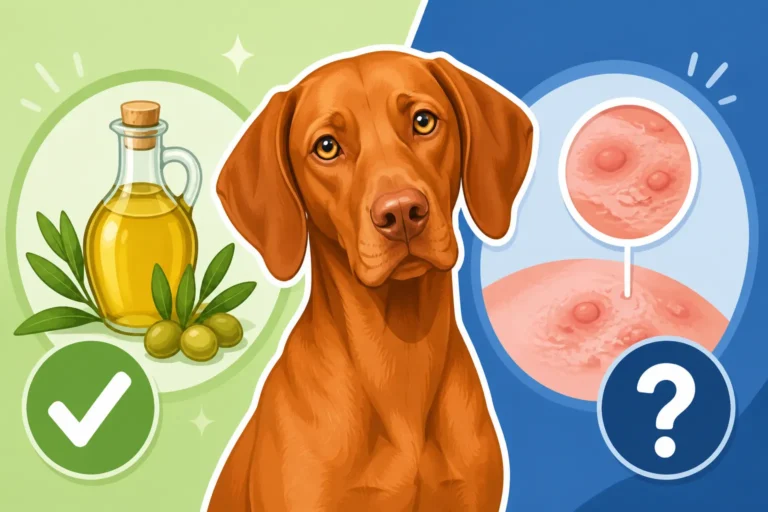
Oil soaks for Vizslas help soothe thin, sensitive skin, addressing dryness, flaking, and Sebaceous Adenitis safely.
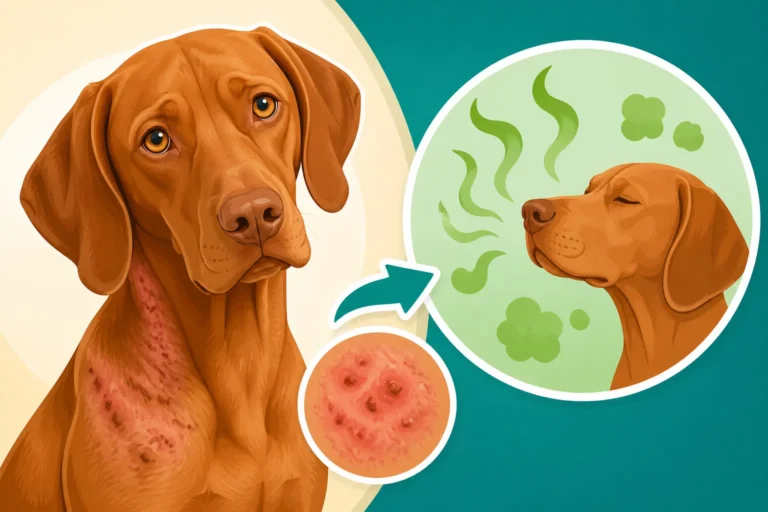
Vizsla skin disease causes unpleasant odors through secondary yeast and bacterial infections that break the natural skin barrier.
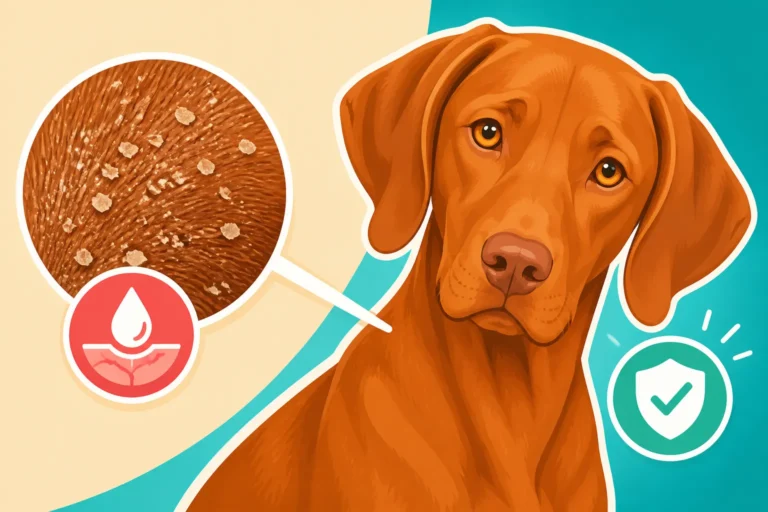
Vizsla skin flakiness results from their single, fine coat lacking an undercoat and reacting to environmental and chemical irritants.
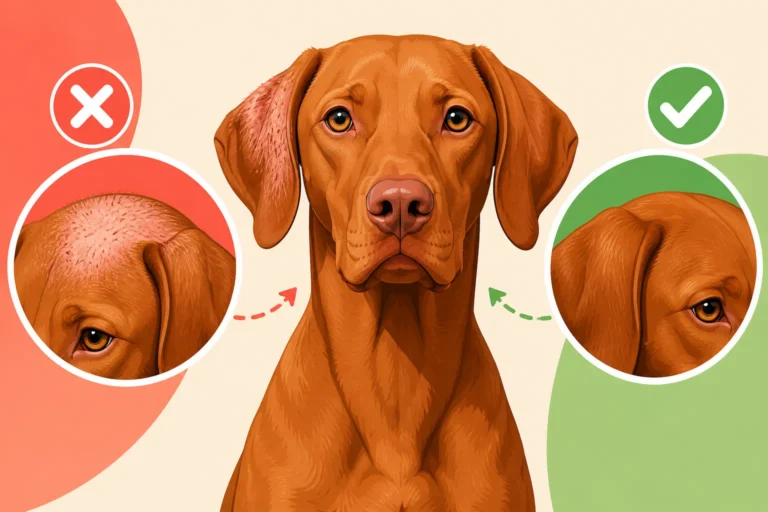
Vizsla hair loss on the head and ears distinguishes normal shedding patterns from localized skin issues and environmental allergies.
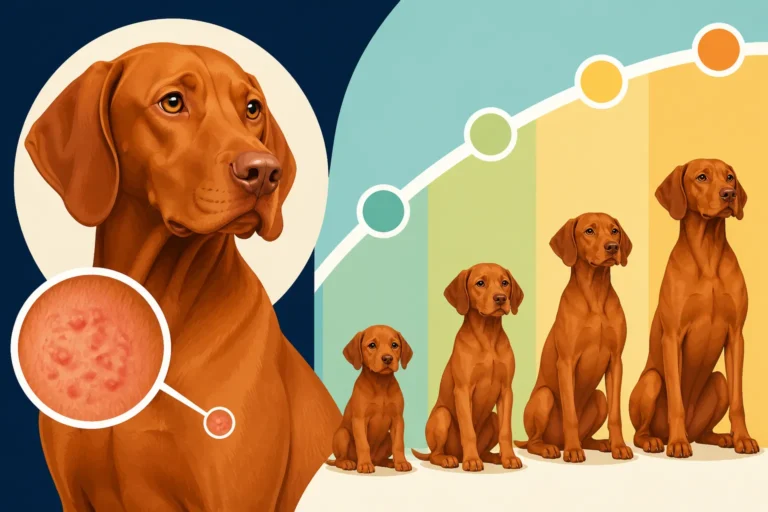
Vizsla skin disease onset timelines explain when allergies appear in puppies and Sebaceous Adenitis develops in young adults.
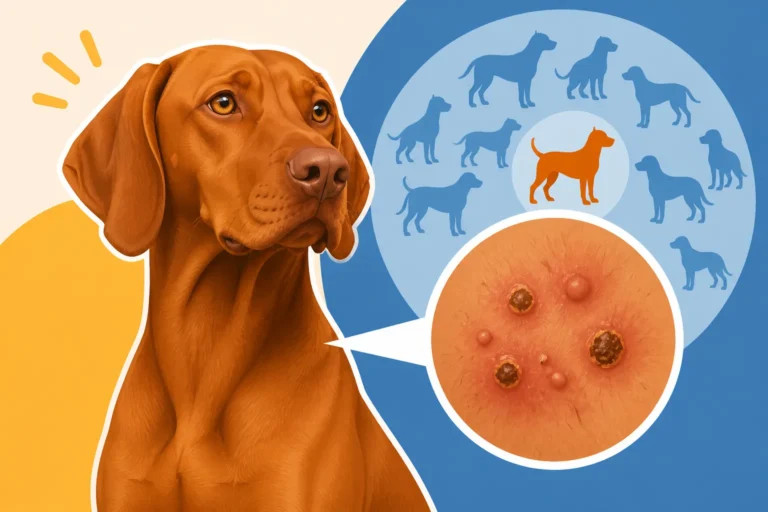
Sebaceous adenitis in Vizslas is an immune-mediated disease destroying sebaceous glands, causing hair loss, scaling, and inflammation.
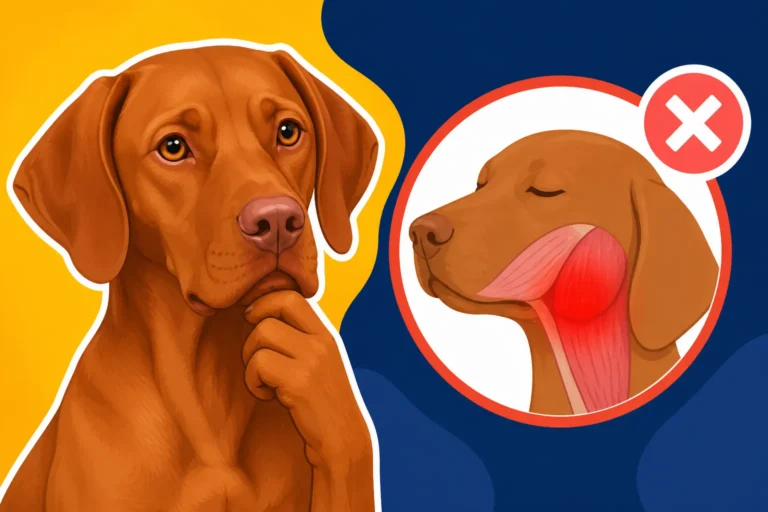
Masticatory myositis risks for Vizslas, including immune system vulnerabilities and specific jaw muscle inflammation signs.

Polymyositis and Vizsla Inflammatory Polymyopathy are related conditions, but VIP is a breed-specific form targeting head muscles.

Vizsla Inflammatory Polymyopathy diagnostic tools and ongoing research show whether current tests can predict this severe autoimmune neuromuscular disease.

Breeding a Vizsla with inflammatory polymyopathy raises complex ethical questions about genetic disease transmission and responsibilities.